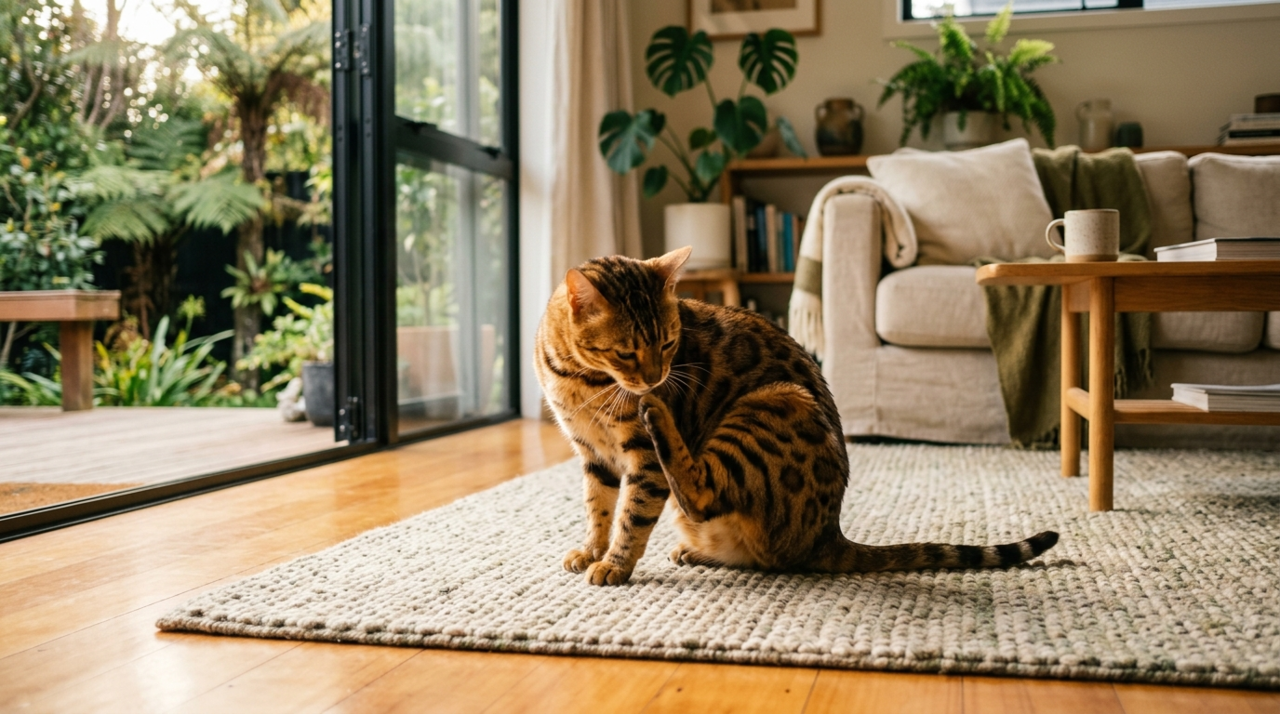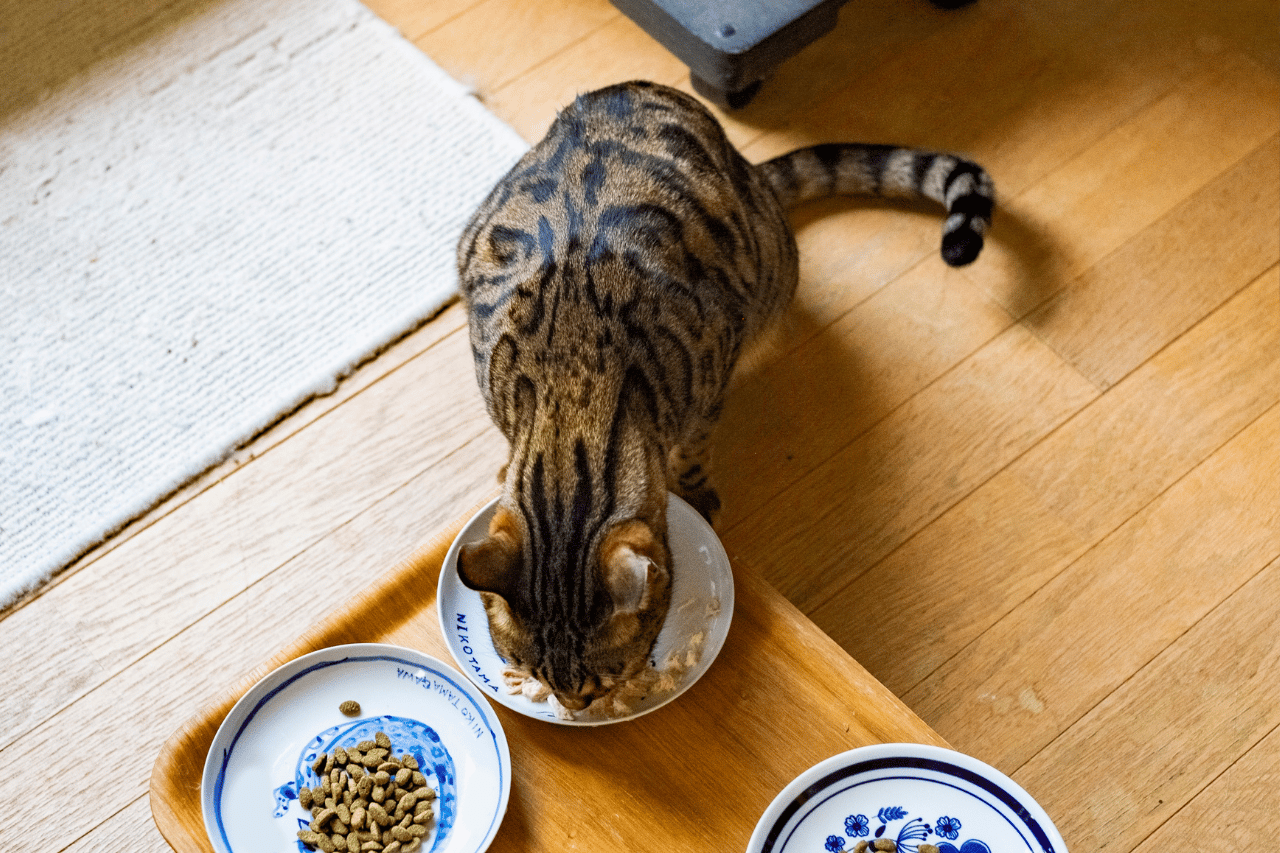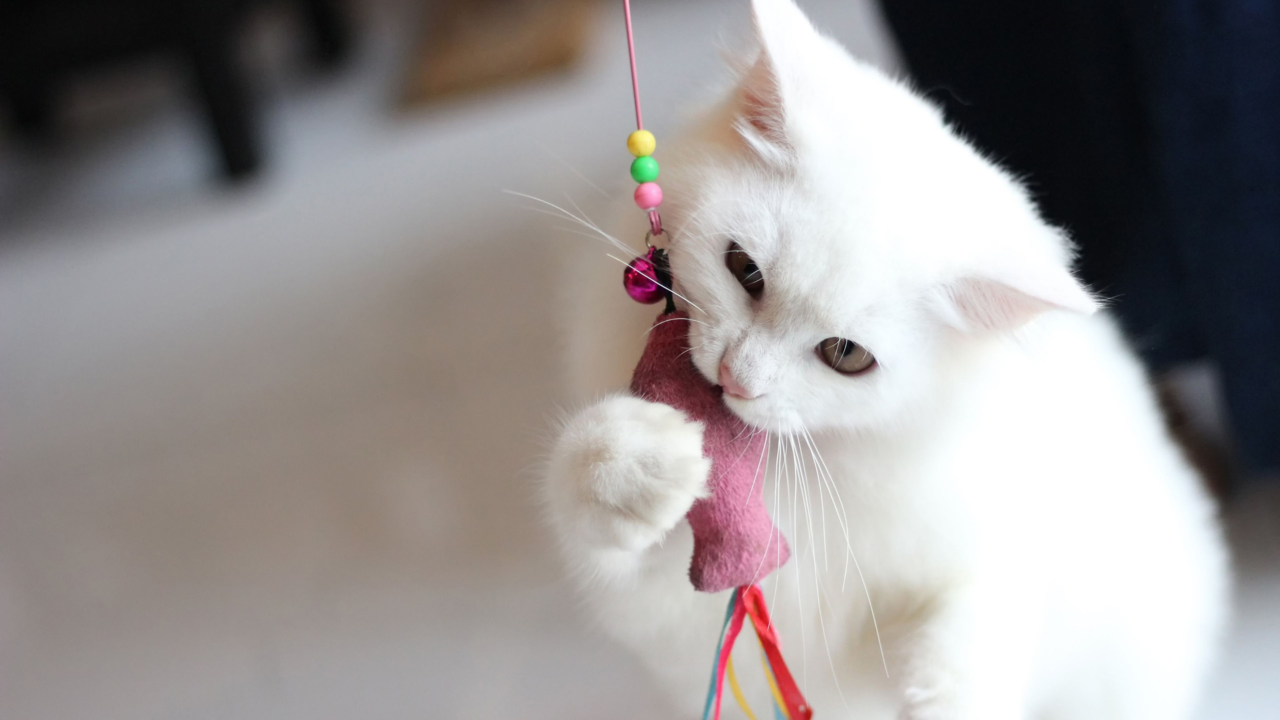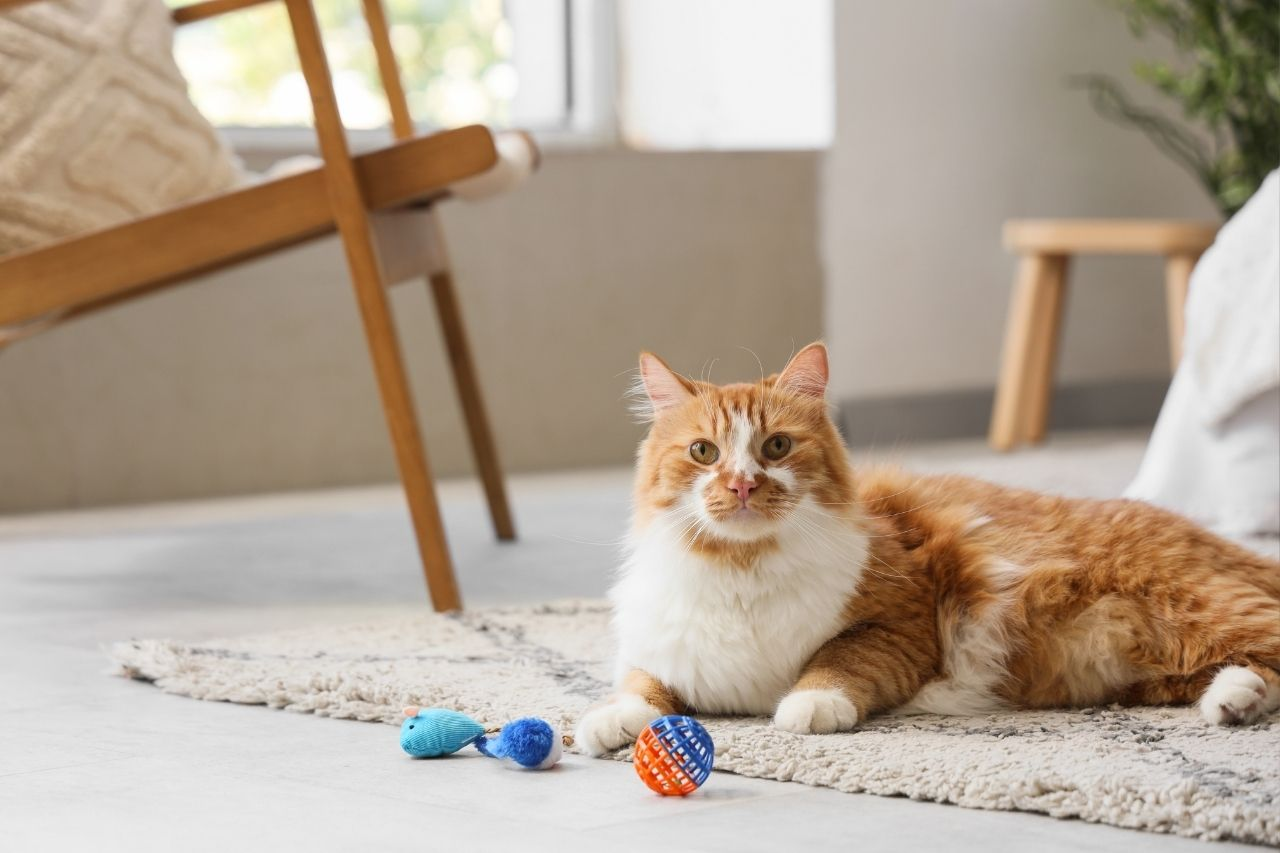
A Bengal can turn an ordinary hallway, bookshelf or dripping tap into an adventure. These intelligent, athletic cats often want to climb, investigate and take part in whatever their people are doing. When that energy has useful outlets, it becomes playful curiosity. Without a plan, the same drive can show up as counter surfing, rough play, persistent calling or rearranging the house at 3am.
The answer is not to keep a Bengal busy every minute. It is to build a predictable rhythm of active play, problem-solving, scratching, training and genuine rest. You can learn more about their social, busy nature in our Bengal breed guide.
Quick answer
A good Bengal cat routine uses several short activity blocks instead of one long play session. Start the day with interactive hunting play, add a food puzzle or independent activity while you are busy, offer another energetic session in the evening, then finish with a calm wind-down. Work one manners skill into each block and rotate activities so familiar toys stay interesting.
What Bengal enrichment needs to cover
Enrichment works best when it meets a need rather than simply adding more objects to the floor. For a Bengal, aim to cover four types across the day.
Hunting and movement
Use play that includes watching, stalking, chasing and pouncing. Let your cat catch the target regularly so the game feels satisfying rather than frustrating.
Climbing and observation
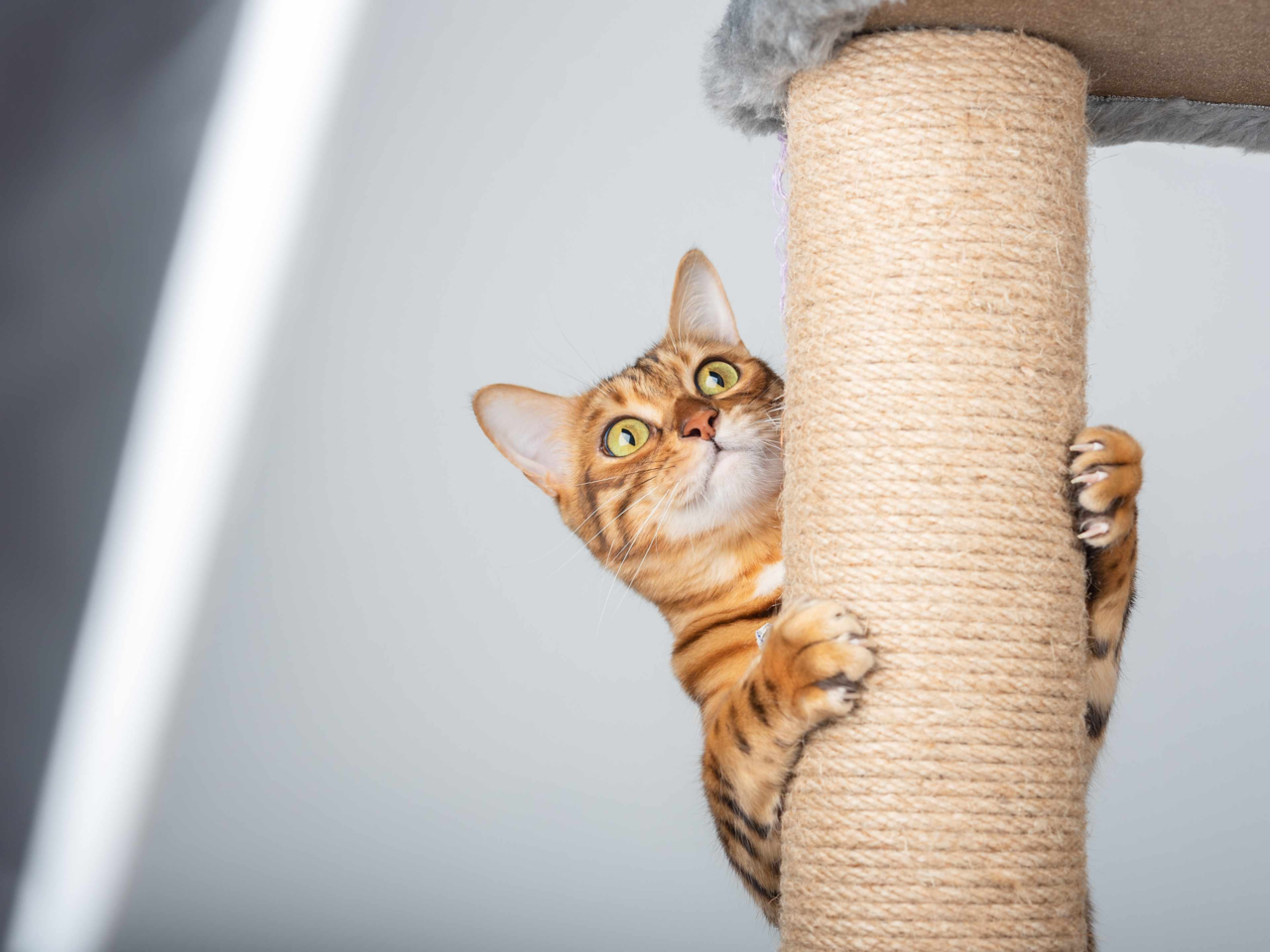
Give them sturdy vertical routes, safe window views and elevated resting places. Bengals often feel more settled when they can survey their home from above.
Problem-solving
Turn part of a normal meal into a puzzle, treasure hunt or simple training session. Start easy, then increase the challenge one small step at a time.
Social connection
Include activities with you, not just solo toys. Reward-based training, grooming, calm company and predictable routines all count as valuable interaction.
Variety matters more than volume
Leaving every toy out all day can make the whole collection feel ordinary. Keep a small selection available, store the rest, and swap a few items every several days. The return of a familiar favourite can feel new again.
A Bengal cat daily routine at a glance
Use this as a flexible framework rather than a strict timetable. A young Bengal may want more frequent activity, while an adult may prefer fewer but more focused sessions. Watch what helps your cat engage and then settle.
| Part of day | Enrichment focus | Manners practice |
|---|---|---|
| Morning | Five to ten minutes of hunting-style play, followed by breakfast | Come when called and wait briefly before the bowl goes down |
| Midday | Independent puzzle, hidden food portions, window watching or a climbing route | Use an approved perch instead of a kitchen bench |
| Evening | A longer interactive play block with jumps, chases and successful catches | Leave it, trade and gentle paws |
| Before bed | A small food search, quiet contact and a predictable lights-down routine | Settle on a bed, mat or favourite perch |
Morning: move, think, eat
Many Bengals are ready for action as soon as the household wakes. Begin with a short interactive game before breakfast. Move a wand or chase toy like prey by letting it pause, hide, dart away and become catchable. Avoid waving it constantly in your cat's face. The goal is focused hunting, not frantic motion.
After several successful catches, switch to a thinking task or serve part of breakfast through an activity feeder. The M-PETS Cascado 3-Tier Cat Ball Tower with Spinning Butterfly offers repeated batting movement, while the M-PETS Feather Tumbler Interactive Cat Toy creates an unpredictable solo-play option. For food-motivated cats, start the Nina Ottosson Buggin Out Puzzle & Play Interactive Cat Treat Puzzle with easy-to-reach pieces and only increase the challenge once your cat understands it.
Use breakfast to practise a simple pause. Ask your cat to stand on a mat or sit on a stool while you prepare the bowl. Mark the calm moment with a consistent word such as “yes”, then place the food down. Keep the wait brief enough for success and build slowly.
Midday: create a home they can explore
When people are working or out, the environment should provide safe choices. Link sturdy furniture, cat trees and shelves into a route your Bengal can move through without using fragile display areas. A window perch can add changing sights, while a cardboard box, paper packing or tunnel creates a low-cost place to investigate.
Scratching stations are part of this setup, not an afterthought. Place them near sleeping spots, entryways and the furniture your cat already targets. Offer both upright and horizontal options where possible. The Tigga Cardboard Ripple Cat Scratcher gives a broad cardboard surface, while the Pup & Purr Tough Wave Cardboard Cat Scratcher adds a curved shape for stretching and lounging.
Food can become another part of the route. Load the Catit Senses 2.0 Cat Food Tree with a measured portion from the daily allowance rather than extra food. Keep an ordinary bowl available at first while your cat learns how the activity works.
Evening: use the energy, then bring it down
Evening is a good time for the day's most active session. Use a hallway, stairs or sturdy climbing structure to add distance and height, but keep landings secure. Change direction, let the target disappear around corners and pause often enough for your Bengal to plan their next move.
Finish with a clear catch, then offer dinner or a small measured food search. This sequence of hunt, catch, eat and settle gives the activity a natural ending. Afterward, reduce noise, put the most exciting toy away and shift to a calmer cue such as brushing, a quiet perch or sitting beside you.
If your cat still launches into night-time laps, move the evening session slightly later or divide it into two shorter blocks. Do not respond to every burst with a new game. A predictable end cue helps your Bengal learn that active time has finished.
Teach manners inside the routine
Bengals often learn quickly, including habits people did not mean to teach. Keep sessions to one or two minutes, use tiny rewards from the daily food allowance, and stop while your cat is still interested.
Come when called
Say your cat's name followed by one cue. Reward any movement towards you. Practise across a quiet room before adding distance or distractions.
Choose an approved perch
Reward your Bengal on a nearby stool, shelf or mat while you cook or work. Make the right location easier and more rewarding than the bench.
Leave it and trade
Offer a reward for turning away from an item, then return safe objects when appropriate. Trading prevents grabbing from becoming a chase game.
Keep play gentle
Use toys rather than hands as targets. If teeth or claws touch skin, pause movement, redirect to a toy and resume only when play is controlled.
Prevention beats repeated correction
Put tempting food away, secure breakables, close unsafe gaps and provide a legal climbing or scratching option nearby. Shouting or spraying water may stop a moment, but it does not teach your Bengal what to do instead.
How to tell if the routine is working
A useful routine should help your Bengal move between activity and rest. Look for focused play, successful puzzle use, regular scratching in approved places and the ability to settle after a session. You may also notice less ambushing of feet, fewer attempts to create excitement from household objects and better responses to familiar cues.
If an activity leads to frustration, simplify it. Make food easier to reach, slow the toy down or shorten the session. Enrichment should create achievable challenges, not constant difficulty. Change only one part at a time so you can see what actually helps.
Frequently asked questions
How much daily play does a Bengal cat need?
Most do better with several focused sessions spread across the day than one long workout. Start with two or three blocks of five to fifteen minutes, then adjust for age, interest and how easily your cat settles afterward.
Can a Bengal be happy as an indoor cat?
Yes, provided the home offers daily hunting play, climbing, scratching, problem-solving, social time and changing things to explore. A safe enclosed outdoor area can add variety, but it does not replace interaction.
Why does my Bengal knock things over?
Moving objects creates sound, motion and a reaction, all of which can be rewarding. Secure fragile items, add safe batting toys, and reward play in approved areas before the shelf becomes today's entertainment.
Should I leave puzzle feeders out all day?
Use them for measured food portions and remove them once empty. Rotating formats preserves interest, prevents grazing beyond the daily amount and gives you a chance to clean each feeder properly.
Does a Bengal need another cat for company?
Not automatically. Some Bengals enjoy a compatible companion, while others prefer their people and their own space. A second cat is not a shortcut for play, training or a thoughtful introduction process.
How often should I rotate cat toys?
There is no fixed schedule. Swap a few items every several days or when interest drops, while keeping one or two favourites available. Reintroduce stored toys individually so each return feels noticeable.
Build your Bengal's activity rotation
Mix chase, batting, puzzle and solo-play options so each day includes movement and a chance to think.
SHOP CAT TOYS