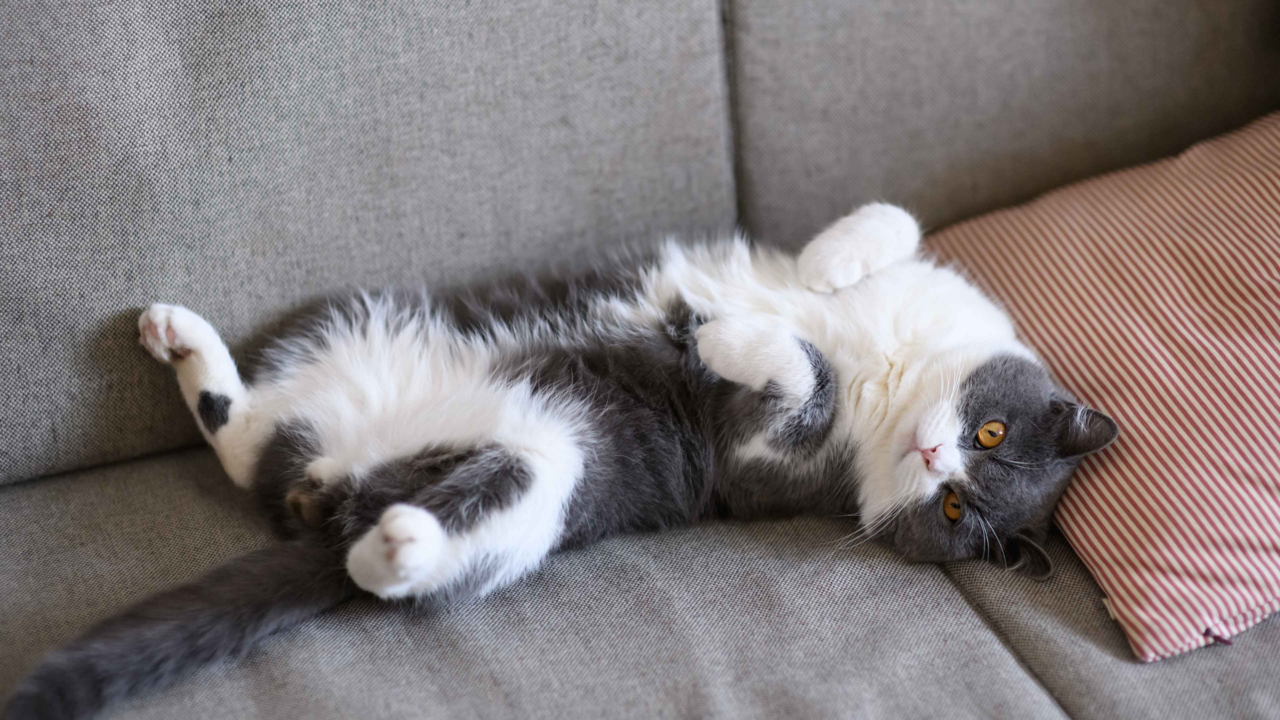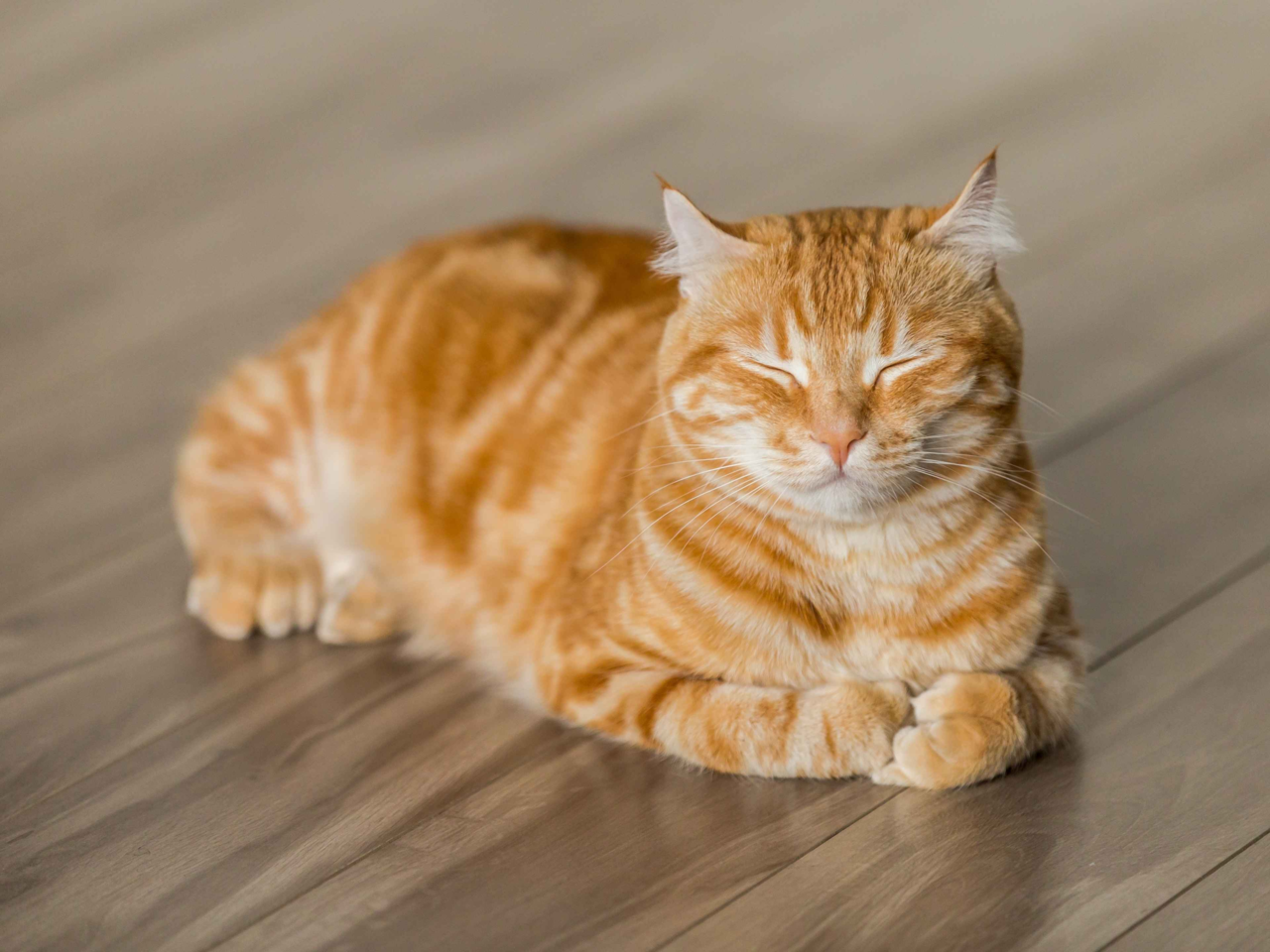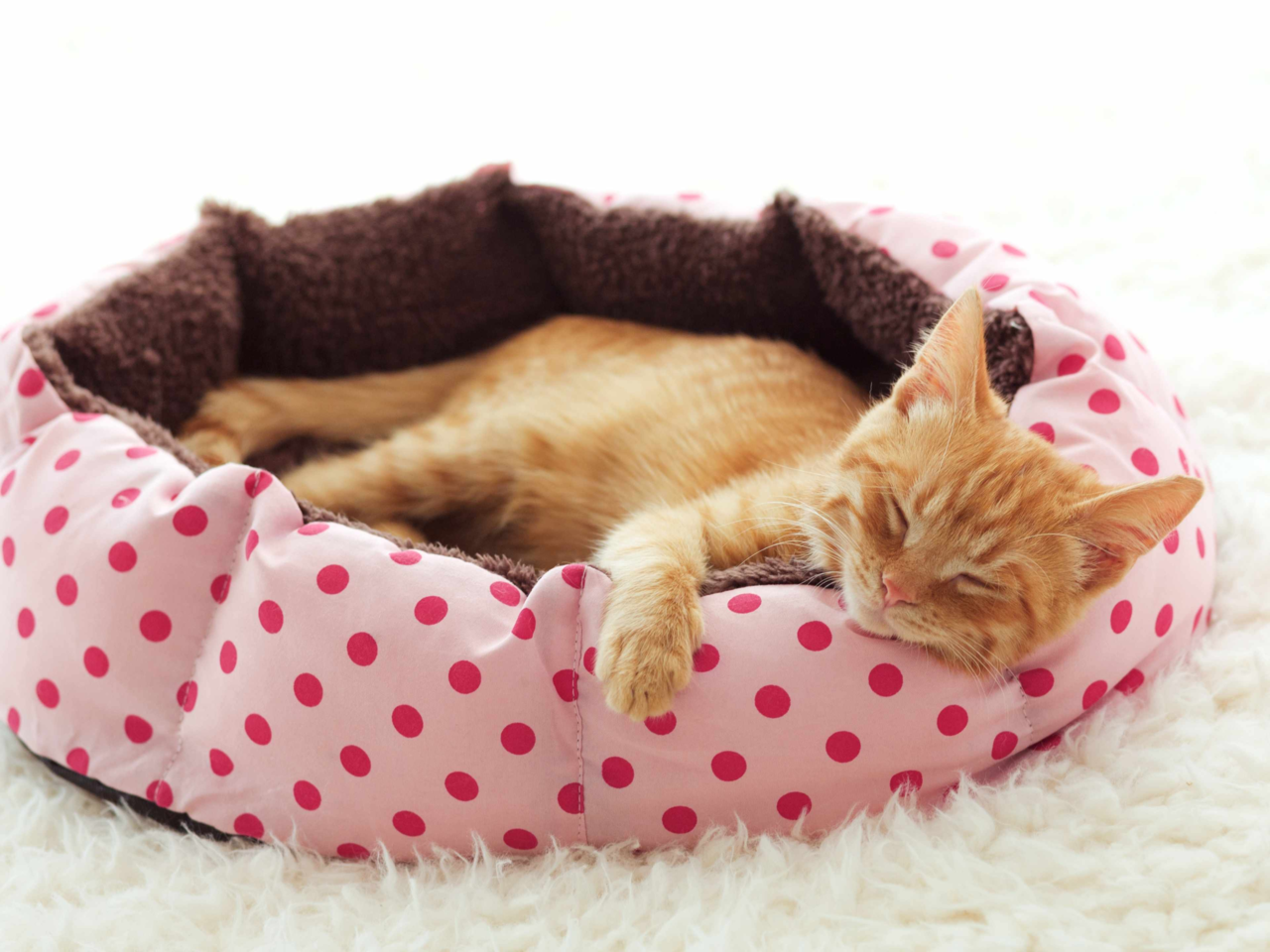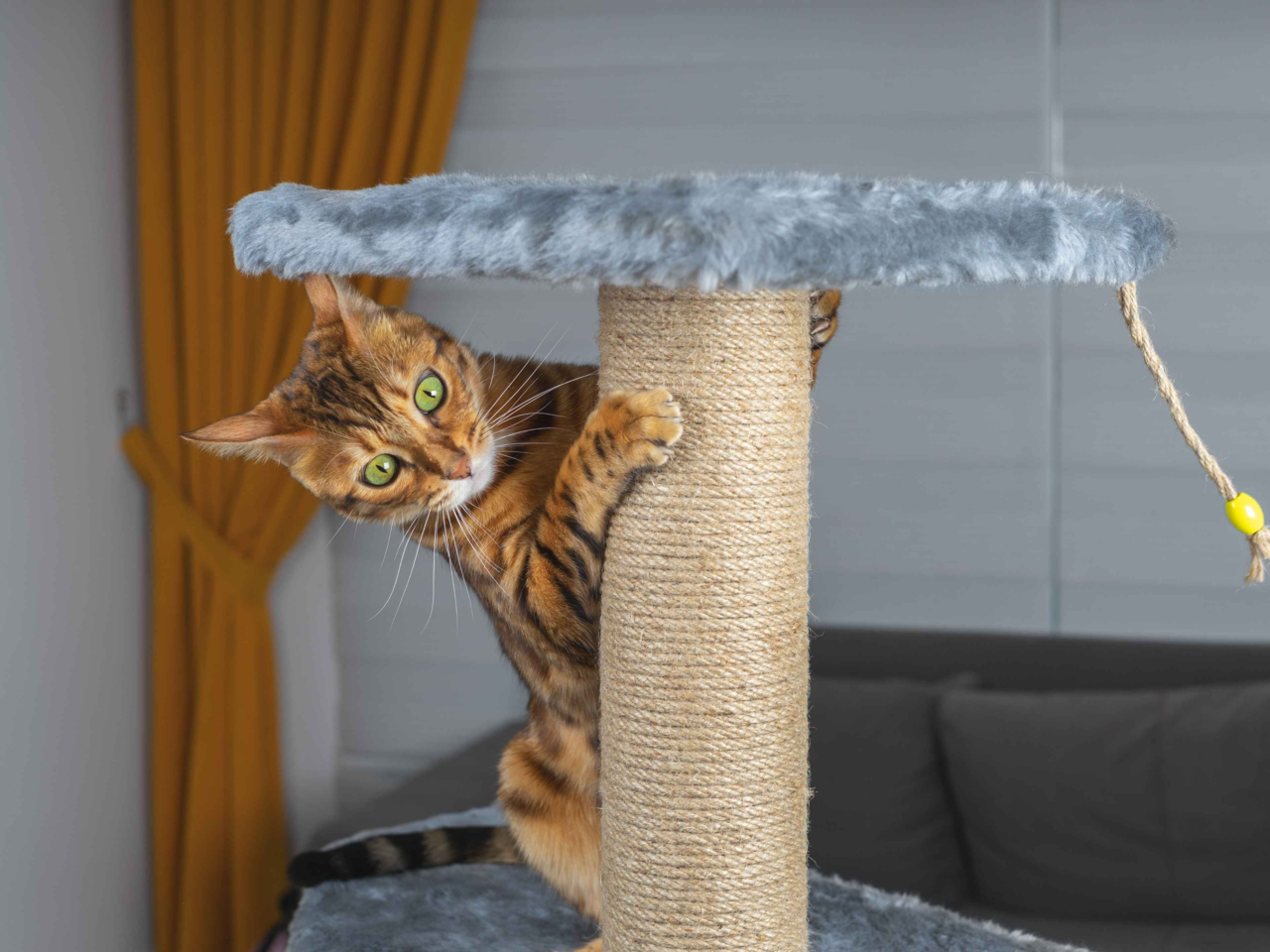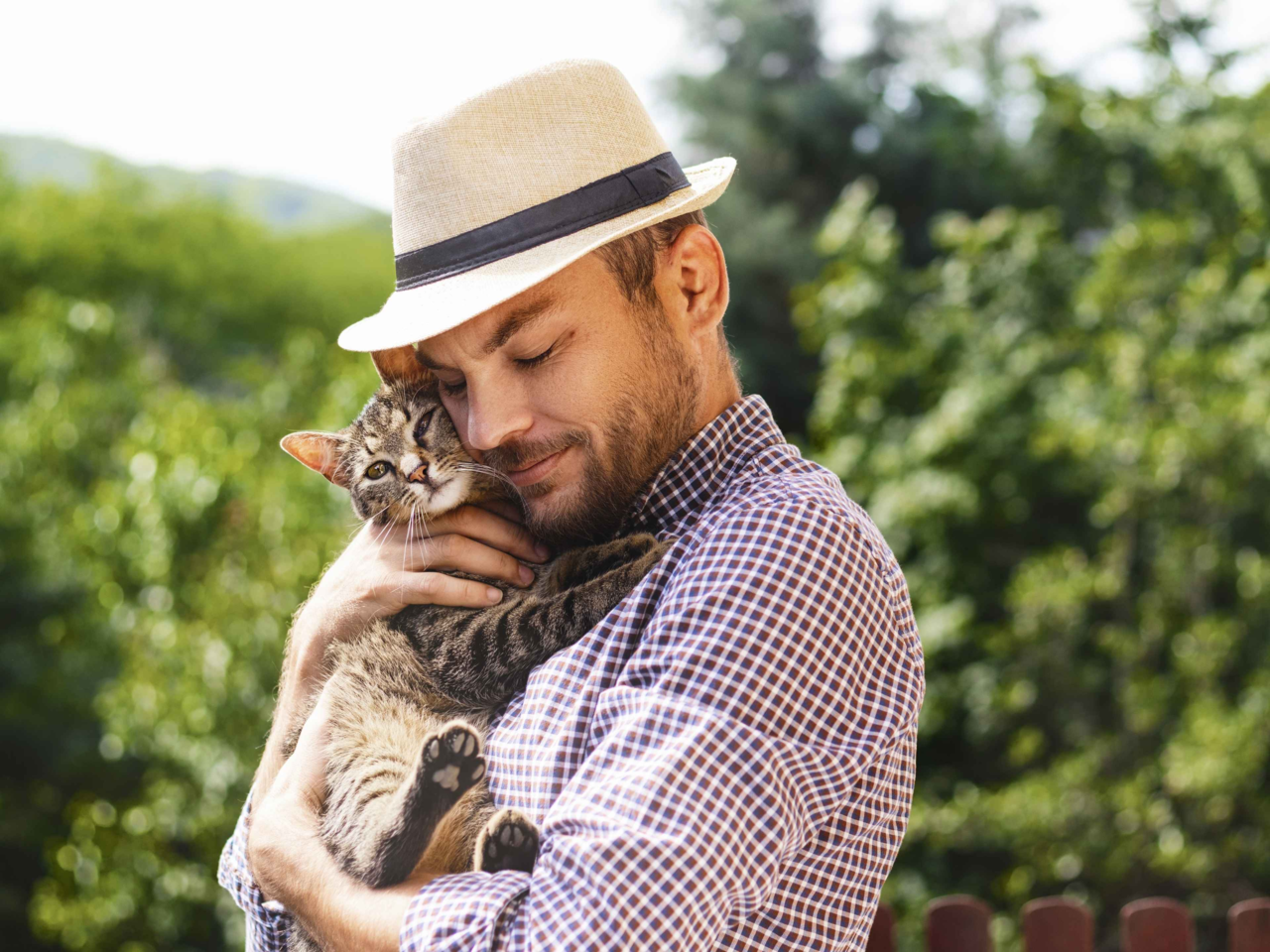
A gentle bump from your cat's forehead or cheek is usually a friendly social behaviour called bunting. Cats use scent glands around the face to leave familiar chemical messages on people, other cats and objects. In many homes, it is part greeting, part scent-sharing and part request for attention.
Quick answer
Friendly headbutting, or bunting, is usually a slow, deliberate nudge followed by rubbing, relaxed body language or purring. It helps your cat mix their scent with familiar people and places. Persistent head pressing into a wall or corner is different and needs urgent veterinary assessment.
Why cats headbutt people
To share familiar scent
Facial scent helps make a person or place smell safe and familiar. Your cat may repeat the rub as they move around their social space.
To greet you
Some cats bunt after you return home, wake up or sit down. It can be their calm way of reconnecting.
To invite interaction
A headbutt may be followed by cheek rubs, purring or a pause beside your hand. Let your cat show whether they want a pat, play or simply company.
How to respond to a headbutt
Pause and read their body
Soft eyes, neutral ears, a loose tail and rubbing usually point to a friendly interaction.
Offer a cheek or chin rub
Keep touch light and stop after a few seconds. If your cat leans back in, they are choosing more.
Respect the finish
A turning head, skin ripple, tail flick or move away means the interaction is over. Letting your cat choose builds trust.
Headbutting is not the same as head pressing
Know the urgent difference
Head pressing is when a cat persistently pushes the front of their head against a wall, floor or object without the relaxed rubbing motion of bunting. It may occur with disorientation, circling, balance changes, vision changes or seizures. Contact a vet urgently if you see this behaviour.
Watch for other sudden changes
New face rubbing or head movement paired with head shaking, ear scratching, skin irritation, appetite changes or withdrawal also deserves a vet check. The behaviour may look social at first, so compare it with your cat's normal pattern.
What if your cat never headbutts?
That is completely normal. Cats show connection in different ways, including slow blinking, sleeping nearby, following you, bringing toys or greeting you with an upright tail. The strongest bond is one that respects your cat's preferred way of interacting.
Cat headbutting FAQs
Why does my cat headbutt me then bite?
They may have become overstimulated, switched into play or wanted the touch to stop. Watch for tail flicking, tense muscles, skin ripples or ears turning sideways, and pause earlier next time.
Why does my cat headbutt my phone or laptop?
These objects carry your scent and often sit between you and your cat. Rubbing can add their own scent and may also be a request for attention.
Do cats headbutt only people they trust?
Cats often bunt familiar people and animals, but individual cats vary. Use the full body language and situation rather than treating one behaviour as proof.
Why does my cat headbutt me in the morning?
It may be a greeting, a request for breakfast or a learned routine that reliably gets your attention.
Can I headbutt my cat back?
A gentle forehead touch may be welcomed by some cats, but do not lean in quickly or hold them in place. A slow blink or offered hand is a safer invitation.
What is cat bunting?
Bunting is a social scent-marking behaviour where a cat nudges or rubs with the forehead, cheeks or chin.
When is head movement a reason to call a vet?
Seek advice for persistent head pressing, disorientation, circling, seizures, balance changes, sudden head shaking or any marked change from your cat's normal behaviour.
Build connection on your cat's terms
Pair calm interaction with short play sessions and places where your cat can retreat. Our cat body language guide can help you spot when they want more contact and when they need space.