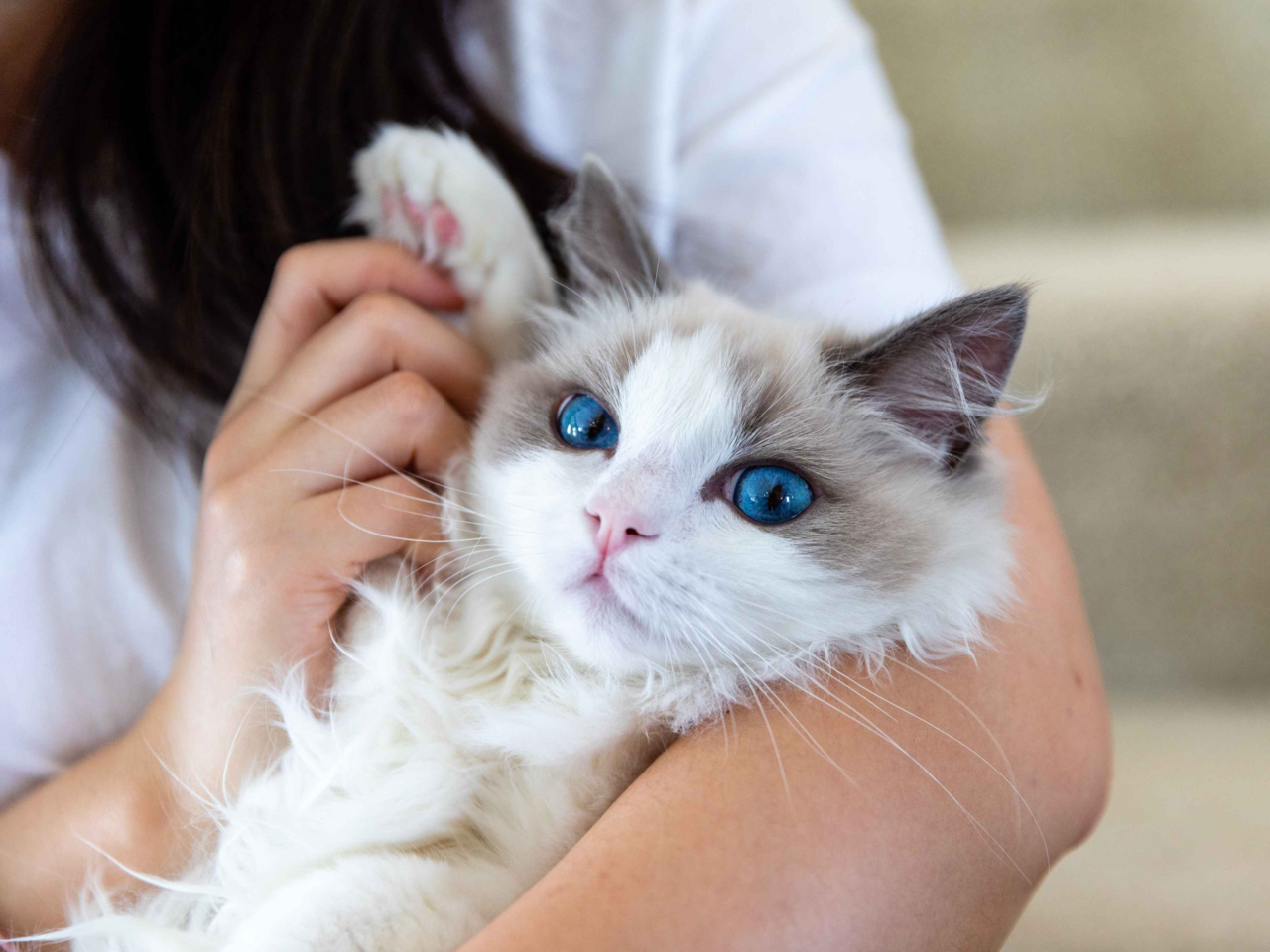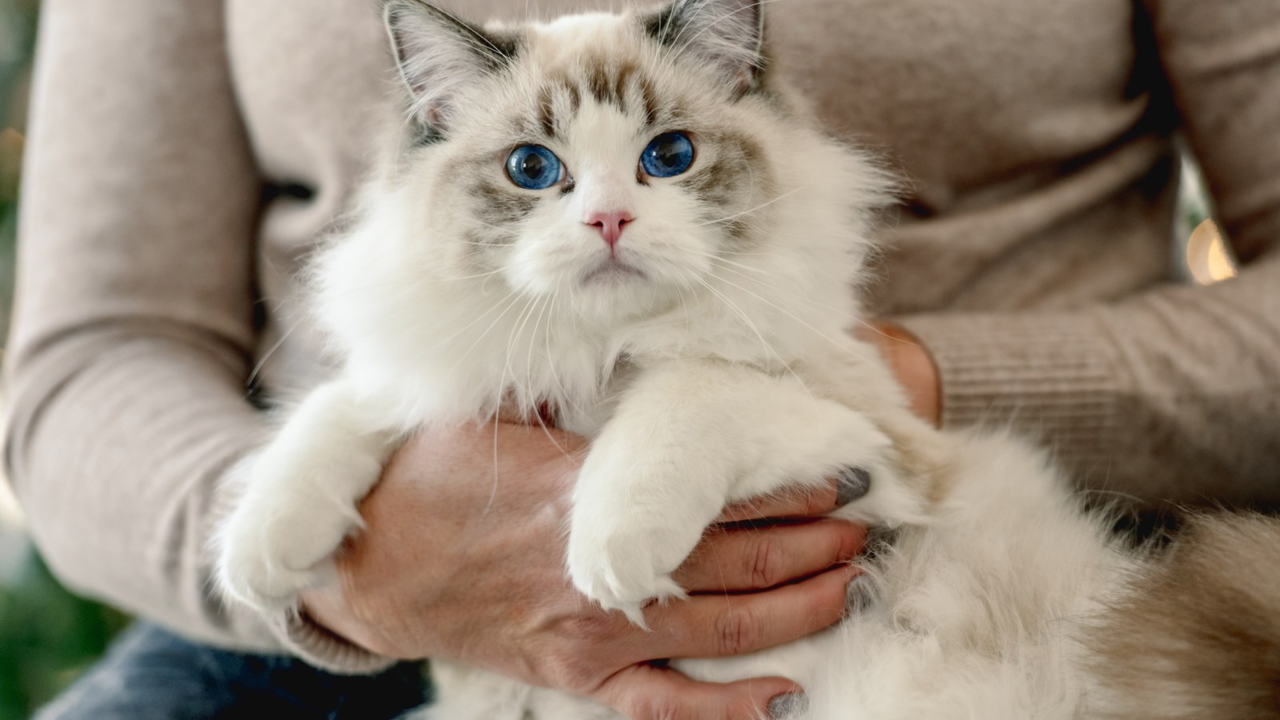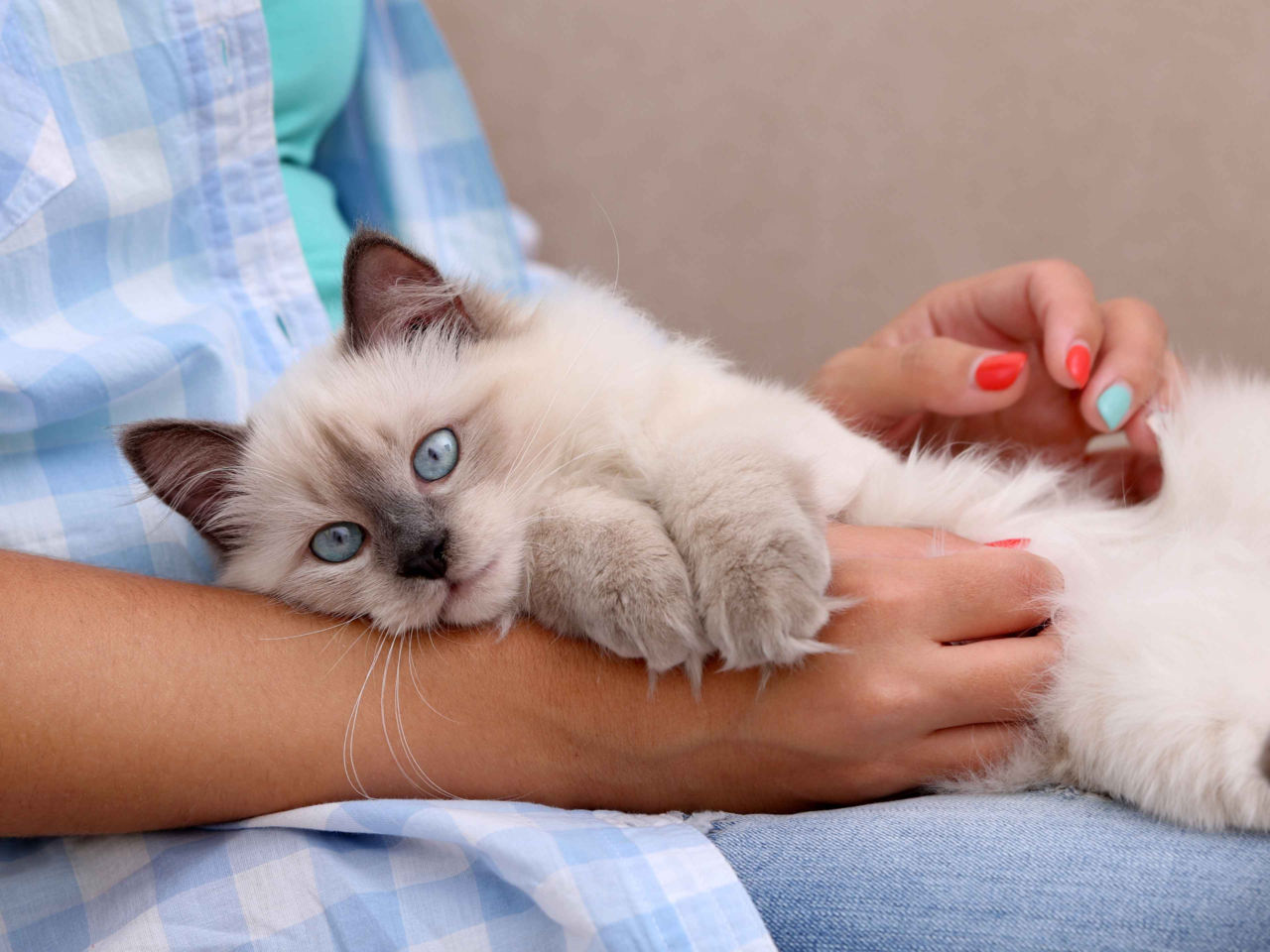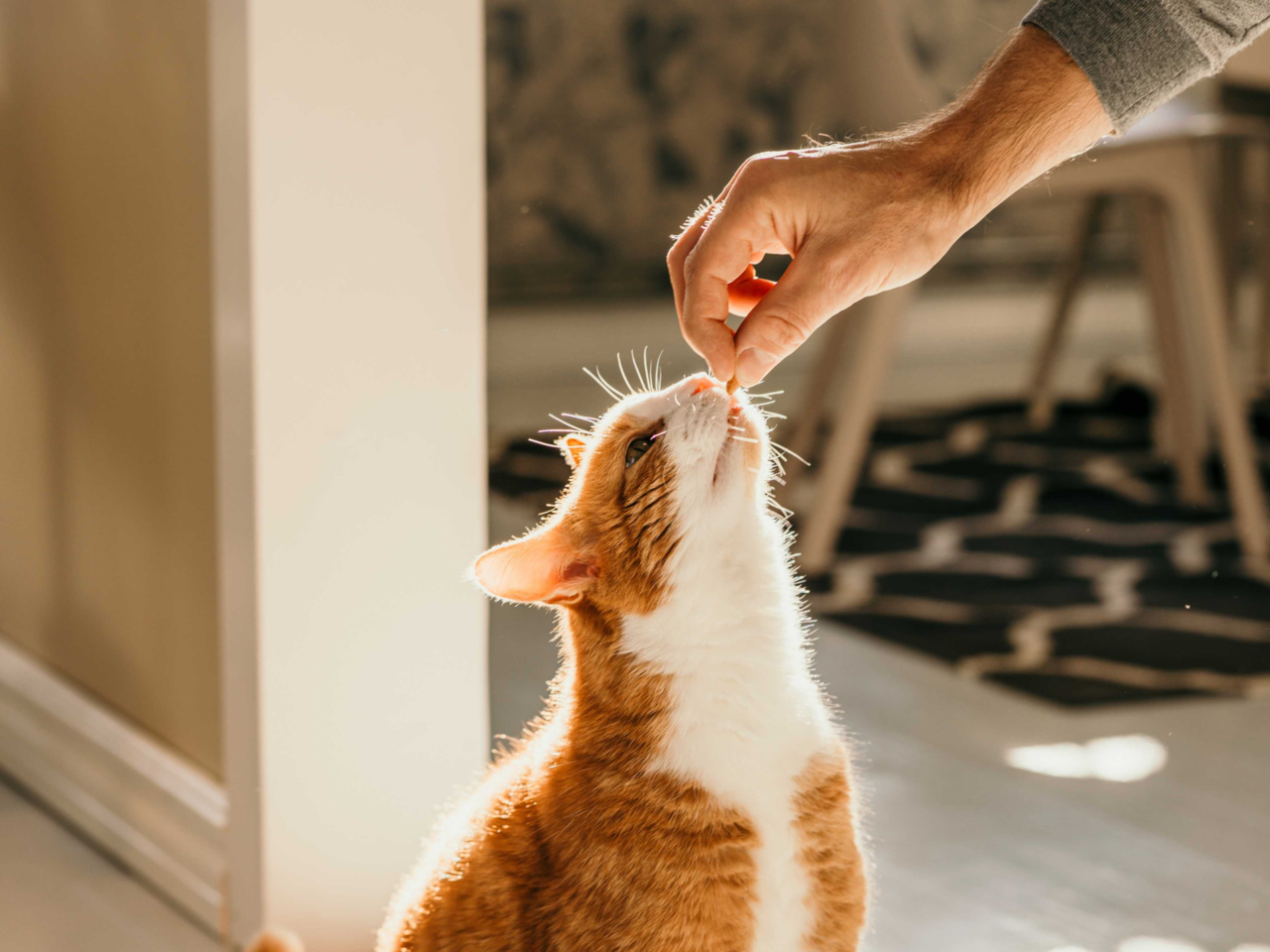
Ragdolls have a reputation for being gentle, relaxed and content to stay close to their people. Many will follow family members from room to room, settle nearby while the household gets on with the day, and greet attention with an easygoing response.
That calm reputation is useful when getting to know the breed, but it is not a promise that every Ragdoll will behave the same way. Age, confidence, past experiences, daily routine and individual personality all shape the cat in front of you.
Quick answer
Ragdoll cats often seem calm because the breed is known for a gentle, people-focused temperament and a relaxed way of interacting at home. They usually enjoy company without needing to be constantly on the move, although kittens can be lively and adults still need play, climbing and choice. Each Ragdoll is an individual, so their comfort with handling, visitors and other pets can vary.
What does a calm Ragdoll temperament look like?
A calm cat is not necessarily a cat who sleeps all day or never asks for anything. In Ragdolls, the calmer temperament is more often seen in the way they respond to everyday life. They may pause and observe before joining in, choose to sit beside you rather than race around the room, or communicate with a quiet meow and steady eye contact.
People focused
Many Ragdolls like being part of household activity. They may trail behind you, wait near a doorway or settle wherever the family is gathered.
Gentle in play
They can be playful and curious without always being intense. Short games followed by a long rest are common, especially in settled adults.
Relaxed at home
A predictable indoor routine often suits them. Familiar resting spots, regular meals and friendly attention can help their easygoing side show.
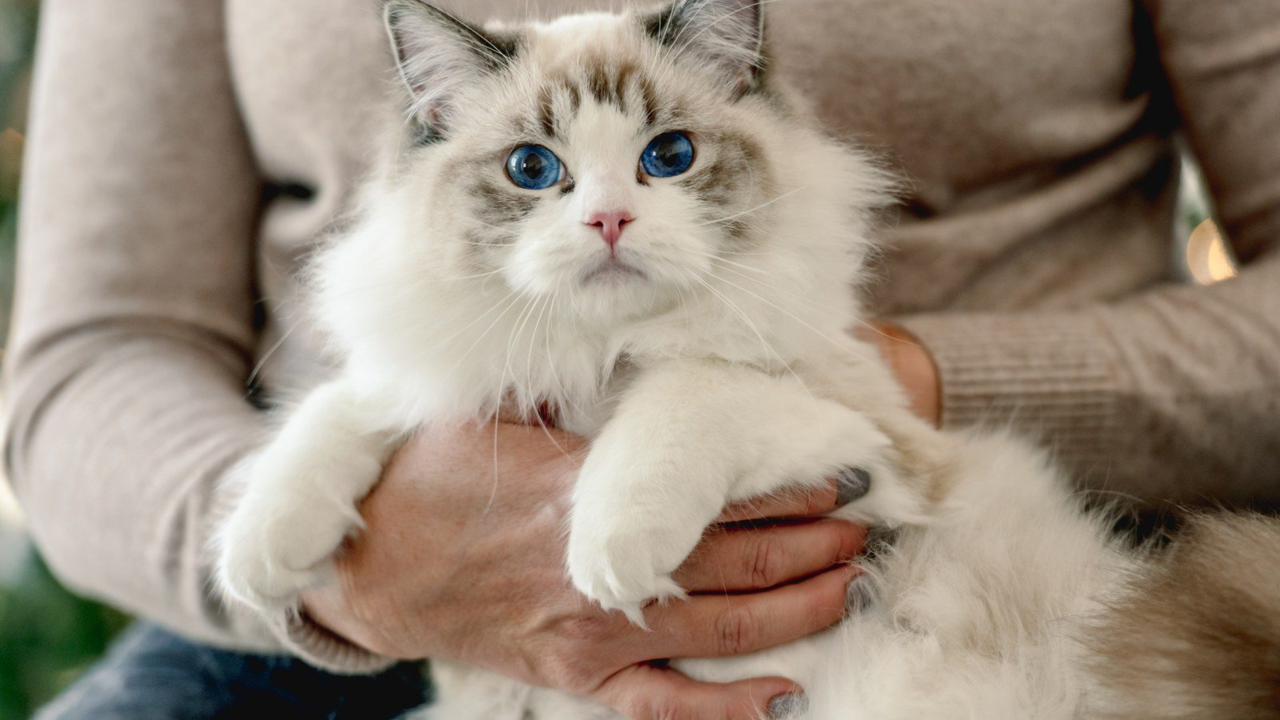
Some Ragdolls also relax deeply when held, which is where the breed's name and famous floppy reputation come from. Not every Ragdoll enjoys being picked up, though, and body language should always come first. Our guide to why Ragdoll cats go limp explores that one behaviour in more detail.
Why are Ragdolls known for being so calm?
The breed was developed as a companion cat, and its friendly, steady nature became one of its most recognisable qualities. Over time, that created a broad breed pattern: Ragdolls tend to be affectionate, tolerant and interested in being close to people.
Home life matters too. A Ragdoll who has gentle handling, places to retreat, positive introductions and a routine they can predict is more likely to feel secure. A cat who is new to the home, overwhelmed or unsure may hide, avoid touch or become more watchful, regardless of breed.
Breed pattern, not a personality guarantee
Think of the Ragdoll temperament as a helpful starting point. One may be a confident lap cat, another may prefer sitting beside you, and another may save affection for one trusted person. Let your cat show you what makes them comfortable.
Are Ragdoll kittens calm too?
Ragdoll kittens are still kittens. Expect climbing, chasing, sudden bursts of speed and plenty of investigation. Their calm adult reputation does not remove the need for kitten-proofing or daily play.
Many become more settled as they mature, but the change is gradual. Keep play sessions regular, rotate toys and provide appropriate scratching and climbing options. This gives energetic behaviour a useful outlet while helping your kitten build a comfortable routine.
Young Ragdolls can also be trusting and keen to stay close. Check washing machines, cupboards, recliners and doorways before closing or moving them. Their relaxed confidence around people does not always make them aware of household risks.
Does calm mean Ragdolls are low maintenance?
No. A gentle temperament can make a Ragdoll pleasant company, but calm cats still need attention, activity and care. Their size, long coat and social nature make a well-planned indoor environment especially valuable.
- Offer daily interactive play, even when your cat seems content to lounge.
- Provide sturdy scratchers and climbing furniture that suit a larger cat.
- Keep cosy resting spots in both social and quiet parts of the home.
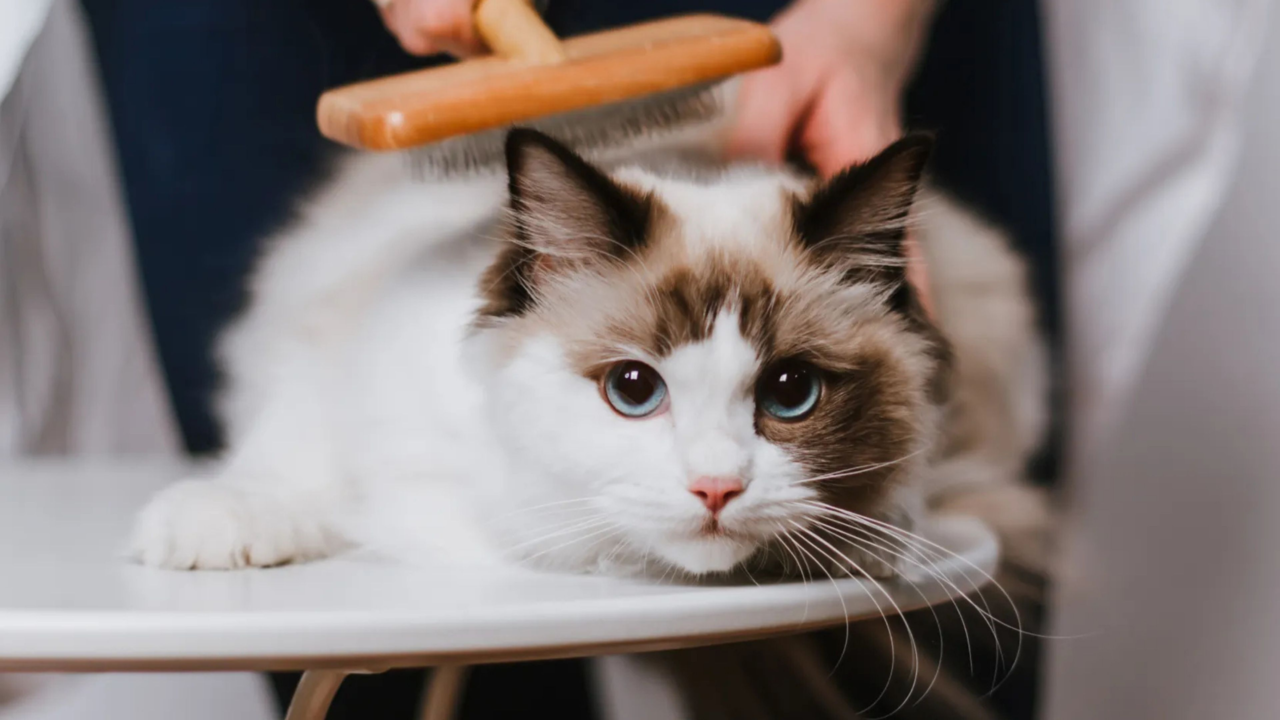
- Brush regularly so coat care becomes a familiar, comfortable routine.
- Use puzzle feeding and toy rotation to add interest without creating chaos.
- Make time for company while respecting when your cat wants space.
If you are planning the wider routine, our Ragdoll cat care guide covers care across kitten, adult and senior life stages.
How do Ragdolls show affection?
Ragdolls are often described as dog-like because they may greet people at the door, follow them through the house or carry toys between rooms. Their affection can also be quieter. Sitting against your leg, slow blinking, sleeping nearby or choosing the same room are all ways a cat can seek connection.
Some love laps and being carried. Others prefer all four paws on the ground. Calm handling means inviting contact rather than assuming it. Let your Ragdoll sniff your hand, approach in their own time and move away when they have had enough.
Children should learn the same approach. Gentle stroking and short, positive interactions are better than holding a cat who wants to leave. A relaxed cat should still have easy access to high spots and quiet rooms where nobody follows.
Do Ragdolls get along with other pets?
Their easygoing nature can help Ragdolls live with friendly cats and calm dogs, but introductions matter more than reputation. Start with separate areas, swap scents, and allow short meetings with plenty of space. Avoid placing either pet under pressure to interact.
A confident Ragdoll may adapt quickly, while a quieter one may need days or weeks. Make sure each pet has separate food, water, resting places and toilet areas. For cat-to-cat homes, give each cat their own resources plus an extra option where practical.
Watch the individual animals rather than expecting the Ragdoll to tolerate everything. Hiding, repeated retreating, flattened ears, swishing tails or tense staring can mean the introduction needs to slow down.
How can you support a calm, happy Ragdoll?
The aim is not to keep a Ragdoll quiet. It is to give them enough choice, enrichment and connection that they can feel settled. A few reliable habits usually work better than constantly changing their environment.
Keep the day predictable
Serve meals around similar times, create familiar play routines and keep essential resources in dependable places. Predictability can help a cat know what happens next.
Make room for active and quiet choices
Place a sturdy tower or perch near family activity, with another bed or hideaway in a quieter area. This lets your Ragdoll join in without being in the centre of everything.
Use short, engaging play sessions
Try wand play, rolling toys and food puzzles for a few minutes at a time. Finish before interest fades, then let your cat settle. Calm cats can be excellent problem-solvers when an activity suits their pace.
Build handling around consent
Start with areas your cat enjoys, pause regularly and stop when their body becomes tense or they turn away. This is particularly helpful for brushing and routine coat care.
Enrichment ideas for a relaxed indoor routine
A calm Ragdoll still benefits from scratching, climbing, sniffing and problem-solving. These GrapesJS product tiles offer a mix of furniture and activities that can be worked into a steady home routine.
Frequently asked questions
Are all Ragdoll cats calm?
No. Calmness is common in the breed, but every Ragdoll has an individual personality. Kittens are often lively, and adults may be bold, vocal, playful or more independent than expected.
Are Ragdolls good family cats?
Many suit family life because they tend to be gentle and social. Children should interact calmly, let the cat leave freely and avoid rough handling.
Do Ragdolls like being held?
Some do, but not all. Support the body securely, keep holds brief at first and put your cat down when they shift away or become tense.
Are Ragdoll cats quiet?
Many have soft voices, although some are chatty and will follow people around meowing. Quiet temperament and quiet vocal behaviour are not always the same thing.
Do Ragdolls need much play?
Yes. Daily play supports movement, curiosity and connection. Short sessions, puzzle toys, scratchers and climbing spots can suit their relaxed style.
Can a Ragdoll be left alone all day?
Ragdolls are often people focused and may find very long, quiet days difficult. Build independent activities into the home and make time for play and company before and after absences.
Why does my Ragdoll follow me everywhere?
Following is a common way for social cats to stay involved. Your Ragdoll may be seeking company, expecting part of their routine or simply choosing the room where things are happening.
Are Ragdolls suitable for indoor living?
They can thrive indoors when they have secure windows and doors, useful climbing space, daily play, scratching areas and regular social contact.