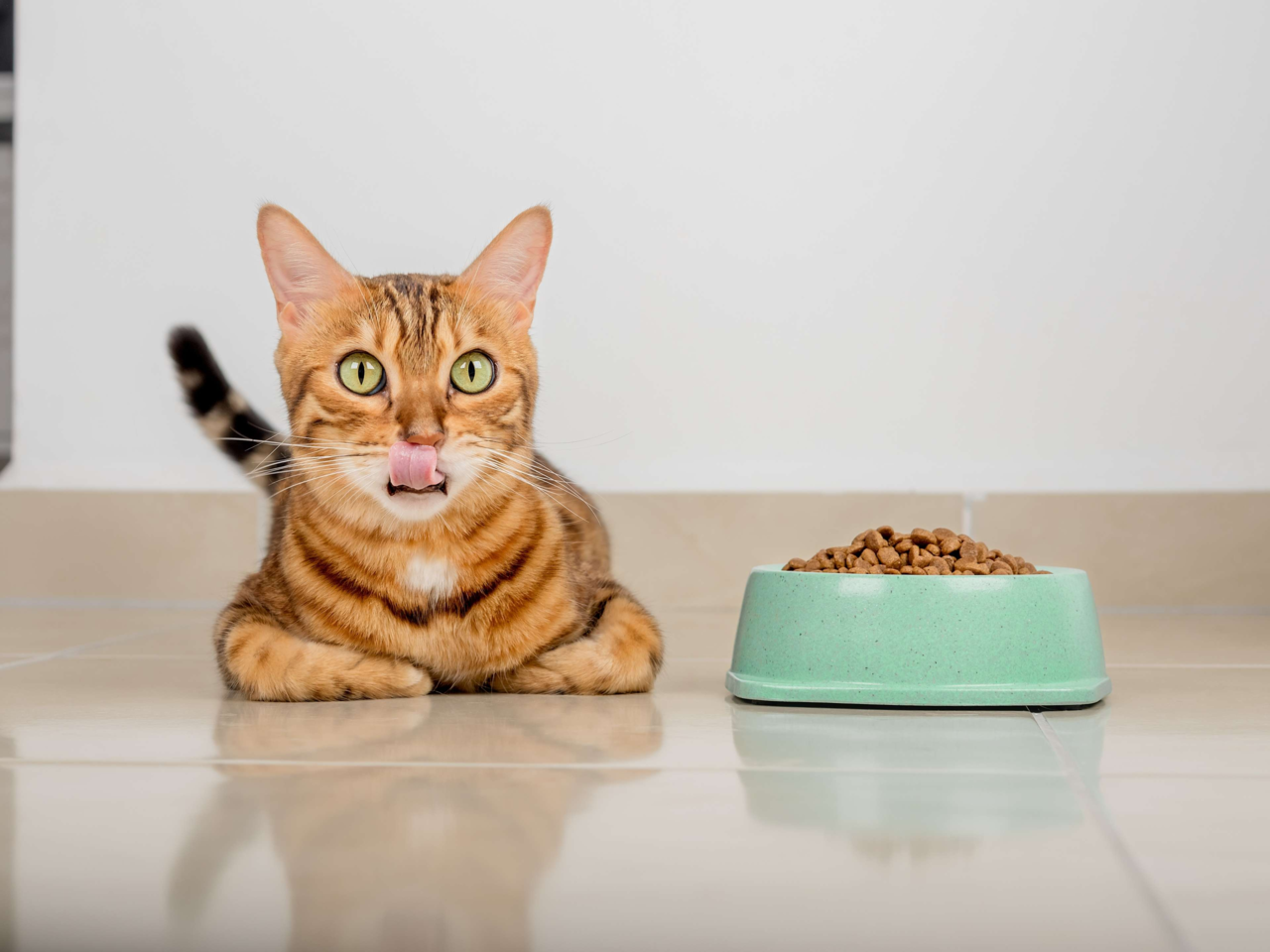
Every pet parent has been there—your normally food-loving furry friend sniffs their bowl and walks away. Concerned? Confused? You’re not alone. If your pet refuses to eat, it might be a short-lived mood or a sign of something more serious. At Petdirect, we get pet and know how important healthy eating habits are for your cat or dog’s wellbeing. This guide walks you through possible reasons your pet is off their food and what you can do to help them regain their appetite.
Why Your Pet Might Stop Eating
In New Zealand, pets face a unique mix of environmental and health-related triggers that can affect appetite. Here are some of the common reasons:
- Stress and anxiety: Sudden changes—like a move, firework night, or new addition to the family—can lead to fussiness. Products like calming supplements may help in these cases.
- Dental issues: A sore tooth or inflamed gums can make chewing painful. Check for signs like drooling or pawing at the mouth, and look into pet dental care products.
- Health conditions: Digestive troubles, infections, or more serious conditions could be behind a reduced appetite, particularly if it lasts more than 24 hours in cats or 48 hours in dogs.
- Food aversion or boredom: Pets get tired of the same meal too—just like us! Switching up flavours or textures, or adding toppers and mixers, could renew their interest in mealtime.
Steps To Encourage Healthy Eating
Once you’ve ruled out medical causes with your trusted vet, try these simple but effective strategies:
- Warm up their food: Gently heating wet food enhances aroma and can tempt even the fussiest eaters.
- Change the feeding routine: Create a calm, quiet mealtime environment by feeding in the same spot and sticking to a schedule. Some pets prefer eating alone, without distractions.
- Rotate food brands: Mix up the menu with high-quality brands like ZIWI, Feline Natural, or K9 Natural.
- Try a different bowl: Believe it or not, some pets refuse to eat from bowls that are too deep or too wide. Explore our range of pet bowls and feeders to find the perfect fit.
When To Contact Your Vet
If your pet hasn’t eaten for more than 24-48 hours, is losing weight, vomiting, or acting lethargic, contact your vet straight away. Cats in particular can develop fatty liver disease (hepatic lipidosis) if they go without food for too long. Your vet can help diagnose any underlying conditions and may recommend a vet-prescribed formula, such as Hill’s Prescription Diet or Royal Canin Vet.
Helpful Products That Can Make Mealtimes Easier
At Petdirect, we stock a wide range of nutrition solutions and accessories designed to support healthy appetites:
- Digestive health supplements to ease tummy upsets and improve gut health
- Smart feeders for portion-controlled, timed feeds while you're away or busy
- Wet food options with new flavours and textures to entice picky eaters
- Healthy treats for positive reinforcement and to encourage food interest
Looking to explore food designed for specific pet needs? Our range of science-based pet nutrition covers everything from sensitive digestion to hypoallergenic recipes.
Understanding Your Pet’s Behaviour
Picky eating can sometimes stem from behavioural changes or anxiety. If you suspect stress as the culprit, you might like to try calming aids like pheromone diffusers, calming treats, or even Adaptil for dogs or Feliway for cats. At Petdirect, we believe behavioural health is just as important as nutrition—because a calm pet is a happy, hungry pet.
Final Thoughts
If your pet refuses to eat, don’t panic—but do pay attention. From boredom at mealtime to more serious health concerns, there’s always a cause behind the disinterest. With a bit of patience, some savvy feeding strategies and expert products from Petdirect, you’ll help your pet find their love for food again.
Need help choosing the right food or supplements? Our friendly team of pet nutrition experts are here to help—because We Get Pet.