Quick answer
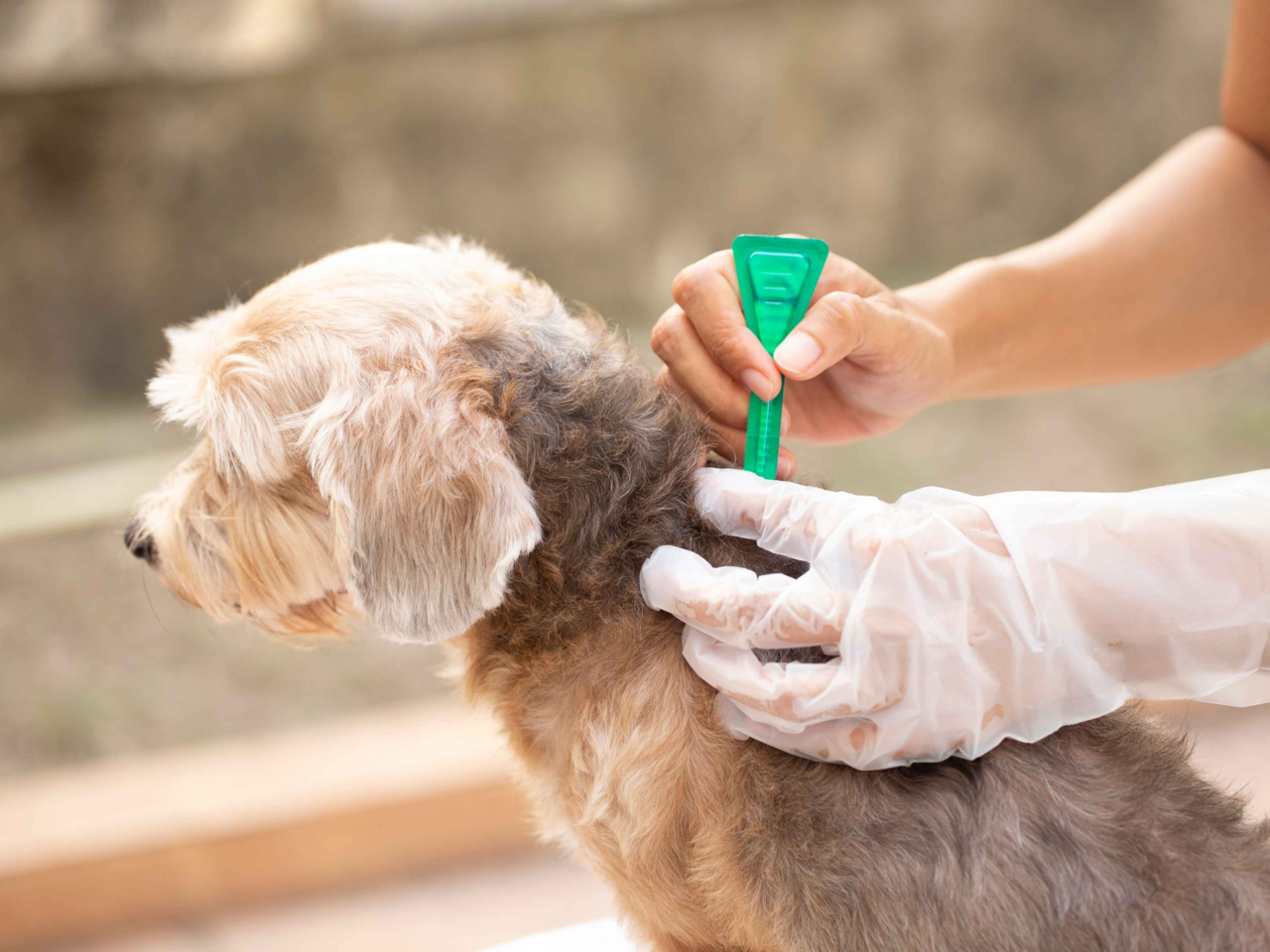
Fleas can be active throughout the year in New Zealand, but warmer spring conditions can speed up their life cycle. Use a species- and weight-appropriate treatment for every suitable cat and dog, keep doses on schedule and clean the home environment too. Remember that flea-free does not always mean worm-free because products cover different combinations of parasites.
Spring means longer walks, open windows and more time outdoors. It can also reveal a flea problem that has been building quietly. Adult fleas live and feed on pets, while eggs, larvae and pupae develop in carpets, bedding, furniture gaps and sheltered outdoor areas. Treating only the pet, or only the room, can leave part of the cycle untouched.
A steady prevention routine is usually easier than trying to catch up once several pets and rooms are involved.
Flea-free does not always mean worm-free
Fleas and worms are different parasites, and not every treatment covers both. Cats and dogs can develop flea tapeworm after swallowing an infected flea while grooming. Flea control helps reduce this risk, but a product without a specific tapeworm claim may not treat an existing infection. Check the current New Zealand label rather than assuming broad-spectrum means every parasite is covered.
Never use a dog flea product on a cat
Dog flea treatments can contain ingredients, including permethrin, that are dangerous to cats. Use only a product clearly labelled for your pet's species, age and weight. Keep cats away from recently treated dogs until the dog product's instructions say contact is safe. If a cat is exposed to a dog-only treatment, seek urgent professional advice.
Why fleas become noticeable in spring
Warmth and humidity support faster flea development. Heated homes can also keep the life cycle moving through winter, so spring is not always the true beginning of the problem. Instead, it may be when new adults emerge quickly enough for scratching and flea dirt to become obvious.
Fleas can arrive on visiting pets, wildlife or animals using shared outdoor spaces. Indoor cats are not automatically protected because people, other pets and the home environment can still provide a route.
Signs to check
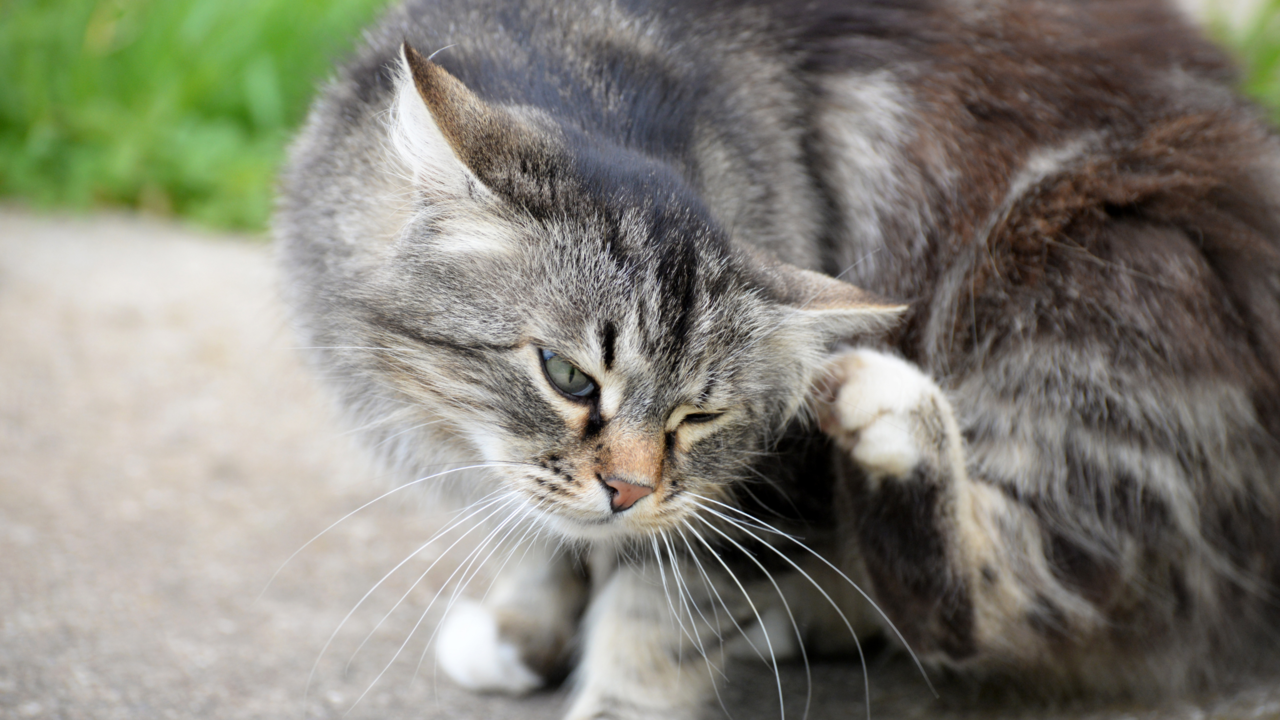
- Scratching, biting or overgrooming, especially around the tail base, neck and belly
- Small dark specks in the coat or bedding
- Red bumps, scabs or areas of thinning hair
- Restlessness or sudden sensitivity when the coat is touched
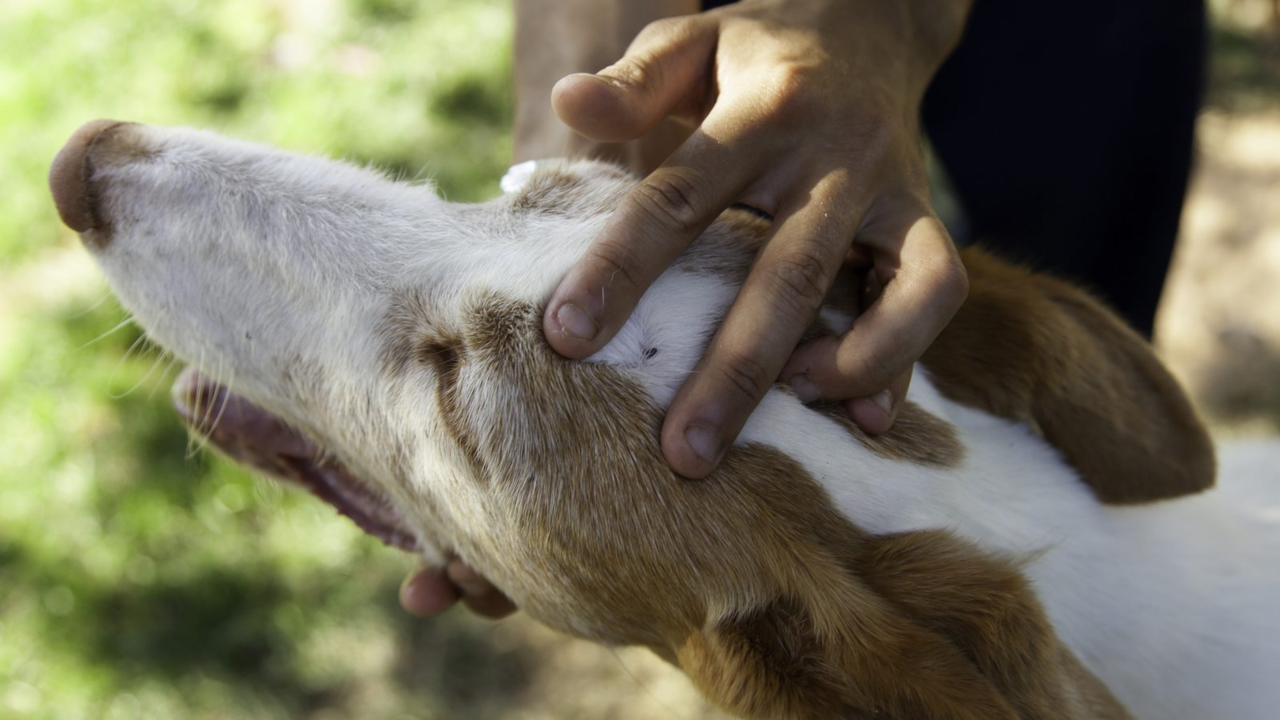
To check dark specks, place them on damp white tissue. Flea dirt can dissolve into a reddish-brown mark because it contains digested blood. Spring itch can also come from allergies, skin irritation or other parasites, so scratching alone does not prove fleas are the cause.
Choose a treatment that fits the pet
| Check | Why it matters |
|---|---|
| Species | Cat and dog products are not interchangeable. |
| Current weight | Weight ranges determine the correct pack and dose. |
| Minimum age | Young puppies and kittens may need a different option. |
| Parasite coverage | Some products cover fleas only, while others add ticks, mites or selected worms. Look for a specific tapeworm claim rather than assuming it is included. |
| Repeat interval | A late dose can create a window for adult fleas to reproduce. |
| Health and medication | Ask your vet before changing products if your pet has health conditions, is pregnant, is nursing or takes other medicines. |
Capstar is an example of a short-acting product that kills adult fleas but does not provide residual protection beyond 24 hours. That can be useful in a specific situation, but it is not a replacement for an ongoing prevention plan.
Popular flea and broad-spectrum options
Compare the current New Zealand label for species, weight, active parasite coverage and treatment interval before choosing. Broad-spectrum products do not all cover the same worms, so check each named parasite and pay particular attention to tapeworm.
Treat the household, not just one pet
- Treat every suitable cat and dog on the same day using species-appropriate products.
- Vacuum carpets, rugs, upholstery, skirting edges and vehicle areas where pets rest.
- Wash pet bedding on the warmest cycle allowed by its care label and dry it fully.
- Empty the vacuum outside straight away, especially during an active infestation.
- Repeat cleaning regularly while new adults emerge from protected pupae.
Using household sprays safely
Read the label before use. Remove pets from the area, with extra care for cats and fish, cover or relocate aquariums as directed, protect food and bowls, and ventilate thoroughly. Do not let pets return until treated surfaces are completely dry and the label says the room is safe to re-enter.
Common gaps that let fleas return
- Treating one pet but not the others
- Using the wrong weight band or missing a repeat date
- Stopping after the visible fleas disappear
- Ignoring bedding, furniture, car upholstery and favourite resting spots
- Assuming winter or indoor living means prevention is unnecessary
Heavy infestations can take time to settle because protected pupae may continue to emerge. Keep the prevention schedule consistent while cleaning the environment. If scratching, skin damage or flea dirt continues despite correct use, check the plan with your vet rather than adding extra doses.
Spring flea checklist
- Weigh each pet and confirm their treatment is in date.
- Check every pack says cat or dog clearly before opening it.
- Set the next dose reminder before putting the pack away.
- Wash bedding and vacuum sleeping zones.
- Check travel bags, cars and holiday accommodation routines too.
Stay ahead of the flea cycle
Choose prevention for your pet's species and weight, then keep the repeat date easy to remember. Eligible flea treatments can be added to Autodeliver. Up to 20% off Autodeliver orders.
Shop dog flea treatmentsShop cat flea treatments