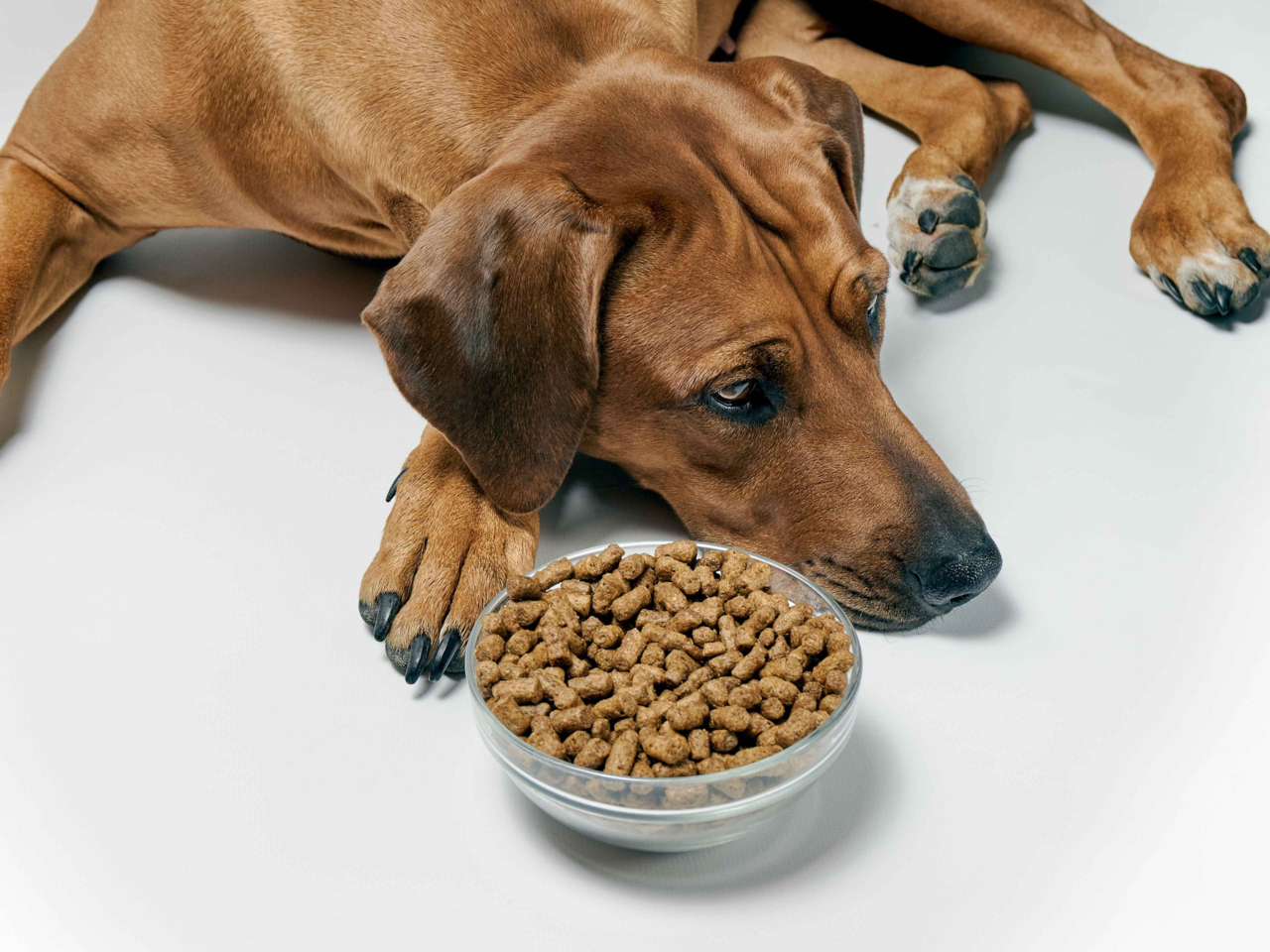
Here at Petdirect, we know how much you want your dog to feel their best – starting with what’s in their bowl. Food fuels everything, from playtime to paw-licking skin health. But what if your pup’s current diet isn’t quite right? Whether you’ve recently switched foods or your dog has been on the same formula for a while, there are telltale signs their tucker might not be ticking the right boxes. In this guide, we’ll walk you through 10 signs your dog’s food isn’t working for them and what you can do about it.
1. Dull Or Itchy Coat
If your dog’s coat has lost its shine or they’re scratching constantly without signs of fleas, it could be a lack of fatty acids or food sensitivities. A healthy coat is often a sign of a nutritious diet. You might consider switching to a formula with added Omega 3 & 6 or explore skin and coat supplements.
2. Frequent Tummy Upsets
Regular vomiting, diarrhoea or excessive gas aren’t just unpleasant; they’re a red flag. These symptoms could point to poor digestion or an intolerance to an ingredient. For sensitive tummies, foods like Royal Canin or Hill’s Prescription Diet offer gentle, nutritionally balanced options. You can also support digestion with dedicated digestive health products.
3. Excessive Shedding Or Hair Loss
Seasonal shedding is normal, but if your dog is losing fur in patches or more than usual, it may be an allergy or nutrient deficiency. Look for foods rich in high-quality proteins and omega fatty acids. NZ-made options like K9 Natural or ZIWI are packed with wholefood ingredients to support skin and coat from the inside out.
4. Weight Gain Or Loss
Noticing sudden changes in your dog’s shape? If they’re gaining weight despite the same portion size, their food may be too calorie-dense. Losing weight, however, could suggest they’re not getting essential nutrients or enough calories. Check portion guidelines or consider weight management foods formulated to help balance your dog's body condition.
5. Persistent Itching, Licking Or Red Skin
This could point to a food allergy or sensitivity, particularly to common ingredients like beef, dairy or wheat. Eliminating possible allergens and introducing a single-protein or hypoallergenic food – like those from Addiction or ACANA – can help calm skin flare-ups and reduce inflammation.
6. Low Energy Levels
Is your pup less excited for walkies than usual? If your dog seems lethargic, their food could be lacking in essential nutrients. High-quality fuel makes a big difference to energy levels. Check labels for complete and balanced formulas, or browse our science-led nutrition range designed to support active lifestyles.
7. Frequent Ear Infections Or Yeasty Odours
Ongoing ear infections, especially in dogs with floppy ears like Cocker Spaniels or Golden Retrievers, can be linked to diet-related inflammation. Foods high in sugar and carbohydrates may fuel yeast growth in sensitive dogs. Switching to a minimally processed, low-carb food like a freeze-dried or dehydrated option may help.
8. Refusing To Eat
Even dogs can lose their appetite if their food isn’t appealing or if they’re not feeling well. A sudden lack of interest in food warrants a closer look – along with a vet check to rule out medical issues. You can also entice fussy eaters with toppers and mixers or switch to a more palatable, protein-rich option from brands like Orijen.
9. Scooting Or Anal Gland Issues
Scooting is often a sign of anal gland discomfort, which can be related to fibre levels in their diet. Switching to a food with adequate fibre can help keep things moving smoothly – or consider adding natural digestive supplements formulated to support regularity.
10. Bad Breath Or Dental Issues
Food can impact dental health more than many realise. Poor-quality ingredients or sticky wet foods may lead to plaque buildup and pongy breath. Consider incorporating dental care treats and nutrition to support oral hygiene alongside regular brushing.
When It’s Time To Switch
If you’ve ticked off a few signs above, it might be time to reconsider your dog’s current diet. Making a gradual switch to a better fit is key – especially for dogs with sensitive tummies. Try phasing in the new food over 7–10 days. Our dog food collection has a variety of options catering to all breeds, sizes and health needs.
Need A Paw? We’re Here To Help
At Petdirect, we get pet. Our team of passionate, knowledgeable pet lovers are here to support you and your pup's nutritional journey. Check out our Autodeliver service for stress-free refills, enjoy exclusive rewards with Pet Perks.
Your dog deserves food that helps them thrive. Let’s fill their bowl with goodness!