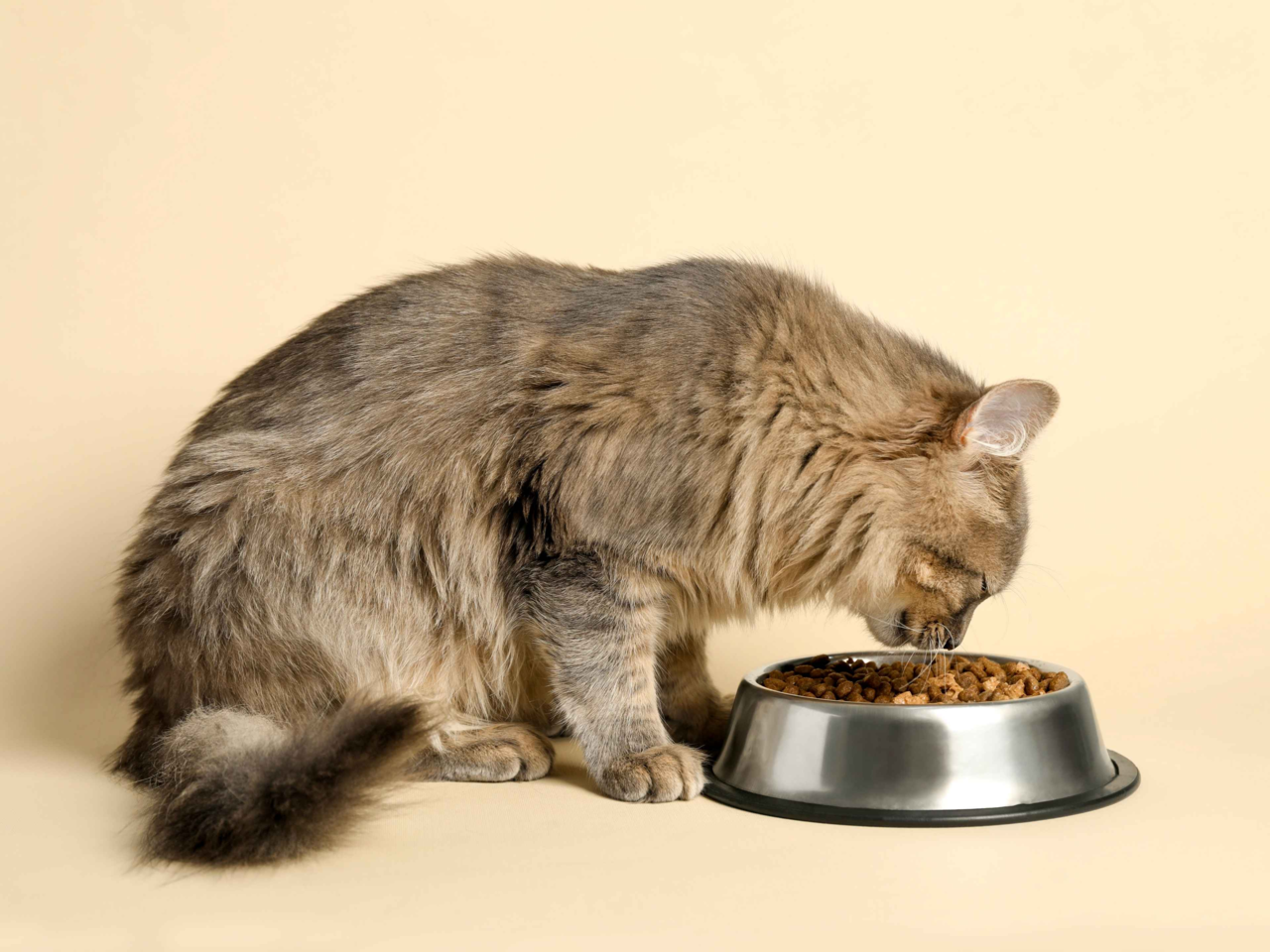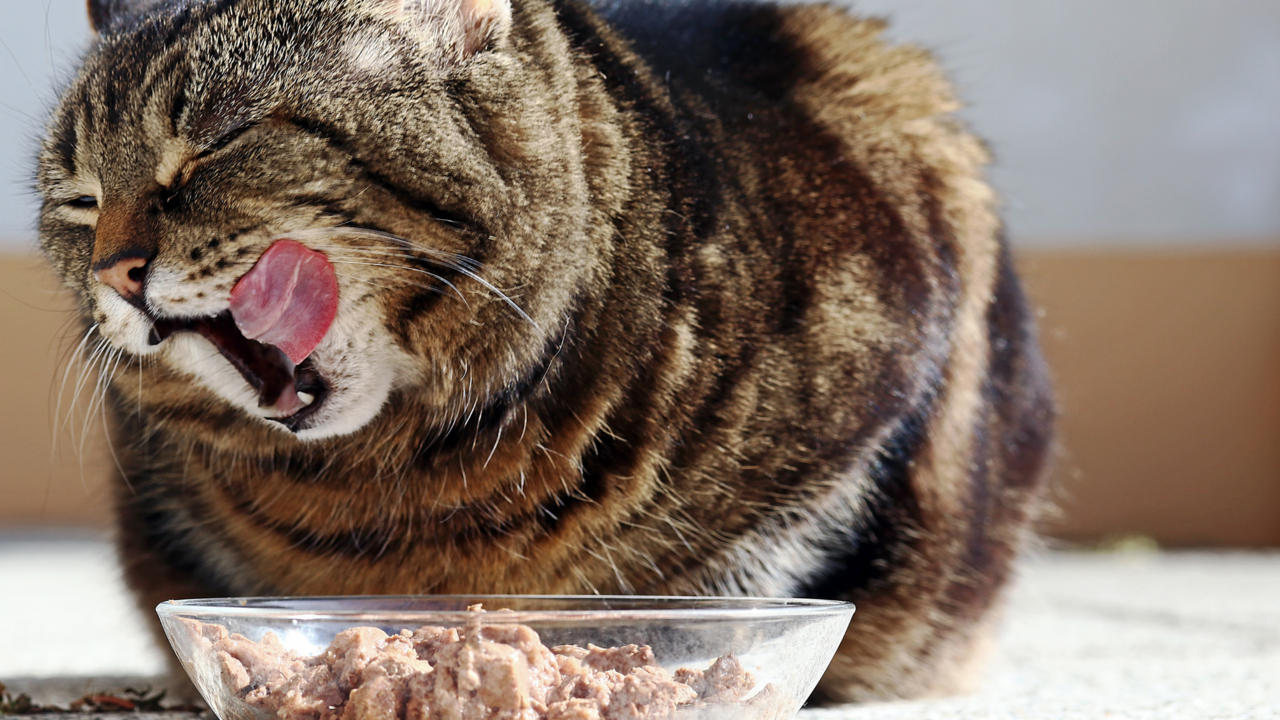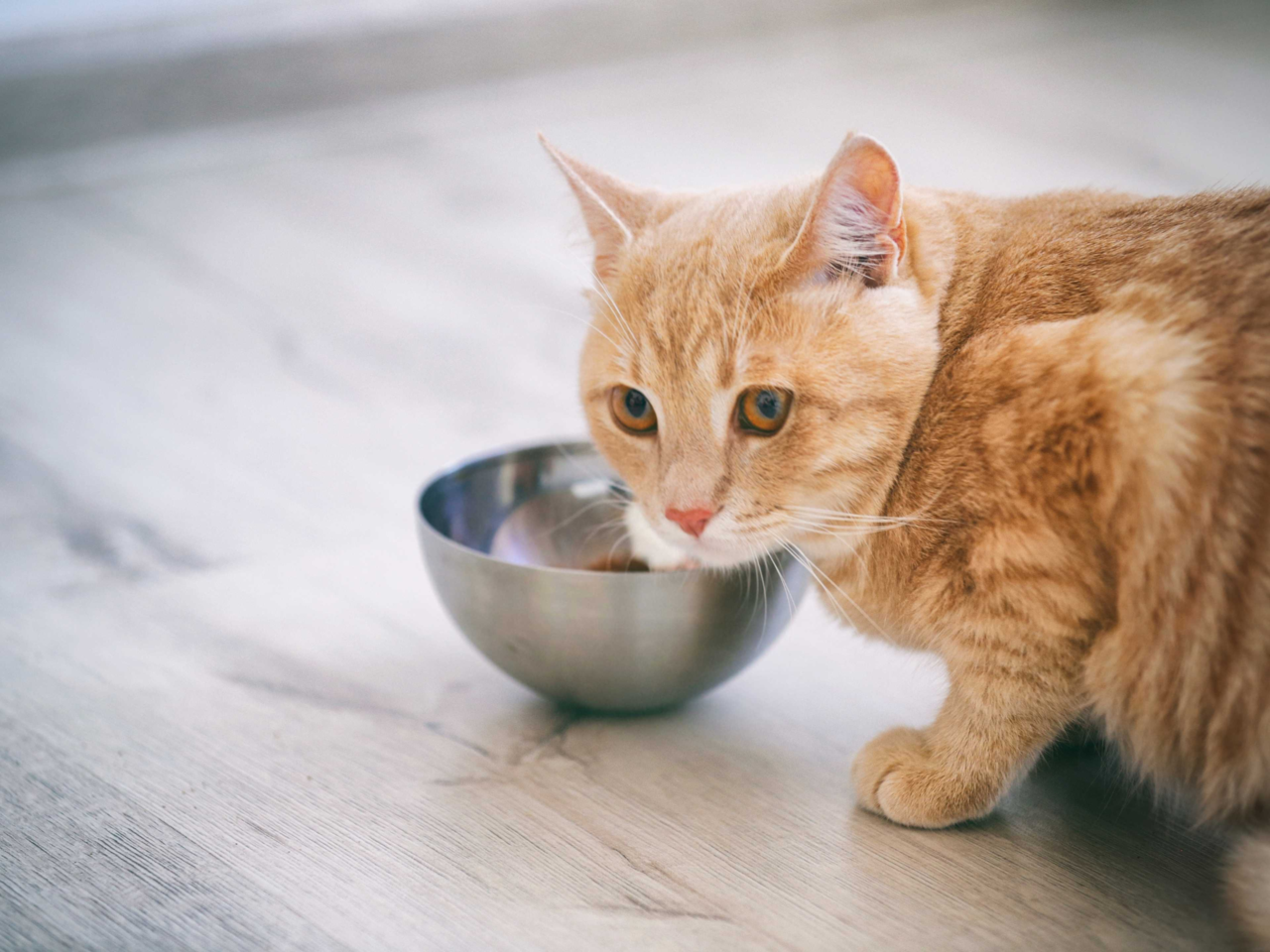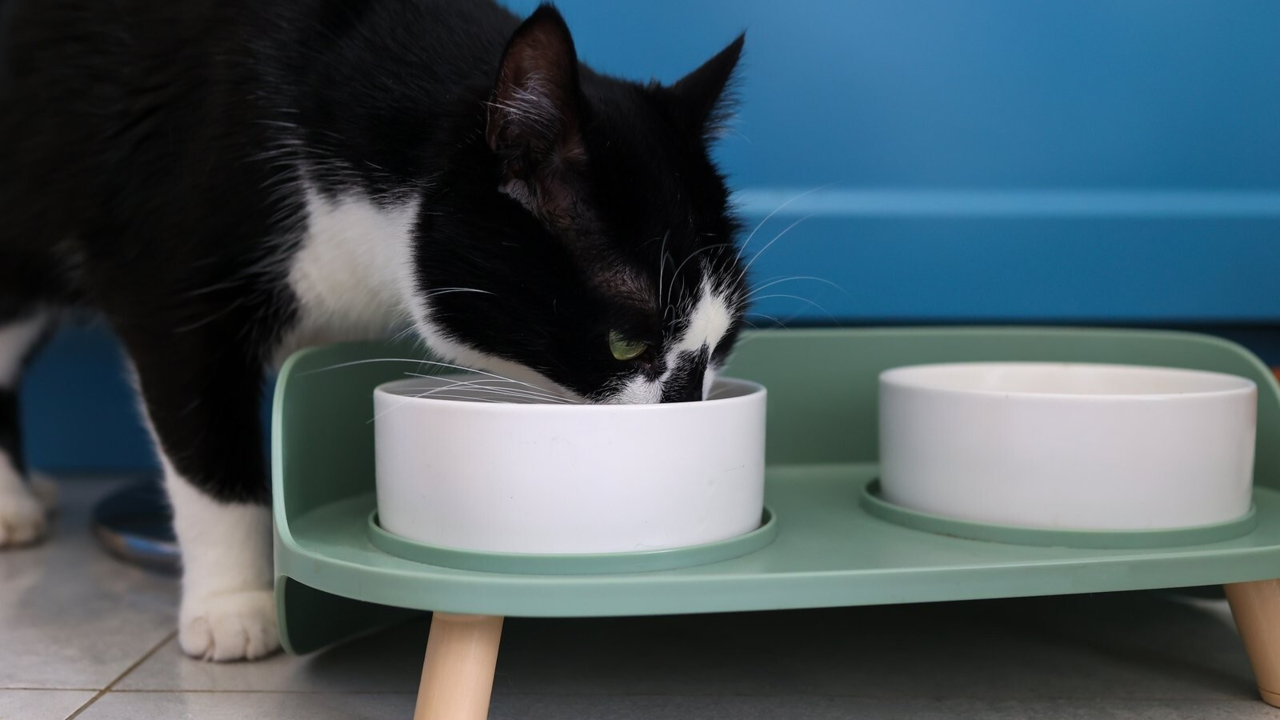
If your cat paws food out onto the floor, walks away from a full bowl, or seems fussier than their appetite suggests, the bowl itself might be the problem. Cats are sensitive about how and where they eat, and two things make a real difference: the height of the bowl and how wide and shallow it is. Get both right and mealtimes become calmer, cleaner and a lot less dramatic.
This is a quick, NZ-focused guide to raised and elevated cat bowls, the idea of whisker-friendly feeding, and how to pick the right setup for your cat.
Quick Answer
A raised or elevated cat bowl lifts the dish a few centimetres off the floor so your cat can eat in a more natural, comfortable posture without hunching down. Pairing that with a wide, shallow bowl helps avoid "whisker fatigue", where sensitive whiskers brush the sides of a deep, narrow bowl at every bite. For most cats, a shallow ceramic or stainless dish raised to around ankle height is the sweet spot. Elevated bowls suit older cats and neat eaters especially well, while wide saucers help fussy or food-flicking cats settle.
What Is Whisker Fatigue?
Whiskers are not just decoration. They are finely tuned sensors packed with nerve endings that help your cat judge space, movement and texture. When a cat eats from a deep, narrow bowl, those whiskers press and drag against the sides with every mouthful. Some cats barely notice, but sensitive cats find it genuinely off-putting.
The result can look like fussiness: pawing food onto the floor to eat it there, leaving food around the edges, or backing off a full bowl. A wide, shallow dish lets your cat eat without their whiskers touching the sides at all, which is where the term "whisker-friendly feeding" comes from.
Food flicking
Scooping kibble onto the floor to eat it away from the bowl is a classic sign the sides are crowding those whiskers.
Leaving the edges
Eating only from the middle and abandoning food around the rim often points to a bowl that is too deep or too narrow.
Pacing or hesitating
Approaching a full bowl, then walking away, can be about the bowl rather than the food, especially if appetite is otherwise normal.
Why Raise the Bowl?
Eating hunched over a bowl on the floor is not the most comfortable position, particularly for older cats or those with a bit of joint stiffness. Lifting the bowl a few centimetres brings the food closer to your cat's natural head height, so they can stand in a relaxed posture instead of crouching down.
Comfier posture
A slight lift lets your cat eat with a straighter neck and less crouching, which is kinder on ageing joints.
Tidier mealtimes
Raised bowls on a stand tend to slide around less and keep food and water in one spot rather than spread across the floor.
Better for slower eaters
A stable, slightly elevated setup suits calm, deliberate eaters and cats who like to take their time over a meal.
How high is high enough?
For cats, "elevated" means gentle. A rise of around 5 to 12 centimetres, roughly ankle height, is plenty. The goal is a small lift for comfort, not a tall stand, so your cat can still keep all four feet flat and their head in a natural position.
Best Raised & Elevated Cat Bowls
These lift the dish off the floor for a comfier posture and tidier feeding station. Ceramic and stainless are easy to clean and hold their place well.
Best Whisker-Friendly Wide & Shallow Bowls
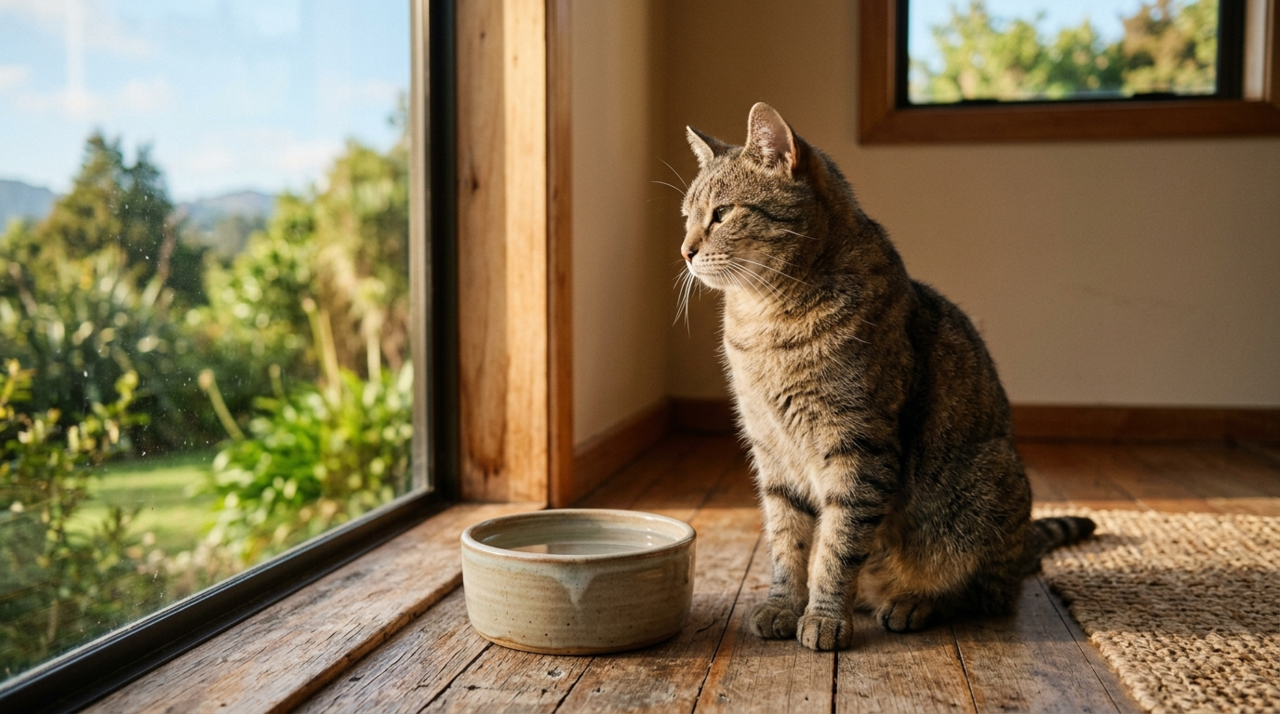
Wide, shallow dishes and saucers give whiskers room to spare, which suits fussy eaters and food flickers. A low ceramic saucer is often all a sensitive cat needs.
If you prefer a simple, sturdy everyday dish, a solid ceramic bowl still works well as long as it is wide enough that the sides sit clear of your cat's whiskers.
How to Choose the Right Bowl for Your Cat
A quick checklist
- Wide and shallow enough that whiskers never touch the sides.
- Raised to around ankle height (roughly 5 to 12 cm) for a comfy posture.
- Ceramic or stainless steel, which are easy to clean and stay hygienic.
- A non-slip base or stand so it stays put while your cat eats.
- Separate bowls for food and water, placed a little apart.
Material matters too. Ceramic and stainless steel are the easiest to keep clean and least likely to hold onto smells, and many cats prefer them to plastic. Whatever you choose, wash bowls daily and keep the water bowl away from the food so it stays fresh and appealing.
Multi-cat households
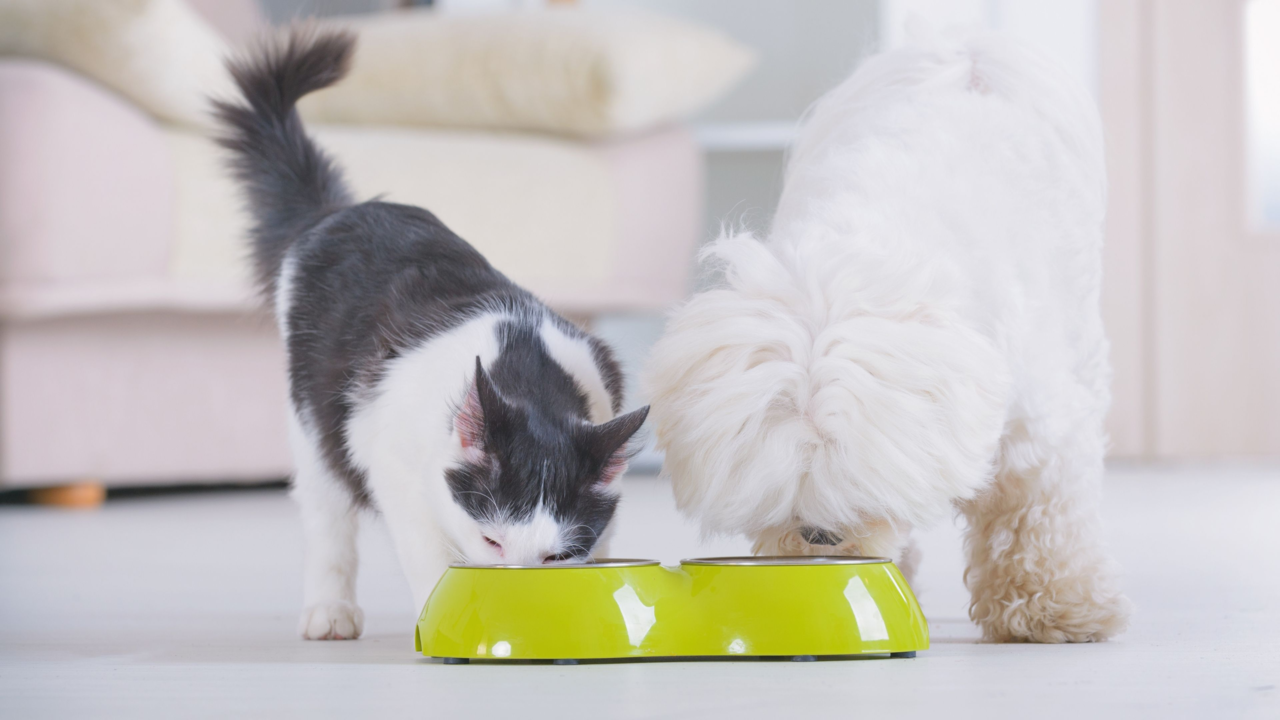
Cats like a little privacy at mealtimes, so give each cat their own bowl and set them slightly apart rather than side by side. If one cat tends to eat another's food, a microchip feeder that only opens for the right cat can keep everyone to their own dinner.
Frequently Asked Questions
Are elevated bowls good for cats?
For many cats, yes. A gentle lift of a few centimetres lets them eat in a more natural, comfortable posture with less crouching, which is especially helpful for older cats or those with stiff joints. Keep the height modest so all four feet stay flat.
What is whisker fatigue?
It is the discomfort some cats feel when their sensitive whiskers repeatedly brush the sides of a deep, narrow bowl while eating. Signs include pawing food onto the floor, leaving food around the edges, or backing off a full bowl. A wide, shallow dish usually solves it.
How high should a raised cat bowl be?
For cats, around 5 to 12 centimetres, roughly ankle height, is ideal. The aim is a small, comfortable lift rather than a tall stand, so your cat can keep a relaxed posture and stable footing.
Why does my cat paw food out of the bowl?
Food flicking is often a sign the bowl is too deep or narrow and crowding the whiskers, so your cat pulls the food out to eat it in the open. Switching to a wide, shallow saucer or dish usually stops it.
Ceramic, stainless or plastic, which is best?
Ceramic and stainless steel are the easiest to clean, resist odours and tend to be a cat favourite. Many cats are less keen on plastic, which can scratch and hold smells over time. Whatever the material, wash bowls daily.
Should food and water bowls be next to each other?
Cats often prefer their water a little away from their food. Placing the water bowl separately can encourage drinking and keep it cleaner. For a deeper look, see our guide on cats drinking less water below.
Cat Bowls & Feeders at Petdirect
From raised ceramic sets and wide whisker-friendly saucers to stainless dishes and microchip feeders, find the right feeding setup for your cat. Save on your regulars with Autodeliver, and enjoy everyday member pricing as part of Pet Perks.
SHOP CAT BOWLS & FEEDERS