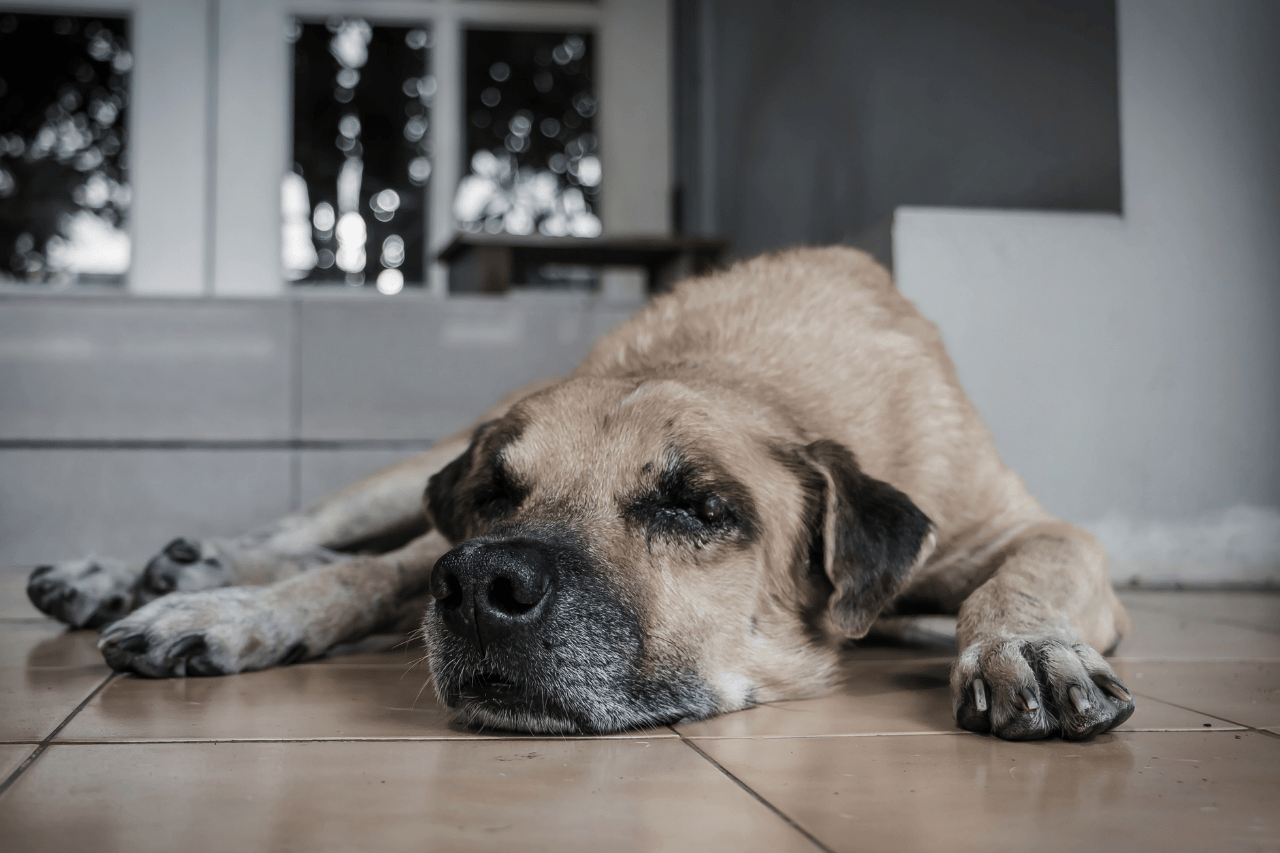
You're settling down for the night and your older dog starts pacing. Up, down, around the kitchen, into the hallway, back again. Maybe a bit of whining. Maybe a stop to stare at the wall before they start the loop again. If you've been here, you're not alone. Night-time pacing and restlessness is one of the most common (and most exhausting) changes Kiwi dog owners notice as their dog gets older.
The good news: there's almost always a reason behind it, and once you understand what might be going on, there's plenty you can do to help. This is a plain-English guide to what night-time pacing in older dogs might mean and how to make their nights (and yours) more settled.
Quick answer
Older dogs may pace and act restless at night for a few different reasons, including cognitive change, anxiety, joint pain, fading senses or an unsettled routine. It's most common in dogs over 9 and worth chatting through with your clinic, since some causes are treatable. A predictable bedtime routine, a comfortable supportive bed and calming aids can all help in the meantime.
What Night-Time Pacing Looks Like
It's rarely one big incident. More often it builds up gradually, then becomes the new normal. Common things owners notice:
Up and down repeatedly
Settling, then standing again. Walking a lap, lying down, then getting up again 10 minutes later. Often more pronounced in the small hours.
Wandering between rooms
Trips between bedroom, kitchen, hallway, sometimes for no obvious reason. They might check on you, then leave, then come back.
Whining or vocalising
Soft whining, occasional barks, or just heavier breathing. Some dogs also start panting more at night even when it isn't warm.
Pacing the same loop
Repeated walking in the same pattern, sometimes around furniture or in tight circles, can be a sign of disorientation rather than just restlessness.
Difficulty settling
Lying down, shuffling, getting up again. They might struggle to find a comfortable position, especially on a hard or worn bed.
Reversed sleep cycle
Sleeping more during the day and being more alert (or anxious) at night. A flipped sleep schedule is one of the most common signs of cognitive change.
Why It Happens
Pacing isn't usually about one thing. The most common causes in older dogs are:
Cognitive change
Often called canine cognitive dysfunction or doggy dementia. It can disrupt the sleep-wake cycle and leave dogs feeling unsettled or disoriented at night. It's most common in dogs over 9.
Joint pain or stiffness
Arthritis often feels worse at night when dogs settle on a cold floor or a flat bed. They might pace because they can't get comfortable.
Anxiety
Senior dogs can become more anxious as they age, especially if their senses fade. The dark and quiet of night can feel disorienting in ways daytime doesn't.
Fading senses
Vision and hearing changes can make dogs feel less sure of where they are at night. Pacing is sometimes their way of orienting themselves.
Toilet needs
Older dogs sometimes need to go more often. Pacing near a door or whining might be a quiet "I need to go out" before it becomes an accident inside.
Underlying health changes
Things like increased thirst, blood pressure changes or pain from other conditions can all show up as restlessness. These are worth getting checked.
Other Signs Worth Watching For
If your dog is pacing at night, look out for any of these alongside. The more you spot, the clearer the picture becomes for your clinic.
Disorientation in familiar places
Getting stuck in corners, staring at walls, going to the wrong door, or seeming confused in their own home.
Stiffness or hesitation
Slow to get up, hesitating before stairs, or stiffness after lying down can all point to joint discomfort.
New toilet accidents
Wetting overnight, going inside when they used to ask, or asking to go out more often.
Drinking more water
A noticeable increase in thirst is one of the most common early signs of changes worth getting checked.
Less interest in interaction
Less excited to greet you, less interested in their favourite people, or the opposite, becoming much more clingy.
Appetite or weight changes
Eating less, eating more, or losing weight despite a steady appetite are all worth flagging.
What You Can Do at Home
The aim is to make their evening and night feel safe, predictable and comfortable. A few small changes can make a big difference.
Predictable bedtime routine
Same wind-down each evening: a final toilet trip, a calm short walk, a small late meal, then bed. Routine reduces anxiety and gives clear cues that it's sleep time.
Soft, supportive bed
An older dog often needs more cushioning than they used to. A calming or orthopaedic bed in a quiet familiar spot helps them settle and stay comfortable.
Same bed in the same place
Avoid moving their bed around. Older dogs do better when they know exactly where to go when it's time to settle.
Nightlights along their path
A few low-watt nightlights down the hallway and to the back door help dogs with fading sight or confusion at night.
Late evening toilet trip
A final outdoor toilet trip just before bed reduces the chance they'll wake up needing to go out at 3am.
Keep the home warm enough
Older dogs feel the cold more. A warm room, a cosy blanket, and a bed off the floor all help, especially during winter.
Calm evening enrichment
A short lick mat session or gentle puzzle feeder before bed gives them something to focus on and helps wind them down. Avoid high-energy play late in the evening.
Soft background noise
White noise, a fan, or soft music can mask outside sounds that might trigger night-time alertness. Some dogs settle faster with steady ambient sound.
Gentle reassurance
A calm voice from your room can settle some dogs without needing to get up. Avoid bright lights or full attention, which can wake them more.
Comfortable Beds for Restless Sleepers
The right bed can make a real difference for an older dog who's struggling to settle. Look for soft cushioning, raised edges for that "tucked in" feeling, and a size that lets them stretch out fully.
Calming Aids That May Help
Calming products are a sensible first step alongside a settled routine. Always check with your clinic before adding supplements, especially if your dog is on medication.
Joint Support and Senior Wellness
If joint discomfort is part of the picture, a joint supplement and a senior-appropriate diet can help your dog feel more comfortable through the night.
Gentle Wind-Down Enrichment
A short, easy enrichment session in the evening can help tire your dog mentally and ease them into sleep. Keep it slow-paced and rewarding.
When to Get a Check-Up
Reach out to your clinic if any of these are happening:
- Pacing or restlessness has appeared suddenly or is getting worse
- Your dog seems disoriented, anxious or distressed
- They're drinking noticeably more water than usual
- They've lost or gained weight without an obvious reason
- They're showing signs of stiffness, pain or hesitation
- You're noticing toilet accidents or other changes alongside
- The lack of sleep is affecting their (or your) quality of life
Your clinic can help work out whether something treatable is going on, or whether it's more likely cognitive or behavioural. The earlier you get a check, the more options you have.
Frequently Asked Questions
Why is my old dog suddenly restless at night?
A sudden change in night-time behaviour is worth getting checked. Common causes include cognitive change, joint pain, anxiety, fading senses, or an underlying health issue. Some are treatable, so getting your dog seen early gives you more options.
At what age does cognitive change start in dogs?
Most dogs start showing early signs from around 9 years onwards. Smaller breeds may not show signs until 12+, and giant breeds can start earlier (from around 7).
Can pacing in older dogs be due to pain?
Yes, joint pain is a common cause of night-time restlessness in older dogs. They may struggle to find a comfortable position, especially on a thin or worn bed. Stiffness and hesitation alongside pacing are signs worth flagging.
What's the best bed for a restless senior dog?
A soft, supportive bed with cushioning and a sense of being tucked in is usually a good fit. Calming-style beds with raised edges work well for dogs who like to curl, while orthopaedic-style beds suit dogs who like to stretch out.
Can I give my dog something to help them sleep?
Calming aids like pheromone diffusers, calming chews and calming coats can all help. Avoid giving human sleep aids. Always chat with your clinic before adding supplements, especially if your dog is on medication or has any health conditions.
Should I let my dog into my bedroom at night?
For many anxious or unsettled senior dogs, sleeping near their family helps them feel secure. Whether they're in your room, just outside it, or have a cosy bed in a quiet corner is up to you, just keep it consistent.
How long does night-time pacing usually last?
It varies. Some dogs settle once the cause is addressed (eg, switching to a more supportive bed, starting a joint supplement, treating an underlying health change). Others need ongoing support. A check-up is the best first step to working out what's going on.
Help Your Senior Dog Settle at Night
From comfortable supportive beds to calming aids, joint supplements and senior-appropriate food, find everything you need to support your older dog's nights. Save with Autodeliver on regular orders and enjoy everyday member pricing with Pet Perks.
SHOP SENIOR DOG ESSENTIALSRelated Reading
Cognitive Decline in Senior Dogs: Signs, Support and Tips
Is Your Dog Getting Lost in the House? Understanding CCD
Top Tips to Calm Night-Time Restlessness in Dogs and Cats
Joint Health for Senior Dogs: The Complete NZ Supplement Guide
5 Early Warning Signs Your Dog Is Ageing Faster Than You Think

Best Senior Dog Food NZ: Top Picks for Older Dogs