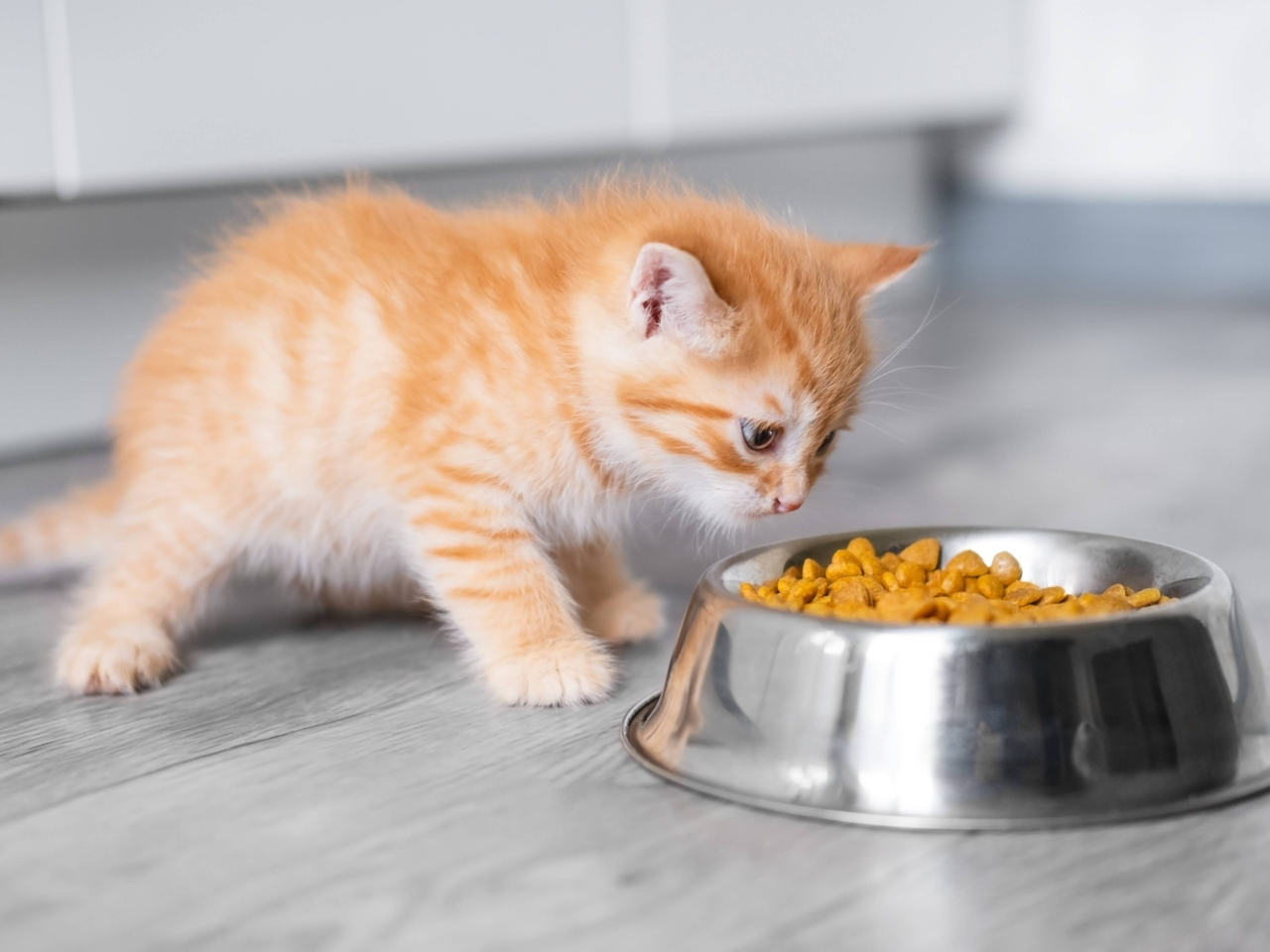
Raising a healthy, happy kitten starts with the right nutrition — but even the most loving pet parents can slip up when it comes to feeding. At Petdirect, we get pet, and we know that a well-fed kitten grows into a confident, playful cat. So whether you're a first-time cat parent or a seasoned feline fan, here are the top 5 kitten food mistakes to avoid, and how to set your floofy friend up for lifelong wellness with smart, vet-informed choices.
1. Feeding Adult Cat Food Too Soon
One of the most common mistakes is switching to adult cat food before your kitten is ready. Kitten food is specially formulated with higher levels of protein, fat, and essential nutrients to fuel rapid growth and development. Adult food simply doesn't provide what growing kittens need.
Most kittens should stay on kitten food until they’re around 12 months old, depending on their breed and size. If you’re unsure, check with your vet to determine the right time for the transition.
Explore high-quality options from trusted brands like Hill's Science Diet, Royal Canin, and Feline Natural — all designed to meet your kitten’s nutritional needs, right from the start.
2. Overfeeding (Or Underfeeding)
It’s easy to misjudge how much food your kitten actually needs. Overfeeding can lead to unhealthy weight gain, while underfeeding can affect energy levels, immunity, and growth. Kittens need to be fed more frequently than adult cats — usually 3 to 4 small meals per day up to 6 months old, then gradually reduce to 2 meals daily as they mature.
Always follow the feeding guide on your kitten food packaging, but keep in mind it’s just that — a guide. Monitor your kitten’s body condition and adjust accordingly. If all of this feels a bit much to track, setting up Autodeliver can help you maintain a consistent feeding routine, with nutritious food arriving right on schedule.
3. Offering Too Many Treats
We know — those big kitten eyes are hard to resist. But too many treats can spoil your kitten’s appetite and throw off nutritional balance. Treats should make up no more than 10% of their daily calorie intake.
Opt for natural kitten treats that contain quality ingredients and support aspects like dental health or digestion. Treat time is a great way to build your bond — just keep it healthy and measured.
4. Not Providing Fresh Water
Hydration is just as important as nutrition, especially for kittens that eat dry food. Lack of water can contribute to issues like urinary tract problems later in life. Make sure your kitten always has access to fresh, clean water in a bowl or, even better, a cat water fountain to encourage drinking.
If your kitten doesn’t seem to drink much, try offering wet food as part of their diet, or add a splash of warm water to kibble to boost moisture intake.
5. Skipping Gradual Food Transitions
Whether you're introducing solid food for the first time or changing to a new brand or flavour, always transition slowly over 7–10 days. Sudden changes can upset your kitten’s tummy and cause diarrhoea or vomiting.
Start with 75% of the old food mixed with 25% of the new, then gradually adjust the ratio each day. Pay attention to how your kitten responds — if you notice digestive troubles, slow down the transition. You can also offer digestive support supplements designed to help maintain gut health during food changes.
Feed Smarter, Grow Stronger
Getting your kitten’s nutrition right from day one sets the foundation for a healthy, vibrant adult cat. Avoiding these feeding mistakes — and choosing the best-suited kitten food for their needs — can make all the difference in your little fluffball’s development.
At Petdirect, we’re proud to offer top-quality kitten food, handy starter packs, and expert advice to support you at every step. Plus, take advantage of our Pet Perks loyalty programme while you shop.
We get pet, and we’re here to help you give your kitten the best start in life. Ready to upgrade your feeding routine? Explore our full Kitten Shop now!