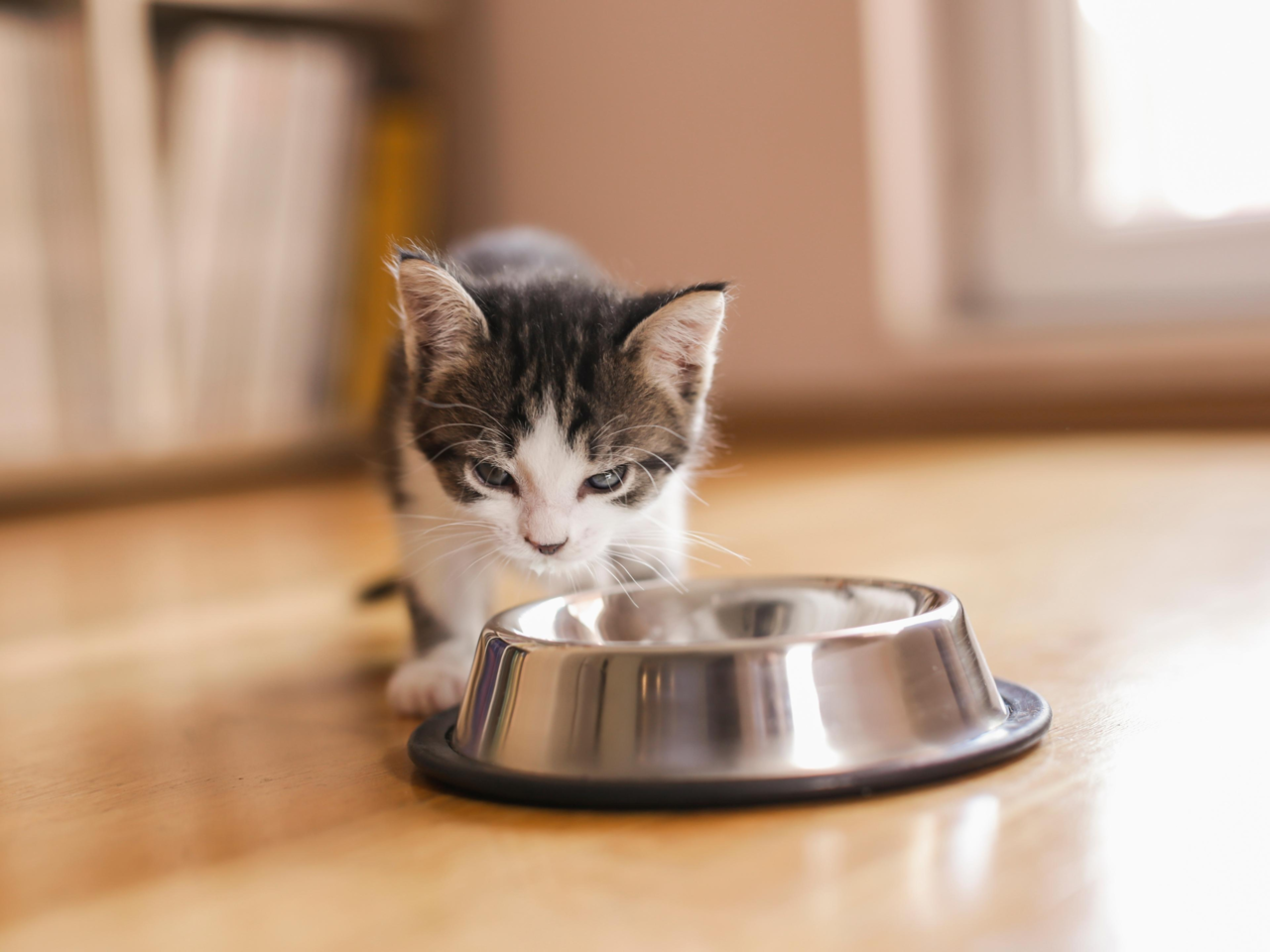
Bringing home a tiny purring furball? Whether it's your first kitten or your fifth, feeding is one of the most important parts of keeping your new feline friend healthy and happy. In their first year, kittens grow incredibly fast, and feeding them the right food at the right times is key to development. At Petdirect, we get pet — and we’re here to walk you through a complete kitten feeding schedule that’ll have your kitty purring with satisfaction from day one to year one.
Newborn To 4 Weeks: Milk Only, Please
During their first four weeks, kittens are all about the milk. If the mother cat is available, she’ll provide all the nourishment. But in cases of orphaned kittens or mums who can’t nurse, you’ll need to step in with a quality kitten milk replacement. Never feed cow’s milk—it can upset their delicate tummies. Instead, choose a formula designed for kittens, following the instructions on the packaging for mixing and feeding frequency. Typically, you’ll feed every 2–3 hours, even overnight.
4 To 8 Weeks: Introducing Solids
Around four weeks old, your kitten’s little teeth will start poking through, making it the perfect time to introduce semi-soft food while still supplementing with formula. You can mix kitten food with milk replacer or water to create a soft gruel. Try this a few times a day, gradually increasing solids and reducing bottle feeds. By 8 weeks, most kittens should transition fully to kitten food and fresh water in their bowl.
Having the right gear helps too! Check out our wide range of cat bowls and feeders to make mealtime a breeze (with less mess!).
8 Weeks To 6 Months: Frequent Kitten Meals
This is the golden stage of growing. Kittens need more nutrients than adult cats—they’re bounding with energy and building strong muscles and bones. Keep a regular feeding schedule of 3–4 meals a day. Choose high-quality food made for kittens, like Royal Canin or Pro Plan, which are formulated for this critical growth phase.
Wet or dry? A mix of both is ideal. Wet food helps with hydration and is often easier for sensitive stomachs, while dry food can support dental health. Explore our full range of cat and kitten food options tailored to their needs.
6 To 12 Months: Transition To Twice-A-Day Feeding
From six months onward, your kitten will begin to slow down their growth a bit—though their cheeky energy? Not so much! You can move to two meals per day, keeping portion sizes suited to their weight and energy needs. Keep feeding kitten-specific food until they’re around 12 months old.
Monitor your kitten’s condition during this stage. Too skinny and they may need larger meals; too pudgy and it might be time to review treats or portion control. If you're unsure, a chat with your local vet can help fine-tune your feeding plan.
Tips For Healthy Feeding Habits
- Always provide fresh water—smart pet fountains can encourage fussy drinkers.
- Stick to meal times to promote routine and curb overeating.
- Portion according to age, weight, and the food’s nutrition guide.
- Use a smart feeder to automate feeding times if you’re away during the day.
- Remember: treats are great for training but should be no more than 10% of their daily diet. Explore healthy cat treats that your kitten will love.
From Curious Kitten To Confident Cat
Feeding your kitten the right way in their first year supports a lifetime of good health. Like little sponges, they’re soaking up nutrients (and knowledge), and a consistent, balanced feeding routine goes a long way in setting up that purr-fect foundation. At Petdirect, we’re with you every paw-step of the way. From vet-trusted food to starter essentials, join our Pet Perks loyalty programme and unlock rewards while caring for your new furry family member.
Ready to fill their bowl with love (and nutrition)? Browse our handpicked wet food favourites and dry food options—because growing up never tasted so good.
We get pet. And we get kittens.