Whether your cat has always lived indoors, spent their days roaming the garden, or somewhere in between, their needs change as they get older. A cat that once loved exploring outside may start spending more time at home. An indoor cat that was always active may slow down and need a bit more encouragement to stay engaged.
Understanding how your senior cat's lifestyle affects their health helps you make the right adjustments at the right time. This guide covers the key differences between caring for indoor and outdoor senior cats, and how to adapt as your cat ages. For a broader look at the indoor vs outdoor debate, see our guide to indoor vs outdoor cats in NZ.
How Ageing Affects Indoor and Outdoor Cats Differently
Both indoor and outdoor cats face age-related changes, but the challenges they encounter can be quite different.
Indoor senior cats
Indoor cats tend to live longer on average because they are protected from traffic, predators, and disease. But they are more prone to weight gain, boredom, and muscle loss as they age. Without enough stimulation, indoor seniors can become sedentary, which puts extra strain on their joints and can lead to behavioural changes.
Outdoor senior cats
Outdoor cats stay naturally active for longer, but they face higher risks from injuries, parasites, extreme weather, and encounters with other animals. As they age and slow down, they become more vulnerable to these dangers. Many outdoor cats gradually transition to spending more time indoors as they get older.
Nutrition: Indoor vs Outdoor Senior Cats
One of the biggest differences between indoor and outdoor senior cats is how many calories they need. Indoor cats are generally less active and burn fewer calories, so they need a food that helps maintain a healthy weight without sacrificing nutrition. Outdoor cats that are still active may need a higher-calorie diet to fuel their movement.
Best food for indoor senior cats
Indoor senior cat foods are formulated with fewer calories, more fibre to help with hairballs, and added nutrients to support joint health and digestion. Brands like Royal Canin, Hill's Science Diet, and ACANA all offer indoor-specific formulas. For more detail, see our best indoor cat food guide and our senior indoor cat nutrition guide.
Best food for outdoor senior cats
Outdoor senior cats that are still reasonably active may do well on a standard senior formula with slightly higher protein and fat to support their energy needs. As they slow down, you may need to gradually transition to a lighter formula to prevent weight gain. Look for foods with added omega-3s and joint-supporting nutrients.
Whether your cat lives indoors or outdoors, wet food is a great addition to their diet. It helps with hydration, which is especially important for older cats whose kidney function may be declining. For more on choosing the right food, see our guide to signs your senior cat may need a new diet.
Keeping Indoor Senior Cats Active and Stimulated
Indoor cats rely entirely on their home environment for exercise and mental stimulation. As they age, it is important to keep things interesting without overdoing it.
Gentle play sessions
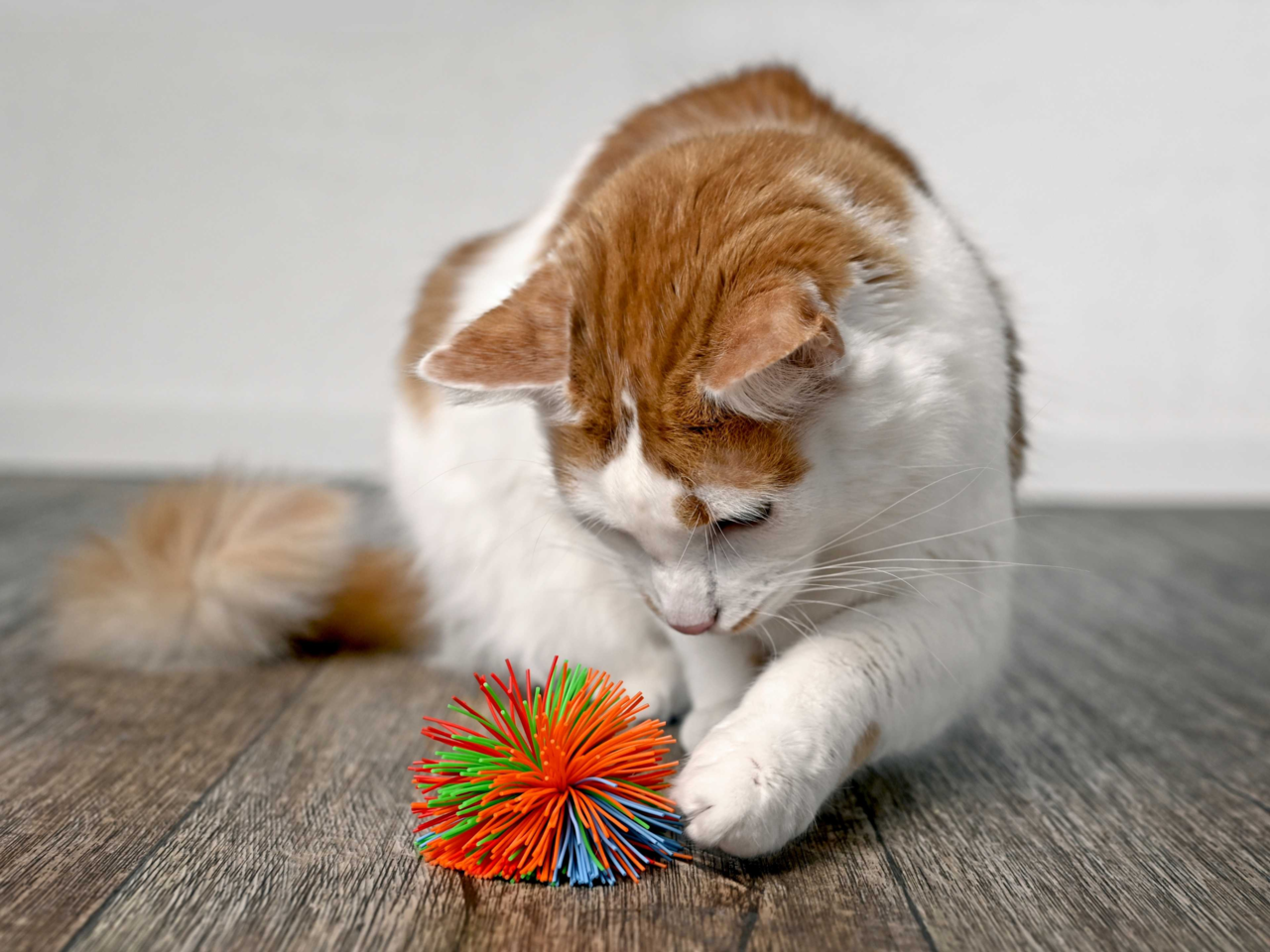
Short, low-energy play sessions with a wand toy or a slow-rolling ball help maintain muscle tone and joint flexibility. Even five minutes a couple of times a day makes a difference.
Puzzle feeders
Puzzle feeders and food-dispensing toys encourage your cat to work for their food, keeping their mind active and slowing down eating. This is especially helpful for indoor cats prone to weight gain.
Vertical space
Even senior cats enjoy being up high. Cat trees with low, easy-to-reach platforms, window perches, and shelves give them places to climb and observe without needing to make big jumps.
Window watching
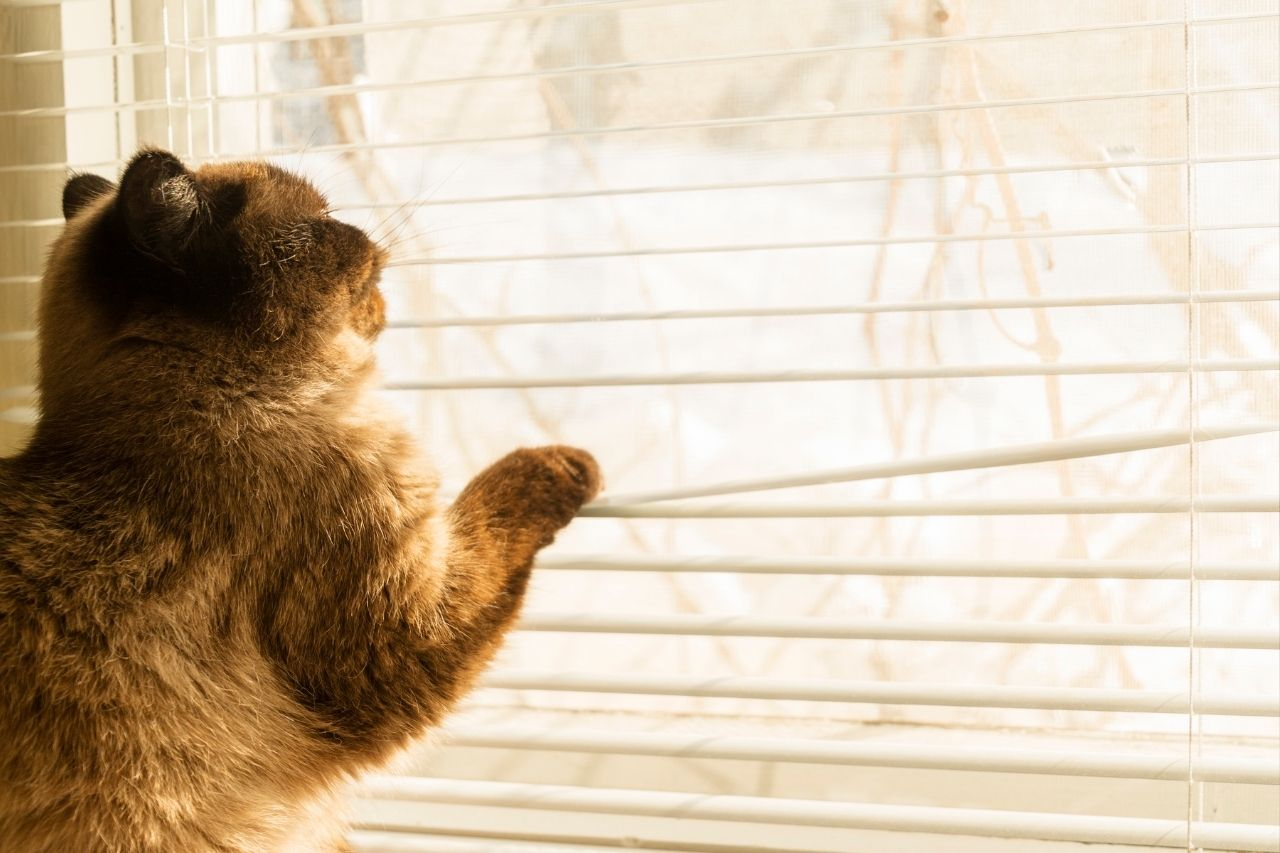
A comfortable spot by a window gives your indoor cat a view of the outside world. Bird feeders placed near windows can provide hours of entertainment for a cat that can no longer go outside.
Rotation of toys
Cats lose interest in the same toys over time. Rotating toys in and out every week or two keeps things fresh and encourages your cat to stay engaged.
Warm, cosy resting spots
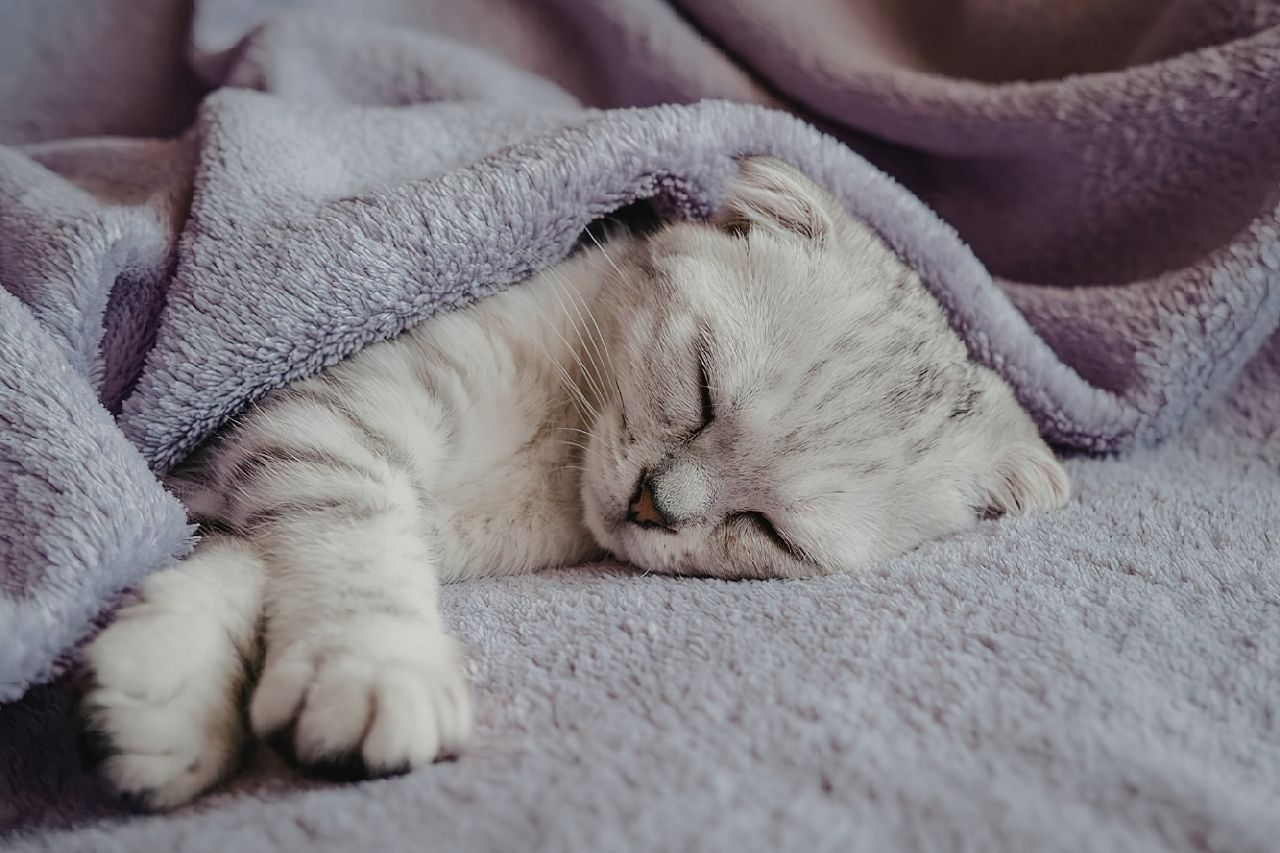
Senior cats sleep more and feel the cold more easily. A warm bed in a quiet, draught-free spot helps them rest comfortably. Calming beds with raised edges give them a sense of security.
For more ideas, see our guide to daily enrichment ideas for senior cats and how to keep indoor cats active.
Adjusting Care for Outdoor Cats Coming Inside
Many outdoor cats naturally start spending more time indoors as they age. If your cat is making this transition, a few adjustments can help them settle in comfortably.
Set up a litter tray
If your cat has always gone outside, they may need time to adjust to using a litter tray. Place it in a quiet, easy-to-access spot and use a low-sided tray that is easy for stiff joints to step into.
Create indoor territory
Outdoor cats are used to having a large territory. Give them their own spaces indoors with a comfortable bed, a scratching post, and a spot where they can observe the room from a slight height.
Provide fresh water
Outdoor cats often drink from puddles, streams, or garden taps. Indoors, a water fountain can encourage them to drink more by mimicking the running water they are used to.
Comfort and Safety for Senior Cats
Whether your cat lives indoors, outdoors, or a bit of both, there are some universal adjustments that help keep senior cats comfortable.
Joint support
Arthritis is common in older cats regardless of lifestyle. Joint supplements can help maintain mobility and reduce stiffness. A senior-appropriate diet with added omega-3s also supports joint health from the inside out. See our guide to joint care for senior cats.
Flea and parasite protection
Outdoor cats are at higher risk, but indoor cats can still pick up fleas from other pets, visitors, or open windows. Year-round protection is important for all senior cats. NexGard Spectra and Seresto collars are popular options.
Stress management
Older cats can be more sensitive to changes in their environment. Feliway diffusers release calming pheromones that help reduce stress, which is especially useful during transitions like moving indoors or introducing new routines.
Regular health checks
Senior cats benefit from more frequent vet visits. Conditions like kidney disease, hyperthyroidism, and dental problems are common in older cats and are easier to manage when caught early.
Frequently Asked Questions
Should I bring my outdoor cat inside as they get older?
It depends on your cat and your situation. Many outdoor cats naturally start spending more time indoors as they age. If your cat is slowing down, has health issues, or is at risk from traffic or other animals, transitioning them to a mostly indoor lifestyle can help keep them safe and comfortable.
Do indoor cats age differently to outdoor cats?
Indoor cats tend to live longer because they are protected from external risks. However, they can be more prone to weight gain and boredom-related issues. Outdoor cats stay naturally active but face higher risks from injuries, parasites, and weather. Both need adjusted care as they age.
What food is best for an indoor senior cat?
Indoor senior cat foods are lower in calories and higher in fibre to help with weight management and hairballs. Look for formulas with added joint support and omega-3 fatty acids. Royal Canin Indoor 7+, Hill's Science Diet Adult 7+ Indoor, and ACANA Indoor Entree are all good options.
Do indoor cats still need flea treatment?
Yes. Indoor cats can still pick up fleas from other pets, visitors, or even through open windows and doors. Year-round flea protection is a good idea for all cats, regardless of whether they go outside.
How can I help my outdoor cat adjust to being indoors?
Make the transition gradual. Set up a litter tray, provide plenty of enrichment like puzzle feeders and window perches, and create cosy resting spots. A water fountain can help replicate the running water they are used to outdoors. Feliway diffusers can also help reduce stress during the adjustment period.
How do I keep my indoor senior cat from getting bored?
Rotate toys regularly, offer puzzle feeders, set up a window perch for bird watching, and schedule short, gentle play sessions each day. Even small changes to their environment, like moving a bed to a new sunny spot, can provide mental stimulation.
Everything Your Senior Cat Needs
From indoor-specific food and joint supplements to calming diffusers and cosy beds, find everything to keep your older cat happy and healthy.
SHOP SENIOR CAT FOODRelated Reading
Indoor vs Outdoor Cats in NZ: Pros, Risks and How to Keep Your Cat Safe
Best Indoor Cat Food Guide: Nutrition, Tips and Top Brands
Senior Indoor Cat Nutrition Guide for Healthy Ageing
Joint Care for Senior Cats: Supplements and Support Options in NZ
Daily Enrichment Ideas for Senior Cats: Keep Older Cats Happy and Healthy
Senior Cat Care: Signs Your Older Cat Needs Extra Support