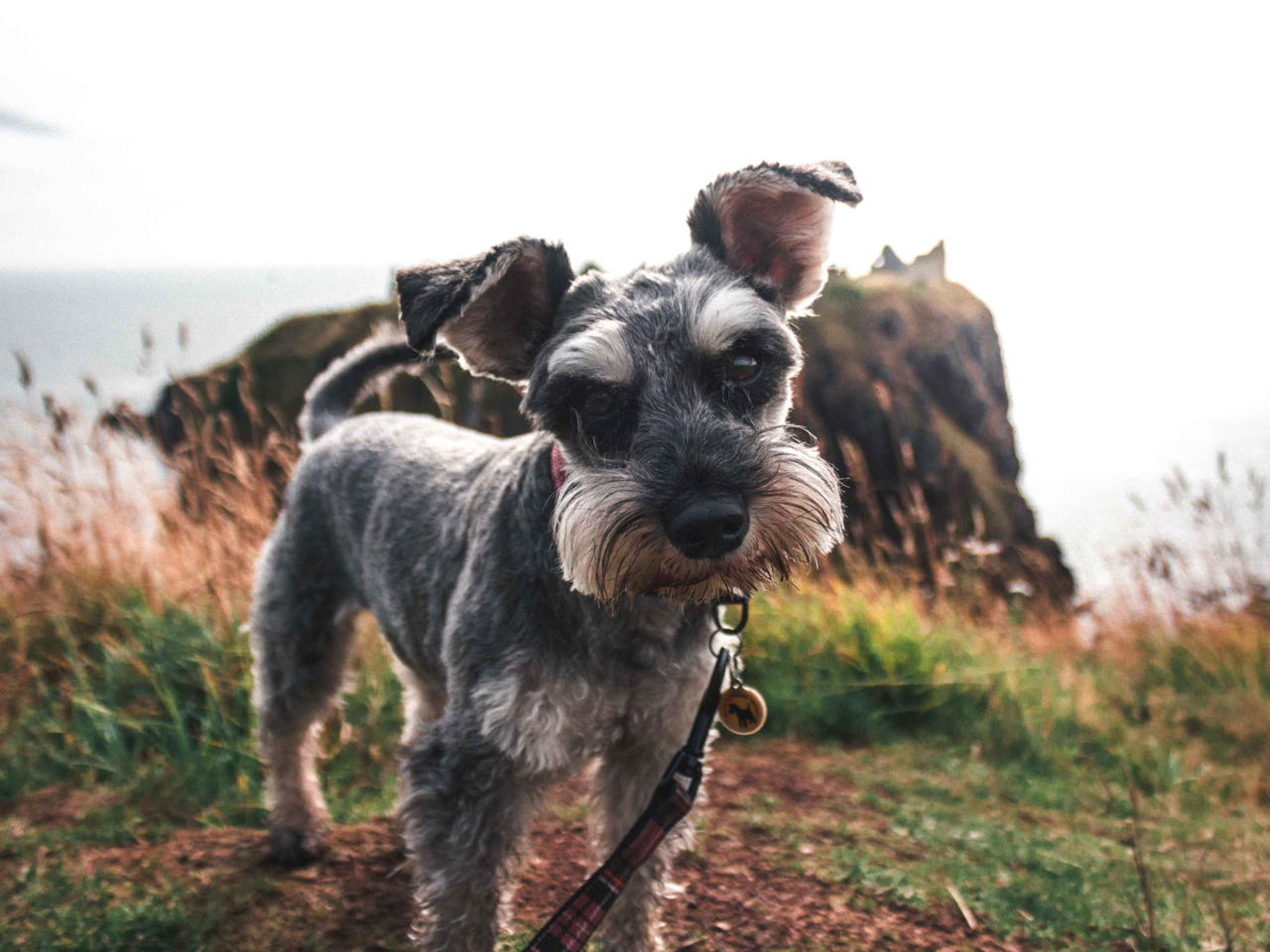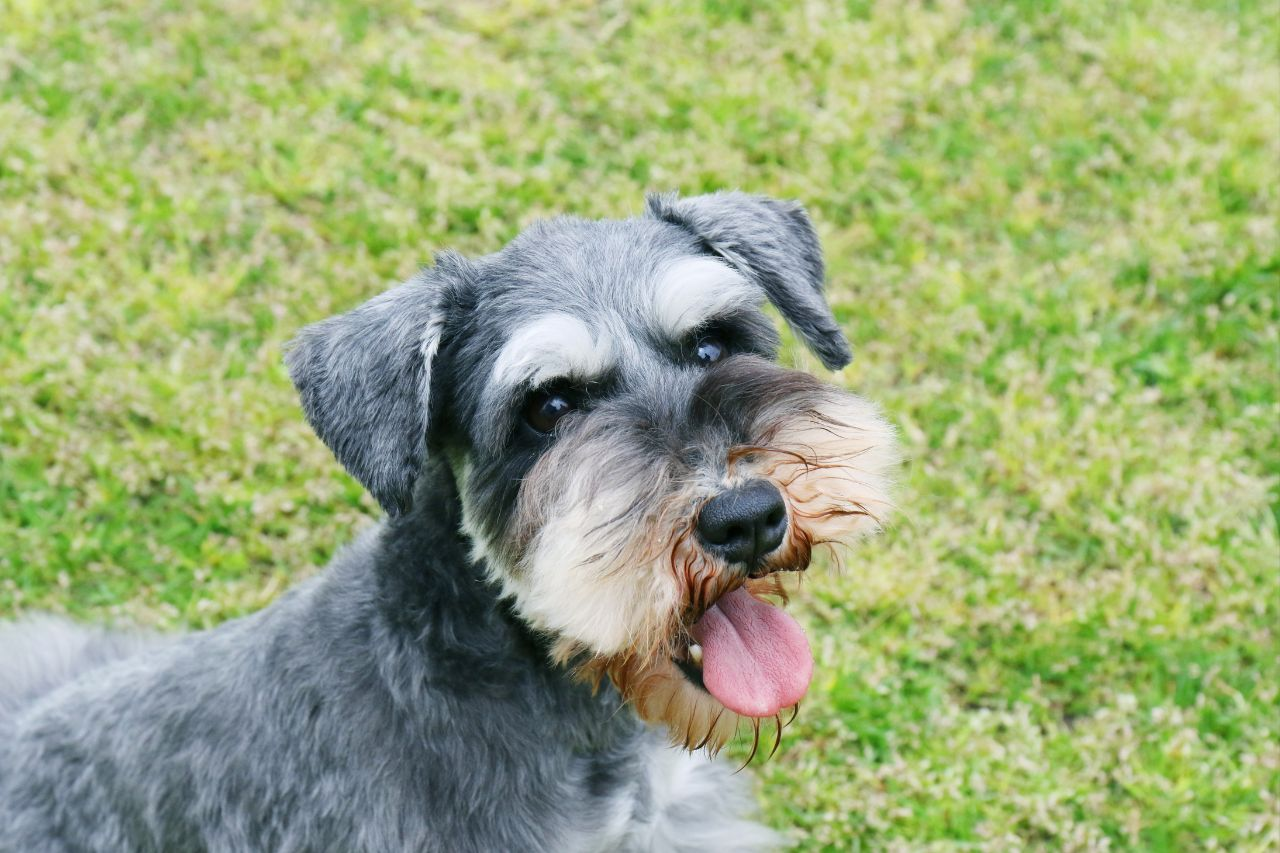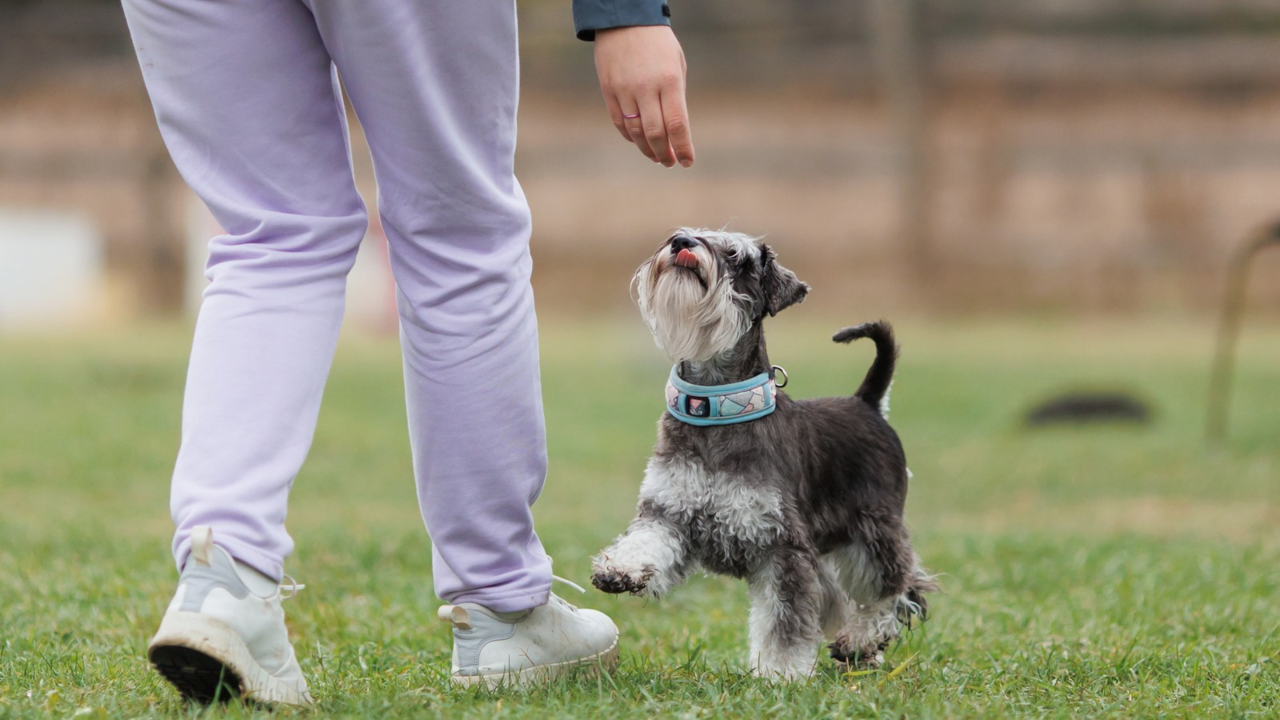
Miniature Schnauzers are bright, observant dogs with a natural talent for noticing every movement, sound and visitor. Their working background means they often enjoy having a job, but it can also show up as alert barking, selective listening or self-appointed household patrols. Effective Miniature Schnauzer training gives that busy brain clear, rewarding ways to focus.
Quick answer
Train a Miniature Schnauzer with short, reward-based sessions, consistent cues and plenty of mental work. Prioritise name response, settling, loose-lead walking, recall and a calm alternative to barking. Practise for three to five minutes at a time, reward the choices you want and manage triggers so your dog is not rehearsing unwanted behaviour all day.
Why Miniature Schnauzers need purposeful training
Miniature Schnauzers were developed as versatile farm dogs and vermin hunters. Modern companions may never chase a rat around a barn, but many still carry the breed's quick reactions, persistence and interest in small moving things. They are usually fast learners, including when the lesson was accidental.
They notice everything
Footsteps, delivery vans and neighbours can all trigger an alert. Training should help your dog check in with you instead of deciding what happens next.
They enjoy solving problems
Repetition without variety may lose their attention. Mix useful cues with scent work, food puzzles and controlled play.
They remember patterns
If barking opens a door or jumping starts a game, the result can reinforce the behaviour. Make calm choices the easiest route to what your dog wants.
Reward-based training does not mean having no boundaries. It means teaching the behaviour you want, preventing repeated mistakes and reinforcing success without intimidation or pain.
Start with five everyday skills
Begin somewhere quiet, then increase distance, duration and distraction one at a time. Say each cue once and make the next repetition easier if your dog cannot respond.
Name and check-in
Say your dog's name once. Mark the moment they look towards you with a cheerful "yes" or a click, then reward. Build this reflex before asking for attention around visitors or other dogs.
Hand target
Present an open palm close to your dog's nose. Mark and reward when they touch it. A hand target can move your dog away from a doorway, turn them towards you or guide them without grabbing.
Recall
Practise indoors from a few steps away, then move to a securely fenced area or use a long training lead. Reward generously and release your dog back to sniffing sometimes so recall does not always end the fun.
Loose-lead walking
Reward beside your leg while the lead is slack. If your dog pulls, pause or change direction instead of pulling back. Add permission to sniff as a useful real-life reward.
Settle on a mat
Reward calm interest in a mat, then build towards lying down. Deliver rewards low between the front paws and add the cue only when settling is predictable.
How to manage Miniature Schnauzer barking
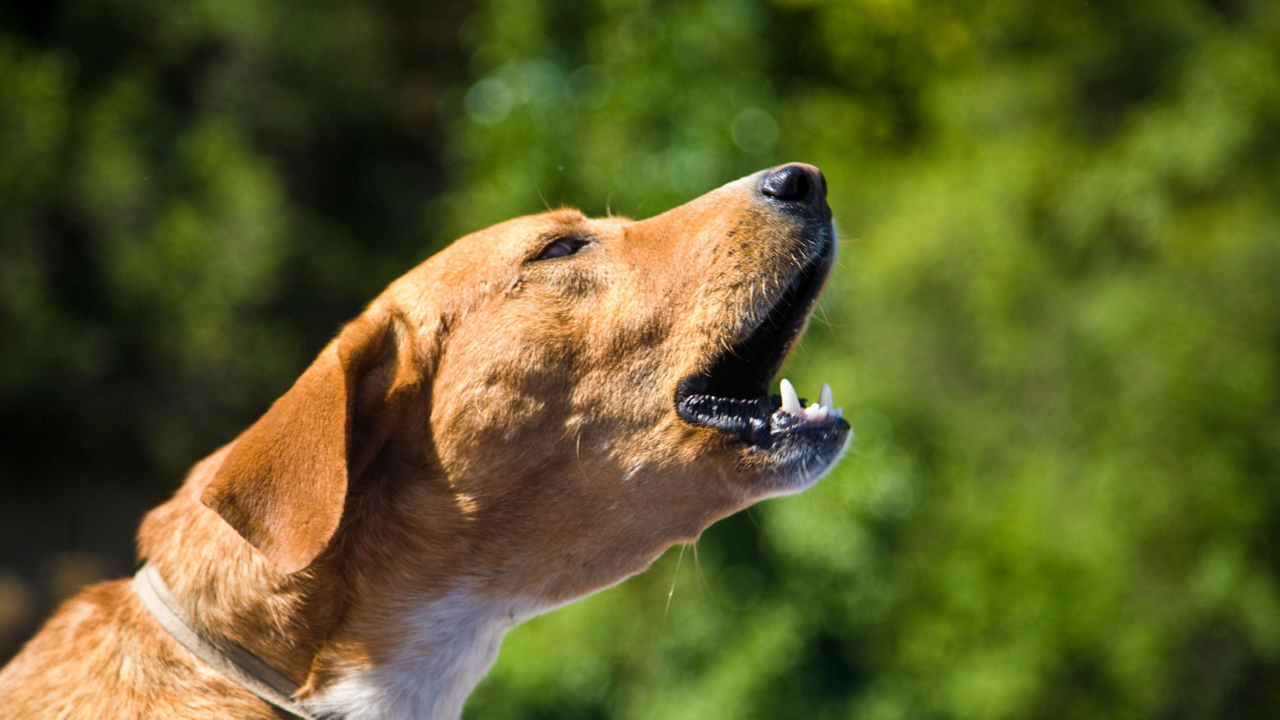
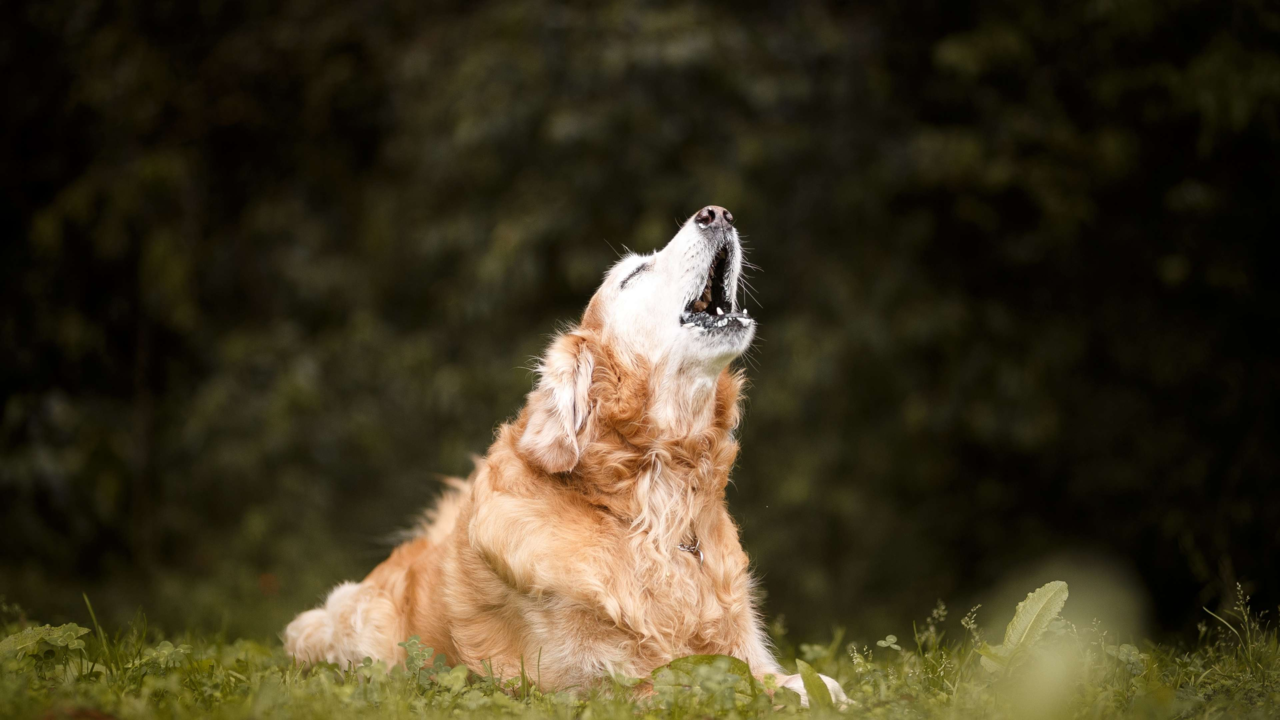
Barking is communication, not stubbornness. A Schnauzer may bark because they have noticed something, want access to it, feel excited, need more activity or have learned that noise gets a response. The first step is identifying what happens immediately before and after the barking.
Reduce unnecessary rehearsals
Use curtains or privacy film if street movement triggers window barking. Move resting areas away from the front door, use background sound during predictable busy periods and provide a settled activity before visitors arrive. Management is not avoiding training. It gives your dog fewer chances to practise the habit while new skills develop.
Teach an alert and return routine
When your dog notices a manageable trigger, mark the moment they turn back towards you and reward away from the window or door. Practise a simple sequence such as check in, move to a mat and settle. Over time, your dog can learn that noticing something is followed by returning to you rather than continuing to bark.
Reward quiet before barking starts
Do not wait for a long barking spell to begin training. Reward calm watching, relaxed body language and voluntary check-ins throughout the day. Avoid shouting, which may sound like extra noise joining the alert. Keep practice below the point where your dog is too excited to eat or respond.
Skip aversive barking devices
Shock, citronella, choke and prong equipment can add fear or discomfort without teaching a useful alternative. Choose low-stress, force-free methods that show your dog what to do instead.
Build focus around distractions
Focus is not a personality trait your dog either has or lacks. It is a skill that becomes stronger through carefully planned success.
- Start easy: practise in the house before the driveway, footpath or park.
- Use suitable rewards: food, toys, sniffing and access to movement can all reinforce attention.
- Keep sessions short: finish after a good repetition rather than waiting for concentration to disappear.
- Increase one challenge: add a little distance, time or distraction, not all three together.
- Use movement: a hand target, quick turn or short pattern can help a busy dog reconnect with you.
- Allow decompression: relaxed sniffing gives your dog useful information and can help lower excitement.
If your Miniature Schnauzer responds perfectly in the lounge but not on the street, the cue is not broken. The environment is simply harder. Move farther from the distraction, increase reward value and rebuild the skill in smaller steps.
Teach everyday manners without conflict
Greeting without jumping
Ask family and visitors to pause when four paws leave the floor. Reward a sit or four paws down, then allow the greeting. Practise with calm helpers before expecting success during a busy arrival.
Waiting at doors
Open the door a small amount. If your dog rushes, close it calmly and reset. When they pause, mark and open it farther. Release with a consistent word so waiting becomes the action that makes the door open.
Dropping found items
Offer a fair swap rather than chasing or forcing the mouth open. Reward the release, then return safe objects sometimes. This builds trust and reduces the chance your dog will run away or guard a discovery.
Settling while people are busy
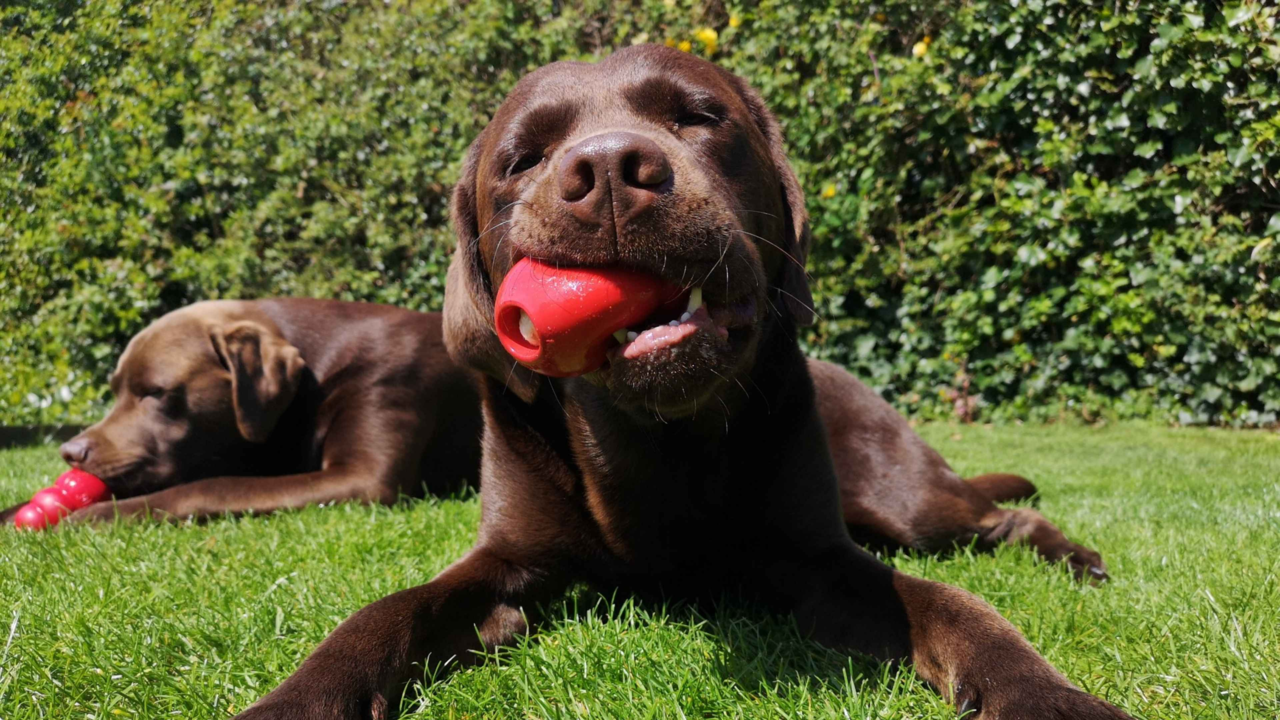
Use a mat beside you while you cook, work or sit at a cafe. Start with seconds of calm behaviour and gradually build duration. A food toy or safe chew can support the routine, but your dog should also learn that quiet observation is rewarding.
A simple daily training routine
Before breakfast
Use a few pieces of the meal for name response, hand targets and two or three recalls.
Morning walk
Mix loose-lead steps with permission to sniff and reward voluntary check-ins.
Midday brain work
Offer a food puzzle, simple scent search or short trick session.
Doorway practice
Repeat one or two calm waits during normal trips in and out.
Controlled play
Use start, drop and finish cues during fetch or tug to connect excitement with listening.
Evening settle
Reward relaxed behaviour on a mat while the household slows down.
Balance activity with rest. Constantly trying to tire a lively dog can build fitness without teaching an off switch. Quiet concentration and predictable downtime are important parts of the routine.
Helpful tools for training and enrichment
Equipment should support good teaching rather than replace it. Choose tools that help you mark success, deliver rewards neatly, manage distance and give your Schnauzer appropriate problems to solve.
Frequently asked questions
Are Miniature Schnauzers easy to train?
They usually learn quickly and enjoy interaction, but their alertness and independent working history can make distractions challenging. Clear cues, useful rewards and short sessions suit them well.
Why does my Miniature Schnauzer bark so much?
Many are naturally alert and quick to announce changes. Barking can also be reinforced by attention or access. Identify the trigger, reduce unnecessary practice and teach a calm check-in or mat routine.
How long should training sessions be?
Three to five minutes is a useful starting point. Several short sessions woven through meals, walks and play are often more effective than one long lesson.
How do I stop my Schnauzer pulling on the lead?
Reward frequently while the lead is slack, pause or change direction when it tightens and practise in low-distraction places first. Use sniffing as a reward for walking with you.
What mental stimulation suits a Miniature Schnauzer?
Scent searches, food puzzles, trick training, controlled tug and new sniffing routes all suit a dog that likes solving problems. Rotate activities and start puzzles at an achievable level.
Can I train an adult Miniature Schnauzer?
Yes. Adult dogs can learn new skills and routines. Begin with a quiet environment, reinforce small successes and be consistent about which behaviours earn access to attention, movement and play.
When can I reduce food rewards?
Once a skill is fluent in that setting, vary the reward rather than removing it suddenly. Mix food with praise, toys, sniffing or access to play, and increase reward value again when the environment becomes harder.
Should I punish alert barking?
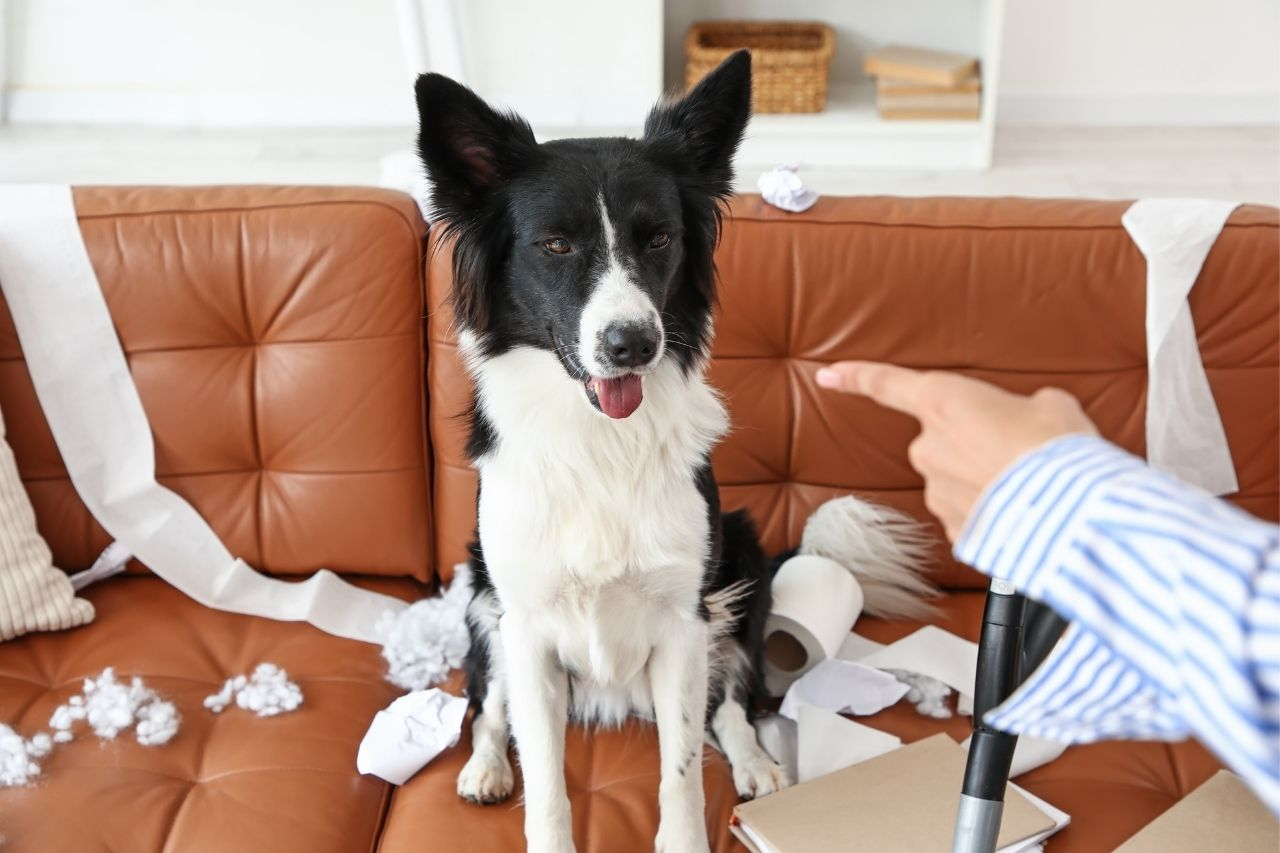
No. Punishment can add stress without teaching an alternative. Manage the trigger and reward a practical response such as checking in, moving away from the window or settling on a mat.
Give your clever Schnauzer a job
Explore training and enrichment essentials for focused practice, calmer routines and rewarding brain work.
SHOP DOG TRAINING & BEHAVIOUR