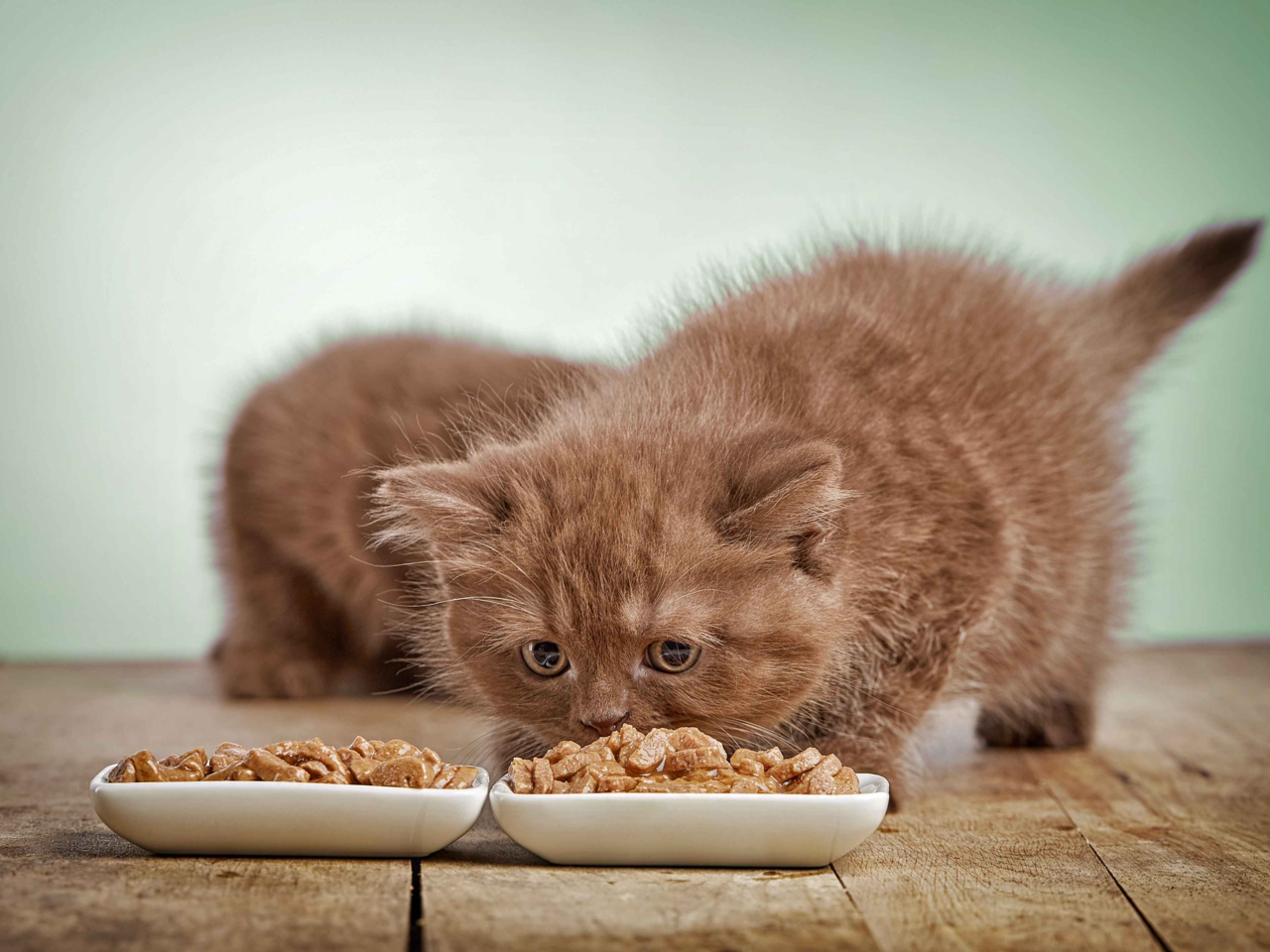
If you’ve recently welcomed a playful new kitten into your whānau – congratulations! You’re in for many purrs, zoomies and snuggles. One of the first big questions new cat parents ask is, how much should I feed my kitten each day? Unlike adult cats, kittens grow rapidly and need precise nutrition to develop strong bones, healthy organs and boundless energy. In this guide, we’ll cover how much to feed your kitten based on age and weight, how often they should eat, and what type of food is best. Because at Petdirect, we get pet – and we’re here to help every step of the way.
Why Kitten Feeding Needs Are Different
Kittens aren’t just mini cats – their dietary needs are unique and change quickly as they grow. In the first year, kittens triple in size and burn loads of energy through play, exploration and growth. That’s why they require a diet rich in protein, fat, vitamins and minerals. Look for a kitten-specific formula designed to support development. Adult cat food simply doesn’t cut it.
High-quality kitten foods like Royal Canin, Hill’s Science Diet and Feline Natural are specially developed to meet these early-life needs. Some brands even offer stage-based diets from weaning to 12 months, so your kitten gets exactly what they need, when they need it.
How Much To Feed Your Kitten By Age
Feeding amounts will depend on your kitten’s age, weight and the type of food. Always follow the feeding guide on your kitten food label, but here’s a general guide:
- 6–12 weeks: Feed 4 small meals daily. Kittens this young need energy spread throughout the day.
- 3–6 months: Slowly reduce to 3 meals per day. Appetite may spike during growth spurts.
- 6–12 months: Twice-daily meals are usually enough. Monitor weight and adjust portions as needed.
Use a digital kitchen scale or measuring cup to keep portions accurate. Choosing a suitable cat bowl or feeder can also help you track meal sizes consistently. For busy pet parents, a smart pet feeder is a great way to stay on schedule – even when you’re running behind.
Kitten Feeding Tips For Healthy Growth
Alongside portion control, here are some key feeding tips to help your kitten thrive:
- Choose both wet and dry food: Offering both textures gives variety and helps with hydration. Browse our range of wet kitten food and dry kitten food.
- Keep water available at all times: Encourage kittens to drink by using cat water fountains, especially if they prefer dry kibble.
- Treats are fine in moderation: Treats should make up less than 10% of their daily intake. Explore healthy kitten treats for mindful snacking.
- Stick to a routine: Feed at the same times daily to build good habits and prevent fussiness.
And remember, all kittens develop at their own pace. If you’re unsure whether you’re feeding the right amount, chat with your vet or one of our nutritional specialists. We’re always happy to help make mealtimes simple and stress-free.
Signs You Might Be Feeding Too Much Or Too Little
It’s natural to worry whether your kitten is getting enough – or too much. Keep a close eye on their weight, energy and toilet habits. Some signs of overfeeding include:
- Rapid weight gain or a rounded tummy
- Overly smelly litter box deposits
- Lack of interest in meals or food left behind
On the flip side, underfeeding may look like:
- Ribs visibly sticking out or bones easily felt
- Low energy or excessive napping
- Vocalising or begging for food between meals
If you’re seeing any of these signs, it might be time to reassess portion sizes or switch foods. Check out our science-backed nutrition range for options that suit your kitten’s evolving needs.
When To Transition To Adult Cat Food
Most kittens are ready for adult food around 12 months old, though this can vary by breed and activity level. If your kitten is a larger breed like a Maine Coon, they may benefit from staying on kitten food a bit longer to support slower growth. Our Kitten Shop makes it easy to find age-appropriate food and helpful supplies for every milestone.
When the time comes to switch, transition slowly over 7–10 days by mixing increasing amounts of the new adult food with their current kitten formula. This will help prevent tummy upsets and ensure a smooth change.
Feed With Confidence
Feeding your kitten the right amount each day is one of the most important ways you can support their health, growth and happiness. Be guided by their life stage, body condition, and the feeding directions on their food. If you ever feel unsure, the Petdirect team is always on paw to help. And remember, our Autodeliver service ensures you’ll never run out of their favourite food, while Pet Perks rewards make spoilage even sweeter. Because when it comes to your kitten, we truly get pet.