Fireworks can make a familiar walk feel frightening for a dog. If your dog refuses to go outside, do not pull them out or insist on a usual-length walk. Shift exercise and toilet breaks earlier, keep outdoor trips brief and secure, and offer a temporary indoor toilet spot if they cannot settle enough to go out. A skipped walk is safer than a panicked escape.
Quick answer
Take your dog out before fireworks begin, while it is still light if possible. During loud periods, use a lead even in a fenced yard, stay close to home and return indoors if your dog freezes, pulls back or shows distress. Give them a quiet indoor place to rest. If they will not toilet outside, set up puppy pads or a grass mat in an easy-to-clean spot and return to their normal routine when they feel safe.
Why a dog may refuse to go out
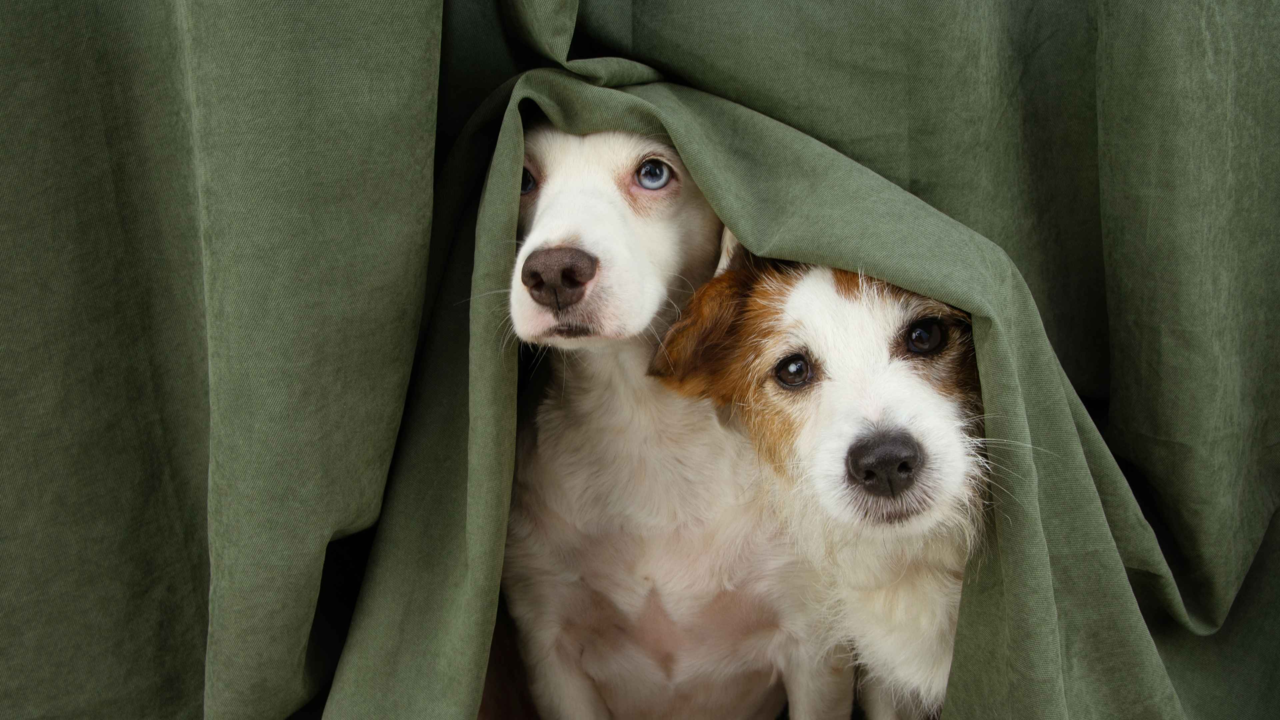
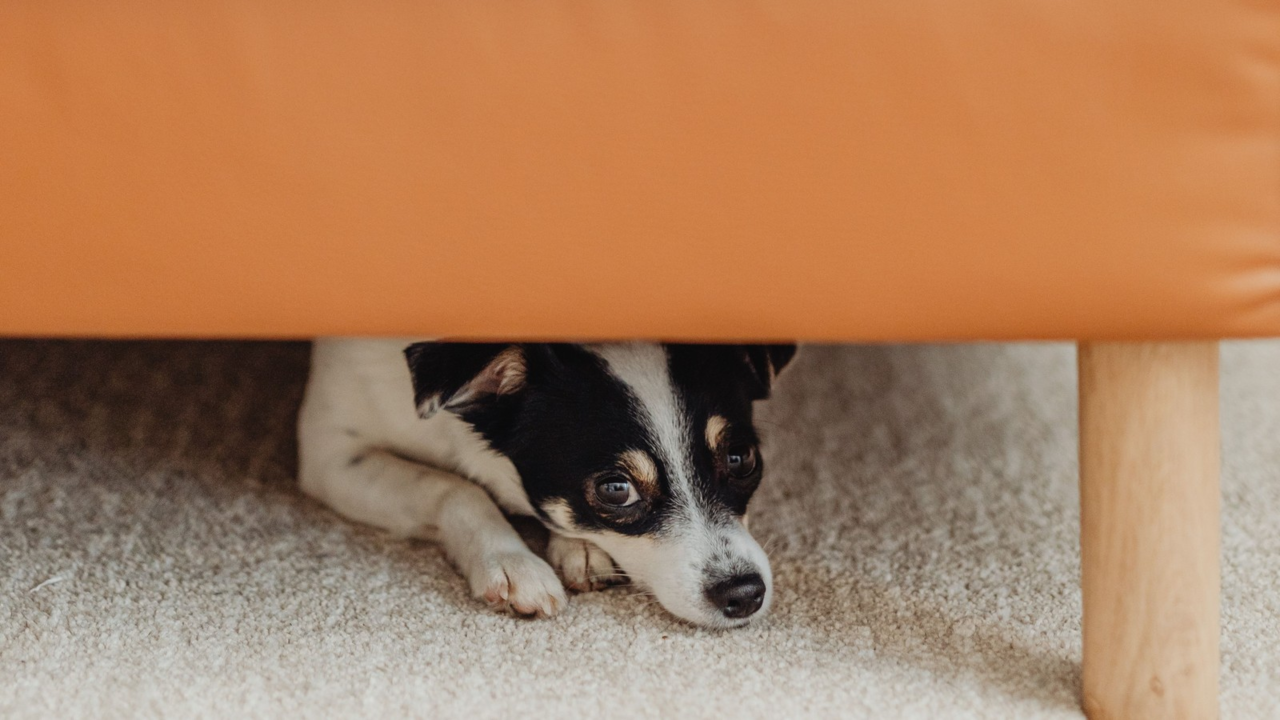
Fireworks are unpredictable: sudden bangs, flashes and unfamiliar smells can unsettle dogs, even if they usually enjoy walks. A worried dog may crouch, tremble, pant, pace, hide, pull towards home, bark or refuse treats. Some dogs seem keen to go out until they hear a bang, then freeze or try to bolt. Their response is not stubbornness. Give them choice and distance rather than dragging them towards the noise.
Notice what your dog can manage. One dog may still cope with a quiet garden visit; another may prefer to stay inside. Keep your voice calm and your movements unhurried. Comforting your dog does not reward fear. Avoid punishment for accidents or anxious behaviour.
Plan walks and toilet breaks around the noise
Move the main walk earlier
Check the local timing of organised displays where possible, and aim for a familiar route before dusk or before celebrations are likely to start. Keep your dog on a lead and use a well-fitted collar or harness. Make sure their ID details are current. If bangs have already started, do not set out just to complete the usual distance.
Offer short, low-pressure toilet trips
Try the closest quiet area, stay with your dog and allow time to sniff. Keep the lead attached, including in an enclosed yard, because a frightened dog can jump, squeeze through a gap or dash when startled. If your dog turns back, let them return indoors and try again later during a quieter spell.
Make an indoor backup spot
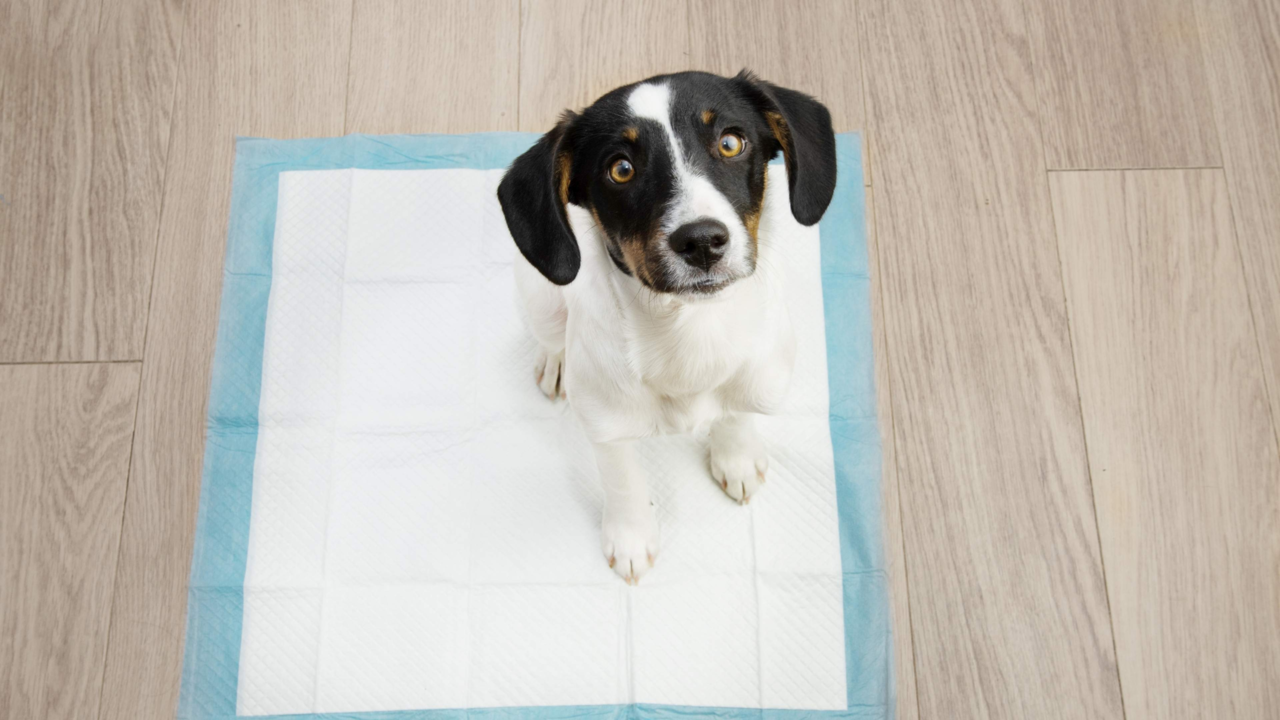
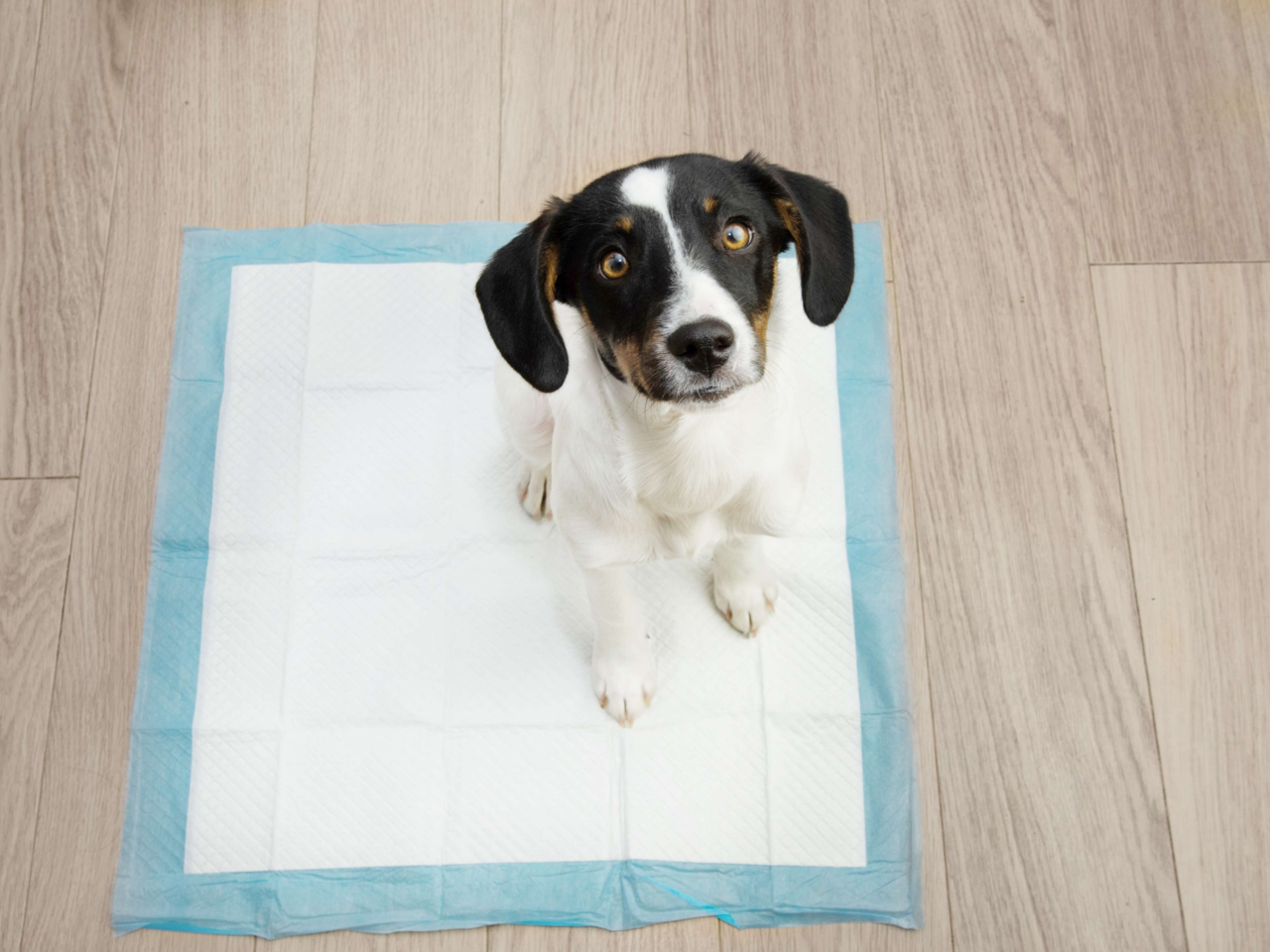
Choose a calm, accessible area away from food and sleeping places. Put down an absorbent pad or grass-style toilet mat and show your dog where it is without forcing them to use it. Keep the surface in the same place while you need it, then gradually return to outdoor toileting once the noise has passed.
Keep the next day predictable
When it is quiet again, offer a relaxed toilet trip and resume your usual schedule. Praise a successful toilet break, whether it happens inside or out. Clean accidents thoroughly and matter-of-factly. Avoid suddenly extending the walk to make up for missed exercise.
Set up a calmer indoor space
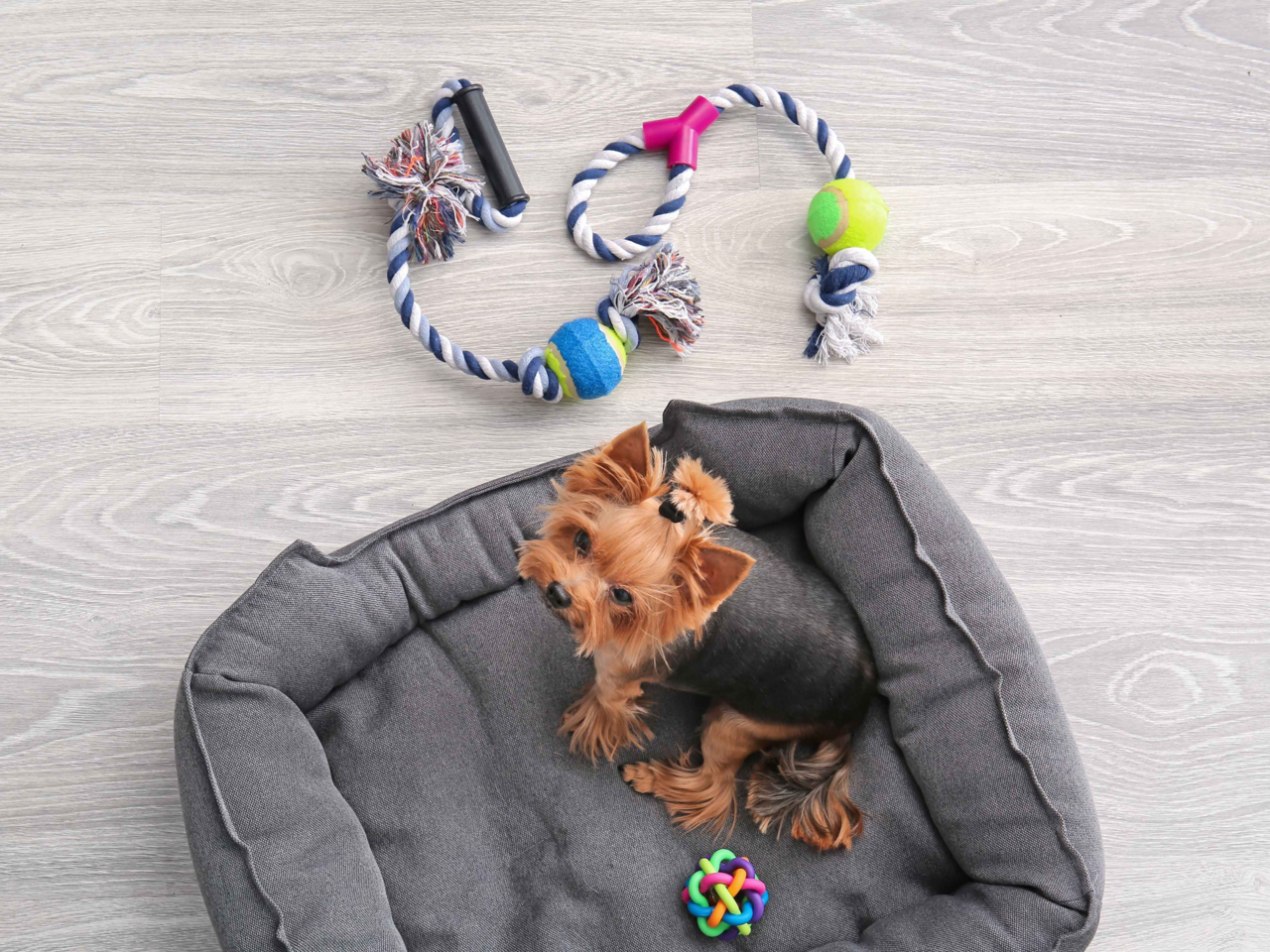
Let your dog choose a room or covered resting place where they already feel comfortable. Close doors and windows, draw curtains and use familiar bedding. Some dogs settle with steady background sound, such as a fan, television or soft music. Keep water nearby and make sure your dog can move away from people if they want space. Do not shut them into a crate or room if confinement makes them more distressed.
Keep safety the priority
Before fireworks season, check gates, fences, doors, collar fit and identification details. Keep dogs indoors during the loudest periods, and take them outside only on a lead with an adult holding it. If your dog is panicking, has injured themselves trying to escape, or their distress is severe or recurring, contact your vet for advice before the next fireworks period.
Indoor toilet options for a difficult evening
A temporary toilet spot can help if your dog cannot face the garden or a walk. M-PETS Carbon Puppy Training Pads or M-PETS Eco Puppy Training Pads offer disposable options. For a reusable surface, consider M-PETS Washable Puppy Training Pad; a grass-like surface is available as the M-PETS Grass Mat Puppy Training Pad. A M-PETS Puppy Training Pad Holder can help keep a pad in place.
Give your dog time to investigate the spot. If they do not use it, do not scold or repeatedly place them on it. Keep the option available, clean any mess calmly, and try a brief outdoor toilet break again when it is quieter. These products are practical backups, not a requirement to change your dog's long-term toilet routine.
When to ask for extra help
If your dog's fear is intense, getting worse, or regularly prevents walks and toileting, speak with your vet. They can help you consider suitable support and plan ahead. If your dog has ongoing difficulty urinating or passing stools, seems unwell, or is injured, contact your vet promptly rather than assuming fireworks are the only cause.
FAQs
Should I make my dog go outside to toilet during fireworks?
No. Do not drag or force a frightened dog outdoors. Offer a brief, leashed trip when it is quieter and provide a temporary indoor toilet option if needed.
Can I let my dog into the fenced garden without a lead?
It is safer to keep the lead attached. A startled dog may jump a fence, find a gap or rush through an open door.
What if my dog will not use puppy pads?
Leave the pad in a consistent, quiet place and let your dog investigate. Do not force them onto it or punish accidents. Try another short toilet opportunity during a quieter interval.
Is it okay to skip a walk?
Yes. If going out would frighten your dog or raise the risk of escape, prioritise safety. Offer gentle indoor company and return to walks when conditions feel calmer.
Should I comfort my frightened dog?
You can stay nearby and offer reassurance if your dog seeks it. Keep your manner calm and let them choose whether to approach or rest alone.
How can I prepare before fireworks season?
Practise calm lead routines, check your dog's ID and home security, and set up a comfortable retreat before the first noisy evening. Ask your vet in advance if your dog has a strong fear response.
When should I contact a vet?
Ask your vet if fear is severe, persistent or interfering with normal life, or if your dog appears injured or unwell. For significant ongoing toileting difficulty, seek veterinary advice rather than waiting for the fireworks to pass.
Build a simple indoor backup
Explore practical toilet-training options for a temporary indoor setup.
Shop puppy training essentials