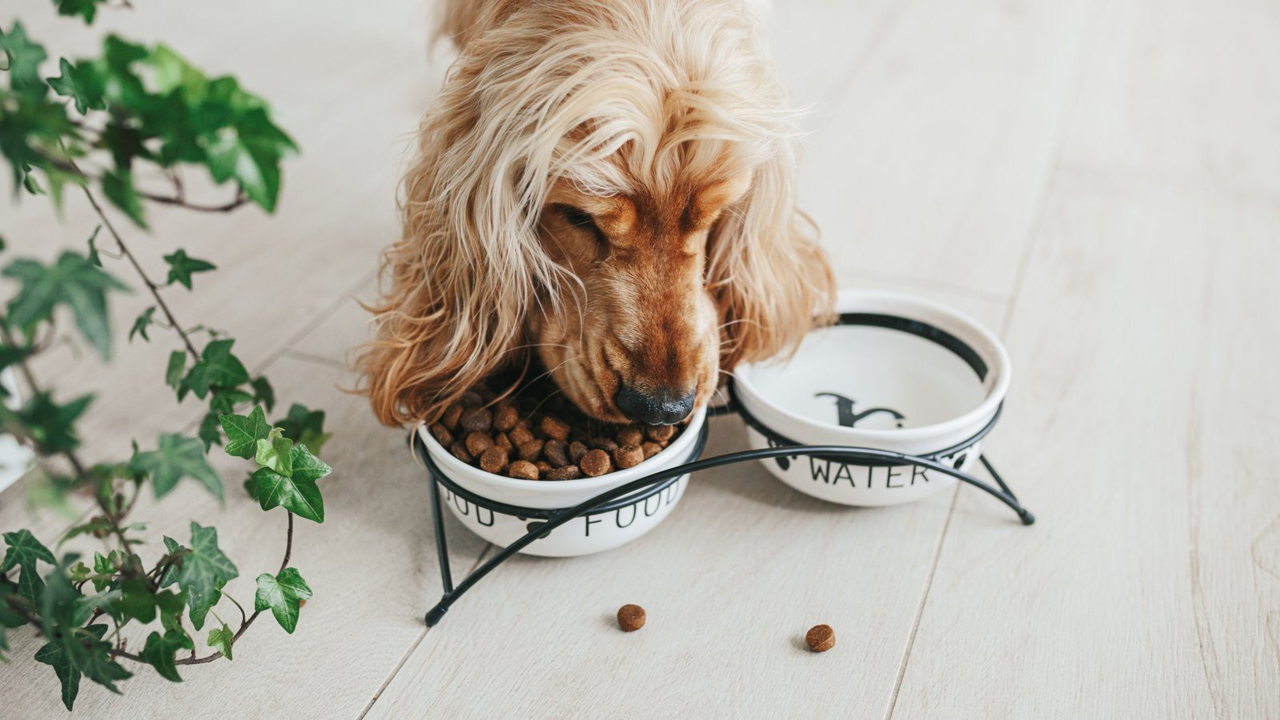
Comparing dog food brands can feel difficult when every range highlights different ingredients, formats and benefits. A more useful starting point is your dog: their life stage, breed size, activity, food preferences and how well they are doing on their current meals.
This guide explains how to compare dog food brands available in New Zealand without treating one name as the automatic winner. It helps you narrow the shelves by suitability, then compare recipes within the brands that fit your dog's needs.
Quick answer
The right dog food brand is one that offers a complete recipe for your dog's life stage, suits their size and routine, fits your budget, and gives consistent results at mealtimes. Compare the exact recipe rather than relying on the brand name alone, because one brand may offer dry, wet, puppy, senior and high-meat foods with very different features. Start with your dog's needs, choose a practical format, then transition gradually.
Start with your dog, not the brand
Two healthy dogs can need different foods even if they are the same age. A small, lightly active dog may need smaller pieces and a more concentrated feeding amount, while a large, active dog may suit a different recipe and bag size. Use these three filters before comparing individual products.
Life stage
Choose food labelled for puppy, adult, senior or all life stages as appropriate. Growing puppies have different needs from adult dogs, and large-breed puppies should have a recipe intended for their growth pattern.
Size and activity
Consider your dog's adult size, daily exercise and body condition. Some brands organise food by small, medium or large breed, while others offer one recipe with a feeding guide across sizes.
Everyday response
A suitable food should support steady energy, a healthy body condition, comfortable digestion and predictable stools. Palatability matters too, because a nutritious food only helps if your dog happily eats it.
What should you compare on a dog food label?
Look beyond the front of the bag. The information panel and feeding guide give you a clearer way to compare recipes from different brands.
- Check whether the recipe is described as complete food for your dog's life stage, rather than a topper, mixer or treat.
- Read the feeding guide in grams per day and calculate how long the pack is likely to last. This makes cost per day more useful than bag price alone.
- Compare the main protein source and recipe format with foods your dog has eaten comfortably before.
- Check storage instructions, pack size and how quickly the food should be used after opening.
- Consider whether the brand offers a puppy, adult and senior pathway if you prefer to stay within one familiar range as your dog ages.
Ingredient lists are useful, but the first ingredient does not tell the whole story. Moisture levels and ingredient preparation can affect the order, so compare the complete label, feeding amount and intended life stage together. Our guide to reading pet food labels explains the details.
Dog food brands in NZ, grouped by what they offer
Petdirect carries brands with different strengths, formats and range structures. These groups are a practical way to begin browsing, not a ranking from best to worst.
Broad everyday ranges
Black Hawk, ADVANCE, Pro Plan and Hill's Science Diet offer options across common life stages, breed sizes and recipe preferences. These broad ranges can be useful when you want familiar dry or wet formats and clear feeding guides, with related options as your dog moves from puppy to adult or senior food.
Size and breed-focused ranges
Royal Canin and Eukanuba make it easy to browse by age and dog size, with selected recipes aimed at particular breeds. This approach may suit owners who want kibble size, feeding amounts and life-stage choices organised around a more specific dog profile.
NZ-made and high-meat formats
K9 Natural, ZIWI, Kiwi Kitchens, Animals Like Us and Addiction include air-dried, freeze-dried, wet or mixed-format foods alongside different protein choices. They are useful brands to explore when New Zealand production, shelf-stable high-meat food or flexible meal-and-mixer formats are priorities.
Choose a food format that fits your routine
Dry food
Dry dog food is simple to measure, store and use in enrichment feeders. Compare daily grams and pack size, not scoop volume, to keep portions consistent.
Wet food
Wet dog food adds moisture and has a soft texture. It can be served as a complete meal or combined with another complete food, with total daily portions adjusted.
Air-dried and freeze-dried
Freeze-dried and dehydrated dog food offers a compact, shelf-stable format. Follow the pack directions for portion size and whether water should be added.
Mixed feeding tip
When combining dry and wet foods, do not serve the full daily amount of both. Use the mixed-feeding guide where available or reduce each portion so the combined meal still matches your dog's daily needs.
Products that show the range of options
These examples are not ranked. They show how brands can differ by format, breed size and feeding style, giving you useful starting points for comparison.
- Black Hawk Original Adult Lamb & Rice Dry Dog Food is an adult dry recipe from a broad everyday range.
- Hill's Science Diet Adult Dry Dog Food is another everyday adult kibble option with its own feeding guide and pack sizes.
- Royal Canin Medium Adult Dry Dog Food is organised around the life stage and size of medium dogs.
- K9 Natural Beef Feast Freeze Dried Dog Food offers a freeze-dried New Zealand-made format.
- Animals Like Us RawMix50 with Cage-Free Chicken Freeze Dried Dog Food combines dry pieces with freeze-dried ingredients.
- Kiwi Kitchens Beef Air Dried Dog Food provides a compact air-dried option.
Compare dog food by your dog's needs
Browse dry, wet and high-meat foods, then use the filters for life stage, breed size, protein and format to narrow your options.
Shop dog foodSix questions to ask before choosing
- Is this a complete food that matches my dog's life stage?
- Does the recipe suit my dog's size, activity and current body condition?
- Has my dog eaten this protein and format comfortably before?
- Can I measure, store and serve it consistently?
- What is the approximate daily cost at my dog's recommended feeding amount?
- Can I buy the pack size regularly enough to keep meals consistent?
This approach makes the comparison personal and practical. It also helps prevent a popular claim on the front of a pack from outweighing the features that matter in your home.
How to switch dog food brands gradually
A slow transition gives your dog time to adjust to a different recipe. Unless the pack gives another direction, begin by replacing a small part of the old food with the new one. Increase the new food over about seven to ten days while keeping the total daily portion appropriate.
- Days 1 to 2: about three parts old food to one part new food.
- Days 3 to 4: about half old food and half new food.
- Days 5 to 6: about one part old food to three parts new food.
- Day 7 onwards: move to the new food if your dog is comfortable.
Some dogs need a slower change. If stools soften, hold at the current stage before increasing the new food. If your dog has vomiting, ongoing diarrhoea, sudden appetite loss or unexplained weight change, talk to your vet.
Dog food brand FAQs
Which dog food brand is best in New Zealand?
There is no single best brand for every dog. The most suitable choice is a complete recipe that matches your dog's life stage, size and routine, while supporting comfortable digestion and a healthy body condition.
Is a more expensive dog food always better?
No. Price can reflect ingredients, processing method, pack size, import costs and recipe concentration. Compare cost per day, suitability and how your dog responds rather than using price alone.
Should my dog stay with one brand?
Consistency can be helpful, but dogs do not have to stay with one brand for life. Change when their life stage, routine or needs change, and transition gradually between recipes.
Can I mix two dog food brands?
Yes, provided the foods are appropriate for your dog and the combined portions do not exceed their daily needs. Keep the mix consistent so you can measure meals and notice any changes.
Is grain-free dog food better?
Not automatically. Grain-free is one recipe type, not a universal measure of quality. Choose it when it suits your dog and your feeding priorities rather than assuming every dog needs it.
Is NZ-made dog food better than imported food?
New Zealand-made food can be a useful priority for owners who value local production and ingredients. Suitability still depends on the individual recipe, life stage, format and how well it works for your dog.
How can I compare dog food value?
Use the recommended daily grams to estimate how many feeding days are in the pack, then divide the pack price by that number. A smaller serving of a concentrated food may change the daily cost.
How quickly will I know whether a new food suits my dog?
Watch the transition first, then look for steady appetite, energy, stools and body condition over the following weeks. Keep other treats and meal additions consistent so the comparison is clearer.
Related reading




Browse dog food
Explore available dog food across dry, wet, air-dried and freeze-dried formats.