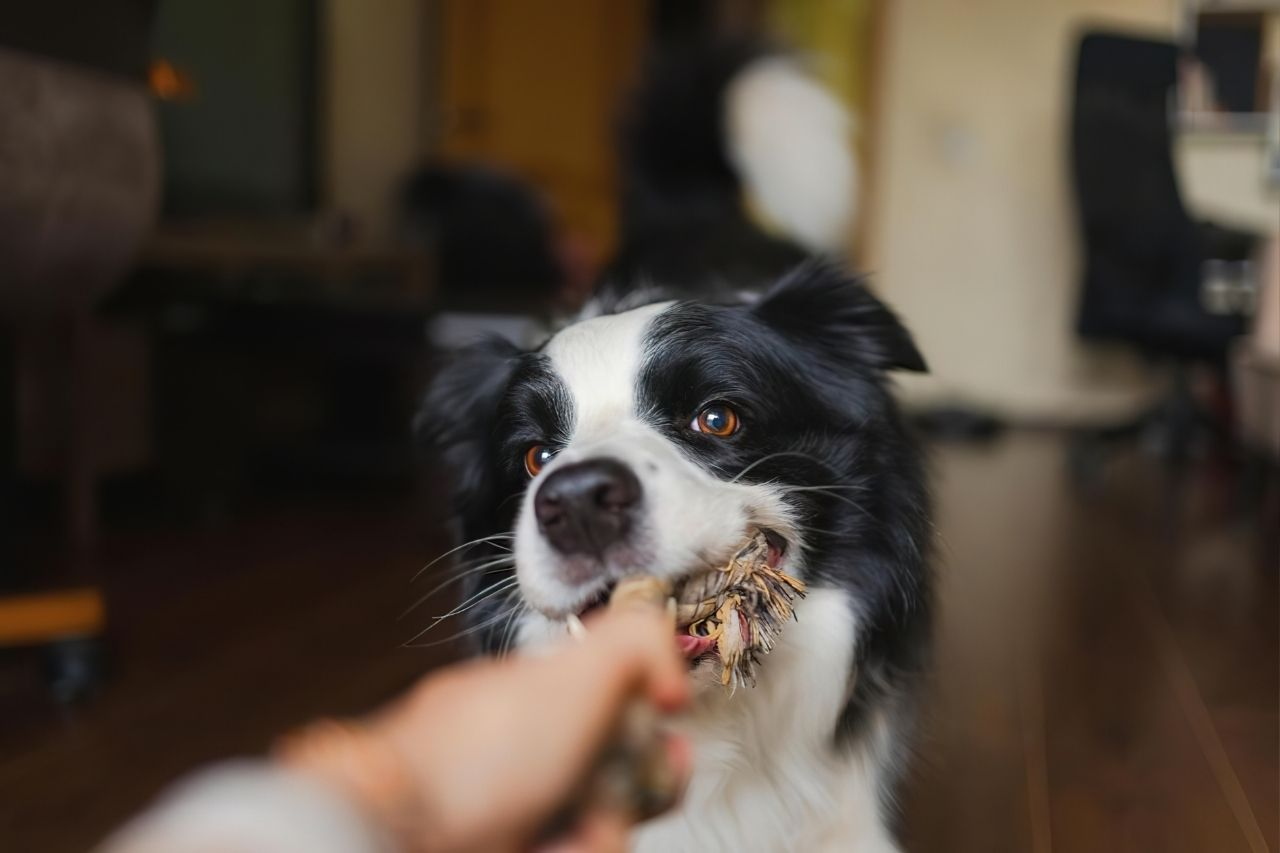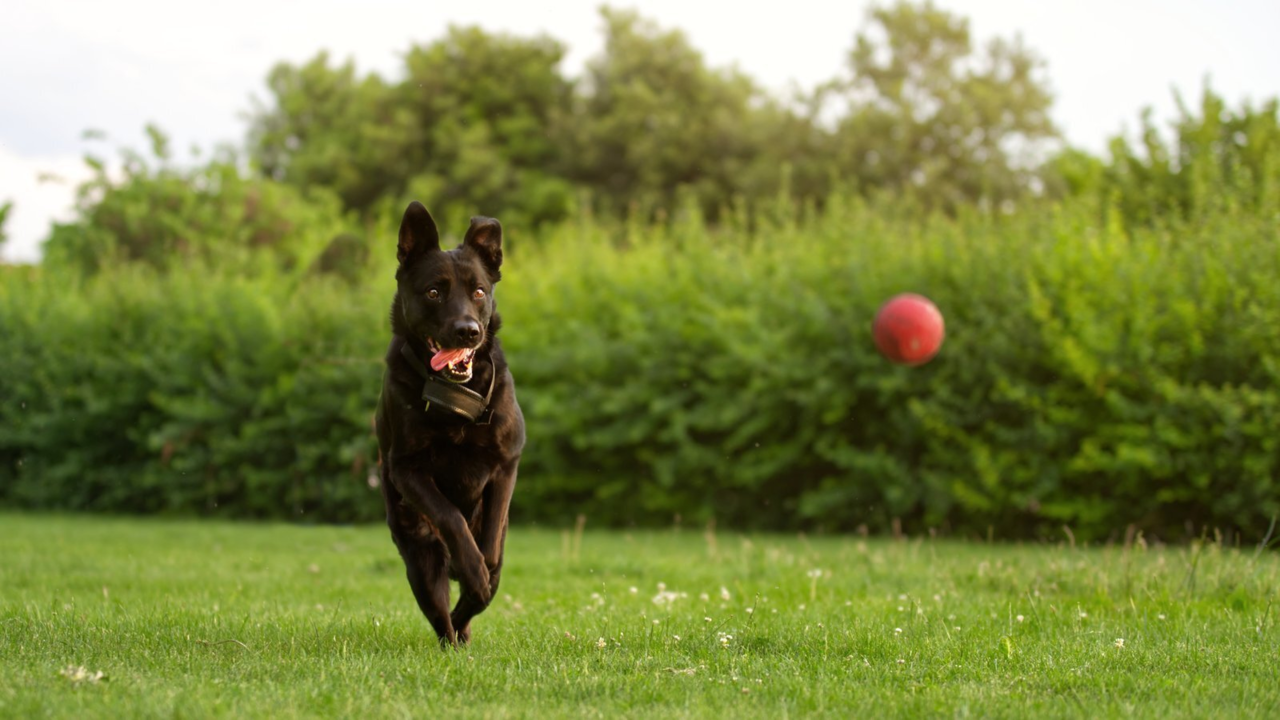
A dog ball is not one-size-fits-all. The right choice should feel easy for your dog to pick up, carry and bring back, without being so small that it disappears behind their teeth or so large that every retrieve turns awkward.
This guide focuses on the practical shopping question: how to choose small, medium or large dog balls. It is separate from our broader fetch-toy guide, and zeroes in on ball diameter, pack labels and the everyday checks that help a ball suit the dog in front of you.
Quick answer
Choose a ball by your dog’s mouth and the manufacturer’s size guide, not just their breed name. A good fit lets your dog carry it comfortably without the ball sitting fully inside their mouth. Check the exact size on the product page, supervise the first few games and move up a size if the ball looks too easy to swallow or too small to hold safely.
Why ball size matters
Dogs use balls with their mouths, so the useful measurement is the ball’s diameter compared with the width and depth of your dog’s mouth. A Border Collie and a similarly sized mixed-breed dog may both prefer a medium ball, while two dogs of the same breed can still have different mouth shapes and play styles.
Easy to carry
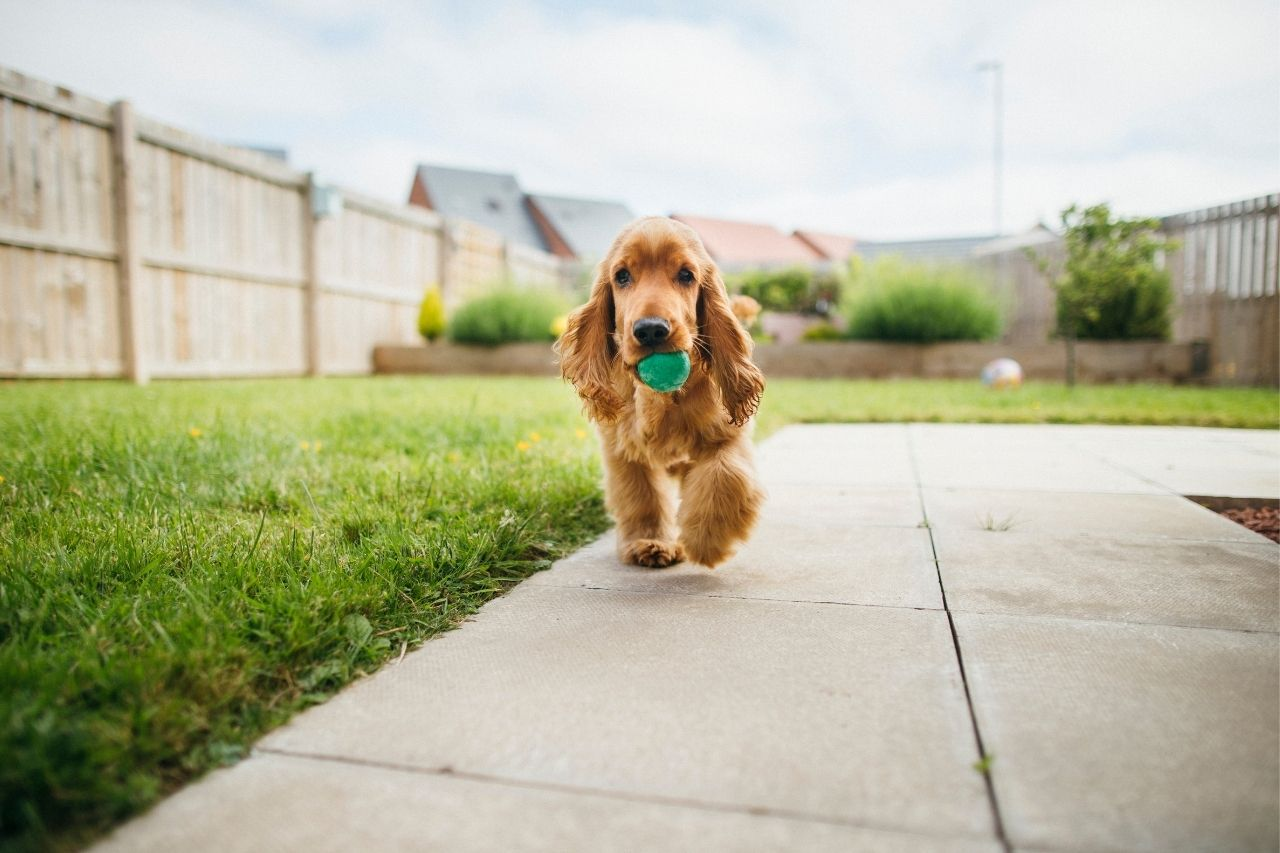
The ball should be large enough that your dog has to hold it at the front of their mouth, rather than taking the whole thing deep into the mouth.
Easy to release
A sensible fit is one your dog can pick up and drop without repeated fumbling, jaw stretching or turning their head to manage it.
Easy to supervise
Choose a ball you can inspect quickly. If it splits, loses a piece or becomes too small through wear, replace it before the next game.
Do a quick fit check before the first game
You do not need a complicated measuring system. Use the product’s stated size as your starting point, then do three quick checks when the ball arrives. This is especially useful when buying a multi-pack or choosing for a dog you have not played ball with before.
Look at the diameter
Compare the listed diameter with a ball your dog already carries well. A few millimetres can make a noticeable difference to a small mouth, so check the exact variation rather than assuming every ball in a range is alike.
Watch the first pickup
Offer the ball while you are right there. If it sits fully inside the mouth, is hard to grasp or causes your dog to keep readjusting their hold, choose a more suitable size instead.
Check after a few throws
Look again once the game is under way. A ball can feel different when it is wet, muddy or covered in grass, particularly for a dog who likes to carry it at speed.
Small, medium and large balls explained
Size names are not standard across every brand. One brand’s medium can be close to another brand’s large, so use the name as a category and the product listing as the final check. The sections below are a simple way to think about the options before you compare exact products.
Small balls
Small balls suit dogs with genuinely small mouths when the listed size is appropriate for them. They can be handy for compact dogs, but they are not automatically the right choice for every small breed. If the ball looks tiny in your dog’s mouth, move up rather than relying on the word small.
Medium balls
Medium is a common middle ground for many adult dogs. It can offer an easy carry without making the ball feel bulky. Check the product’s dimensions because a medium tennis-style ball and a medium rubber ball may not have the same diameter.
Large balls
Large balls give bigger dogs more to grip and can be a practical step up for broad-mouthed dogs. The right large ball should still be comfortable to collect from the ground and carry back, rather than forcing a strained or awkward hold.
Choose for the game you actually play
Ball size is the first decision, but play setting affects the final choice. A small ball for close backyard throws, a textured ball for a wet lawn and a ball intended for a launcher may all be different purchases. The useful question is not which option does everything, but which option makes your usual game easy to set up and clear away.
For short backyard games
Choose a ball your dog can find easily in the grass and return comfortably. A bright colour or a squeak may make the game more engaging, but fit still comes first. Keep sessions short enough that your dog stays keen.
For throwing or launcher play
Check that the ball is made for your launcher before pairing the two. A ball that does not fit the launcher can jam, fall out early or simply make the game frustrating. For throwing tips, see our guide to playing fetch safely.
Read the range, then choose the exact variation
One product page can include several ball sizes, pack counts or colours. That is useful, but it also means the parent product name is not enough to make the decision. Select the exact variation before adding it to your cart and read the size information beside that choice.
For example, Chuckit! Ultra Ball has active small, medium, large, extra-large and extra-extra-large options. That range can make it easier to stay with a familiar format as your needs change, but it does not make every option suitable for every dog. Think about the exact ball, not just the collection name.
A quick shopping habit
When replacing an old favourite, check whether you are buying the same size as before. Pack artwork can look very similar across sizes, and a convenient multi-pack is only helpful when the individual balls fit your dog well.
Ball options to compare by size and play style
These active ranges give you several size or play-style options to compare. Open the product page to confirm the available variation and its size guidance before buying. Product availability can change, so the selection on the day is the source of truth.
When to change ball size
It is worth reviewing ball size as a puppy grows, when a dog moves from a gentle indoor roll to energetic outdoor retrieves, or when you bring home a ball in a new material. A ball that worked at one life stage is not automatically the long-term choice.
Puppies
Puppies grow quickly, so revisit the size guide rather than buying a large stash at once. Introduce play in short, supervised sessions and choose a ball that suits the puppy’s current mouth, not the size you expect them to reach later.
Growing and adult dogs
If your dog is carrying a ball more deeply in their mouth than before, compare the next size up. Keep the old ball out of regular play once it is no longer a good fit, even if it still looks tidy.
Common dog-ball sizing mix-ups
Buying by breed label alone
Breed guides can be a helpful starting point, but they cannot account for every individual mouth shape. Use them alongside the manufacturer’s guide and your own fit check.
Assuming a tennis ball is universal
Classic tennis-ball dimensions feel familiar, but familiar does not always mean suitable. Compare the diameter, texture and your dog’s carry style before making it their everyday ball.
Keeping worn balls in rotation
A ball that is cracked, split, missing a piece or much smaller than it was new has had its turn. Retire it and replace it with a whole, correctly sized option.
Keep ball play simple and tidy
Keep one or two suitable balls near the door, rinse off mud after outdoor play and let them dry before storing them away. Retire a ball when its condition or size changes. For dogs new to fetching, see our guide to introducing fetch toys to puppies.
FAQs about dog ball sizes
How do I know if a dog ball is too small?
If the ball sits fully inside your dog’s mouth, is easily carried far back in the mouth or looks very small against their jaw, choose a larger option. Use the manufacturer’s size guide and supervise the first games.
Is a medium ball right for every medium-sized dog?
No. Medium is not a universal measurement. Compare the actual diameter and the brand’s guidance with your dog’s mouth and the ball size they already handle comfortably.
Can small dogs use tennis balls?
Some can, but the right answer depends on the exact ball diameter and your dog’s mouth. Choose by fit rather than assuming a tennis-style ball suits all small dogs.
Should I size up for a bigger dog?
Often, yes, if the current ball looks too small to carry safely. Check the next size in the same range and make sure it is still easy for your dog to pick up from the ground.
Do different ball materials come in the same sizes?
Not always. A medium rubber ball, foam ball and tennis-style ball can all have different measurements. Check each product listing instead of transferring a size choice between materials.
When should I replace a dog ball?
Replace a ball when it is cracked, split, missing material, becoming much smaller or no longer the right size for your dog. A clean, whole ball is easier to inspect and enjoy.
Can I use any ball with a launcher?
Use balls designed to fit your particular launcher. The right diameter helps the launcher work as intended and makes the game simpler for both you and your dog.
Find the right ball for your dog
Compare current dog-ball options, check the size guidance and choose a fit that makes play feel easy.
Shop dog balls