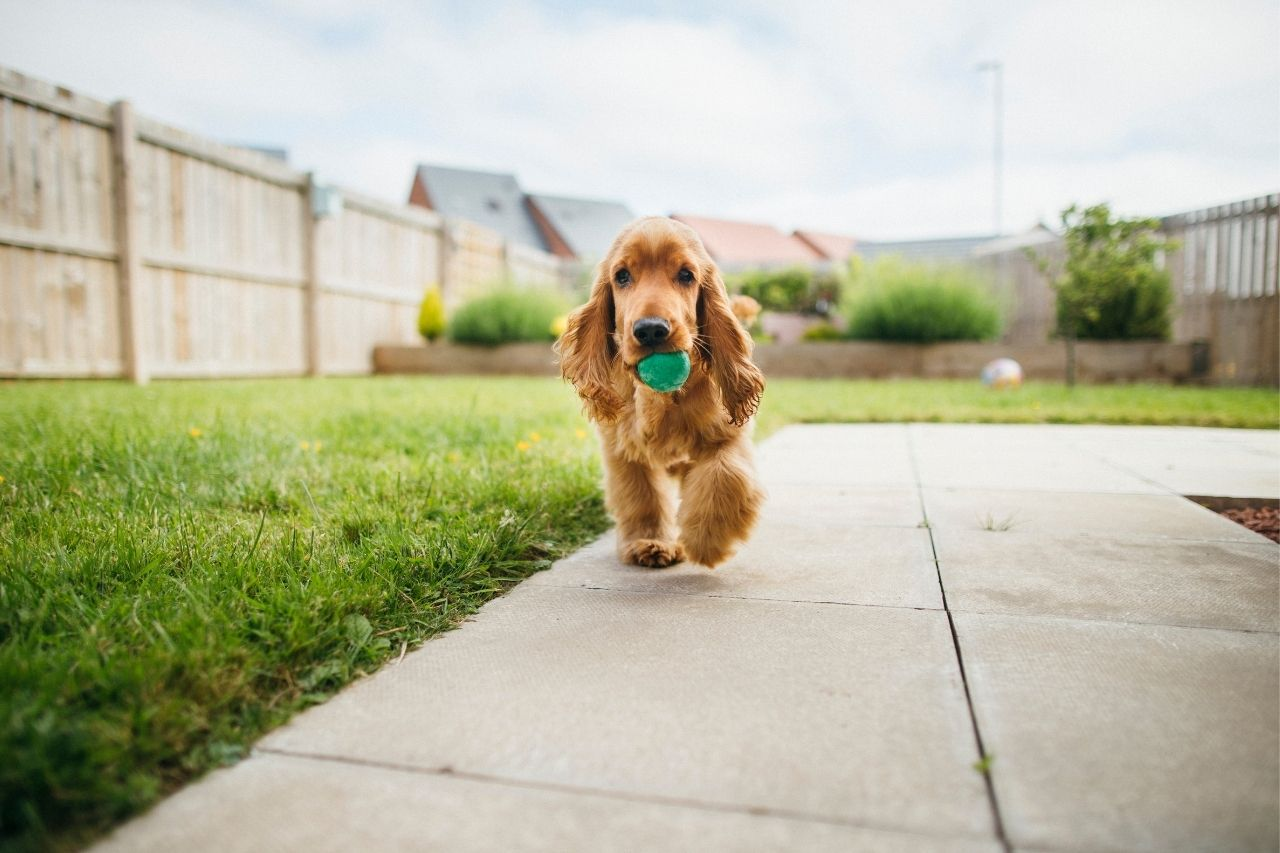
Welcoming a puppy into your whānau is full of firsts – including their first toy! And let’s be honest, watching your pup bounce after a ball is one of the true joys of pet parenting. But before the fun really begins, it’s important to know how to safely introduce fetch toys to puppies. At Petdirect, we get pet, which means we understand how to make playtime joyful, not overwhelming, for your curious canine. Let’s dive into tips that keep tails wagging and learning on track.
Why Fetch Is Great For Puppies
Fetch does more than burn off zoomies — it’s a great way to build a strong bond with your puppy, support their mental stimulation, and boost physical development. As a form of training, fetch can help teach recall, focus, and self-control. But just like toddler-proofing a playroom, puppies need the right setup to stay safe while they learn to chase, chew, and retrieve.
Choose The Right Toy For Your Pup’s Size And Breed
Not all balls are created equal — especially when it comes to puppies. Choose fetch toys for puppies that are lightweight, soft, and appropriately sized for small mouths. Brands like KONG and Chuckit! create toys specifically designed for pups in their wobbly, teething stage. Avoid hard materials or toys that are too small, as they may pose a choking hazard.
For Kiwi breeds like the energetic Labrador or curious Jack Russell Terrier, a durable rubber ball or fabric flyer may suit their high-endurance playstyle. If you’ve got a toy breed like a Chihuahua, go smaller and softer to prevent strain on growing jaws.
Set Up A Safe Environment For Fetch
Puppies are still finding their paws, so playtime safety is a must. Choose a soft, enclosed area like a backyard or carpeted space where your pup won’t slip, run into obstacles, or vanish in the blink of an eye. If heading outdoors, steer clear of dog parks until your puppy is fully vaccinated.
Indoors, keep valuables and furniture out of the play zone — enthusiastic pups can bump into or chew anything! You might use dog pens or crates to create a safe spot for calm play or breaks.
Introduce The Toy Slowly And Positively
As tempting as it may be to throw and go, slow intros work best. Let your puppy sniff and explore the toy first. Some toys can be made even more exciting by adding a treat or familiar scent. You might even use training treats as rewards for showing interest or picking up the toy.
Keep sessions short at first — a few minutes is plenty. Use a cheerful voice, praise, and lots of encouragement. If your puppy doesn’t instinctively bring the toy back (totally normal!), try running a short distance away and calling them. Avoid tugging the toy from their mouth — instead, reward returning behaviour to gently teach the fetch routine.
Monitor Play For Safety And Adjust As Needed
Puppies grow quickly, so their toy needs may change just as fast. Check toys regularly for wear and tear, and retire anything that becomes too small, damaged, or unsafe to chew. If your puppy starts chewing rather than fetching, you may want to explore chew-safe toys or teething alternatives between fetch sessions.
For overly excitable pups who struggle to settle, consider calming tools like calming sprays or comfort toys after play. It's all part of helping your puppy feel secure during learning and down time.
Making Fetch Fun And Safe From The Start
Fetch should always be a fun, enriching game — not a confusing experience. With the right toys, a safe space, and a dose of patience, your puppy will soon be racing back with their prize in tow. Remember, every puppy learns at their own pace, and that’s perfectly OK.
At Petdirect, we get pet, which means we’re here with expert advice, playful products, and rewards just for pet parents. Browse our range of fetch toys for puppies to find your pup’s new favourite, and enjoy savings and convenience with our Pet Perks loyalty programme or Autodeliver subscription. Now that’s a win-win (or should we say fetch-fetch?).