Do Pets Need Sunscreen?
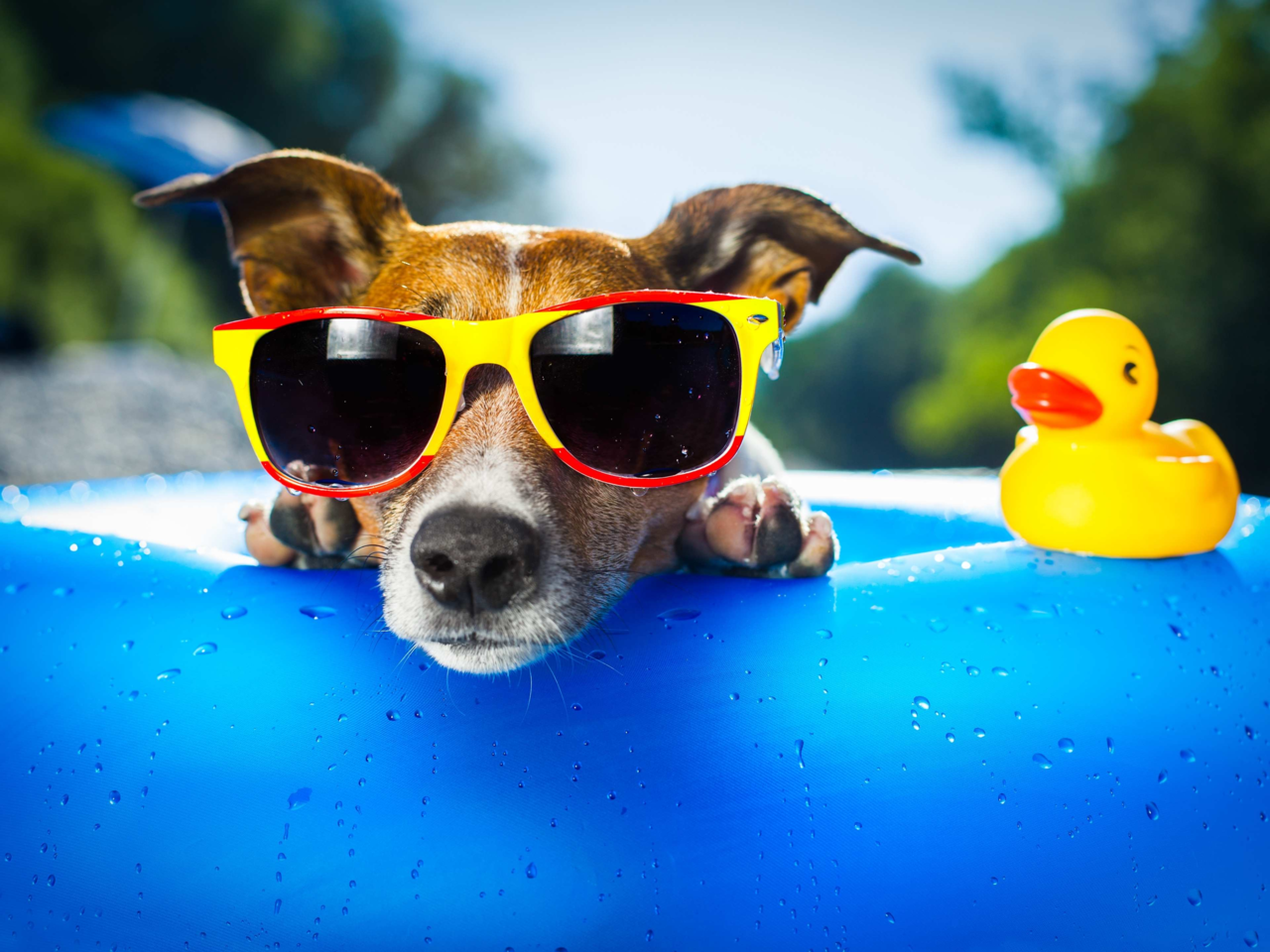
Dogs and cats can get sunburnt, particularly where skin has little hair covering it. A sunny garden, balcony or favourite outdoor resting spot can leave exposed areas in direct sunlight.
Some pets may need a suitable sunscreen as part of their sun-care routine, but choosing the right product matters. Start with shade and a comfortable indoor option, then check the exact species and directions on any product you plan to use.
Quick answer
Yes, some dogs and cats need extra protection for exposed skin. Reduce direct sun exposure first, and use only a sunscreen labelled for the animal you are applying it to. Follow that product’s instructions rather than a general application timetable. Dog sun-care products are not automatically suitable for cats, and sunscreen does not protect against overheating.
Notice the skin that is exposed
Look at areas with little hair, including the nose, ear tips and belly, rather than assuming a thick-looking coat covers every spot. Fair skin and light hair deserve particular attention. A pet lying on their back may expose skin that is covered while they are standing.
Check where your pet spends time during the day. A patch of shade can move, leaving a resting place exposed. Give your pet a choice of comfortable places and bring them inside when a shaded option is no longer available.
This is not a reason to shave a coat for summer. Removing hair can expose more skin. Keep the focus on comfortable conditions and sun avoidance, rather than changing the coat to make sunscreen application easier.
Make shade the first step
Set up a shaded resting area with fresh water and an easy route to a comfortable indoor space. Recheck the area as the sun moves. A shelter that becomes hot or stuffy is not a useful alternative just because it blocks direct sunlight.
- Move outdoor activities away from exposed areas.
- Keep a comfortable indoor resting place available.
- Check patios, balconies and decks before allowing access.
- Change or cancel an outing if shade and comfort cannot be maintained.
A clock time alone cannot tell you whether an outing suits your pet. Our guide to morning versus evening dog walks covers planning around the conditions.
Choose sunscreen for the right animal
Read the current label before applying a product. Check the intended species, any age restrictions, suitable application areas and precautions. Do not substitute your own sunscreen or assume that a product described for dogs can also be used on a cat.
For dogs, a stick and a wipe offer different application formats. Choose according to the label and what your dog calmly accepts, not a claim that one format provides better protection. The dog products below are not recommendations for cats.
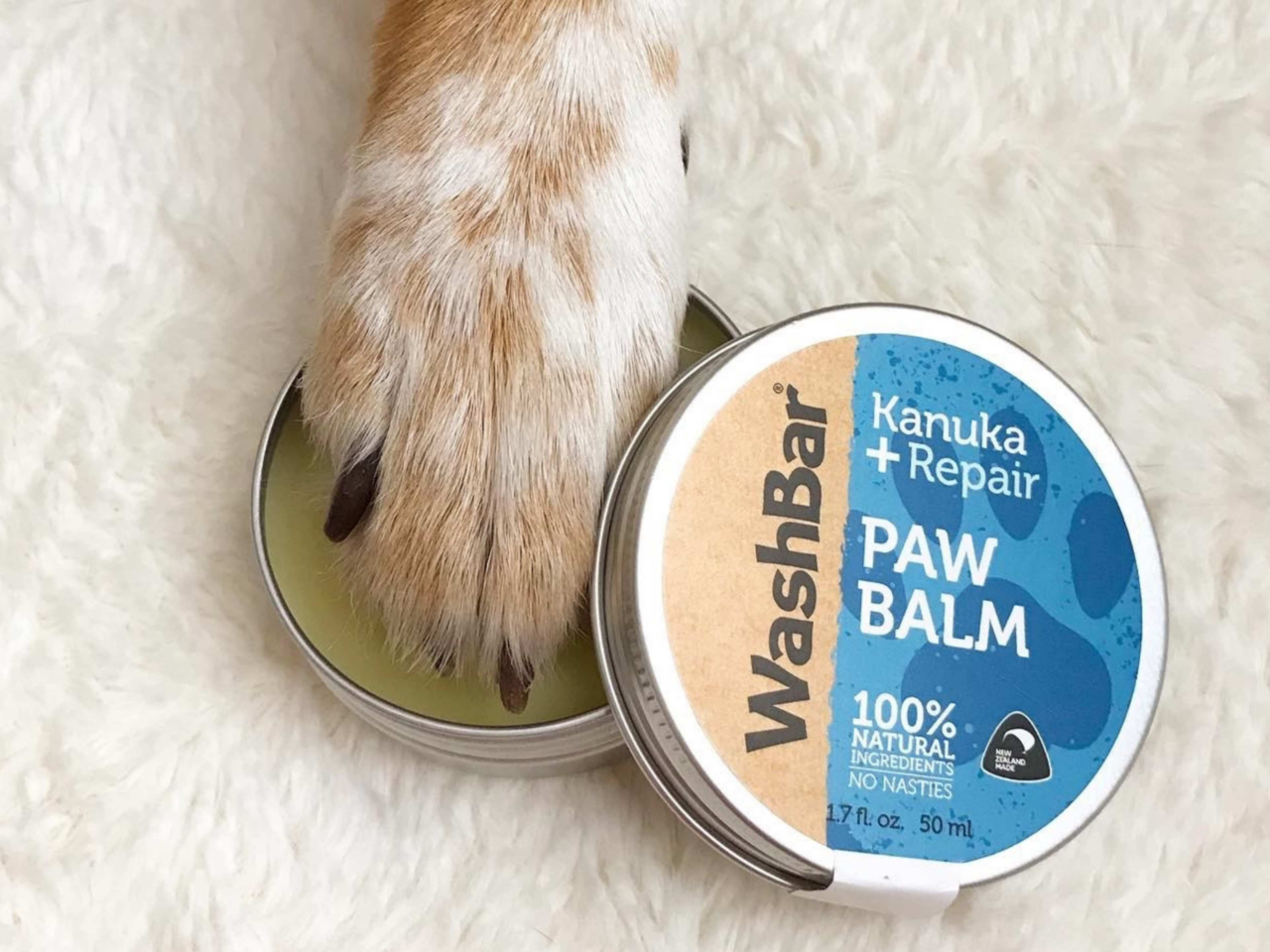
Browse the sun-protection range and check the individual product directions before choosing. Avoid drawing your own conclusions from an ingredient list or a human sunscreen rating.
Follow the product label, not a shared timetable
There is no single set of directions to copy across all pet sunscreens. Read how the chosen product should be applied, where it should be kept away from, and when its label says to reapply. Check the packaging again when replacing a product rather than relying on a remembered routine.
Keep application calm and stop if your pet is distressed. Do not put a product into eyes or the mouth, use it on damaged skin contrary to its directions, or apply extra because your pet will be outdoors for longer. More sunscreen is not a substitute for less sun exposure.
If a label does not clearly include your pet’s species or circumstances, do not improvise. Choose a shaded indoor plan instead. Skin that is already sore needs assessment, not another layer of a sun-care product.
Keep cat sun care species-specific
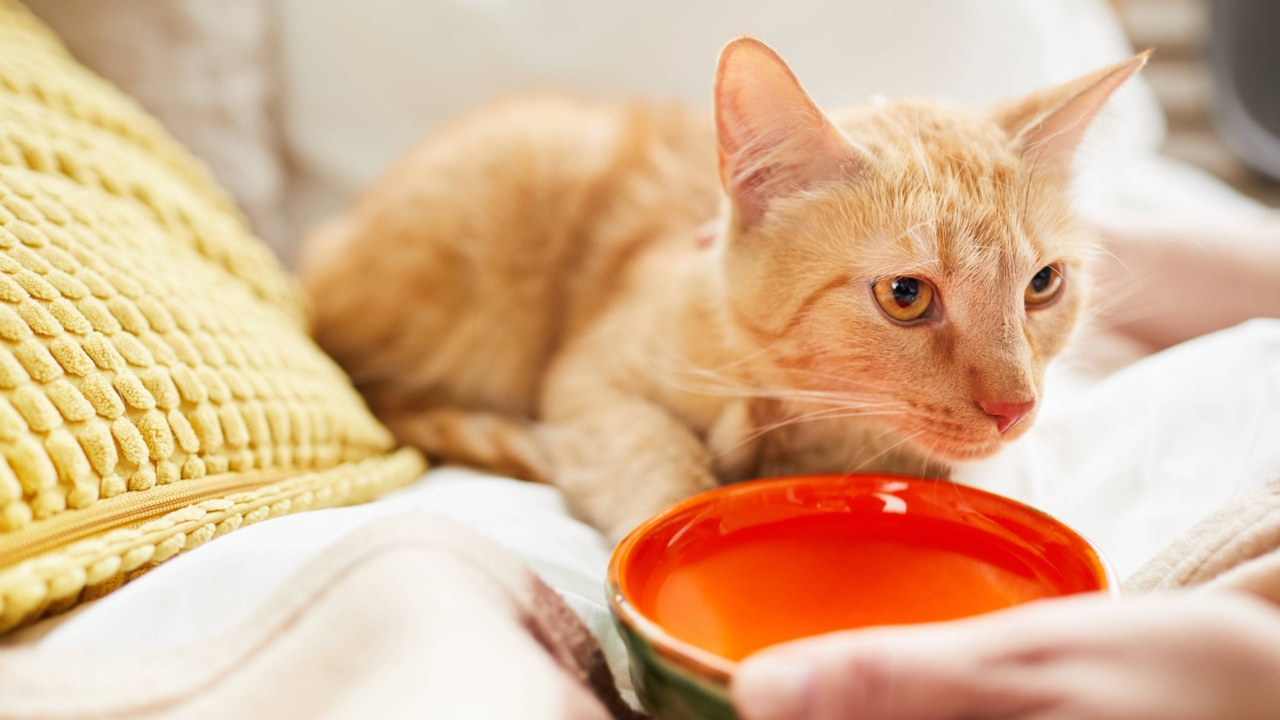
Cats may spend a long time in a sunny resting spot, so look beyond whether they go for outdoor adventures. Offer an appealing resting place away from direct sun and manage access to exposed balconies, patios and garden areas.
The dog sunstick and wipes shown here have not been verified for cats. Do not use them on a cat simply because they are sold for pets. Any topical sun-care product for a cat must explicitly include cats in its directions.
Sun care also needs a comfortable water setup. Our cat hydration guide offers practical ideas, but drinking water does not prevent sunburn.
Separate sun protection from heat and paw safety
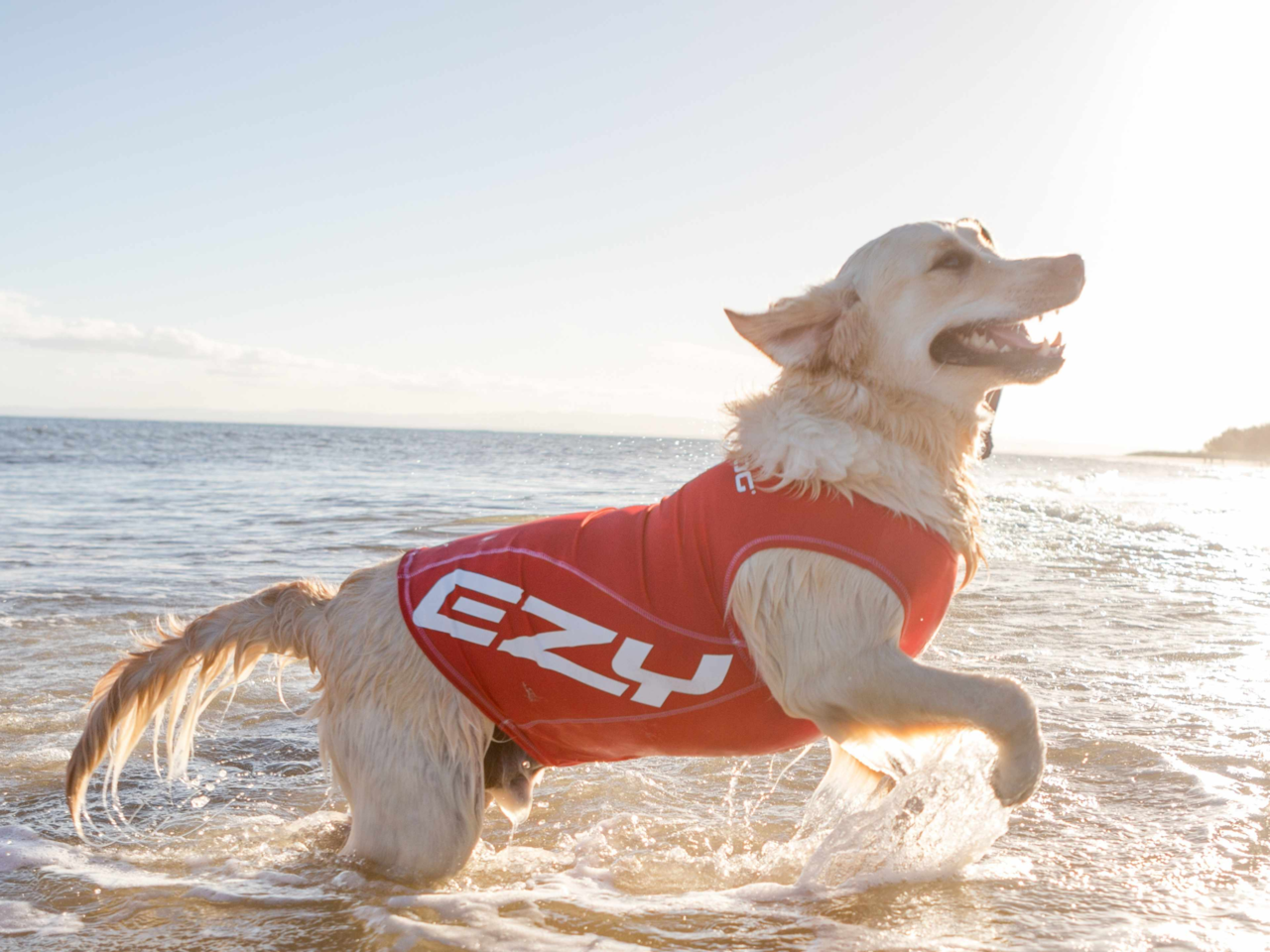
Sunscreen does not cool a pet or make a hot car, footpath or beach safe. Keep checking shade, ground conditions and your pet’s comfort, even after applying a suitable product. Our hot-pavement guide explains why changing the route comes first.
Move your pet out of the sun and contact your vet promptly if exposed skin becomes painful, blistered or visibly damaged. Do not try to treat it by adding sunscreen or human skin creams.
Heavy panting with weakness or difficulty breathing needs urgent attention. Move to a cooler place and contact your vet immediately. Sun-care products are not treatment for heatstroke; see overheating warning signs for more guidance.
Frequently asked questions
Do all dogs and cats need sunscreen?
Not every pet has the same exposure. Pay attention to skin with little hair and reduce direct sun first. Any sunscreen must be labelled for the animal and used according to its own directions.
Can I use human sunscreen on my pet?
Do not substitute your own sunscreen. Choose a product explicitly labelled for your pet’s species, then check its application areas and precautions.
Can I use dog sunscreen on my cat?
Not unless the product label explicitly includes cats. The dog sunstick and wipes featured here have not been verified for cat use. Use shade and a comfortable indoor resting option instead.
How often should I reapply pet sunscreen?
Follow the specific product’s current directions. Do not use one timetable for every sunscreen or assume the same directions apply after changing products.
Does sunscreen make a summer walk safe?
No. It does not prevent overheating or protect paws from hot ground. Assess the route and conditions, and shorten, postpone or cancel the walk when needed.
What if my pet’s skin is already sore after sun exposure?
Move them away from direct sun and contact your vet promptly for painful, blistered or damaged skin. Do not use sunscreen or human skin creams as treatment.
Related reading
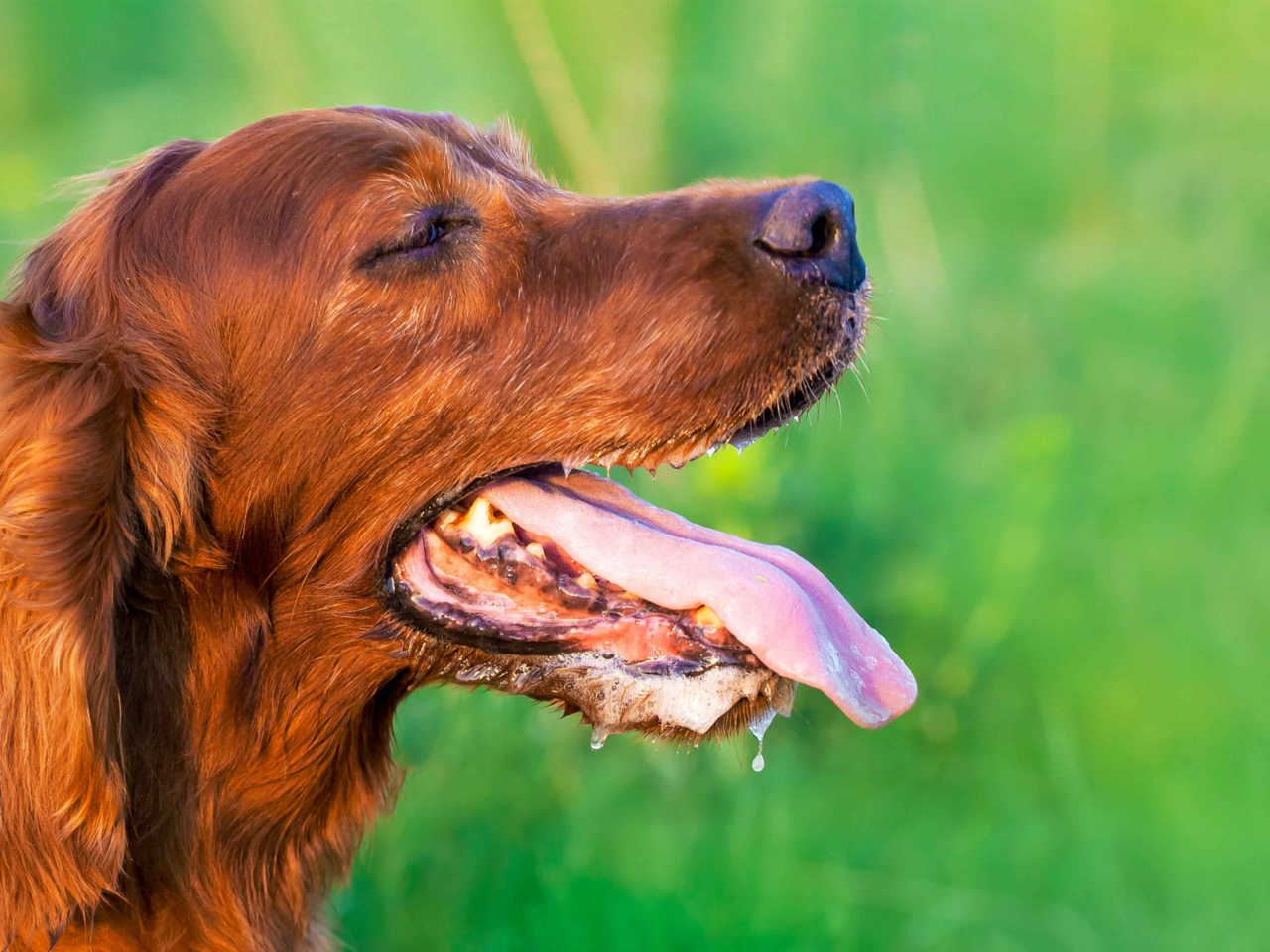
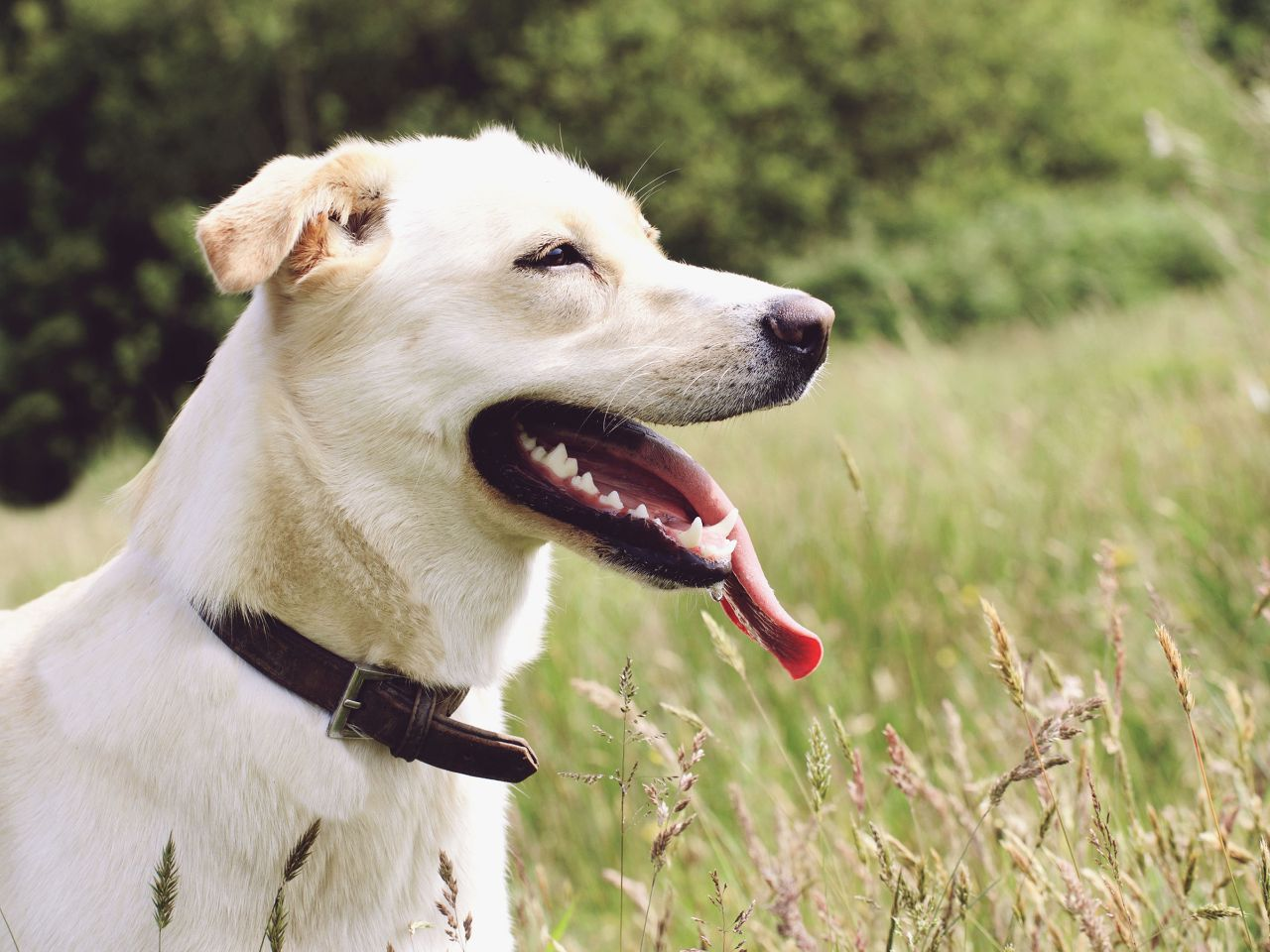

Put shade first in your pet’s sun-care plan
Explore sun-care options, then check the species and directions on each product. Sunscreen supports a careful routine; it does not replace shade or a comfortable indoor space.
Explore sun protection