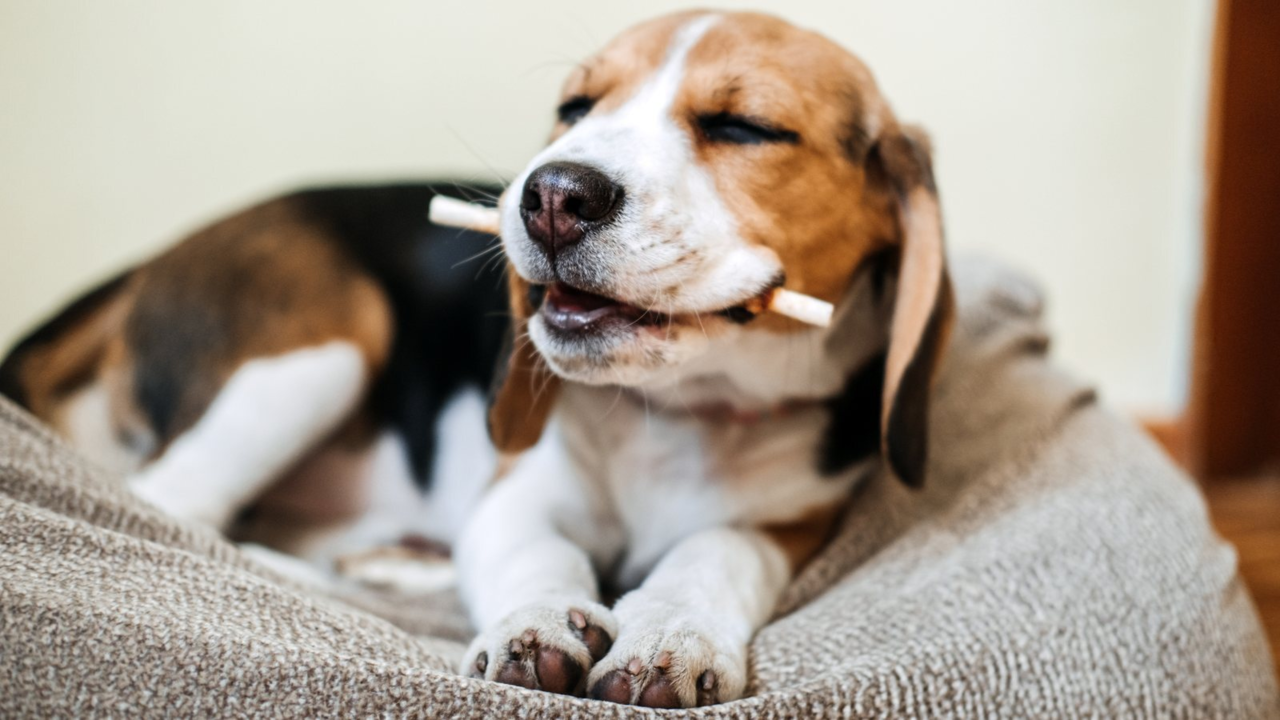
Small dogs can bring a big personality to every part of the day, including tooth care. Their smaller mouths make a well-fitted routine especially useful: a brush that reaches comfortably, a chew that matches their size and a daily habit that does not turn into a wrestling match.
This guide is about the practical details. It helps you organise tooth care for a small dog around crowded teeth, tiny tools and chews chosen for the dog in front of you, not simply the biggest dental product on the shelf.
Quick answer
For a small dog, choose a small brush or finger brush that you can control easily, use toothpaste made for dogs and select chews by the pack’s size guidance. Build the routine in short, calm sessions and supervise chews. A chew can be a useful part of home care, but it does not replace brushing or help for a mouth that seems sore.
Why little mouths need a well-fitted routine
Teeth sit close together in a small mouth, so it can be harder to see every surface at a glance. That does not mean you need a complicated set-up. It means small, regular actions tend to be more useful than an occasional long session.
Choose a quiet time when your dog is already settled. Lift the lip for a brief look, then stop while the experience is still easy. As your dog becomes familiar with the routine, you can work around the outside surfaces a little at a time. The aim is a predictable habit your dog accepts, not a perfect session on day one.
Small and steady
Short sessions make it easier to hold your dog securely without pinning or rushing them. A few calm seconds can be plenty when you are introducing a new step.
Easy to reach
A compact brush head or finger brush can help you reach the back teeth while keeping your view of the mouth clear.
One routine
Use the same place, cue and time of day where possible. Familiarity helps a small dog understand what happens next.
Start with a gentle mouth check
A quick look while your dog is relaxed helps you notice ordinary changes and makes brushing feel less unfamiliar. Begin by touching the cheek and lifting the lip for a second, then reward calm behaviour with praise or a planned part of their normal treat allowance.
Look for obvious food caught around the teeth, a build-up along the gum line or a change from your dog’s usual breath. Keep the check light and brief. Forcing the mouth open can make tomorrow’s brush harder than it needs to be.
When a small dog needs more than a home routine
If your dog is drooling, pawing at the mouth, bleeding, dropping food, refusing food, crying when chewing or has a suddenly loose or broken tooth, speak with your vet promptly. Skip hard chews until you have guidance for a painful mouth.
Tiny brushes make control easier
A small dog does not need a tiny amount of care. They do need a tool you can move gently and accurately. Finger brushes are useful for introducing mouth handling because they sit close to your fingertip. A compact toothbrush can give you more reach once your dog is comfortable with the process.
Use toothpaste made for dogs, never human toothpaste. Begin with a little toothpaste on your finger or brush, then work on the outside of the teeth with small, slow movements. You do not need to hold the mouth wide open. Let your dog swallow normally, pause often and finish before they become restless.
Build brushing up in small steps
Days one and two: handle and lift
Touch the muzzle, lift the lip briefly and reward calm behaviour. Do not aim for teeth yet if your dog is unsure.
Days three and four: introduce the taste
Let your dog taste a small amount of dog toothpaste from the brush or your fingertip. Keep it low pressure and familiar.
Days five and six: brush a few front teeth
Use small circles on the outside surfaces, then stop. The goal is a comfortable finish, even if you have only managed a few teeth.
From day seven: add more gradually
Work towards the back teeth over several sessions. Once brushing is accepted, keep it as a regular part of the week.
Choose chews by dog size, not by enthusiasm
A determined little dog may happily tackle a chew that is too large, too hard or not meant for their size. That is not a reason to let them carry on. Check the pack’s size guide, choose the smaller option when it fits your dog’s weight and supervise the first few times you offer any new chew.
Take the chew away if it becomes a small hard piece, if your dog tries to swallow it whole or if chewing looks difficult. Chews work best when they are one planned part of the day, not an open-ended snack. Adjust other treats or food if needed so the daily routine stays balanced.
Make treats and food part of the bigger picture
Dental chews are not a substitute for the brushing habit, but they can be a useful cue that the day’s care is complete. Offer them when you can supervise, follow the serving guide and choose the size labelled for your dog. This makes it easier to spot whether the chew is being worked through comfortably.
Some small dogs also eat a daily dry-food option chosen for their size and routine. If you are changing food, make a gradual transition rather than replacing every meal at once. The useful choice is one that suits your dog’s normal feeding plan and keeps the rest of their care routine manageable.
Common small-dog dental-care mistakes to skip
Using a human toothpaste
Keep human toothpaste out of the routine. Use toothpaste made for dogs and follow the product directions.
Choosing by pack size alone
A big-value bag can still contain a size that is not right for a small dog. Check the individual chew’s size guidance before serving.
Trying to do everything at once
New brush, new toothpaste and a long session can be a lot. Introduce one change at a time so you can see what your dog accepts.
A simple weekly rhythm for small dogs
There is no need for a complicated chart on the fridge. Choose a rhythm you can keep: a brief mouth check several times a week, brushing on regular days and size-matched chews when they suit your dog’s food allowance. The more ordinary the habit feels, the more likely it is to last.
Keep the brush and dog toothpaste together in a dry, easy-to-reach spot. When a product runs low, replace it before the routine has a chance to disappear. For dogs who enjoy a chew after brushing, use that moment as a calm finish rather than a way to persuade them through a stressful session.
FAQs about dental care for small dogs
Do small dogs need a special toothbrush?
A compact toothbrush or finger brush can be easier to control in a smaller mouth. Choose the option your dog accepts and that lets you reach the outside surfaces comfortably.
Can I use a dental chew instead of brushing?
No. A chew can be a helpful addition to a home routine, but it does not replace brushing with dog toothpaste.
How do I choose the right chew size?
Use the manufacturer’s size and weight guidance, supervise your dog and remove a chew that becomes a hard small piece or is being swallowed whole.
What if my dog dislikes the brush?
Go back to short handling sessions, offer a small taste of dog toothpaste and build up slowly. Stopping while your dog is calm is more useful than pushing for a longer session.
Can small dogs have dental food?
Choose food based on your dog’s normal feeding needs and make any change gradually. A size-appropriate dry option can sit alongside brushing and carefully selected chews.
What should I do if my dog drops food or paws at the mouth?
Those can be signs of discomfort. Avoid hard chews and speak with your vet promptly, especially if there is bleeding, reluctance to eat or a broken tooth.
How can I keep the routine manageable?
Leave the tools together, use the same quiet spot and aim for short repeatable sessions. A small routine done often is easier to maintain than an occasional long one.
Find dental treats and care tools for your dog
Browse dog treats and choose options that match your dog’s size, feeding plan and everyday routine.
Shop dog treatsRelated reading
Best Dental Chews for Dogs in NZ: What to Look For
How to Brush Your Dog’s Teeth: Step-by-Step Dental Care for NZ Dogs
Dog Dental Care: How to Keep Your Dog’s Teeth Clean Without Brushing

A Home Dental Care Guide to Preventing Bad Breath in Dogs & Cats
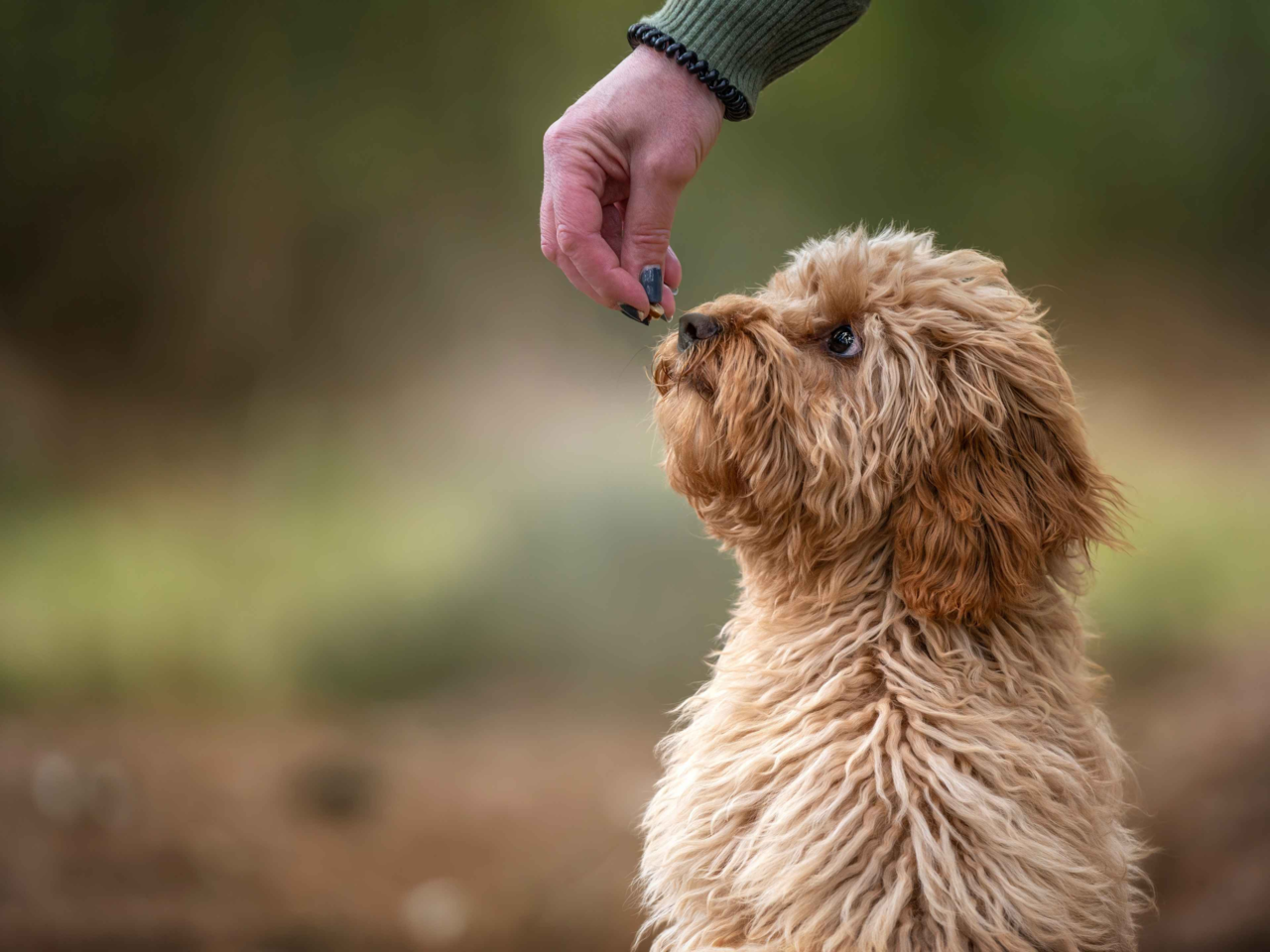
Choosing the Best Treats for Small Dogs: Nutrition, Safety & Training Tips

Small Dog Breeds in NZ: Best Picks For Apartment Living