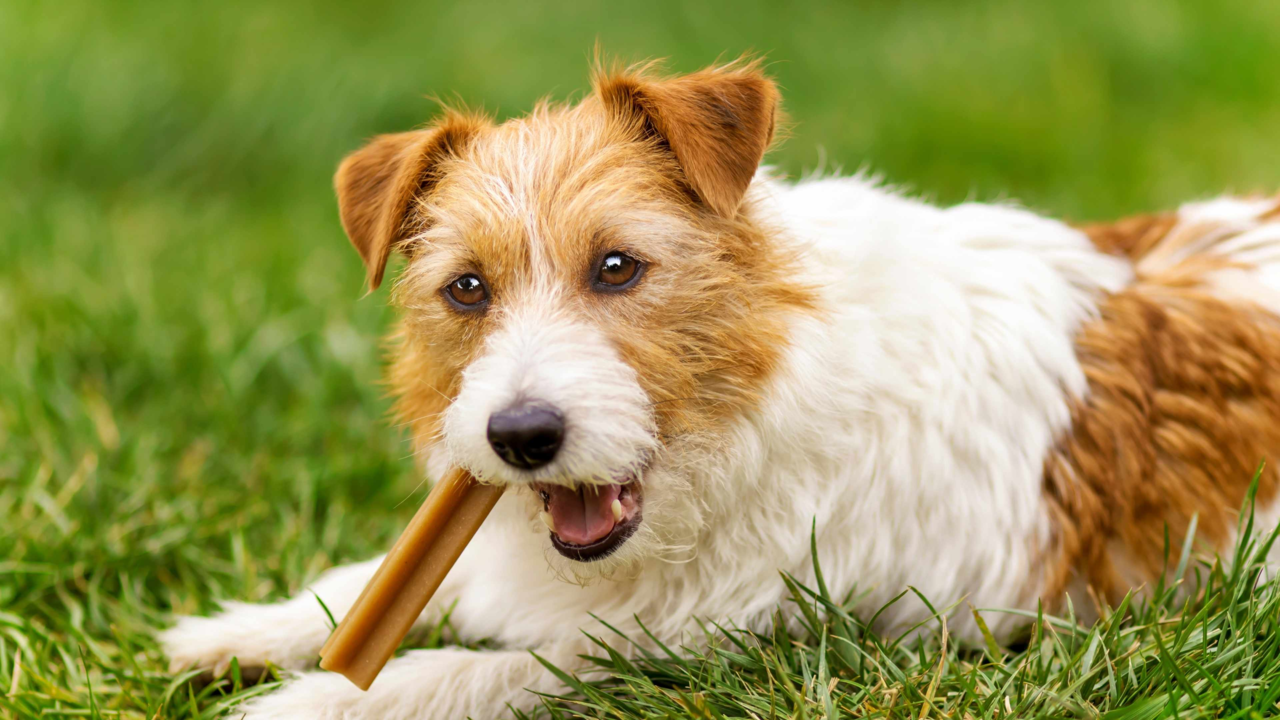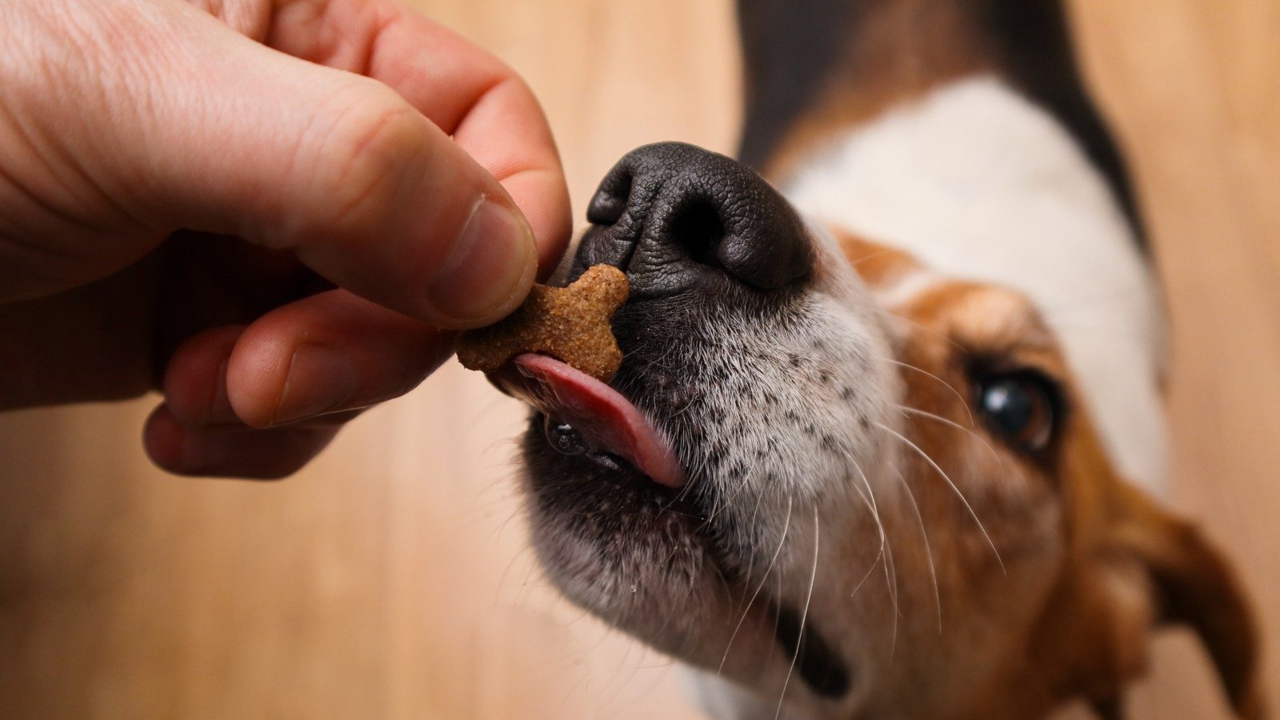
Dental chews can be an easy way to add more tooth care to your dog's day. The trick is choosing one that matches their size, age and chewing style, rather than reaching for the first bag with a dental claim on the front.
This New Zealand guide compares popular styles of dental chew, explains what to check on the pack and shows how they can fit alongside brushing and regular dental checks.
Quick answer
The most suitable dental chew is correctly sized for your dog, takes more than a few seconds to finish and has clear feeding directions. Look for a textured shape, an age and weight guide, and ingredients that suit your dog's usual diet. Dental chews can support a consistent oral care routine, but they do not replace toothbrushing or treatment for an existing dental problem.
What makes a dental chew a good fit?
A chew needs enough contact with the teeth to be useful, while still being safe and manageable for your dog. These three checks help narrow the options quickly.
Correct size
Use the weight guide on the pack. A chew that is too small may be swallowed quickly, while one that is too large may be difficult for a small dog to hold and work on.
Useful texture
Ridges, grooves and shaped surfaces help the chew make contact as your dog bites. The chew should be firm enough to last, but suitable for your dog's teeth and chewing ability.
A repeatable routine
Many dental chews are designed for daily use. Check the feeding directions, include the chew in your dog's daily treat allowance and choose an option you can give consistently.
How do popular dental chews compare?
There is no single dental chew that suits every dog. Some focus on shaped surfaces, some offer plant-based recipes, and others come in a particularly wide range of sizes. Use the comparison below as a practical starting point.
| Dental chew | Useful features | Check before choosing |
|---|---|---|
Virbac Veggiedent Dog Treats | Plant-based recipe, low-fat formula and a Z-shape that is easy for many dogs to hold. | Choose from the weight-based sizes and follow the daily feeding guide. |
Greenies Original Dental Bulk Dog Treats | Textured chew available in Teenie, Petite, Regular and Large sizes. | Made for dogs over six months old and at least 2kg. Match the size to your dog's weight. |
Pedigree Dentastix Daily Oral Care Medium Dog Treats | Distinctive X-shape with versions for small, medium and large dogs. | This medium version is for dogs from 10kg to 25kg. Choose the matching product for other sizes. |
Whimzees Toothbrush Dental Dog Treats | Vegetarian, gluten-free recipe with grooves and a hollow shape. | For dogs over nine months old and at least 2.27kg. Follow the pack's size guide. |
Prozym Dog Dental Sticks | Low-fat stick with small or medium and large dog options. | Pick the option for your dog's weight and supervise them while chewing. |
Mak's Patch Dental Crocodile Dog Treats | Plant-based, grain-free and gluten-free recipe with a textured crocodile shape. | Use the pieces-per-day guide for your dog's weight and count them within the treat allowance. |
How do you choose the right size?
Start with your dog's current weight, not their breed label or how large they look. Read the full pack guide because brands use different weight bands. A product called small in one range may not match a small product in another.
Size also affects how your dog handles the chew. You want them to settle and chew rather than gulp it immediately. If your dog regularly swallows treats whole, choose a larger suitable size where the directions allow, slow the routine down and supervise closely.
For homes with more than one dog
Separate dogs while they have dental chews. This reduces competition and gives each dog time to chew the product intended for their own weight range.
Do ingredients and calories matter?
Yes. A dental chew is still part of your dog's daily food intake. Check the ingredient list if your dog avoids a particular protein, grain or other ingredient, and use the product's energy information when planning treats for the day.
Words such as vegetarian, grain-free or low fat can help with selection, but they do not make one chew automatically right for every dog. The full recipe, correct size and your dog's individual tolerance all matter. Introduce a new chew gradually if your dog has a sensitive stomach.
Can dental chews replace brushing?
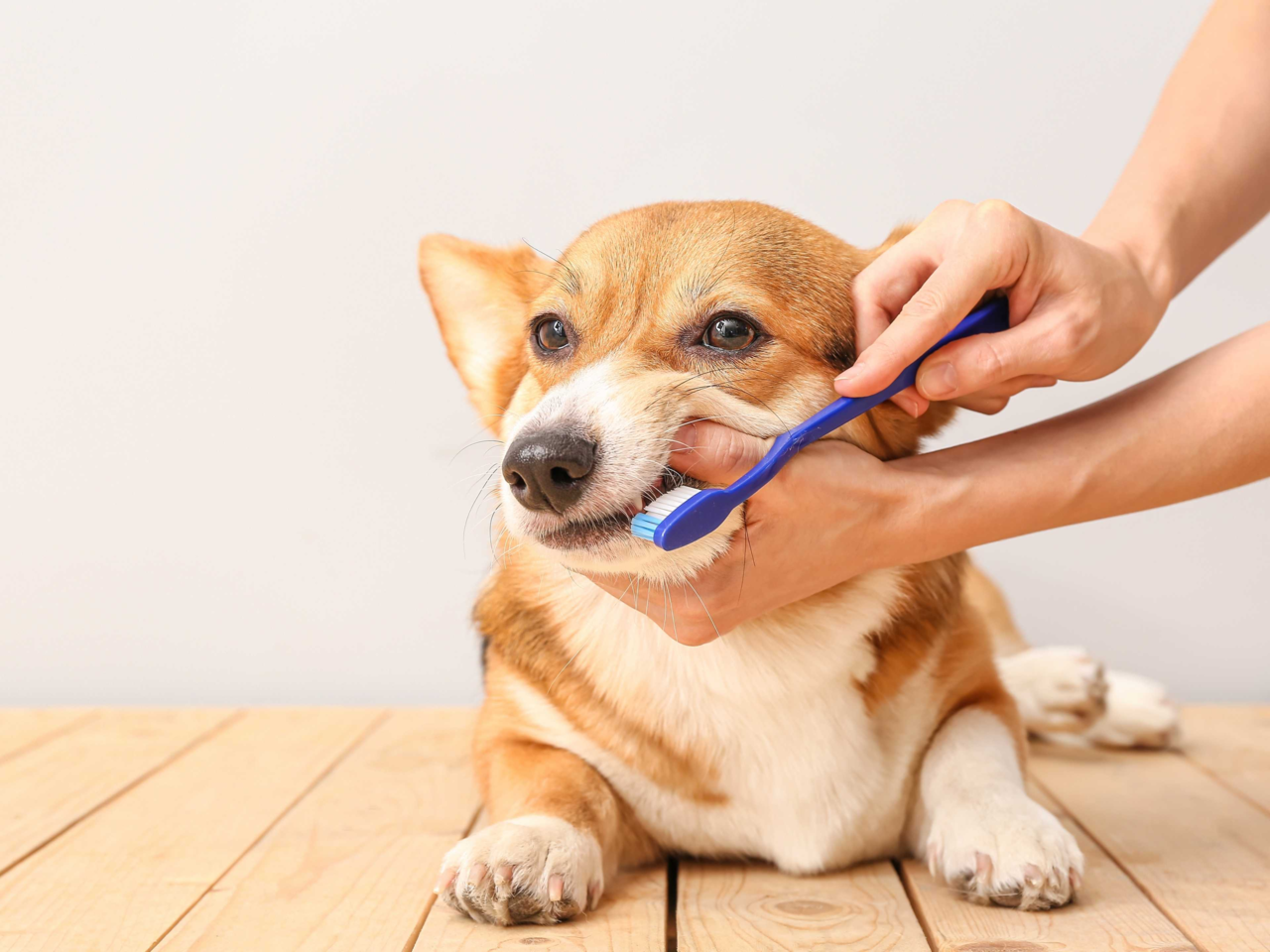
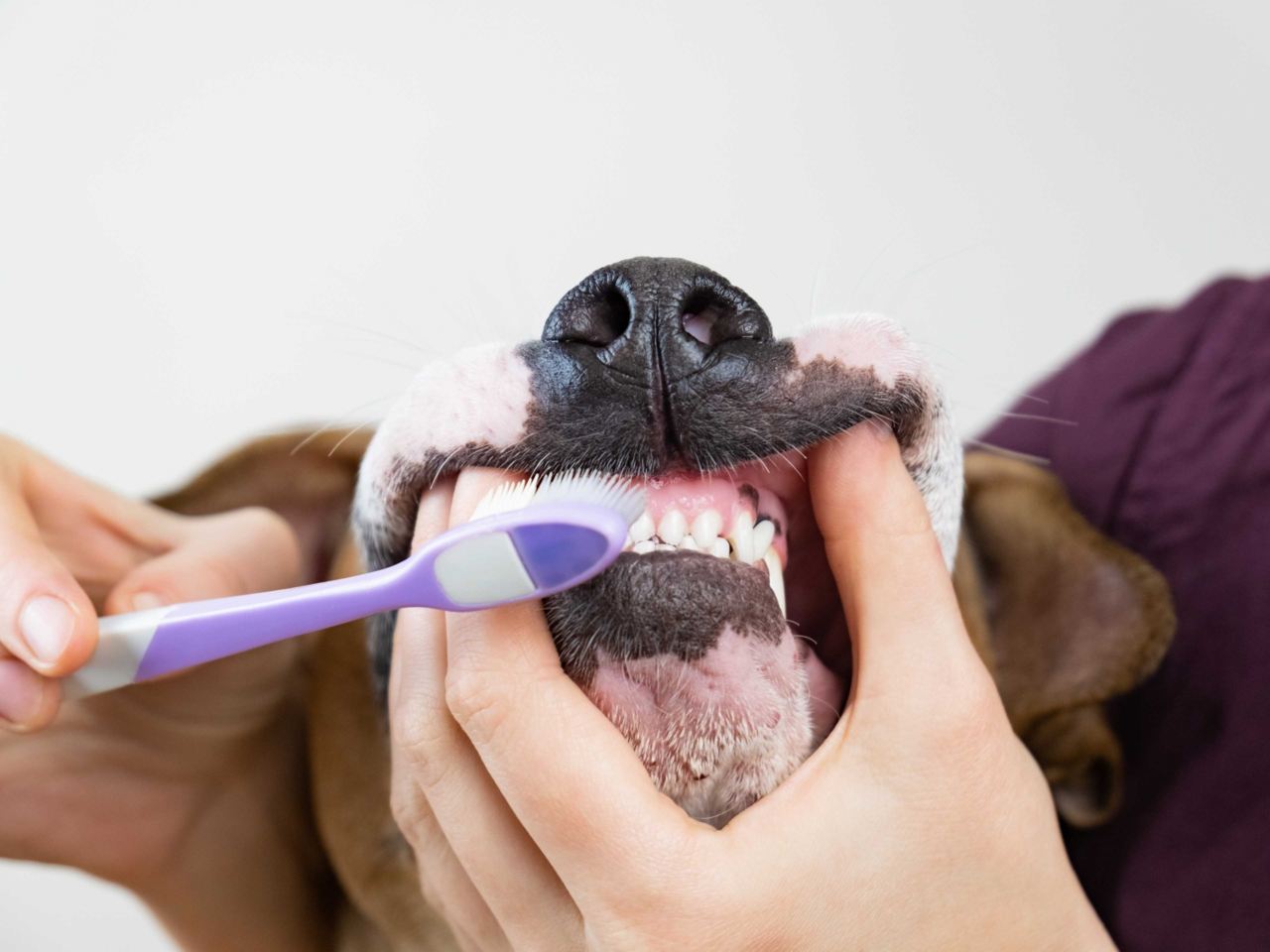
No. Chews are a helpful addition, especially for dogs that are still learning to accept mouth handling, but brushing gives you more control over which tooth surfaces are cleaned. A practical routine can combine regular brushing, suitable dental chews and dental checks.
If brushing is new to both of you, use our step-by-step guide to brushing your pet's teeth. Start slowly with short sessions and a toothpaste made for pets.
How should you give a dental chew safely?
- Check the age and weight directions before opening the pack.
- Choose the correct product size and do not cut it down unless the pack specifically says you can.
- Give the chew when you can supervise your dog from nearby.
- Provide fresh water and keep other pets away until the chew is finished.
- Remove any piece that becomes small enough to swallow whole.
- Stop if the chew causes vomiting, diarrhoea, coughing or repeated gagging, and contact your vet if you are concerned.
When does your dog need more than a chew?
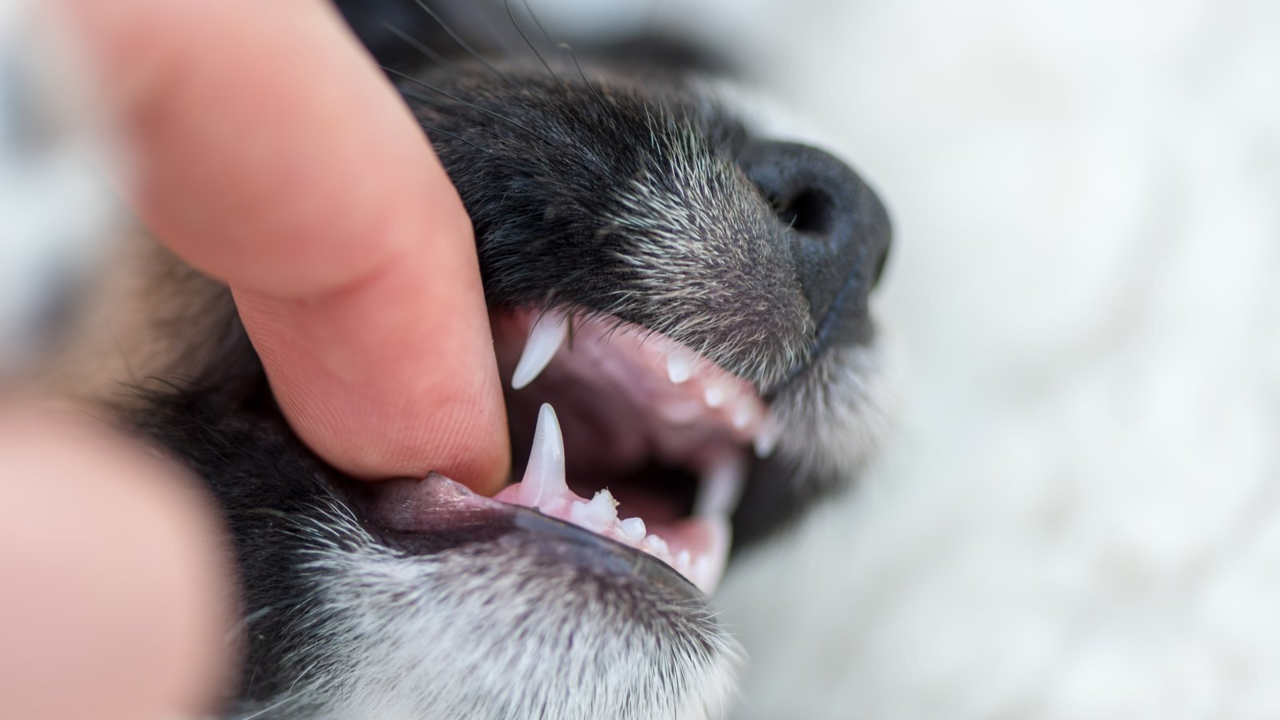
A dental chew is for ongoing care, not for fixing painful or damaged teeth. Book a check with your vet if your dog has bleeding gums, facial swelling, loose or broken teeth, difficulty eating, paws repeatedly at their mouth, or suddenly develops much stronger bad breath.
Your vet can look below the gumline and advise what care is needed. Once any dental problem has been addressed, you can ask whether a particular chew is appropriate for your dog's ongoing routine.
Dental chews to explore at Petdirect
These options cover different sizes, shapes and ingredient preferences. Use the product page and pack directions to confirm the right version for your dog.
Build an easy dental routine
Browse dog dental treats and choose a size that matches your dog's weight, age and chewing style.
Shop dog dental treatsFrequently asked questions
Which dental chew is best for dogs in New Zealand?
The most suitable option is one made for your dog's weight and age, with a texture they chew rather than gulp. Compare the pack directions, ingredients and daily feeding amount instead of choosing by popularity alone.
Can dogs have a dental chew every day?
Many products are designed for daily use, but always follow the directions for that exact chew. Include it in your dog's daily treat allowance and adjust other treats if needed.
How long should a dental chew take to eat?
There is no set number of minutes, but it should encourage more than a quick swallow. If the chew disappears in seconds, check that you have selected the correct size and supervise closely.
Can puppies have dental chews?
Only use a product that lists your puppy's age and weight as suitable. Minimum ages differ between ranges, so never assume an adult chew is suitable for a puppy.
Are dental chews suitable for senior dogs?
They can be, provided your senior dog can chew comfortably and the product suits their weight and diet. Ask your vet before using a chew if they have sore gums, loose teeth or known dental disease.
What if my dog swallows dental chews whole?
Stop offering that size and review the pack guide. A larger suitable option or a different shape may encourage slower chewing. If your dog coughs, retches, struggles to breathe or seems distressed, seek urgent veterinary help.
Do dental chews help with bad breath?
They may help freshen everyday dog breath as part of a wider dental routine. Persistent or suddenly stronger bad breath can be a sign that your dog needs a dental check.
Are dental chews enough without toothbrushing?
No. They can add useful chewing action to the routine, but brushing remains important for regular cleaning. Use chews as one part of dental care rather than the whole plan.