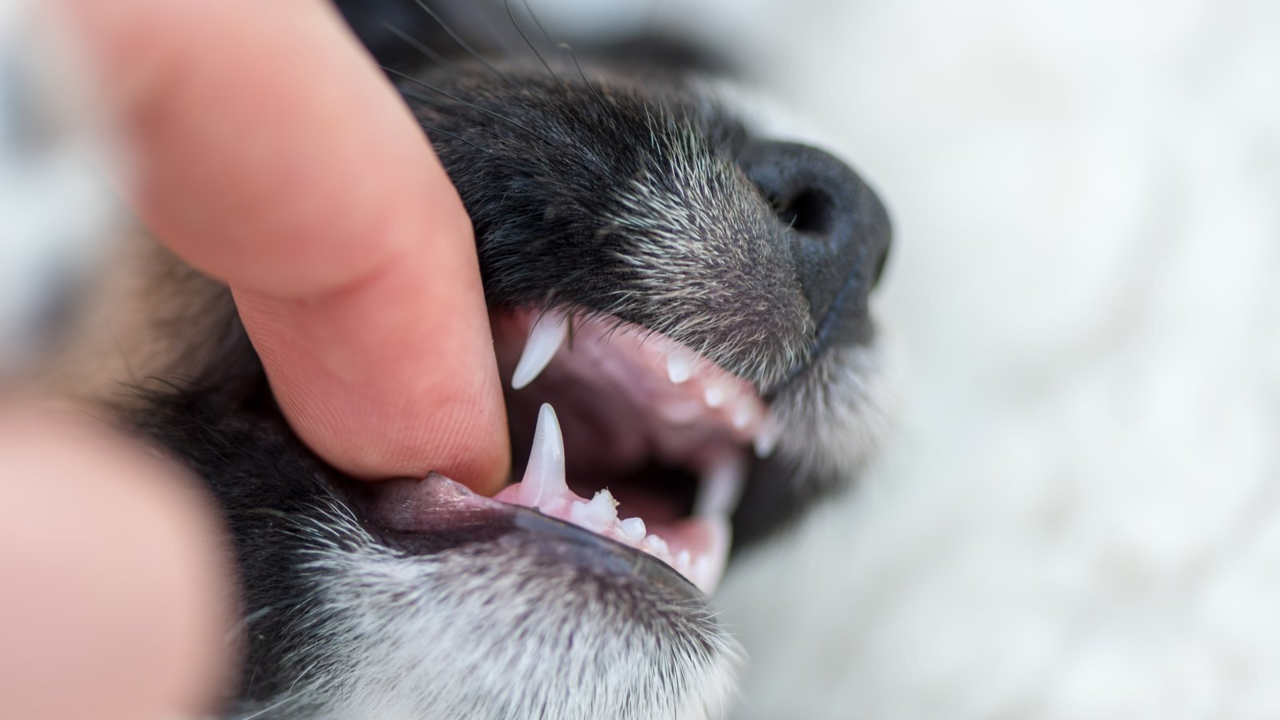
One week your new puppy is all soft mouth and milk teeth, the next they are gnawing the leg of the couch like it owes them money. That switch is teething, and it is one of the most predictable stages of your puppy's first year once you know what to look for.
This guide walks through the puppy teething timeline month by month, the signs to watch for, and simple ways to keep sore little gums comfortable while protecting your furniture. It is a general guide to what is normal, not a substitute for a check with your clinic if something seems off.
Quick answer
Puppies get their first baby teeth at around 2 to 4 weeks old, and the heavy chewing phase most owners notice runs from about 12 to 24 weeks as adult teeth push through. A puppy grows 28 baby teeth, then replaces them with 42 adult teeth, usually finishing by 6 to 7 months. Frozen chews, puppy-specific teething toys and plenty of patience get you through it.
When teething starts and finishes
Puppies are born without teeth. The tiny baby teeth, also called deciduous or milk teeth, come through in the first few weeks while your puppy is still with mum. From around 3 to 4 months those baby teeth start dropping out and the adult set pushes through underneath, which is the phase that turns most puppies into determined chewers.
By roughly 6 to 7 months of age the full set of 42 adult teeth is usually in place and the intense chewing settles down. Smaller breeds and individual puppies can run a little ahead or behind, so treat the ages here as a guide rather than a stopwatch.
The puppy teething timeline, month by month
Here is roughly what is happening at each stage, from newborn to a full adult mouth.
| Age | What is happening |
|---|---|
| 0 to 2 weeks | Newborn and toothless. Puppies feed from mum and have no teeth yet. |
| 2 to 4 weeks | The first baby teeth appear, starting with the small front incisors, then the pointed canines. |
| 5 to 6 weeks | Most of the 28 baby teeth are through. Rough and tumble with littermates starts to teach bite control. |
| 6 to 8 weeks | A full set of 28 baby teeth. Around now many puppies are weaned and ready to head to their new home. |
| 3 to 4 months | Baby teeth begin falling out and adult incisors come through. Chewing and mouthing ramp up noticeably. |
| 4 to 5 months | Adult canines and premolars arrive. This is often the peak of chewing and nipping. |
| 5 to 6 months | The adult molars come in at the back of the mouth. |
| 6 to 7 months | Teething is generally complete with all 42 adult teeth in place. Chewing eases back to normal. |
Signs your puppy is teething
Teething looks a little different for every puppy, but these are the usual giveaways.
More chewing
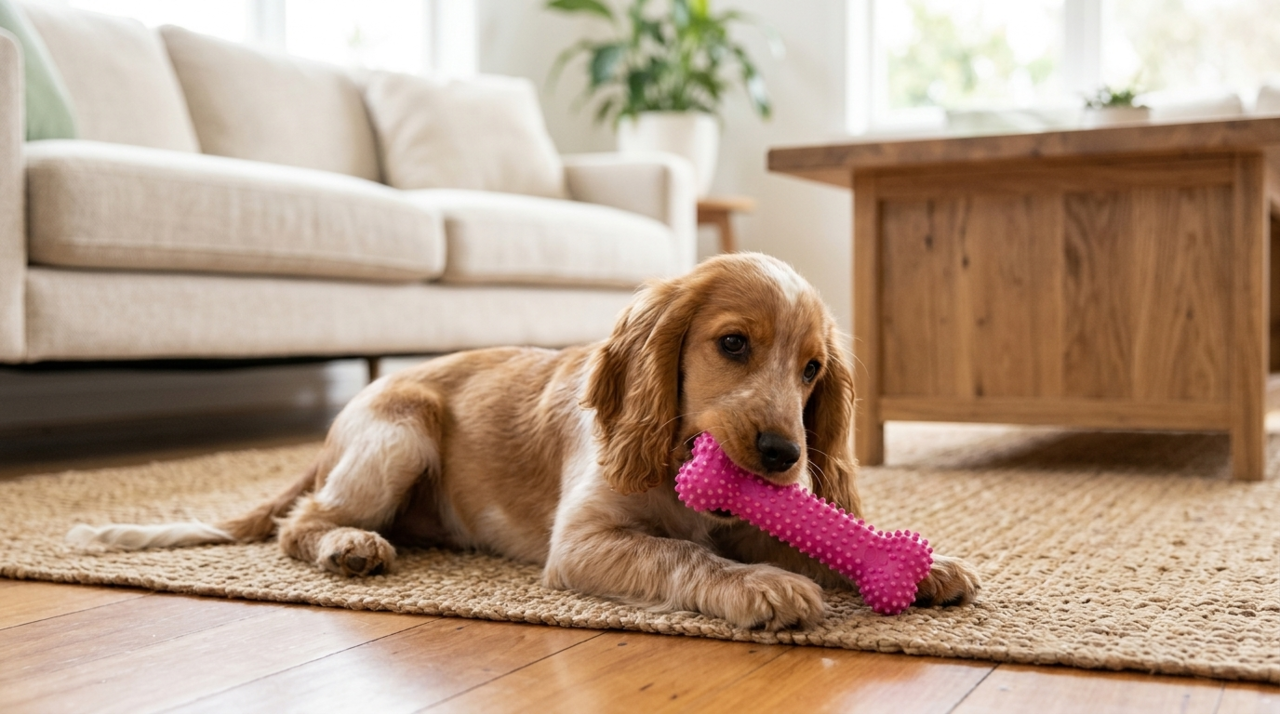
A sudden urge to gnaw on everything, from toys to table legs, as new teeth push through.
Extra drooling
A bit more dribble than usual is common while the gums are busy.
Tiny bit of blood
Small spots on a chew toy, or a baby tooth you find on the floor, are normal as teeth come loose.
Red or tender gums
Gums can look a little swollen or pink where adult teeth are coming through.
Slower eating
Some puppies take their time or mouth their food when their gums feel sore.
Restless nipping
A grumbly, fidgety puppy who wants to mouth hands and ankles is often just seeking relief.
How to soothe sore gums
The goal during teething is simple: give your puppy safe, satisfying things to chew, and make the wrong targets less tempting. A few things that help.
- Chill it. Cold soothes tender gums. Freeze a stuffed rubber toy or a wet lick mat so your puppy has something cool to work on.
- Rotate textures. Keep a few different chews on hand and swap them out so there is always something new and interesting.
- Redirect, then reward. When those needle teeth find your hand, calmly swap in a chew and reward the calm chewing with a small training treat.
- Puppy-proof. Move shoes, cables and anything precious out of reach while the chewing urge is at its peak.
A frozen filled toy or a chilled lick mat is one of the easiest ways to take the edge off a sore mouth.
Teething chews that do the job
Puppy-specific chews are shaped and made with softer give for little mouths, so they satisfy the urge to gnaw without being too hard on new teeth. Nylabone makes a good range built for the teething stage.
Treats for redirecting the nipping
Teething and play biting go hand in hand. Small, soft training treats let you reward your puppy for chewing the right thing and for keeping teeth off skin, which pays off well beyond the teething stage.
What to keep out of the toy box
During teething, softer is safer. Very hard chews can be tough on the fresh adult teeth coming through.
Go easy on hard chews
Skip antlers, hooves, real bones and firm chews designed for adult power-chewers while your puppy is teething, as these can chip or crack erupting adult teeth. Choose puppy-specific chews with a bit of give, always pick a size your puppy cannot swallow, and supervise chewing. Swap out any toy that is starting to break into pieces.
When to book a clinic check
Teething is a normal stage, but a couple of things are worth a quick look. In smaller breeds especially, an adult tooth sometimes comes through while the baby tooth is still firmly in place, giving a double row of teeth. If you notice that, spot a broken tooth, or see gums that stay very swollen and sore, book a check with your clinic. Retained baby teeth sometimes need removing to protect your puppy's adult bite.
Frequently Asked Questions
When do puppies start teething?
The first baby teeth appear at around 2 to 4 weeks old while puppies are still with their mum. The chewier phase most new owners notice, when adult teeth are pushing through, runs from roughly 12 to 24 weeks.
When do puppies stop teething?
Most puppies finish teething by around 6 to 7 months, once all 42 adult teeth are in place. Some small breeds can take a little longer.
How many teeth do puppies have?
Puppies grow 28 baby teeth, which are then replaced by 42 permanent adult teeth.
Do puppies swallow their baby teeth?
Often, yes. Baby teeth usually come out while eating or chewing and are swallowed harmlessly. You might spot the odd one on the floor or stuck in a toy.
Why is my puppy biting so much?
Sore gums plus a natural urge to explore with the mouth means teething puppies mouth everything. Redirect onto a chew and reward calm behaviour. Our guide on puppy toys for teething and training has more ideas.
What can I give a teething puppy to chew?
Puppy-specific chews, a frozen stuffed rubber toy, a chilled lick mat, or teething keys made for little mouths. Cold options are especially soothing for tender gums.
Is a bit of blood normal when puppies are teething?
A few small spots on a toy as baby teeth loosen is usually normal. Heavy or ongoing bleeding, very swollen gums, or a puppy who refuses food is worth a clinic check.
Does teething affect my puppy's appetite?
Some puppies eat more slowly while their gums are sore. Softening dry food with a little warm water can make meals more comfortable during the peak weeks.
Get set for the teething stage
Stock the toy box with puppy-safe chews before the gnawing peaks. Join Pet Perks for free everyday member pricing, and set up Autodeliver on the training treats you reorder to save up to 25% on your first order and 15% ongoing.
SHOP PUPPY TEETHING TOYSRelated Reading
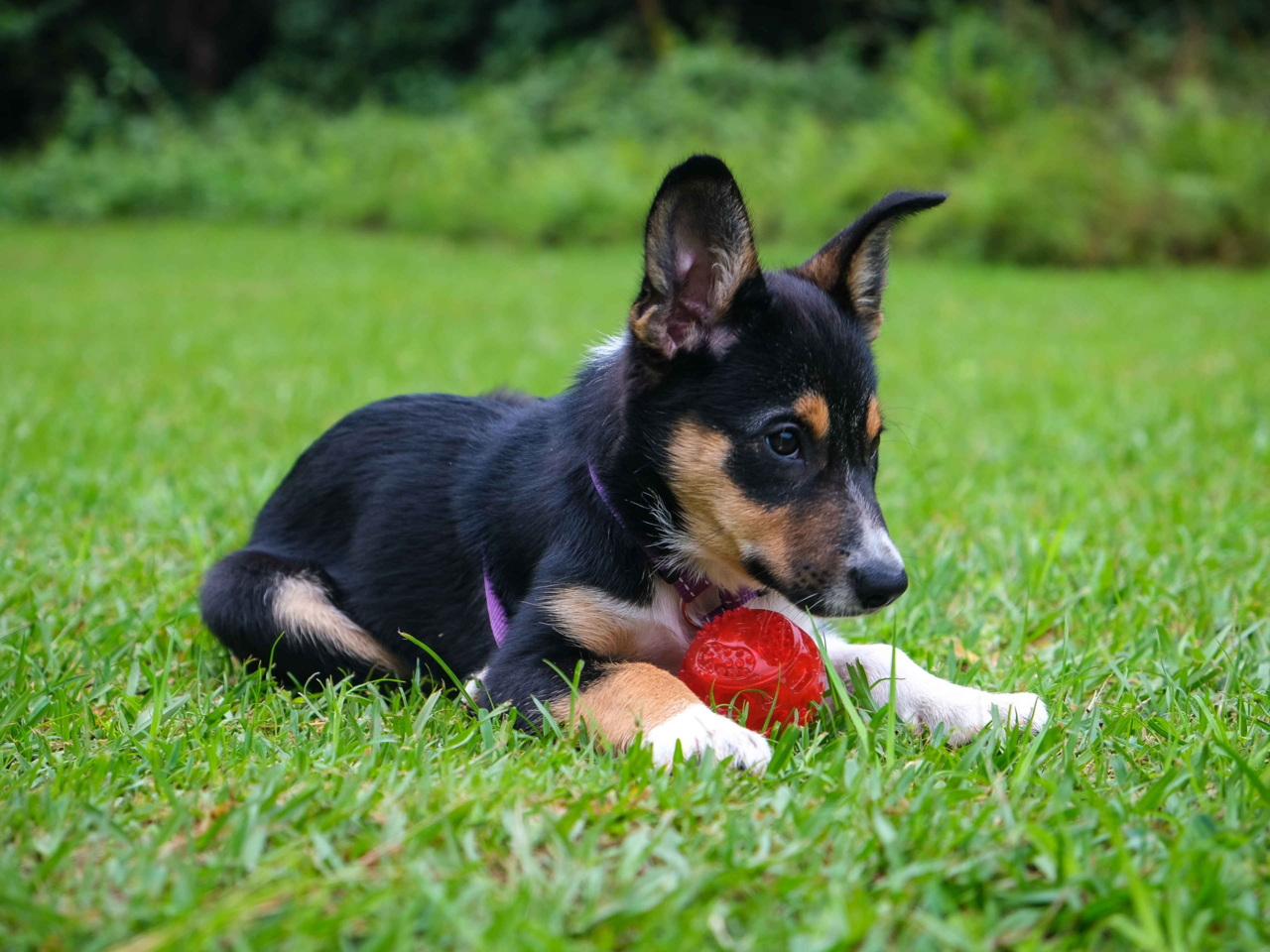
Best Puppy Teething Toys in NZ: Safe, Fun & Soothing Picks
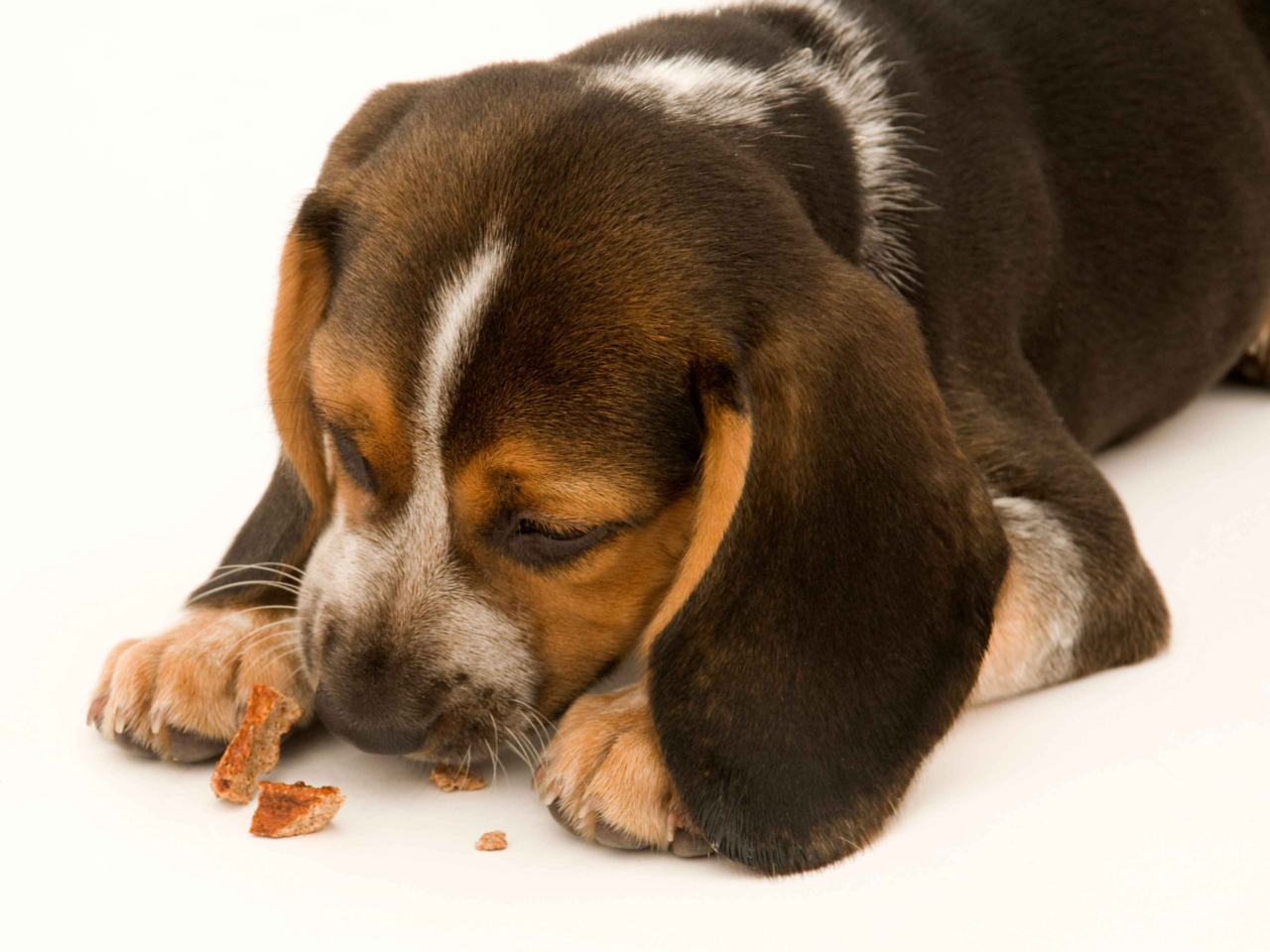
Best Puppy Treats in NZ for Training and Teething
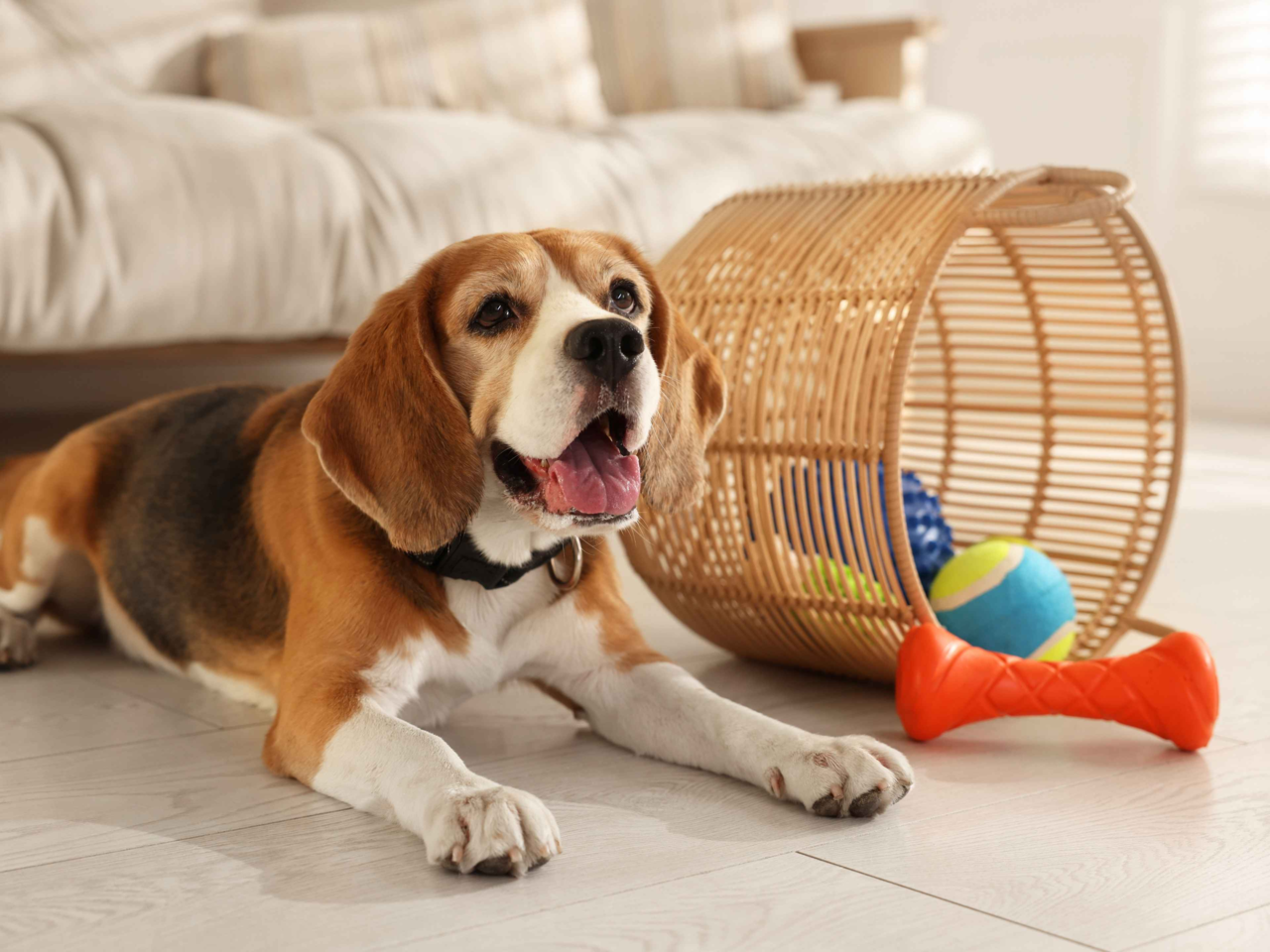
How to Choose the Perfect Chew Toy for Your Dog's Size and Chewing Style
Are Nylabones Safe for Puppies?
Best Puppy Toys for Teething, Training & Playtime Fun
Puppy Toilet Training NZ: A Step-by-Step Guide for New Puppy Owners