Creating The Ultimate Cool Zone At Home for Cats and Dogs
A cooler room can make summer more comfortable for cats and dogs, but a useful cool zone is more than a mat in a sunny corner. It should give your pet a choice of shade, airflow, water and a quiet place to rest, with no need to pass through a hot or stressful area to reach it.
This guide explains how to set up a practical cool zone at home, where to place it, how to keep water accessible and how to make the space work for both cats and dogs. The most useful setup is one your pet can use independently, even when the household is busy, and one you can inspect quickly each day for warmth, spills, damage or blocked access.
Quick answer
Choose a shaded, well-ventilated area away from direct sun and busy household traffic. Add a comfortable resting surface, fresh water and enough room for your pet to move away if they want to. Check the space at different times of day, keep doors and windows secure, and never use a cool zone as a reason to leave a pet in a parked vehicle or another poorly ventilated area. If your pet shows signs of overheating, move them somewhere cooler, begin safe cooling and contact your vet promptly.
Choose the right room or area
Choose a shaded, well-ventilated room that your pet can reach and leave freely. Check it during the warmest part of the day, because a morning-cool corner may become hot later.
Keep the route clear
Pets should not have to cross a hot deck, enclosed porch or sunlit room to reach the space. Keep doors from closing them out. For cats, secure open windows and doors with suitable barriers rather than relying on supervision.
A cool zone is not a medical treatment
Shade, airflow, water and comfortable resting areas support everyday summer care. They do not replace veterinary attention if your pet seems distressed.
Add a comfortable place to rest
Offer a clean, dry surface and let your pet choose where they are comfortable. Dogs may prefer bedding or a firmer surface, while cats may choose a quiet low spot or a raised position.
Give them room to move
Keep the area away from noisy play and busy doorways. Dogs should be able to stand, turn around and step off the surface, while cats need a calm retreat away from cords, appliances and narrow gaps.
Make fresh water easy to find
Place clean water close to the cool zone, but away from litter trays and areas where bowls can be knocked over. A second familiar station may help in a larger or multi-level home.
Check water through the day
Refresh water when it becomes warm, dirty or low. Wash bowls regularly. Automatic dispensers and fountains still need daily checks, cleaning and enough water for the pump or reservoir to work safely.
For more ideas, read how to help your cat drink more water and how to clean a pet water fountain.
Choose practical summer accessories
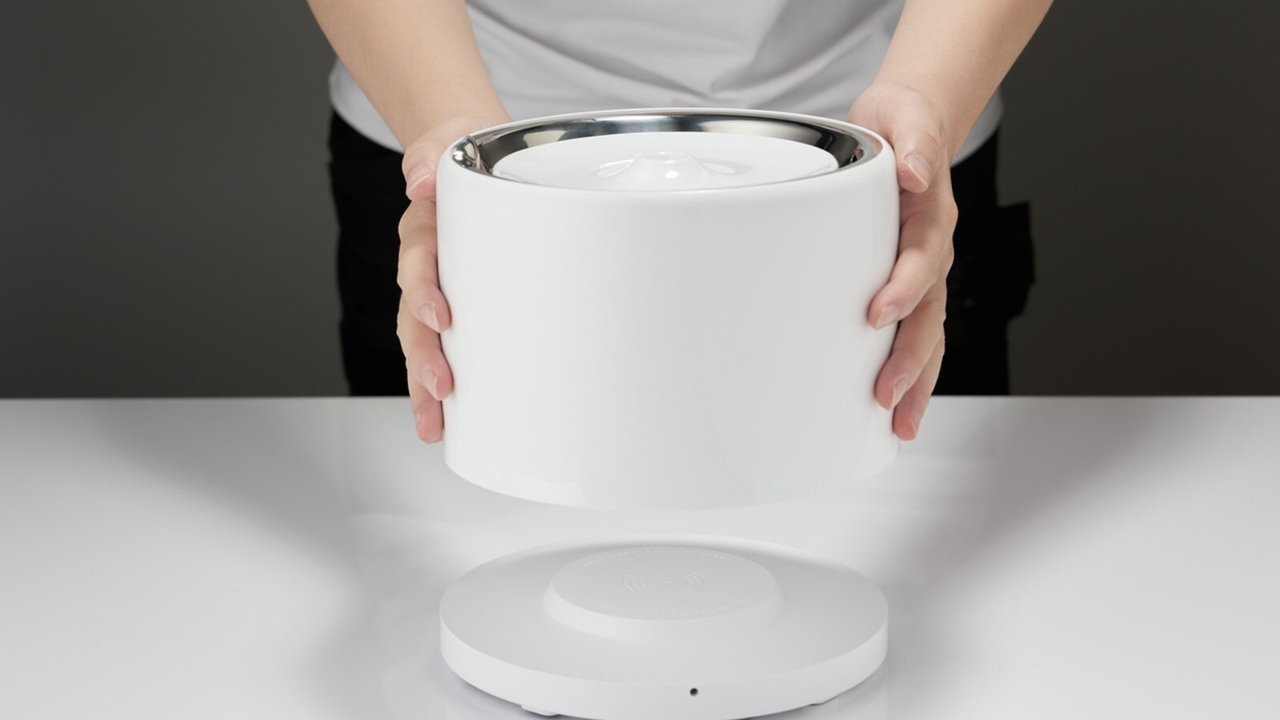
Accessories can make the space easier to use, but they should complement the basics rather than replace them. Relevant options include water dispensers and fountains for easier access to drinking water, and cooling mats for dogs that like a separate resting surface. Cat households can also browse cat water fountains.
Introduce any new item when your pet is relaxed. Place it beside familiar bedding or water first, and let them investigate without being pushed onto it. Follow the product instructions, supervise initial use and remove anything that becomes damaged.
Keep the cool zone safe for cats and dogs
Check ventilation and access
Do not shut a pet into a small room, garage, shed or conservatory without checking temperature and airflow. Keep access to the rest of the home available where it is safe.
Remove avoidable hazards
Keep cords, unstable fans, cleaning products and small chewable parts out of reach. Secure windows and doors, and never leave a pet in a parked vehicle.
Watch the pet, not just the room
Heavy or persistent panting, weakness, confusion, wobbling, collapse, vomiting or breathing changes need urgent attention. Open-mouth breathing or panting in a cat is not ordinary summer behaviour. Move your pet somewhere cooler, begin safe cooling and contact your vet promptly if concerned.
Frequently asked questions
Where is the best place for a cool zone?
Choose a shaded, ventilated area that stays comfortable at the warmest time of day and is easy for your pet to reach and leave.
Should a cool zone be indoors or outdoors?
Either can work if it stays shaded, ventilated and secure. Outdoor setups also need protection from escape, hot surfaces and sudden weather changes.
How many water bowls should I provide?
Keep fresh water near the cool zone and consider another familiar station if your home is large or has more than one level.
Will a cooling mat keep my pet safe from heatstroke?
No. A mat is an everyday comfort option, not protection from heatstroke. Suspected overheating needs prompt veterinary attention.
How can I encourage my cat to use the space?
Keep it quiet, place it near a familiar resting spot and let your cat investigate at their own pace. Never force them onto it.
What should I do if my pet seems too hot?
Move them to shade or a cooler, ventilated area, use cold tap water carefully on the body away from the nose and mouth, create airflow, offer water without forcing it and contact your vet promptly.
Set up a cooler space before hot weather arrives
Check shade, airflow, water and resting options now so your cat or dog can choose a comfortable place when the temperature rises.