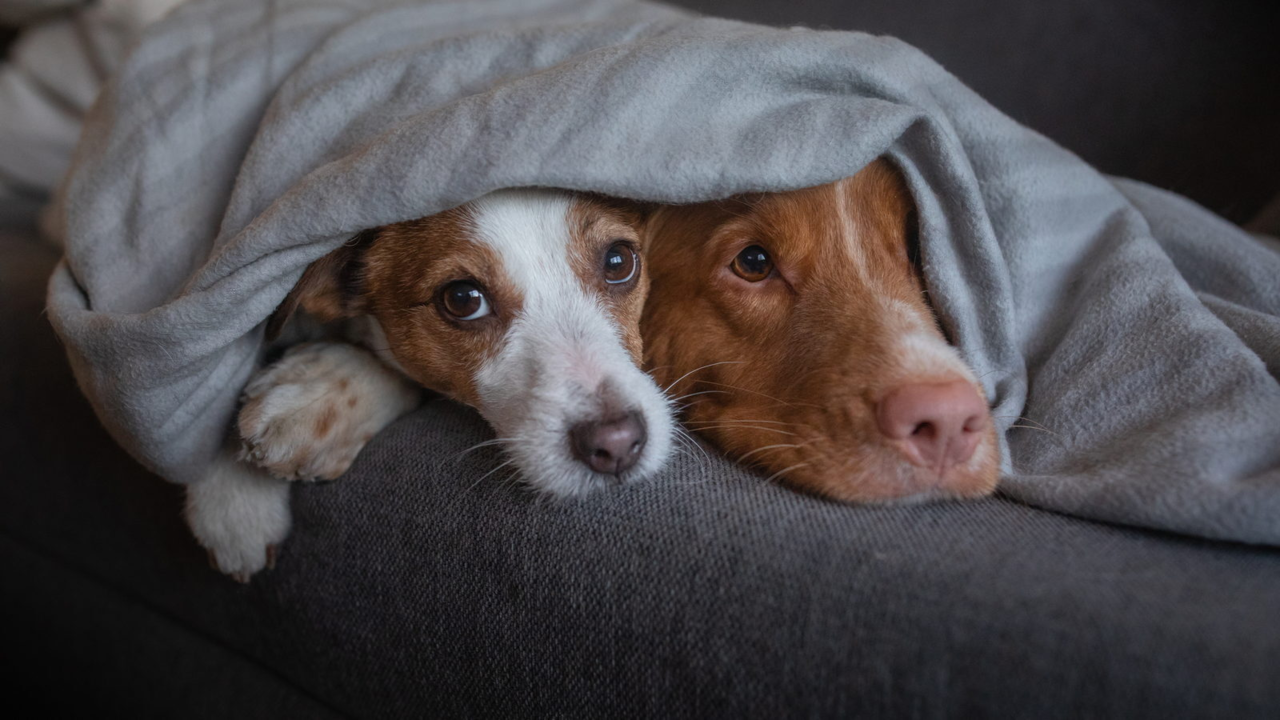
A cold snap does not always arrive with plenty of warning. You might see it in the forecast days ahead, wake up to frost and bitter wind already outside, or look back afterwards and realise your dog's winter set-up could be better next time.
This guide works from any starting point. If cold weather is forecast, begin with preparation. If it is already happening, go straight to the during section. If the weather has passed, use the after section to reset your gear, note what helped and make the next cold snap easier.
Quick answer
Before a cold snap, prepare a warm indoor bed, dry towels, a safe warming option and any outdoor coat your dog uses. During it, keep outdoor trips supervised and brief, dry your dog thoroughly and use indoor movement instead of one long exposed walk. After it, wait for paths and weather to improve, clean and dry your gear, then record what your dog needed so you are ready next time.
Cold snap dog care: start at your stage
Prepare while cold weather is forecast
Move your dog's bed away from doors, cold windows, concrete and tile. Put dry towels by the entrance, check any coat still fits and read the instructions for a pet-specific warming pad before you need it. Plan a sheltered toilet route and a few indoor activities in case usual walks are not comfortable.
Protect warmth and shorten exposure
Bring your dog indoors with the household. Supervise toilet breaks, choose the most sheltered route and return home at the first sign of discomfort. Dry the coat, belly and paws, replace damp bedding and split indoor enrichment into short sessions.
Reset now and prepare for next time
Wait until paths, wind and ground conditions are comfortable before returning to the usual routine. Wash and dry bedding, towels and coats, inspect warming gear, note what your dog used most and store the essentials together for the next cold snap.
Before a cold snap: prepare the warm resting zone
A cosy set-up works best when warmth is gentle and optional. Start with insulation from the floor, then add familiar bedding. A self-heating mat can reflect your dog's own body warmth, while a pet-specific microwave heat pad can provide a warmer zone when prepared exactly as directed.
- Place the bed in a dry room where your dog already likes to settle.
- Keep the bed clear of doorways and draughts.
- Use the supplied cover on a microwave heat pad and check its temperature before placing it in the bed.
- Position any warming pad to one side so your dog has an unheated area available.
- Check bedding through the day and replace anything that feels damp.
The SnuggleSafe Microwave Pet Heat Pad is designed to provide warmth for up to 10 hours when heated and used according to its instructions. The M-PETS Warmo Self Heating Mat uses a heat-reflective layer to return body warmth and can be placed in a favourite bed, crate or quiet corner.
Before a cold snap: check coats and outdoor gear
A coat can help when cold is combined with wind or rain, especially for short-coated, small, lean, young or senior dogs. Dogs with a dense double coat may need less insulation, but they can still become chilled when the coat is soaked or they remain inactive outdoors.
Choose the right protection
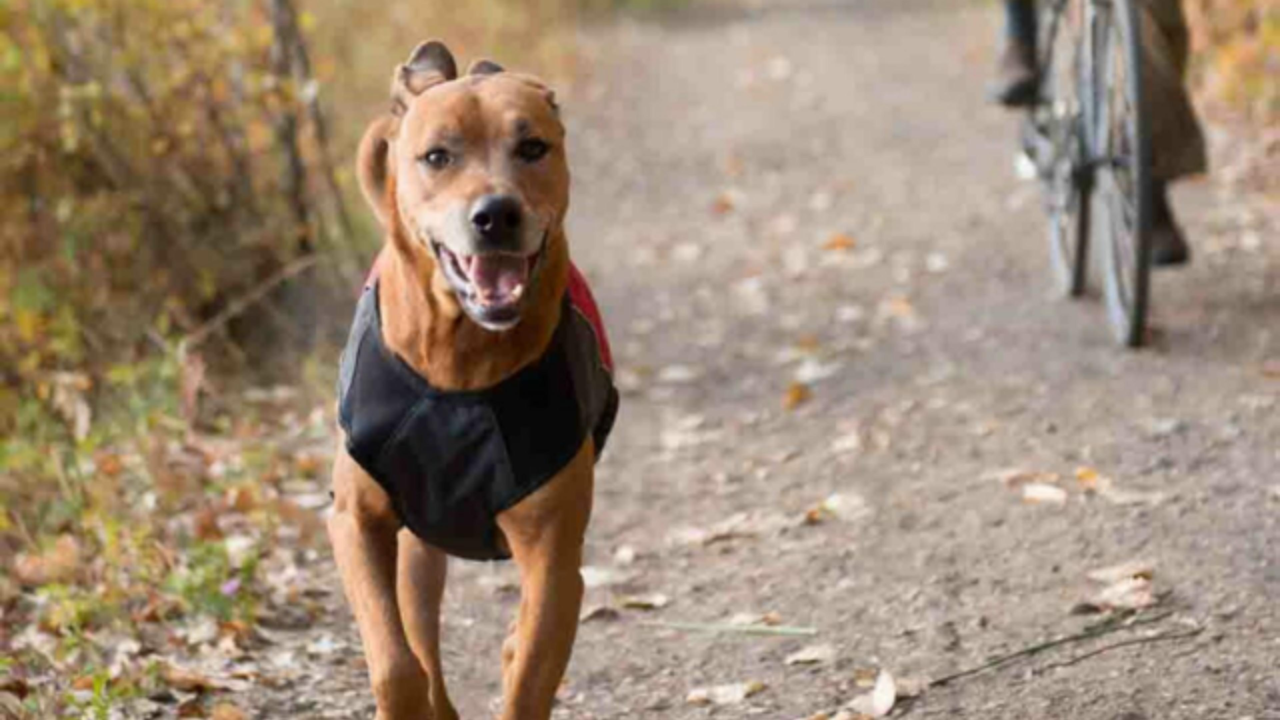
For wet and windy outings, look for a weather-resistant outer layer and enough coverage across the back and chest. The Pointer & Hound Waterproof Dog Jacket combines a windproof and waterproof construction with a fleece lining. The Pet One Blizzard Dog Coat is water resistant and windproof with insulating fill and chest coverage.
Check the fit every time
Follow the size guide for the exact coat. Straps should sit securely without pinching behind the front legs. Remove the coat indoors once your dog is dry, and stop using it if your dog freezes, scratches at it or moves unnaturally.
During a cold snap: walks and toilet breaks
During the coldest part of the snap, the goal is comfortable movement rather than distance. Walk during the warmest, brightest part of the day if conditions allow. Avoid icy slopes and shaded paths where frost lingers, and use a lead near slippery ground even if your dog is usually reliable off lead.
After each outing, towel the chest, belly, legs and paws. Long coats can hold cold water close to the skin, while compacted snow or grit can collect between toes. If your dog is wet, settle them somewhere warm only after the excess moisture has been removed.
During a cold snap: food, water and indoor activity
Keep fresh water available indoors and check outdoor bowls before use. Most household dogs do not need a sudden increase in food for a two-day cold snap, especially when walks are shorter. Continue the normal measured daily amount unless your dog already follows an individual feeding plan.
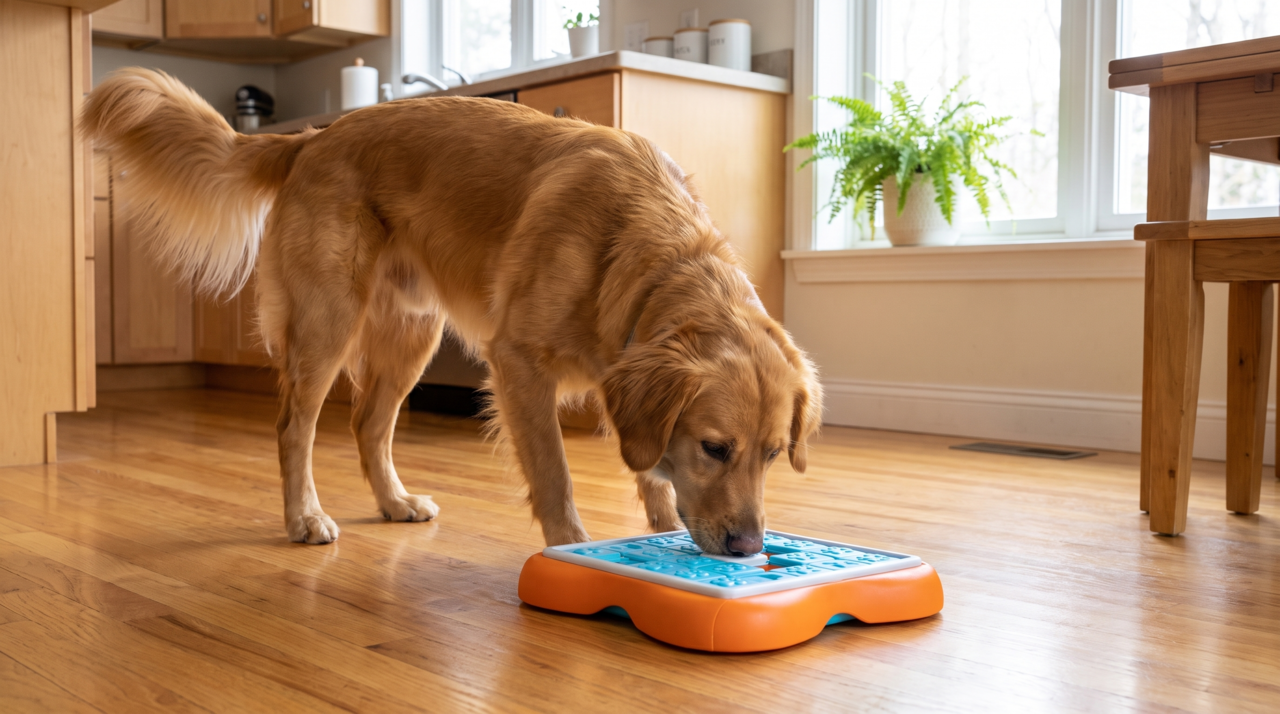
Use part of that normal allowance for indoor enrichment. A sniffari made from hidden kibble, a cardboard-box search or slow, reward-based training can take the edge off restlessness. Keep games controlled on slippery floors and give senior dogs more traction with rugs or mats.
After a cold snap: reset for next time
Do not pack everything away the moment the sky clears. Shaded paths can stay icy, wet coats can remain cold and a dog that has had several quiet days may need a gradual return to longer walks. Use the warmer part of the day, check the ground and let your dog's comfort set the pace.
Dry, clean and inspect
Wash and fully dry blankets, towels and coats. Check coat straps for rubbing, inspect heat-pad covers for damage and look between your dog's toes for lingering redness, cracks or trapped grit.
Make a next-time note
Record where your dog chose to sleep, whether they accepted a coat, which indoor activities worked and what you wished you had ready. Keep the most useful items together so preparation takes minutes rather than a last-minute search.
Build confidence between cold snaps
If your dog disliked a coat, towel drying or a change to their routine, practise each step briefly with rewards in calm weather. Do not wait until the next cold night to introduce unfamiliar gear.
Keep the plan flexible
The next event may bring dry frost, heavy rain, snow or strong wind. Keep the same priorities of indoor warmth, dry bedding, brief exposure and close observation, then adjust the details to the conditions.
Dogs that need closer monitoring
Puppies
Puppies lose heat quickly and may become distracted before toileting. Keep trips short, return indoors promptly and dry the belly and paws.
Senior dogs
Cold can make stiff movement more noticeable. Offer a level sleeping area, non-slip paths and several gentle movement breaks rather than one demanding walk.
Small, lean or short-coated dogs
These dogs have less natural insulation. Watch their body language closely and use an outdoor layer when it improves comfort.
Dogs with health concerns
A dog already managing pain, heart or breathing problems, low body weight or a recent illness may tolerate cold poorly. Follow their established care plan and keep them indoors.
Signs your dog may be too cold
Act promptly
Bring your dog into a warm, dry space if you notice persistent shivering, a hunched posture, repeated paw lifting, unusual quietness, weakness, confusion or poor coordination. Dry them, wrap them in a light blanket and warm them gradually. Collapse, difficulty breathing, extreme drowsiness or shivering that stops while the dog remains cold needs urgent veterinary care.
Do not judge comfort from ears or paws alone. Look at the whole dog, including movement, alertness, breathing and whether they can settle comfortably.
Cold snap dog care checklist for any stage
If cold weather is forecast
- Move bedding off cold floors and away from draughts.
- Check any dog coat fits, is dry and does not rub.
- Read the warming-pad instructions and prepare dry towels.
- Plan sheltered toilet breaks and simple indoor enrichment.
If the cold snap is happening now
- Bring your dog indoors and supervise every outside trip.
- Keep walks short and use the warmest, most sheltered conditions available.
- Dry the belly, coat and paws after wet outings.
- Keep fresh water, normal measured meals and warm dry bedding available.
If the cold snap has passed
- Check the ground and weather before resuming longer walks.
- Wash and fully dry bedding, towels and coats.
- Inspect paws, coat straps and warming gear.
- Note what worked and store the essentials together for next time.
Cold snap dog care FAQs
Can my dog sleep outside during a cold snap?
Bring them indoors with the household for the coldest nights. A kennel may block some rain, but it does not offer the same stable warmth, monitoring or dry bedding as an indoor sleeping area.
How long should I walk my dog in frosty weather?
There is no single safe duration for every dog. Start with a shorter route and turn back at the first sign of discomfort. Age, coat type, body size, wind, rain and ground conditions all affect tolerance.
Can I use a pet microwave heat pad overnight?
Follow the instructions for the exact product, use its cover and check the temperature before placing it in the bed. Keep it to one side so your dog can move away from the warm zone.
Should I feed my dog more because it is cold?
Not automatically. Most indoor dogs can stay on their usual measured amount during a brief cold snap, particularly if exercise is reduced. Follow any individual feeding plan already in place.
What if my dog refuses to wear a coat?
Do not force it. Keep outdoor trips shorter, choose sheltered times and focus on drying and warming your dog promptly indoors. You can build coat confidence gradually after the cold snap with brief, reward-based practice.
What should I do if I find this guide after the cold snap?
Start with the reset section. Dry and inspect your gear, note how your dog coped, then create a small cold-weather set-up you can use next time. You do not need an active forecast to prepare a better sleeping area or practise wearing a coat.
Prepare now and use it when needed
Whether cold weather is forecast, already here or just passed, a dry bed, safe warming option and ready-to-use coat make the next step easier.
SHOP DOG WINTER ESSENTIALSRelated reading
Indoor Sniffari: Bringing the Walk Inside on Wet Days
14 Rainy Day Dog Enrichment Ideas
Do Dogs Need Raincoats?

Winter Dog Walking at Night
Senior Dog Winter Walking Tips

Winter Bedding for Warm and Cosy Spaces