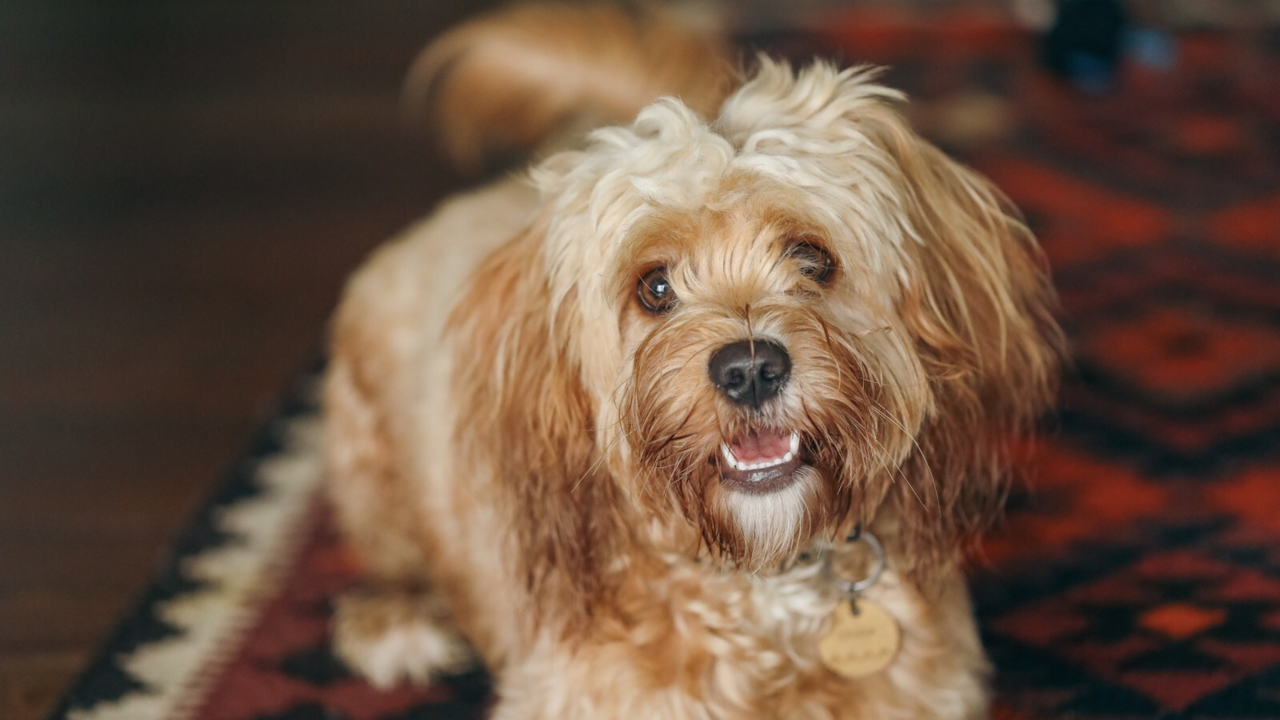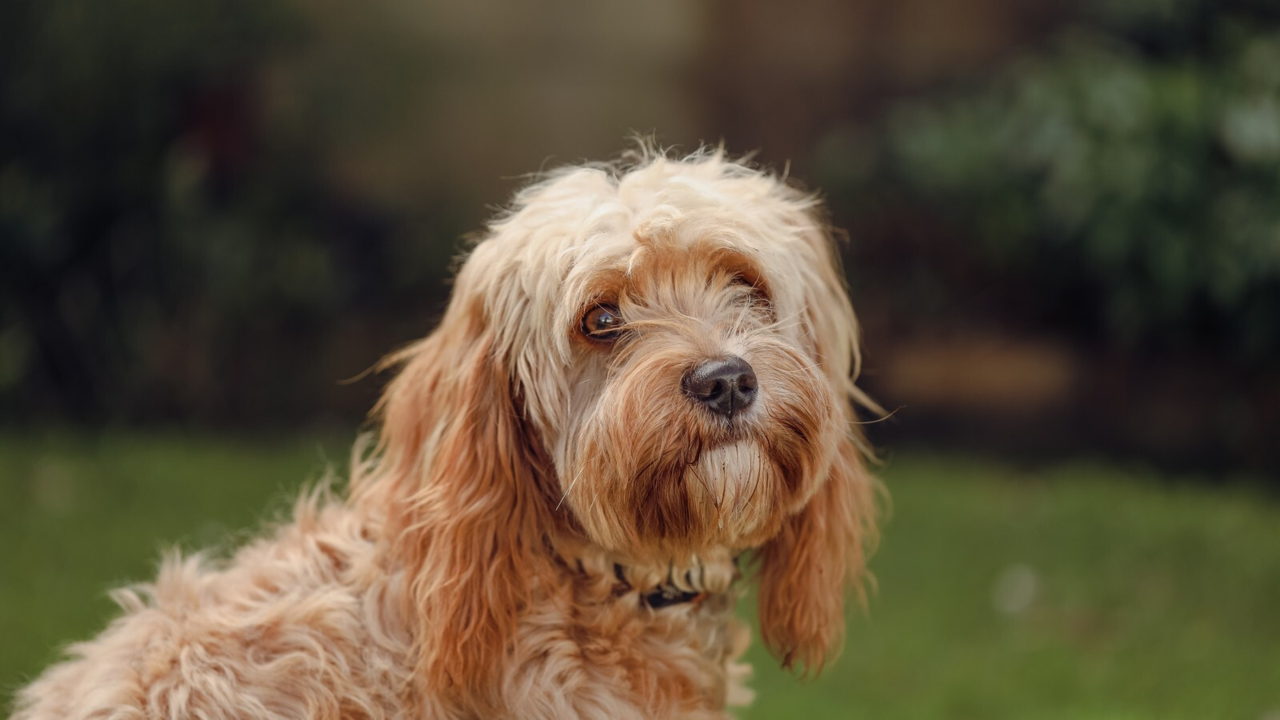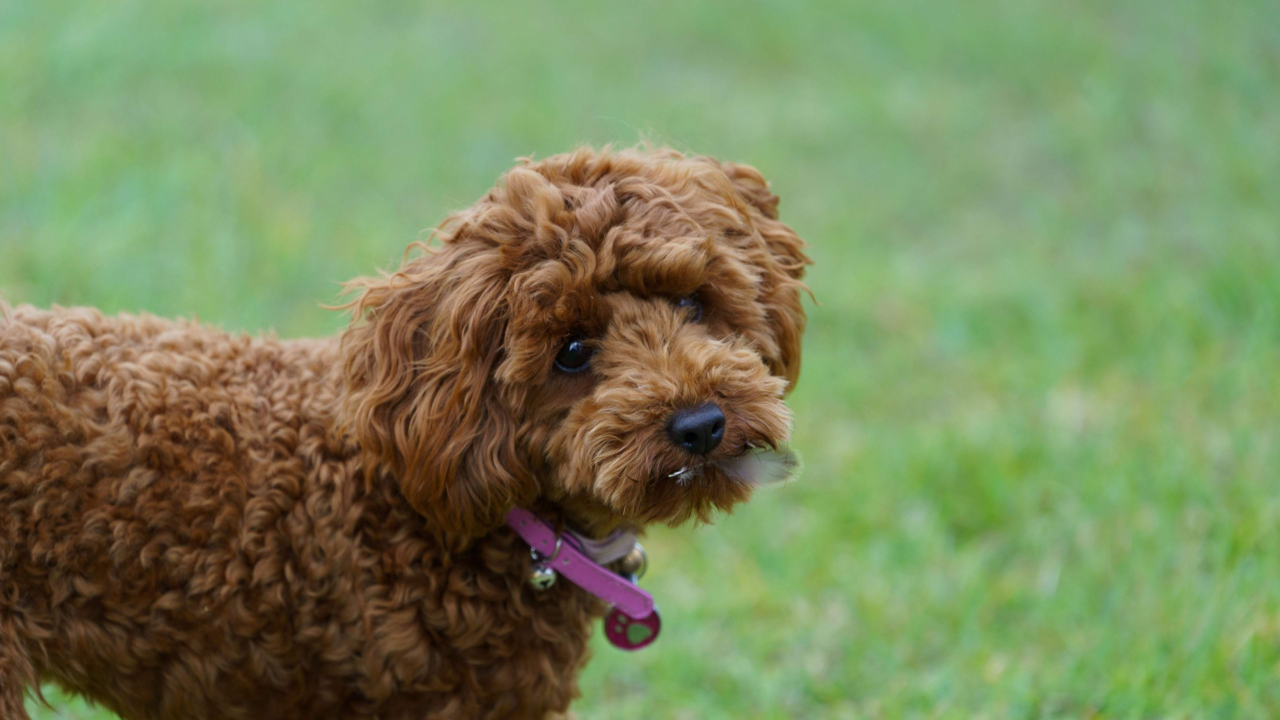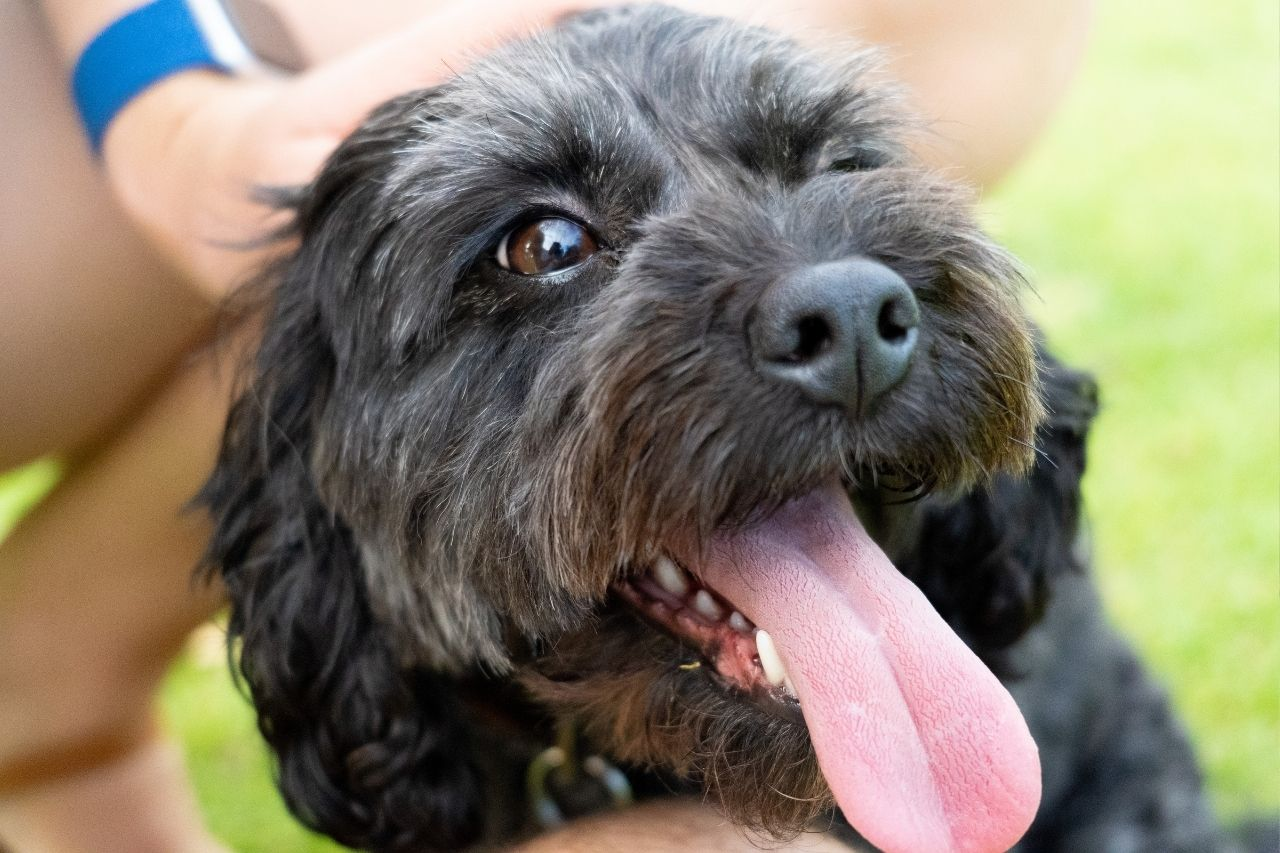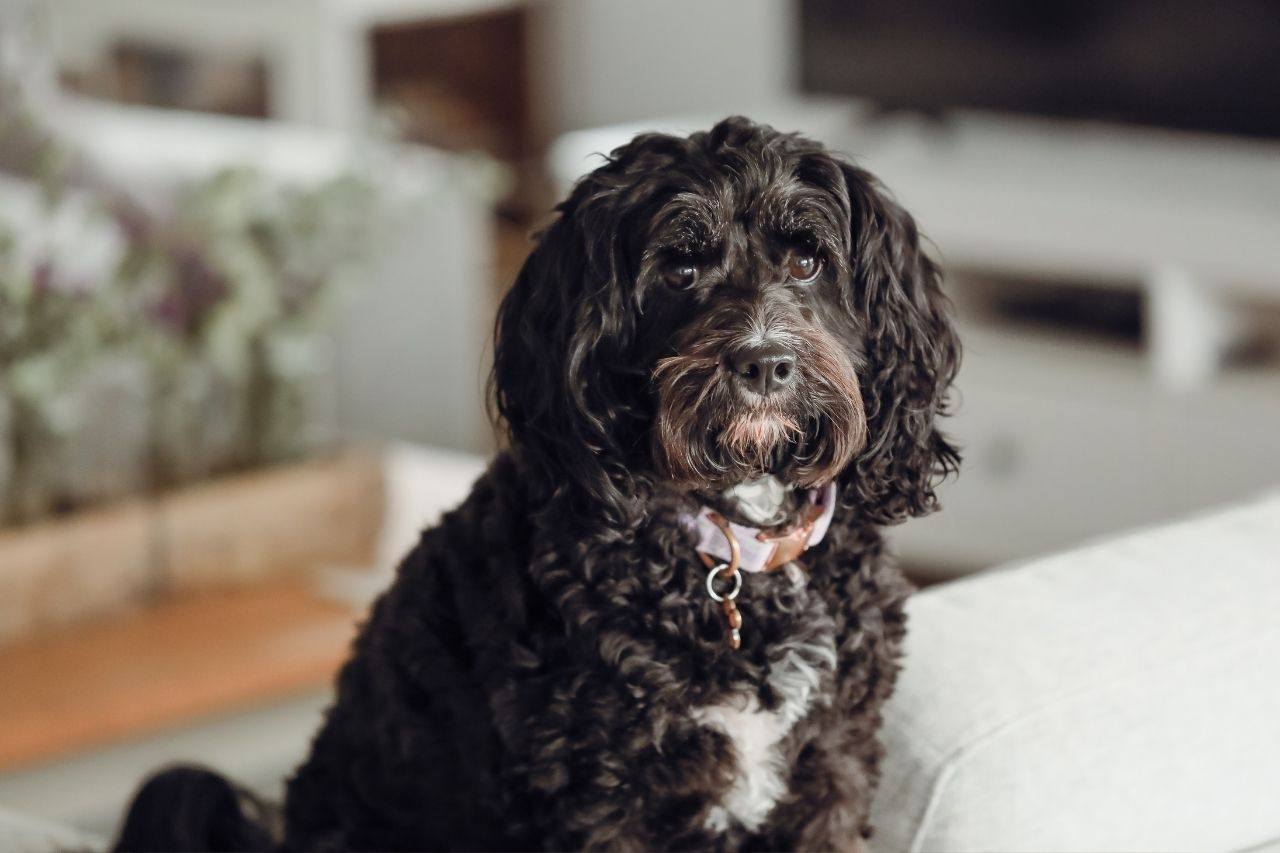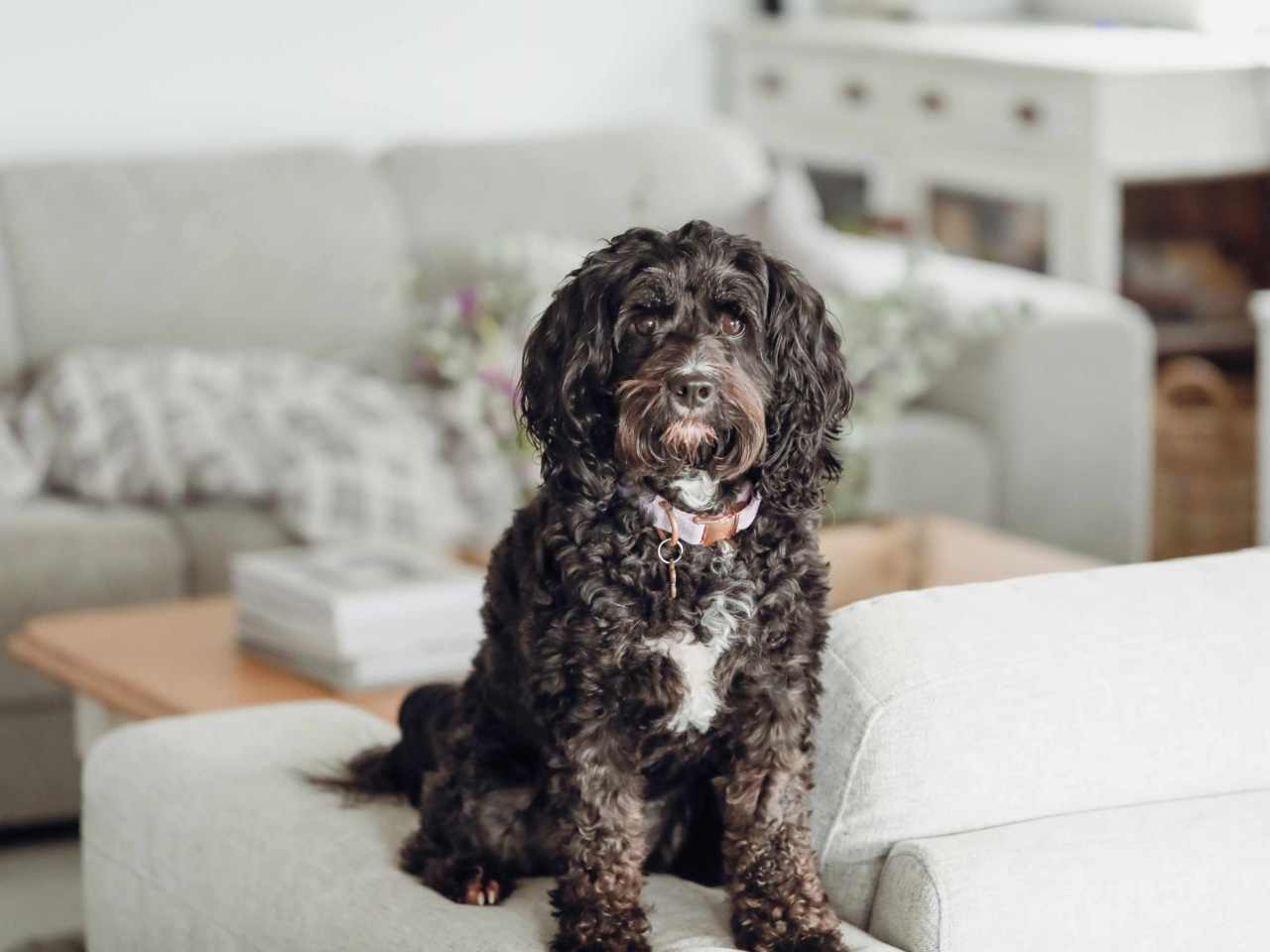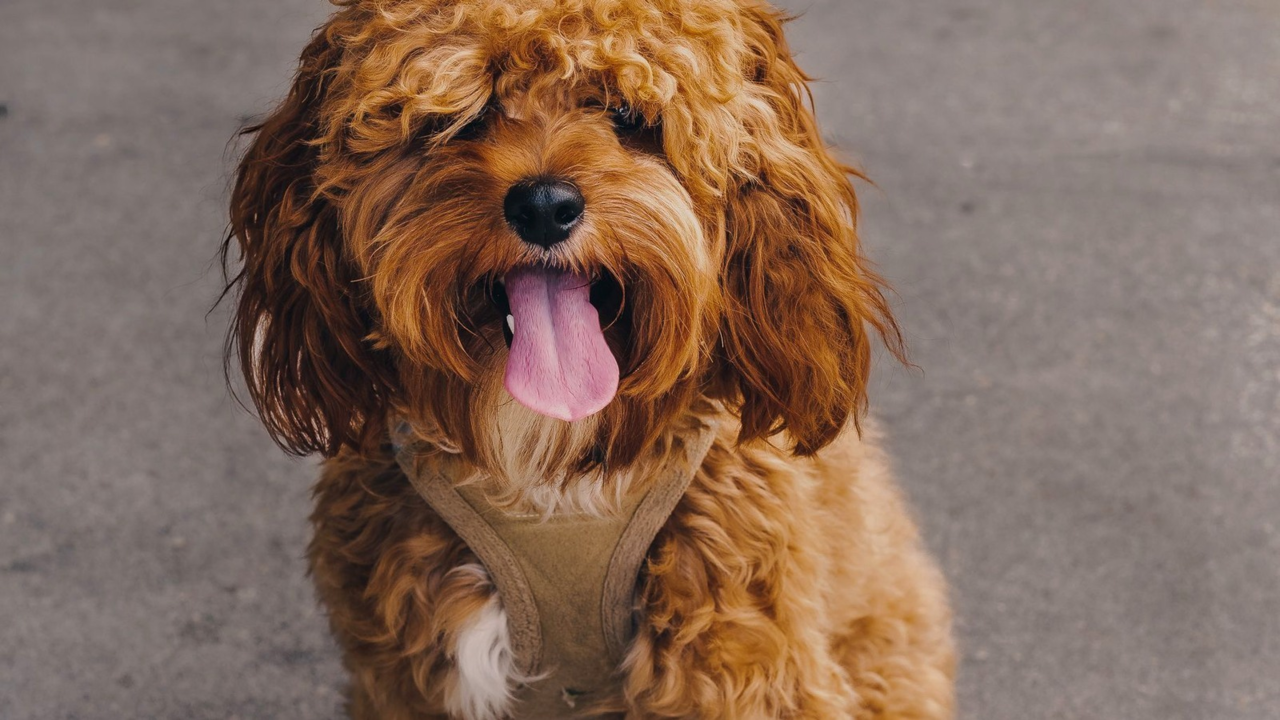
Friendly, bright and happiest near their people, Cavoodles have become a favourite in Kiwi homes. This cross between a Cavalier King Charles Spaniel and a Miniature or Toy Poodle combines a social nature with a clever mind and an appealing wavy or curly coat. They can suit many families, but their small size does not make them a low-effort dog.
Quick answer
A Cavoodle is an affectionate, people-focused companion that usually learns quickly and enjoys around 30 minutes of daily exercise, plus play and mental enrichment. Their low-shedding coat needs frequent brushing and regular professional grooming. Calm independence training is important because Cavoodles may struggle when left alone for long periods.
This article brings together the essentials of Cavoodle temperament, grooming, exercise, training and daily life. For a quick overview of the breed's size, history and key traits, learn more about Cavoodles.
Cavoodles at a glance
| Trait | What to expect |
|---|---|
| Parent breeds | Cavalier King Charles Spaniel crossed with a Miniature or Toy Poodle. |
| Typical size | Around 30 to 35 cm tall and 5 to 12 kg, with variation between individual dogs. |
| Lifespan | Usually 10 to 14 years. |
| Temperament | Affectionate, sociable, clever and eager to be involved. |
| Daily activity | About 30 minutes of exercise, supported by play, sniffing and brain work. |
| Coat care | Low shedding, but high maintenance. Regular brushing and professional grooming are part of the routine. |
Because the Cavoodle is a crossbreed, coat texture, build and energy can vary. One dog may have tighter Poodle-like curls, while another has a softer wave. Temperament also reflects both genetics and early experiences, so use breed traits as a guide rather than a promise.
Cavoodle temperament and family life
Cavoodles are often described as people pleasers. They tend to seek out company, enjoy joining family activities and respond well when learning feels positive. Their gentle, friendly nature can make them a good match for first-time dog parents who are ready for consistent training and coat care.
Many Cavoodles live happily with children and other pets when introductions are calm and early socialisation has been thoughtful. Children should learn to give a dog space while eating, sleeping or moving away. A Cavoodle may look cuddly, but they still need choice and quiet time.
For more detail on social confidence and family dynamics, read our guide to Cavoodle temperament with kids and other pets.
Company matters
Cavoodles commonly form close bonds with their people. That affection is part of their charm, but it also means that short, relaxed periods alone should be taught from the beginning rather than waiting until you need to leave for several hours.
Exercise and enrichment
Most adult Cavoodles enjoy around 30 minutes of daily exercise, adjusted for age, health, weather and individual energy. A neighbourhood walk can cover part of that need, but movement is only one piece of the day. Sniffing, exploring and short games give a clever dog more to think about.
Mix the routine across the week. Try a calm sniff walk, a gentle game of fetch, a food puzzle or several short training bursts. Young puppies need shorter activity blocks with plenty of rest, while an adult Cavoodle may enjoy a longer outing if they have built up gradually.
Move
Use walks, play and safe off-lead time where appropriate. Let your dog set a comfortable pace rather than chasing a distance target.
Think
Rotate puzzle feeders, scent games and simple cue practice. A few focused minutes can help a busy Cavoodle settle.
Rest
Provide a quiet bed away from household traffic. Puppies and active dogs both need help switching off after exciting play.
Choosing activities that fit your dog's play style is easier with our dog toy guide by breed.
Training and calm independence
A Cavoodle's intelligence and eagerness to please can make training rewarding. Start with useful everyday skills such as responding to their name, coming when called, walking on a loose lead, settling on a mat and waiting briefly at doors. Keep sessions short, clear and reward led.
Independence deserves the same attention as sit and stay. Begin with your puppy relaxed behind a baby gate or in a comfortable area while you remain nearby. Build up brief absences in tiny steps and pair alone time with a safe chew or food puzzle. Return while your dog is still settled so repetition builds confidence rather than panic.
Our step-by-step guide explains how to train a Cavoodle, including toilet training, recall, calm greetings and alone-time practice.
Keep it easy to repeat
Five useful minutes each day is better than an occasional long session. Practise around real routines such as meals, walks and visitors so good manners become part of daily life.
Grooming a Cavoodle coat
Cavoodles usually shed very little, but loose hair can remain trapped in the coat and form knots. Brush through to the skin several times a week, paying attention behind the ears, under the collar or harness, beneath the legs and around the tail. A quick pass over the surface is not enough for a dense, curly coat.
Regular professional grooming helps keep the coat comfortable and manageable. The interval depends on coat texture, preferred length and how quickly tangles develop. At home, make handling normal by touching paws, looking around ears and gently working through small sections while rewarding calm behaviour.
See our complete Cavoodle grooming guide for brushing technique, bathing, drying and a practical maintenance schedule.
Feeding and everyday wellbeing
Choose a complete food suited to your Cavoodle's age and size, then use the pack guide as a starting point. Body shape, activity and treat intake all affect the right portion. Because training rewards add up quickly for a small dog, set aside part of the daily food allowance or use tiny treats.
Keep fresh water available and make changes between foods gradually. A consistent feeding routine also supports toilet training and makes changes in appetite easier to notice. Our guide to the best dog food for Cavoodles in NZ explains what to consider at puppy, adult and senior stages.
Cavoodles can inherit health concerns from either parent breed, including patellar luxation, mitral valve disease, syringomyelia, eye issues and epilepsy. Not every Cavoodle will experience these issues. Knowing your dog's family health history and what is normal for their movement and behaviour can help you notice changes early.
Can Cavoodles live in apartments?
Cavoodles can adapt well to apartments and smaller homes when their exercise, enrichment, toilet and companionship needs are met. Their size is convenient, but boredom, alert barking or distress when alone can still create challenges in shared spaces.
A predictable routine helps. Give your dog a comfortable resting place, plan regular toilet trips and reward quiet behaviour around corridor or neighbour sounds. Do not rely on carrying a small dog everywhere. Walking, sniffing and making simple choices build confidence.
Our Cavoodle apartment living guide covers barking, small-space enrichment and a realistic daily routine.
Everyday Cavoodle essentials
A practical setup covers age-appropriate food, coat care and activities for that bright Poodle mind. These options support the routines covered in this guide.
Frequently asked questions
Are Cavoodles good for first-time dog parents?
They can be. Cavoodles are generally friendly, trainable and eager to join family life. First-time dog parents should still be ready for frequent grooming, daily enrichment, clear boundaries and gradual independence training.
Do Cavoodles shed?
They usually shed very little, but no dog is completely non-shedding. Their coat can trap loose hair and tangle, so low shedding does not mean low grooming.
How much exercise does a Cavoodle need?
Around 30 minutes of daily exercise suits many adult Cavoodles, alongside play and mental enrichment. Adjust the amount for your dog's age, energy and comfort.
Can Cavoodles be left alone?
They can learn to spend time alone, but many are strongly people focused. Build from very short, calm absences and avoid suddenly expecting a young dog to cope with long periods by themselves.
How often should a Cavoodle be brushed?
Several thorough brushing sessions each week suit many coats, with extra attention to friction points where knots form. Some curlier or longer coats need daily maintenance.
Set your Cavoodle up for daily success
Explore our Cavoodle breed guide for key traits and a helpful path into food, grooming, training and play.
Explore Cavoodle essentials