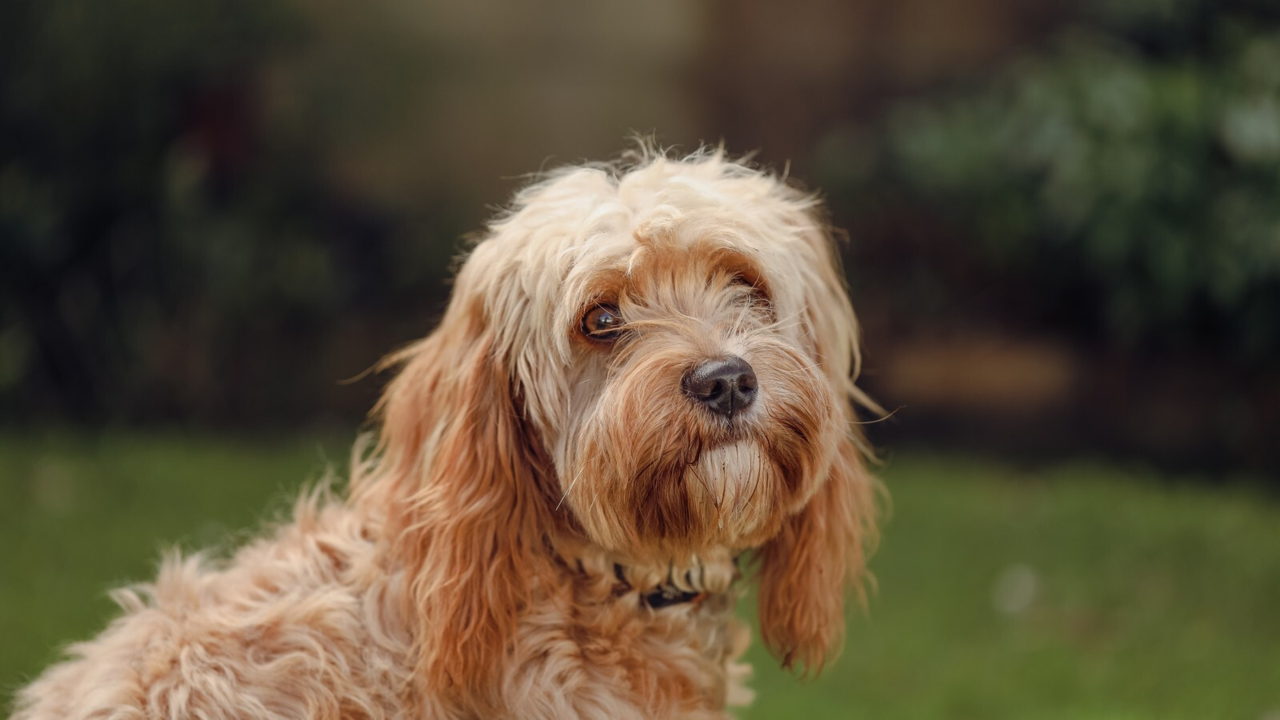
The Cavoodle is one of New Zealand's most popular companion dogs, and for good reason. A cross between the Cavalier King Charles Spaniel and the Poodle, it pairs the Cavalier's gentle, people-loving nature with the Poodle's quick, eager-to-please brain. That combination makes Cavoodles a genuine pleasure to train: they pick up cues fast, work happily for food and praise, and want nothing more than to be near you.
The flip side of that devotion is that Cavoodles can struggle with being left alone, and their soft, sensitive temperament means harsh corrections backfire quickly. This guide walks through how to train a Cavoodle from the ground up: the gear that makes it easier, a six-week foundation plan, how to build calm independence early, the enrichment these clever dogs need, and the common mistakes that catch out new owners. It is built around gentle positive reinforcement, not a replacement for a hands-on trainer if you hit a wall.
Quick answer
Start training your Cavoodle the day they come home with short, upbeat reward-based sessions of five to ten minutes. Prioritise name recognition, toilet training, recall and calm alone-time, and pair every session with daily enrichment like puzzle feeders and snuffle mats. Cavoodles are clever, food-motivated and sensitive, so gentle consistency, plenty of praise and early independence training matter far more than long or firm drills.
Understanding the Cavoodle temperament
A Cavoodle is a companion breed first, and that shapes how they learn. They are affectionate, biddable and bright, which makes them one of the easier crossbreeds to train. The traits to plan for are their attachment to people and their sensitivity, both of which reward a calm, patient approach.
Clever and eager to please
The Poodle side gives Cavoodles a quick, willing brain. They learn new cues in just a few reps and love the back-and-forth of training, so keep sessions short, varied and full of wins.
Strongly people-focused
Cavoodles want to be with their family all the time. That bond makes them easy to motivate, but it means teaching calm alone-time from day one so they can settle happily without you.
Soft and sensitive
This is not a breed that copes with harsh handling. Raised voices and corrections make a Cavoodle anxious and shut down. Reward-based training gets far better, faster results.
Food motivated
Most Cavoodles will do almost anything for a tasty treat, which is a gift in training. Use small, soft rewards and keep an eye on portions so all that practice does not add up to extra weight.
Alert and can be barky
The Cavalier side likes to announce visitors. Reward quiet, calm behaviour early and avoid accidentally rewarding barking with attention, or it can become a hard habit to undo.
Small but still a real dog
It is easy to carry a Cavoodle everywhere and skip the boundaries you would set for a bigger dog. Treat them like a dog, not an accessory, and they grow into confident, well-mannered companions.
Setting up: the gear that makes training easier
You do not need much to train a Cavoodle, but the right basics make every session smoother. A well-fitted harness gives you gentle control without pressure on a small dog's throat, a light training line lets you build a reliable recall safely, and a clear marker tells your dog the exact moment they got it right.
Harnesses and a training line
A soft, adjustable harness suits a Cavoodle's small frame and protects a delicate windpipe far better than a collar-only setup. A light training line gives your dog freedom to explore while you keep recall under control in open spaces.
Markers and high-value treats
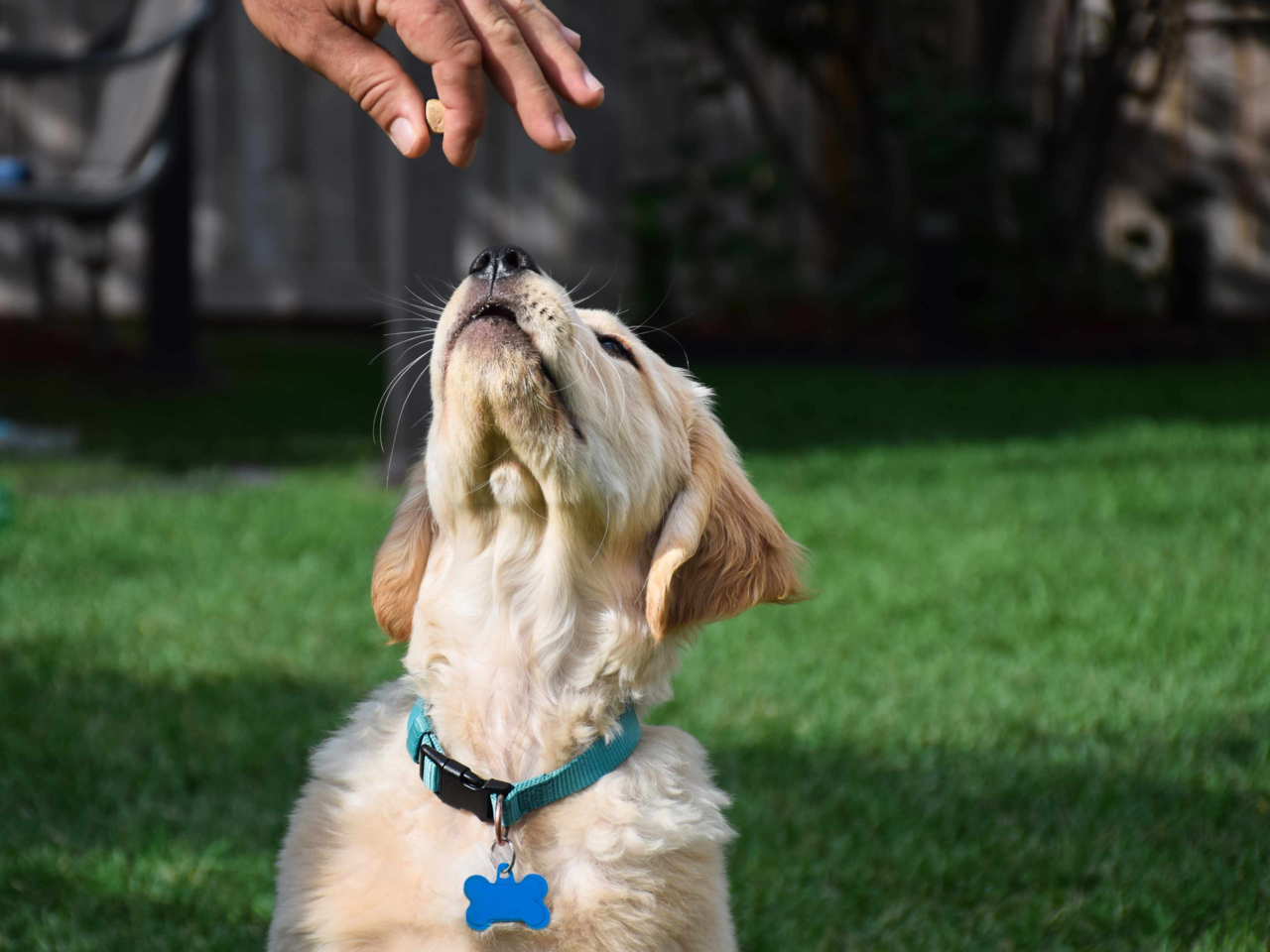
A clicker or marker word captures the precise instant of a correct behaviour, which speeds up learning for a brain as quick as a Cavoodle's. Pair it with small, soft, high-value treats you can deliver fast and often so the rate of reward stays high.
A six-week foundation plan
This is a flexible framework, not a deadline. Move at your dog's pace, keep sessions to five or ten minutes a few times a day, and always end on a win. Reward generously early on, then gradually ask for a little more before the treat comes. A Cavoodle will often master a step in days, so feel free to add fun tricks as you go.
Week 1: Name, focus and toilet training
Teach your Cavoodle that their name means good things are coming, and that the marker always predicts a treat. At the same time, start a consistent toilet routine: out after every sleep, meal and play, and a calm reward the instant they go in the right spot. Small breeds have small bladders, so patience and frequency are everything.
Week 2: Sit, down and gentle handling
Lure sit and down, then mark and reward. Pair this with gentle handling of paws, ears and mouth so grooming and check-ups feel normal later. A Cavoodle that enjoys being touched is far easier to care for as they grow.
Week 3: Recall
Coming back when called is the cue that keeps a small dog safe. Start indoors, then move to a training line in the garden or park. Make returning to you the best thing that ever happens, with a jackpot of treats or a quick game every single time.
Week 4: Loose-lead walking
Reward your dog for walking beside you on a slack lead. Stop or change direction when they pull so pulling never gets them where they want to go. Cavoodles pick this up quickly once they realise calm walking is what earns progress.
Week 5: Settle and alone-time
Teach a "place" or settle on a mat, and practise short, calm departures so being alone feels normal. This is the single most important step for a people-loving breed, so build it slowly and never make comings and goings a big event.
Week 6: Socialising and proofing
Practise known cues in new places with gentle distractions, and keep introducing people, friendly dogs, surfaces and everyday sounds in a positive way. Confident early experiences help a sensitive Cavoodle grow into a relaxed, sociable adult.
Building calm independence early
Because Cavoodles bond so closely to their people, separation distress is the issue owners run into most. The good news is that it is far easier to prevent than to cure. Teach your puppy that being alone is safe and boring rather than frightening: leave for a few seconds, then a few minutes, and build up gradually. Give a stuffed chew or puzzle when you go so alone-time predicts something good, keep departures and arrivals low-key, and use a calming pheromone aid to take the edge off while the habit is forming.
Mental enrichment keeps a clever dog settled
A Cavoodle's Poodle brain needs a job. Puzzle feeders, snuffle mats and food-dispensing toys turn mealtimes into a task and take the edge off that bright, busy mind. Ten or fifteen minutes of brain work can settle a Cavoodle as much as a walk, and it is a lifesaver on wet days when outdoor time is cut short. A stuffed chew toy also doubles as your go-to for calm alone-time.
Common mistakes to avoid
Skipping alone-time training
Never leaving a new Cavoodle by themselves sets up separation distress later. Build short, calm absences from the very first week so being alone feels completely normal.
Using harsh corrections
This soft breed shuts down under telling-off and rough handling. Reward the behaviour you want and calmly redirect the rest, and your Cavoodle will learn far quicker.
Treating them like a toy
Carrying your dog everywhere and skipping boundaries creates a demanding little dog. Let them walk, sniff and problem-solve like any other dog so they grow up confident.
Rewarding barking by accident
Giving attention the moment a Cavoodle barks teaches them barking works. Reward quiet instead, and only give attention once they have settled.
Overdoing the treats
A food-motivated small dog gains weight fast. Use tiny, soft training treats, or count some of their daily food as rewards so all that practice stays healthy.
Inconsistent toilet routines
Small bladders need frequent, predictable trips outside. Stick to a steady routine and reward every success outdoors, and accidents fade much faster.
Frequently asked questions
When should I start training my Cavoodle?
From the day they come home. Puppies can learn their name, simple cues and good habits from eight weeks, and Cavoodles often pick things up quickly. Gentle early socialisation and toilet training matter just as much as cues at this age.
Are Cavoodles easy to train?
Yes, they are one of the easier crossbreeds thanks to their cleverness and eagerness to please. The main challenge is their attachment to people, so building calm independence is the part most owners need to focus on.
How do I stop my Cavoodle getting separation anxiety?
Prevent it before it starts. Teach alone-time in tiny steps from week one, leave a stuffed chew or puzzle when you go, keep departures and arrivals calm, and use a pheromone diffuser or collar to help them relax while the habit forms.
How much exercise does a Cavoodle need?
An adult Cavoodle is happy with around half an hour to an hour of activity a day, split between a walk, some training and play. Keep it gentler and shorter while a puppy's joints are still developing, and balance physical exercise with brain work.
How do I stop my Cavoodle barking?
Work out what sets it off, then reward calm, quiet behaviour rather than giving attention to the barking. Avoid accidentally rewarding it with cuddles or treats in the moment, and give plenty of enrichment so boredom barking has no chance to start.
How long should training sessions be?
Five to ten minutes, a few times a day, works far better than one long session. Short, upbeat bursts keep a Cavoodle keen and finish while they still want more.
Are Cavoodles good for first-time owners?
They are one of the better choices for first-time owners thanks to their friendly, trainable nature. They still need daily time, consistent boundaries and early independence training, but a Cavoodle that gets those things is a wonderfully easy companion.
Set your Cavoodle up to succeed
Stock up on training tools, treats and enrichment toys to keep that clever brain busy.
SHOP TRAINING GEAR