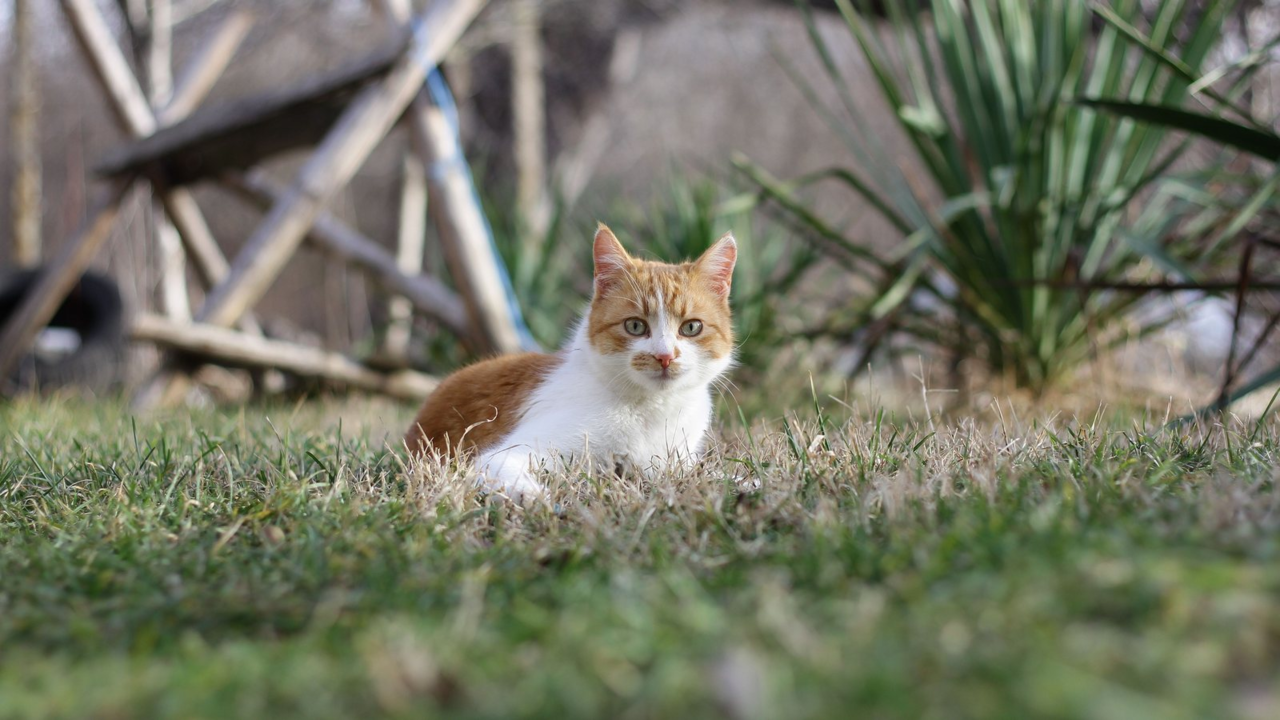
Keeping cats out of a garden bed, sandpit, porch or another unwanted area is best approached with humane, practical changes. Remove attractants, block access where possible and use approved deterrents carefully.
Quick answer
Start with physical exclusion. Cover loose soil, secure rubbish and outdoor food, protect garden beds and consider a motion-activated sprinkler where suitable. Avoid mothballs and citrus peels, and never use a product unless its label confirms it is appropriate for the area.
Why cats keep returning
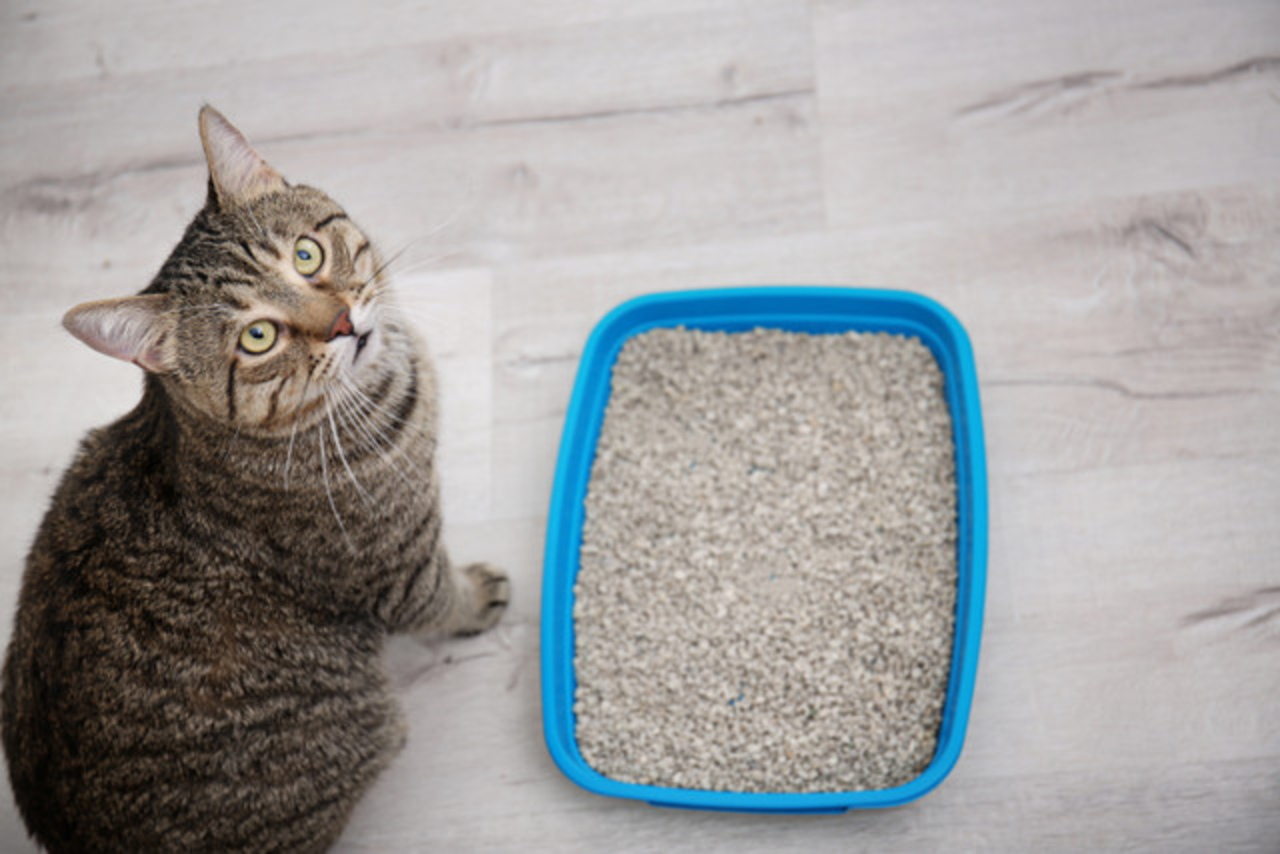
Cats may visit because an area offers food, shelter, hunting opportunities or loose soil that is easy to dig. Freshly turned garden beds and sandpits can be especially appealing. Outdoor food, unsecured rubbish, bird seed, rodents and warm sheltered corners can also encourage repeat visits.
Look for the attraction you can remove. Store rubbish securely, avoid leaving pet food outside, cover sandpits and address rodent activity safely.
Start with physical exclusion
Physical barriers change access rather than frightening the cat. Depending on the space, use suitable fencing, netting, sheeting or a cat roller. Close gaps beneath gates and along fences, and secure netting so it cannot trap paws or become loose.
Garden-bed protection
- Use pebbles, pine cones or dense planting to reduce open digging space.
- Place wooden chopsticks or plant stakes carefully, with no sharp exposed ends.
- Cover sandpits whenever they are not being used.
- Check barriers after wind, gardening or heavy rain.
When a water deterrent may help
A motion-activated sprinkler can interrupt visits without someone watching the garden. Position it so it protects the target area rather than paths, neighbours or welcoming animals. Test the range during the day and check that the ground will not become slippery.
Water deterrents are not suitable for every setting. Avoid them where a cat could be trapped, where freezing conditions create a hazard or where spray could affect electrical equipment.
Using cat-repellent sprays thoughtfully
Aristopet Garden Repellent for Cats & Dogs is an active outdoor option. For household and garden use, Aristopet Home & Garden Repellent for Dogs & Cats is another option to review.
Read the label before use and apply only to the surfaces and locations it lists. Never spray cats directly, food, water bowls or sleeping areas. Keep animals away while treating if the instructions require it, and reapply only as directed.
What to avoid
Do not use mothballs, poisons, traps, irritating substances or anything that could injure a cat. Avoid citrus peels because they can be toxic and may attract cats. Ultrasonic devices and strong scents can affect other animals and may not address why cats are visiting.
Consider the cat, not just the garden
A visiting cat may be owned, stray, vulnerable or injured. Ask neighbours whether they know where it belongs. Sudden changes in behaviour, repeated toileting outside or signs of illness may need attention from the cat’s owner or your vet rather than a stronger deterrent. If a cat is injured or in immediate danger, contact an appropriate animal welfare service.
Humane cat-deterrent checklist
- Identify and remove attractants.
- Cover loose soil, sandpits and vulnerable beds.
- Close access gaps with safe barriers.
- Use a sprinkler only where suitable.
- Read repellent labels carefully.
- Speak with neighbours if visits continue.
Frequently asked questions
What is the most humane cat repellent?
Physical exclusion is usually the most straightforward option because it prevents access without startling or harming the cat.
Do citrus peels keep cats away?
They are not a safe recommendation. Use secure barriers and approved products instead.
Can I use repellent spray on plants?
Only if the label specifically says it is suitable for those plants and that setting.
Will a sprinkler hurt a cat?
A correctly positioned sprinkler should provide a brief interruption, but avoid trapping and slipping hazards.
How do I keep cats out of a sandpit?
Cover it whenever it is not in use and check the cover for gaps.
What if I do not know whose cat it is?
Ask nearby neighbours and observe from a distance. Contact animal welfare if the cat looks injured or vulnerable.
Make your outdoor spaces more cat-friendly
Pair practical barriers with careful garden management and use repellents only as directed.
Shop cat accessories