You're spooning yoghurt onto your muesli and a pair of hopeful eyes is locked on the bowl. It's a pretty common moment in Kiwi kitchens, and the question that follows is fair enough: is a spoonful of yoghurt actually safe to share, or is it one of those "looks harmless, isn't" foods?
The short version is that plain, unsweetened yoghurt is generally fine in small amounts for most dogs. There are a few important catches, though, so here's a practical safety guide before you reach for the tub.
Quick answer
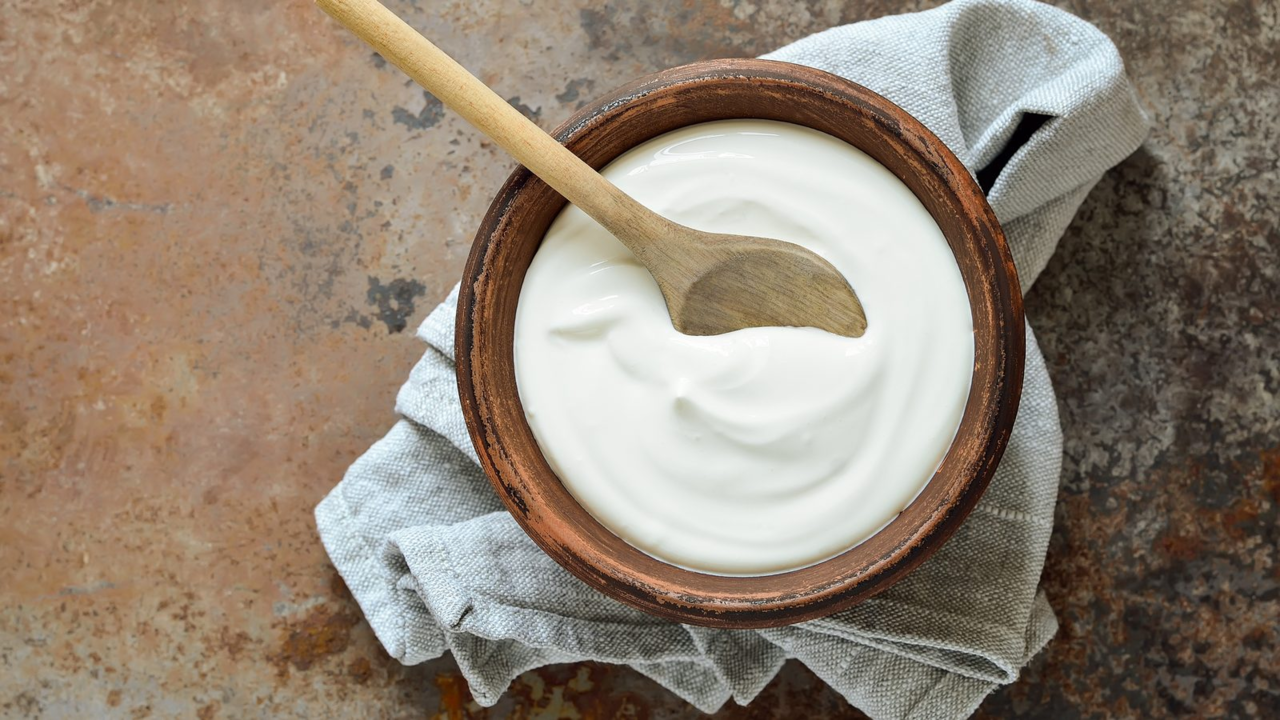
Most healthy adult dogs can have a small spoonful of plain, unsweetened, full-fat or natural yoghurt as an occasional treat. Avoid anything flavoured, sweetened, low-fat with added sugar, or containing xylitol (a sugar substitute that's toxic to dogs). Dogs who are lactose-intolerant, overweight, or on a sensitive diet are better off with a purpose-made yoghurt-style dog treat or a probiotic supplement instead.
The xylitol warning
Some low-sugar and "diet" yoghurts contain xylitol (sometimes listed as birch sugar or E967). Xylitol is highly toxic to dogs, even in tiny amounts, and can cause a sudden drop in blood sugar. Always read the ingredients list before sharing any human yoghurt, and if your dog gets into a xylitol product, call your clinic straight away.
Is yoghurt actually good for dogs?
Plain yoghurt does have some genuinely useful things going for it. It's a source of protein, calcium, and live cultures (the bacteria that give yoghurt its tang). Those live cultures are why people often talk about yoghurt as a "probiotic" food.
That said, the probiotic strains in human yoghurt aren't formulated for dogs, and the dose in a teaspoon is small. If you're feeding yoghurt mainly hoping it'll help your dog's tummy or digestion, a purpose-made dog probiotic will do a much more reliable job.
Protein and calcium
A small amount of yoghurt adds a hit of protein and calcium, which is fine on top of a balanced diet but shouldn't replace any meals.
Live cultures
Plain yoghurt contains live bacteria, but the strains and amounts aren't tailored for dogs. Useful as an occasional bonus, not a daily gut-health plan.
Hydration and texture
A spoonful of yoghurt smeared on a slow feeder or lick mat is a low-fuss way to slow down eating and keep your dog busy.
The kinds of yoghurt to skip
This is where the "safety" part of the guide does most of the heavy lifting. Plenty of yoghurts on the supermarket shelf are not dog-friendly, and a few are downright risky.
Anything with xylitol
Sugar-free, low-sugar, and "diet" yoghurts often use xylitol. It's toxic to dogs. If you see xylitol, birch sugar, or E967 in the ingredients, the answer is no.
Flavoured and sweetened tubs
Vanilla, berry, honey, and fruit-on-the-bottom yoghurts are loaded with added sugar. Sugar isn't good for your dog's teeth, waistline, or gut.
Chocolate or coffee flavours
Chocolate and coffee are toxic to dogs. Anything chocolate-flavoured, mocha, or coffee-flavoured is off the menu.
Yoghurts with raisins or fruit pieces
Raisins and grapes are toxic to dogs. Skip muesli-style yoghurts or any fruit-piece pots that might contain them.
Soy and nut-based yoghurts
Plant-based yoghurts often contain added sweeteners, flavourings, or thickeners that aren't suited to dogs. Plain dairy yoghurt is the safer pick if you're sharing.
Anything past its date
Out-of-date dairy can upset any dog's stomach. The "fine for the dog" tub from the back of the fridge isn't doing them any favours.
How much yoghurt is safe?
For most healthy adult dogs, a teaspoon to a tablespoon of plain yoghurt as an occasional add-on is a reasonable starting point. Bigger dogs can handle a little more, smaller dogs less. As a rule of thumb, treats and extras (yoghurt included) should make up no more than around 10% of your dog's daily calories, with the other 90% coming from their balanced food.
Toy and small breeds
Half a teaspoon to a teaspoon as an occasional add-on. Easy to overdo with a small dog, so start tiny.
Medium breeds
Up to a tablespoon a couple of times a week is plenty. Always plain, never sweetened.
Large and giant breeds
A heaped tablespoon or two as an occasional topper. Watch the calories if your dog is prone to weight gain.
What about lactose-intolerant dogs?
Dogs aren't designed to drink milk in adulthood, and many lose the enzyme that breaks lactose down once they're past puppyhood. Some dogs handle small amounts of dairy without issue. Others get loose tummies, gas, or a grumbly stomach within a few hours.
If you're trying yoghurt for the first time, start with a half-teaspoon and see how your dog handles it over the next day or so. If anything looks off, skip the dairy and look at purpose-made alternatives instead.
Yoghurt-style treats made for dogs
If you like the idea of a yoghurty treat but want something formulated for dogs (no sneaky sweeteners, no lactose surprises), there are some lovely ready-made options.
If you're really after gut-health benefits
This is where a purpose-made probiotic does a far better job than a teaspoon of yoghurt. The strains are chosen for dogs, the dose is consistent, and you don't have the lactose or sugar issues that come with human dairy.
Food for sensitive or fussy tummies
If yoghurt sharing has come up because your dog's digestion has been a bit off, there's a stronger long-term answer in their bowl than on your breakfast spoon. A complete food built for sensitive digestion sets a solid base; little extras come second.
Fun ways to serve a small spoonful
If your dog tolerates a little plain yoghurt and you want to make it more interesting than "off the spoon", a slow feeder or lick mat is the way to go. Spread it thin, pop it in the freezer for half an hour, and you've got a quiet ten minutes back.
Frequently asked questions
Can puppies eat yoghurt?
Stick to food and treats made for puppies while their digestion is still settling. A complete puppy diet covers their calcium and protein needs without the lactose risk. If you want to introduce yoghurt later, wait until they're on adult food and start with the smallest possible taste.
Is Greek yoghurt better than regular?
Plain Greek yoghurt is slightly lower in lactose because of the straining process, so some dogs handle it better. Just make sure it's the unsweetened version and check the label for any added flavours.
Can my dog eat yoghurt every day?
Daily yoghurt isn't necessary. An occasional spoonful as a treat or food topper is plenty. If you want a daily gut-health routine, a probiotic supplement is a more consistent option.
What about frozen yoghurt drops or "froyo" for dogs?
Many shop-bought frozen yoghurts contain sugar, flavouring, or sweeteners that aren't dog-friendly. If you want a frozen treat, smear a small amount of plain yoghurt onto a lick mat and freeze it yourself, or pick a frozen treat that's made for dogs.
Will yoghurt help my dog's bad breath?
Not reliably. Bad breath is usually a sign of dental build-up or a tummy issue, and a yoghurt topper won't fix either. Dental chews, regular brushing, and a balanced diet do more for breath than dairy ever will.
Can yoghurt help with antibiotics or an upset stomach?
People sometimes share a spoonful of yoghurt during or after antibiotics. For dogs, a purpose-made probiotic paste or powder is a more reliable choice, and worth chatting to your clinic about if your dog's tummy has been off for more than a day or two.
My dog stole a whole tub of yoghurt. What do I do?
Read the ingredients first. If it's plain unsweetened yoghurt, the most likely outcome is a loose tummy for a day. If it contains xylitol, chocolate, raisins, or other toxic ingredients, call your clinic straight away with the label in hand.
What's a better daily "topper" than yoghurt?
A spoonful of plain cooked pumpkin, a sprinkle of a probiotic powder, or a small amount of a meal-topper made for dogs are all easier on most dogs' tummies than dairy.
Stock the pantry with dog-friendly options
Skip the dairy-guesswork and grab treats, toppers, and probiotics designed for dogs. Add the essentials to Autodeliver for regular savings, and earn rewards through Pet Perks while you're at it.
SHOP DIGESTIVE HEALTH