Raised dog bowls can look like an easy mealtime upgrade. They bring food and water closer to your dog, help keep bowls in one place and may make eating more comfortable for dogs that find floor-level bowls awkward.
However, higher is not automatically better. The right setup depends on your dog's size, posture, mobility and eating style. This guide covers the pros and cons, how to choose a suitable height and what to watch when introducing an elevated bowl.
Quick answer
Raised dog bowls may suit dogs that find bending uncomfortable or need a steadier feeding station. They are not essential for every dog, and a stand that is too high, too low or unstable can make meals less comfortable. Choose a modest height, keep the bowl below chin level and watch your dog's posture during the whole meal.
What is a raised dog bowl?
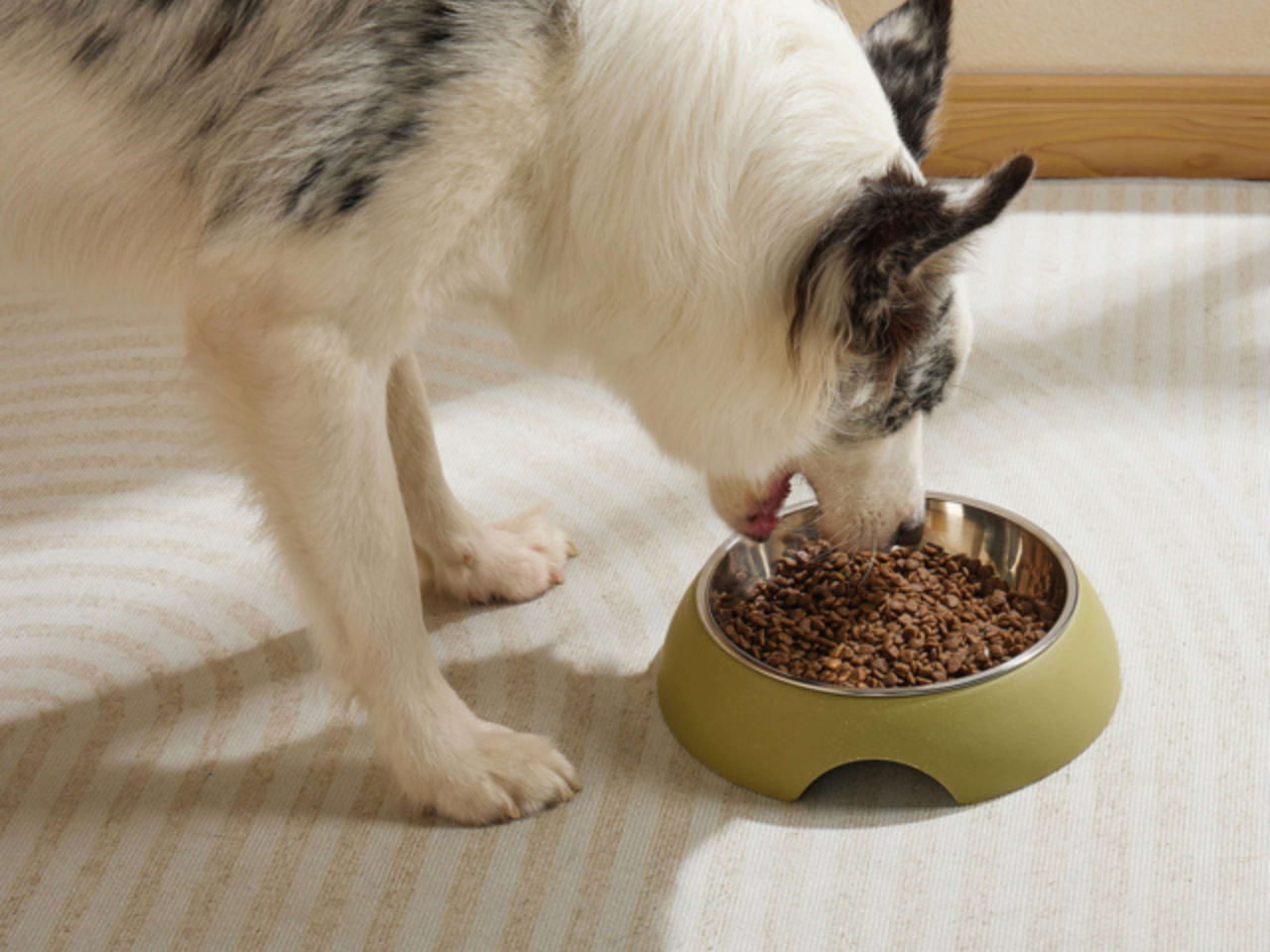
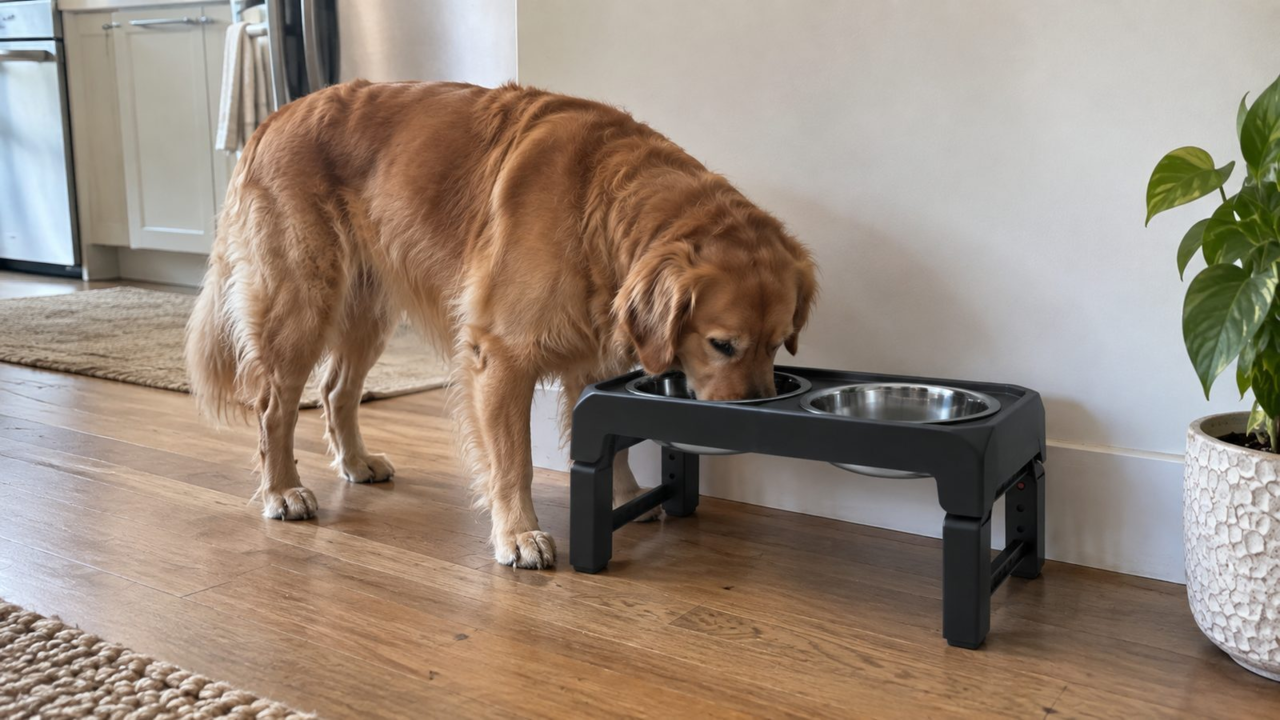
A raised or elevated dog bowl sits above floor level in a stand, frame or shaped base. Some stands hold one bowl, while double feeders keep food and water together. Adjustable models let you change the height, while fixed stands offer one set position.
Elevation is different from bowl shape. A tilted bowl changes the angle of the eating surface, a slow feeder uses ridges to reduce gulping, and a raised stand changes how far your dog needs to lower their head. Some feeding stations combine these features, but each one solves a different problem.
What are the pros and cons of raised dog bowls?
The best choice is the one that lets your dog eat in a relaxed, balanced position. A raised bowl can help in the right situation, but it can also add height your dog does not need.
Possible pros
- Less bending for some senior dogs or dogs with limited mobility
- A more stable station when bowls usually slide across the floor
- Adjustable height on selected models
- Food and water bowls can stay together in one tidy spot
- Some stands make bowls easier for people to lift and refill
Possible cons
- An incorrect height can encourage stretching or awkward posture
- A lightweight stand may wobble, tip or move during meals
- Fixed-height models may not suit a growing puppy
- Elevation does not automatically slow a fast eater
- Stands and holders create extra areas that need regular cleaning
Which dogs may find a raised bowl useful?
A modest lift may help when reaching the floor is the difficult part of mealtime. The goal is not to make your dog stretch upward. It is to reduce an uncomfortable bend while keeping their feet, neck and back in a natural position.
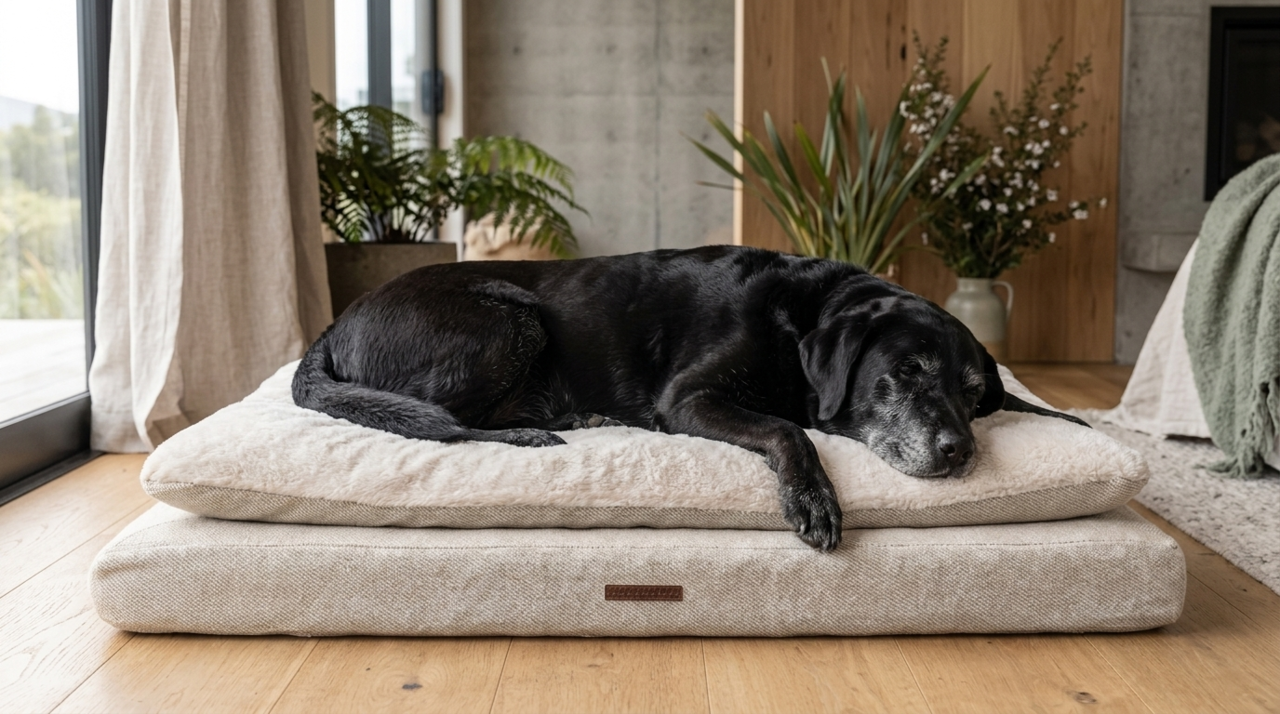
Some senior dogs
Older dogs that move more slowly or hesitate before lowering their head may prefer a small amount of elevation.
Dogs with reduced mobility
A dog with known neck, shoulder or leg discomfort may find a carefully positioned bowl easier to reach.
Dogs chasing sliding bowls
A sturdy stand with a non-slip base can keep the feeding area stable on smooth kitchen or laundry floors.
If your dog has suddenly started avoiding their bowl, spreading their front feet widely, struggling to lower their head or showing lameness, talk to your vet about the change rather than relying on a new bowl alone.
How high should a raised dog bowl be?
There is no single measurement that suits every dog. Start lower than you think and look at your dog's posture. They should be able to reach the food without lifting their chin, stretching their neck or standing on tiptoe. Their back should stay relaxed and their feet should remain naturally placed.
Do not choose a stand by breed name alone. Two dogs of the same breed can have different leg length, body shape and mobility. An adjustable feeder gives you more room to fine-tune the setup, while a low fixed stand may be enough when your dog only needs a slight lift.
Watch the whole meal
Check that your dog stays relaxed from the first bite to the last. Lower the stand if they crane upward, twist sideways or keep stepping back.
Choose a stable base
Look for a wide, non-slip stand that stays level when nudged. Place it on a dry surface away from busy walkways.
Check the bowl fit
The bowl should sit securely in its holder without rattling. Make sure the shape gives your dog enough room for their muzzle.
Does a raised bowl slow down eating?
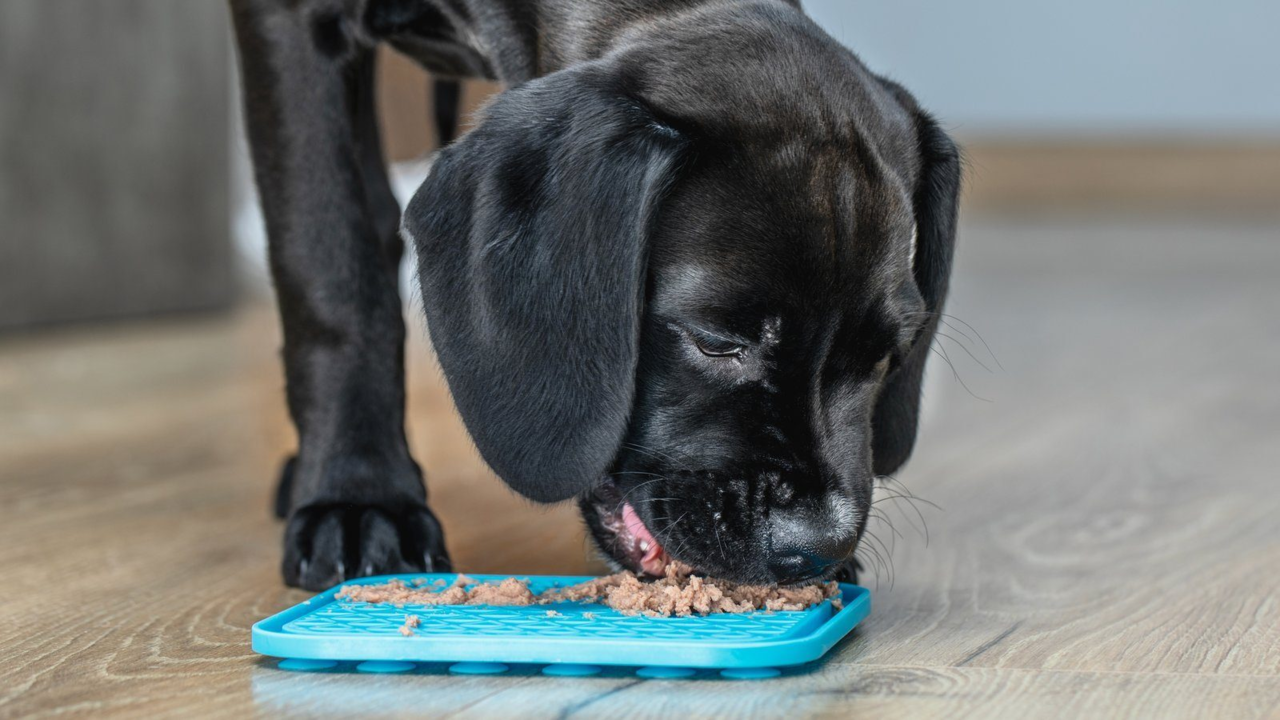
Not necessarily. Elevation changes posture, not pace. A dog that gulps from a floor bowl may gulp from a raised bowl too. If speed is the main concern, choose a suitable slow feeder and introduce it gradually rather than assuming height will fix the problem.
A slow feeder should suit your dog's muzzle and be easy to clean. Watch the first few meals to make sure your dog can reach the food without scraping their nose, chewing hard ridges or becoming frustrated. Our guide to choosing a slow feeder bowl explains the main shapes and difficulty levels.
Raised feeding options to consider
Think about whether you need adjustable height, two bowls or a gentle tilt. Product measurements and stability matter more than appearance, so compare each option with your dog's natural standing posture and the space available at home.
How to introduce a raised bowl
- Begin with a small lift rather than moving an adjustable stand straight to its highest setting.
- Place the feeder on a dry, level, non-slip surface and check that it cannot wobble or tip.
- Offer your dog's normal portion so you can compare their posture and eating pace with their usual routine.
- Watch their neck, back and feet throughout the meal. Lower the stand if your dog stretches upward or steps back repeatedly.
- Keep the bowls, holders and base clean, including grooves where crumbs, saliva and moisture can collect.
- Review the height as your puppy grows or your older dog's mobility changes.
Frequently asked questions
Are raised dog bowls good for senior dogs?
They can be more comfortable for a senior dog that finds bending awkward. Start with a modest lift and watch how your dog stands and moves during the meal.
Do large dogs need elevated bowls?
No. A dog's height alone does not mean they need an elevated feeder. If a large dog eats comfortably from floor level, there may be no reason to change.
Can puppies use raised bowls?
Most healthy puppies can eat comfortably from floor level. If you use an adjustable stand, keep it low and reassess the height regularly as your puppy grows.
Should a raised bowl be level with my dog's chest?
Use posture rather than a fixed body landmark. Your dog should reach the food without lifting their chin, stretching upward or bracing their feet awkwardly.
Should water bowls be raised too?
Only if a small amount of elevation makes drinking easier and your dog remains relaxed and stable. Keep fresh water available and choose a tip-resistant bowl.
What material is suitable for a raised bowl?
Stainless steel and glazed ceramic are popular because they are generally easy to clean. Follow the care instructions and replace chipped or cracked bowls.
Are tilted bowls the same as raised bowls?
No. A tilted bowl changes the angle of the eating surface, while a raised stand lifts the whole bowl. Some products combine both features.
How often should I clean a raised feeding station?
Wash food bowls after meals, refresh water daily and wipe the stand or mat regularly. Check underneath for trapped crumbs and moisture.
Build a comfortable feeding station
Compare bowl sizes, materials, slow feeders and raised options in our dog bowls and feeders range.
Shop dog bowls and feeders