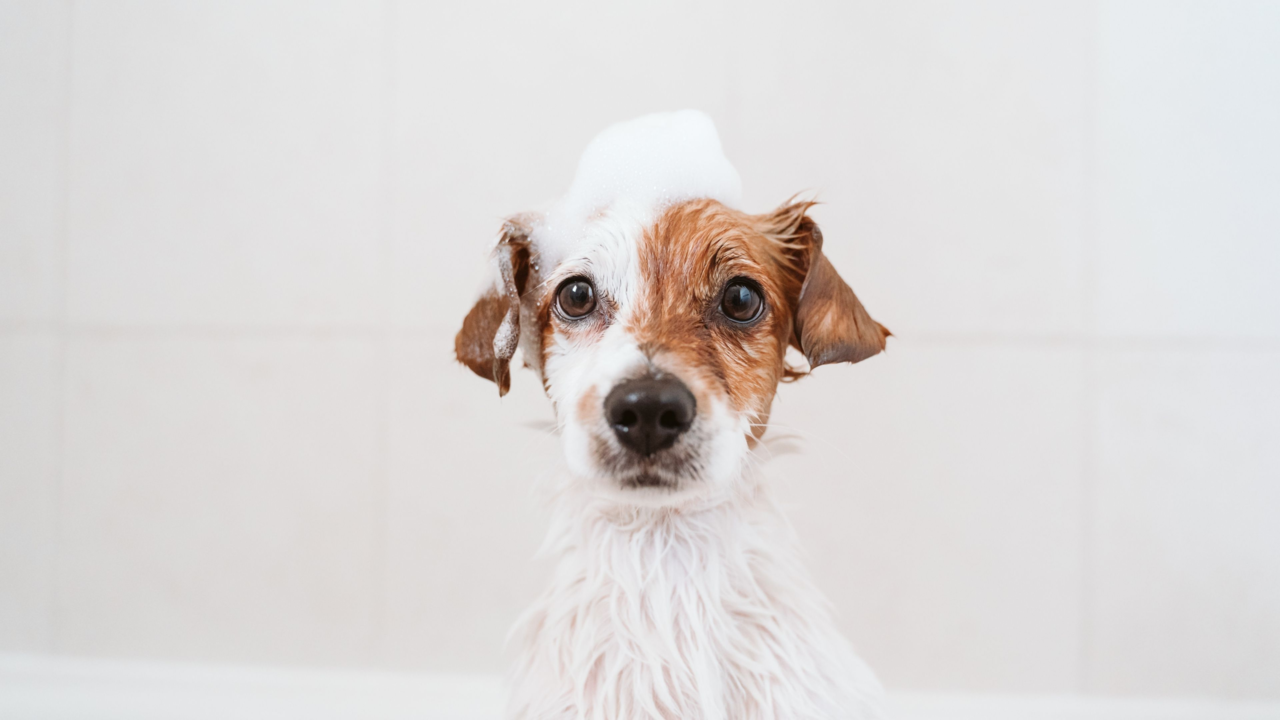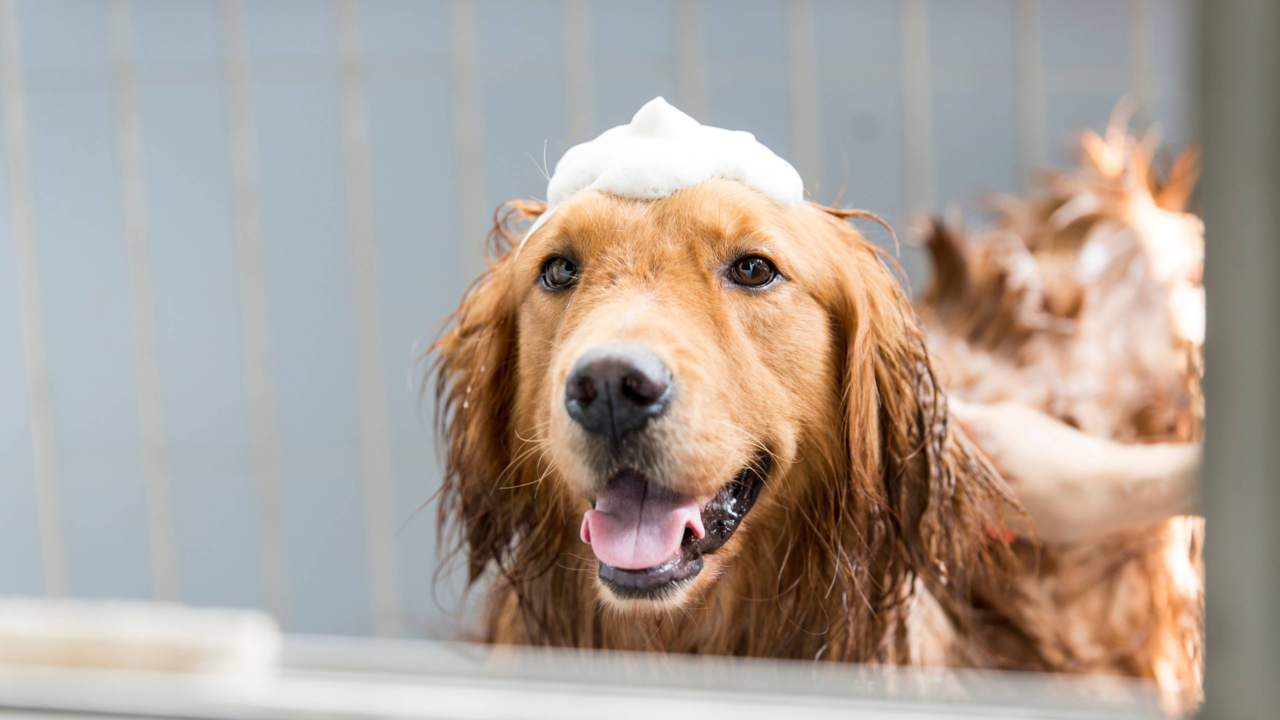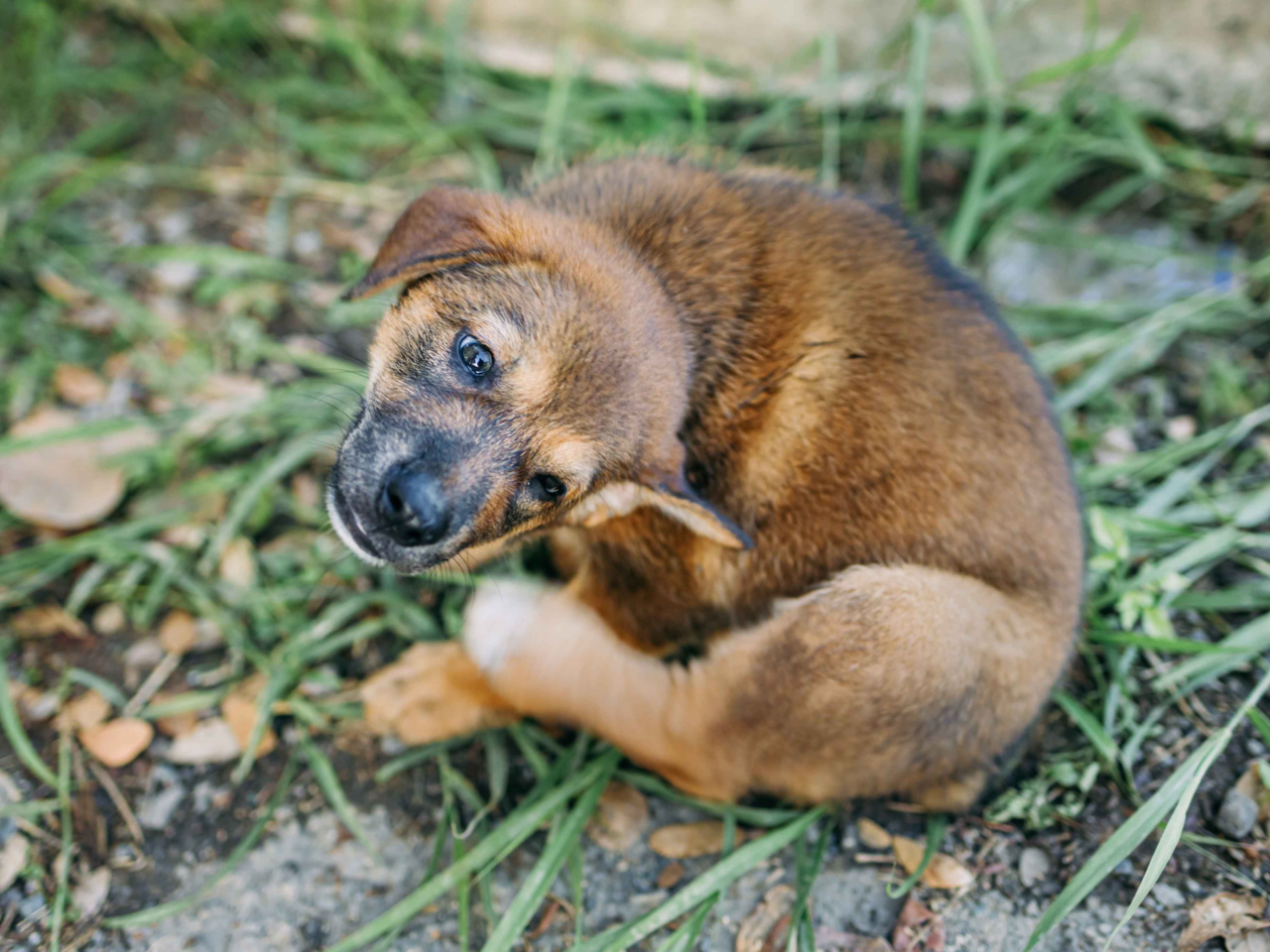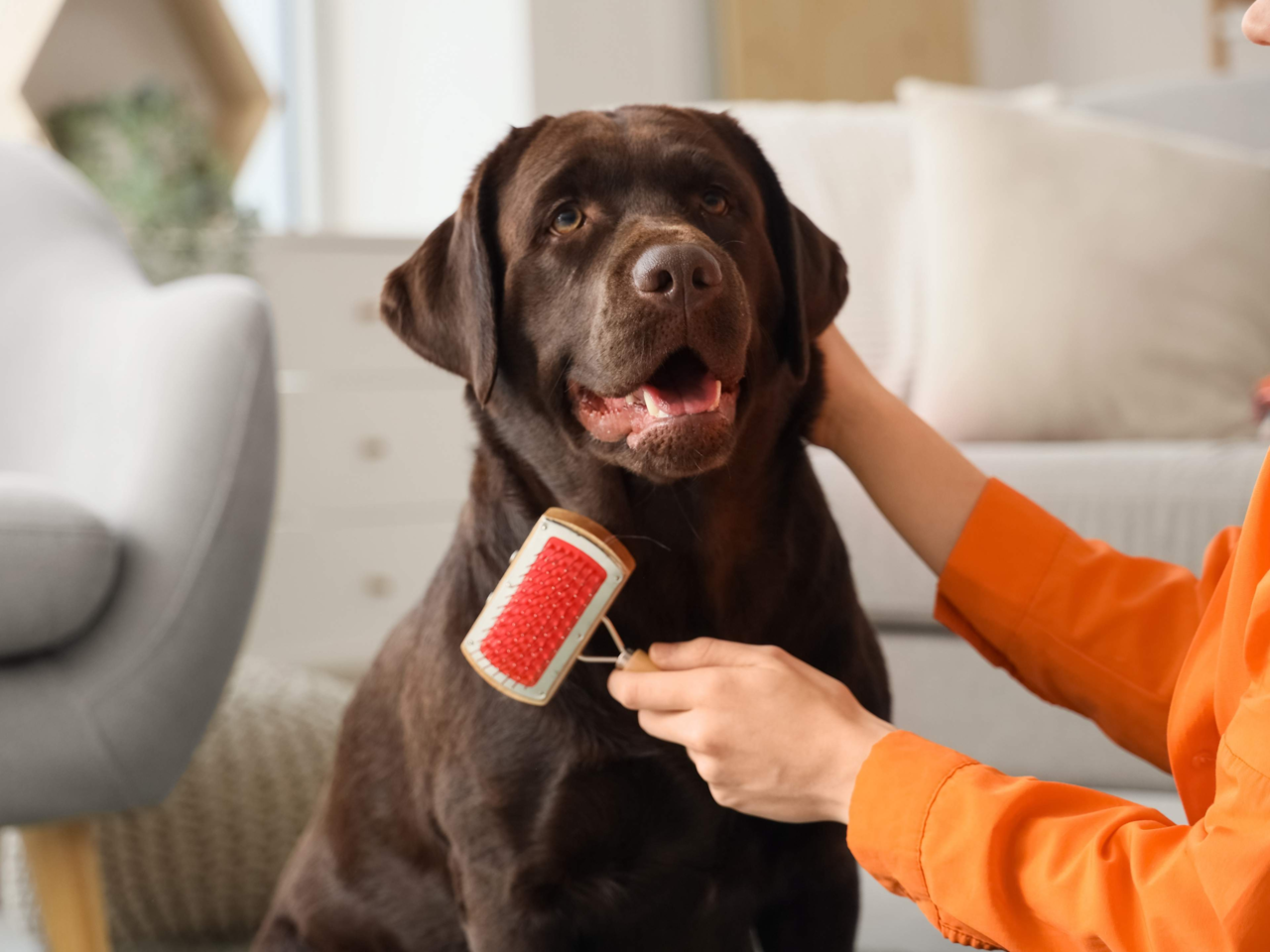
Every dog has a natural scent, especially after a wet walk or an enthusiastic roll on the lawn. But when the smell is new, unusually strong or back again soon after a bath, it is worth finding the source rather than trying to cover it up.
The good news is that your nose can help narrow things down. A damp coat, stale collar, yeasty-smelling ears, fishy rear end and sour breath all point to different next steps. This guide explains the common causes of dog odour, what you can safely do at home and when it is time to call your clinic.
Quick answer
Dog smell often comes from a damp coat, dirty bedding, paws, ears, skin folds, mouth or rear end. Start by locating the source, then clean and dry only the affected area with dog-safe products. Sudden, strong or recurring odour with redness, pain, discharge or excessive licking needs a clinic check.
First, Find Where the Smell Is Coming From
Before reaching for shampoo, check your dog from nose to tail. A whole-body bath will not fix an ear, dental or rear-end problem, and fragrance can make it harder to work out what is really going on.
Check the easy suspects
Smell the collar, harness, coat, bedding and favourite blanket. These often hold onto damp, saliva and outdoor odours long after your dog has dried.
Look at the ears, mouth and paws
Notice whether one area smells stronger. Also look for redness, wax, discharge, broken skin, swelling, heavy tartar or something caught between the toes.
Check folds and the rear end
Gently lift facial, neck and tail folds. Check under the tail for soiling or matted hair, but do not squeeze or probe any sore area.
Watch what your dog is doing
Head shaking, scooting, paw licking, scratching, rubbing their face or resisting touch can be more useful than the type of smell alone.
Common Reasons Your Dog Smells
A damp coat or wet-dog smell
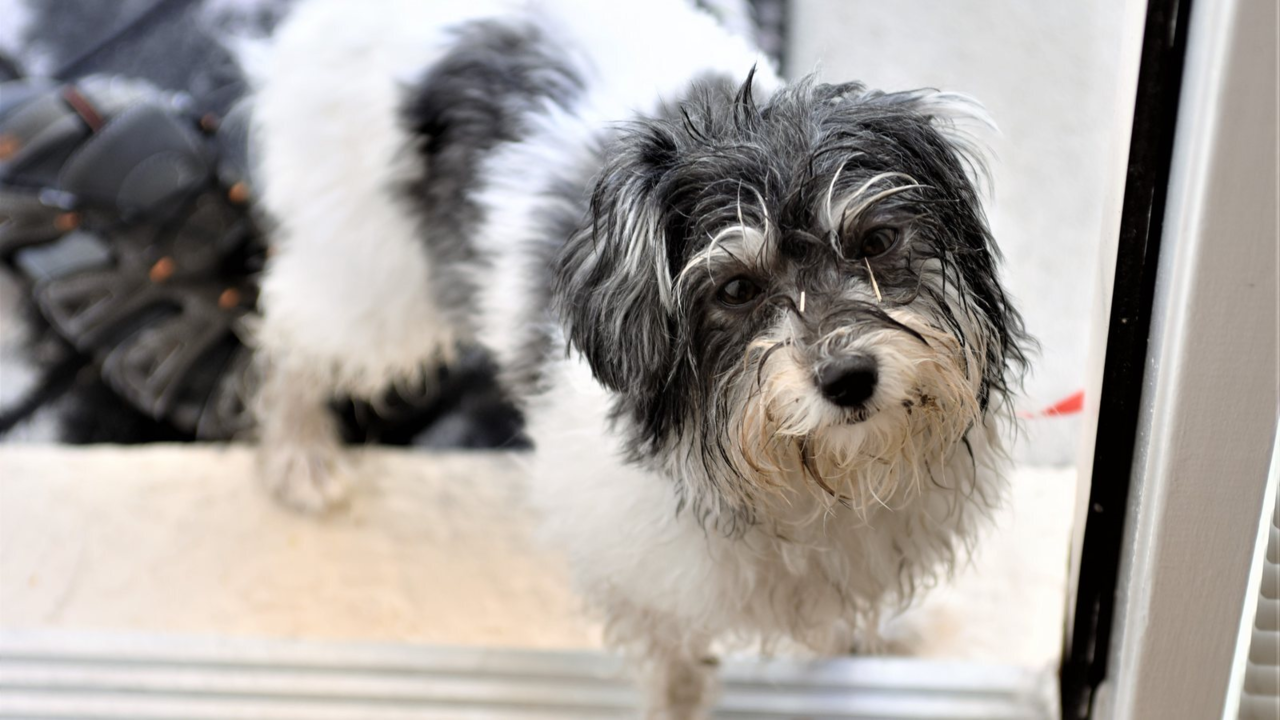
Moisture releases odour from the natural oils and microbes on your dog's skin and coat. Thick, double and curly coats can stay damp close to the skin even when the surface feels dry.
Rinse away mud, towel dry thoroughly and use a cool dryer if your dog is comfortable with it. Wash and dry the collar separately.
Dirt, saliva and outdoor adventures
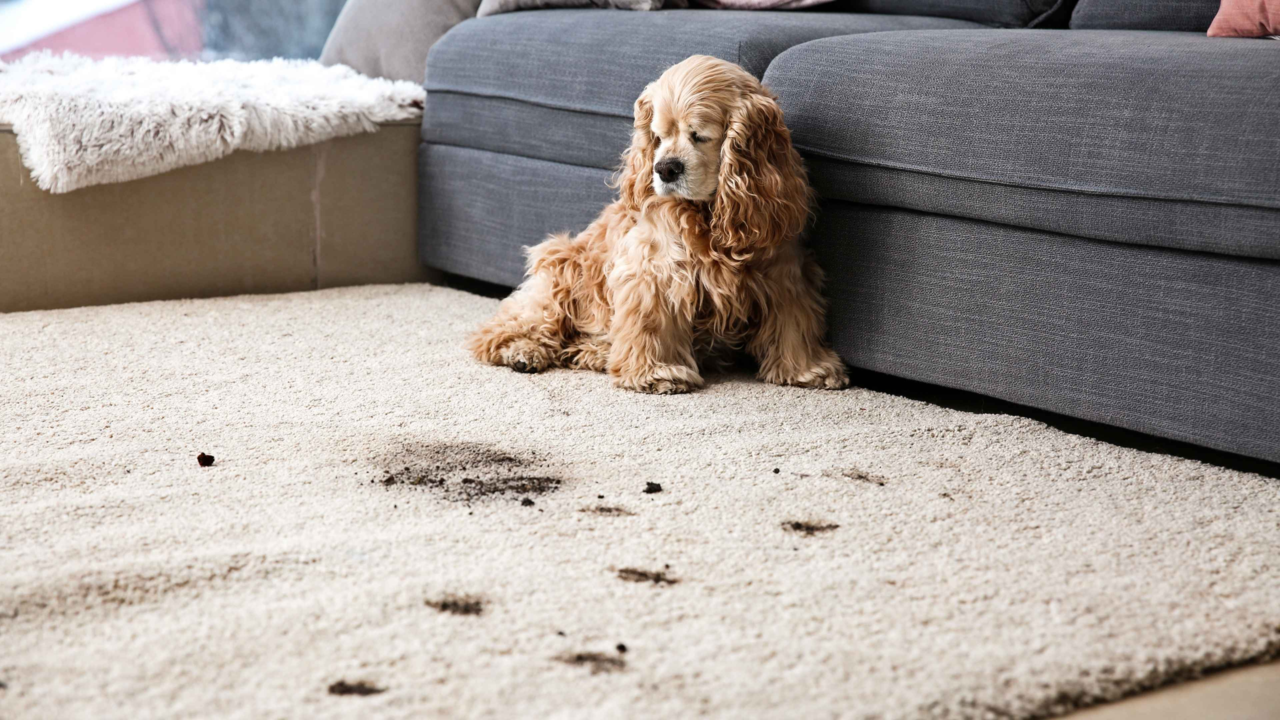
Rolling, swimming, drooling and rubbing against smelly things can leave a strong but temporary odour. Long ears and feathering may also pick up food and moisture.
Brush out dry dirt first, then spot-clean or bathe with a dog-specific shampoo. Clean the bedding at the same time so the smell does not transfer straight back.
Skin and coat changes
A musty, oily or sour smell can come from irritated skin, excess oil, yeast or bacteria. You may also notice redness, flakes, greasy patches, hair loss, bumps or scratching.
A gentle wash can remove surface dirt, but recurring skin odour needs a clinic check so the underlying cause can be identified.
Skin folds that stay moist
Facial, neck, tail and vulval folds can trap moisture, food and debris. Flat-faced breeds and dogs with loose skin may need regular fold checks.
Wipe only the accessible surface with a dog-safe grooming wipe, then dry it carefully. Red, painful, weeping or strong-smelling folds need clinic advice.
Smelly ears
Ears may smell waxy, sweet, musty or sour when there is excess wax, trapped moisture or inflammation. Head shaking, scratching, redness and discharge are signs to pay attention to.
Clean only healthy, comfortable ears with a dog-specific ear cleaner. If the ear is sore, very red or suddenly smelly, skip home cleaning and contact your clinic.
Bad breath or dental trouble
Persistent foul breath is not simply part of having a dog. Plaque, inflamed gums, a damaged tooth or something stuck in the mouth may be responsible.
Build a home dental routine with dog toothpaste and regular checks. Bleeding gums, facial swelling, trouble eating or sudden severe breath need a clinic appointment.
Corn-chip-smelling paws
A mild corn-chip scent can be normal because paws have their own mix of natural microbes. The smell becomes more concerning when it is much stronger than usual or comes with redness, swelling, licking or broken skin.
Rinse off mud and allergens, dry between the toes and check for grass seeds or small injuries. Ongoing licking or soreness needs a clinic check.
A fishy smell from the rear end
A sudden fishy smell may come from anal sac fluid, especially if your dog is also scooting, licking under their tail or uncomfortable when sitting.
Clean soiled fur gently, but do not try to empty the sacs yourself unless a qualified professional has shown you how. Repeated or painful episodes need clinic care.
Urine or faeces caught in the coat
Long or matted hair around the belly, legs and rear end can trap toileting smells. New urine odour may also be a clue that your dog is leaking, toileting differently or struggling to groom.
Trim and clean the coat carefully. If the issue is new, frequent or paired with increased thirst, straining or discomfort, contact your clinic.
The smell is in their gear, not their coat
Collars, harnesses, coats, beds and soft toys absorb moisture and body oils. A freshly bathed dog can smell stale again within minutes after putting on an unwashed collar.
Follow each item's care label, rinse detergent out well and let everything dry completely before use.
What to Do at Home
Brush before bathing
Brushing removes dry dirt and loose coat while helping water and shampoo reach the skin more evenly. Gently work through tangles instead of washing them tighter.
Use dog-specific products
Human shampoo, essential oils and household deodorisers can irritate a dog's skin. Choose a product made for dogs and follow the label, especially around the face and ears.
Rinse and dry thoroughly
Shampoo residue can make skin itchy, while trapped moisture encourages odour. Rinse until the water runs clear, then dry the coat right down to the skin.
Freshen between baths
For light dirt, use a damp cloth or dog grooming wipe on the coat and paws. Waterless shampoo wipes can help after a walk, but they should not cover up a persistent smell.
Wash their environment
Clean bedding, blankets, crate mats, washable toys and grooming tools. Vacuum the sleeping area and let everything dry fully before your dog settles back in.
Keep a short odour diary
Note where the smell is, when it appears, what your dog was doing and any skin, ear, mouth or toileting changes. Patterns can make a clinic visit more useful.
When to Contact Your Clinic
Book a check if the smell is sudden, strong, recurring or clearly coming from one part of the body. Seek advice sooner if you notice:
- red, hot, swollen, painful or weeping skin
- ear discharge, constant head shaking or a head tilt
- bleeding gums, facial swelling, drooling or trouble eating
- persistent paw licking, limping or swelling between the toes
- scooting, rear-end swelling or pain when sitting
- urine odour with straining, frequent toileting or increased thirst
- lethargy, reduced appetite or a sudden behaviour change
Do not repeatedly shampoo a sore area or use fragrance to mask the smell. The odour may be an early clue that your dog needs treatment.
A Practical Dog Odour-Care Kit
A small set of dog-safe grooming, ear and dental products can help with routine odour care. Choose the product that matches the source rather than using fragrance across your dog's whole body.
Frequently Asked Questions
Why does my dog still smell after a bath?
The coat may not be fully dry, shampoo residue may remain, or the odour may be coming from the ears, mouth, paws, folds or rear end rather than the coat. Also check the collar and bedding before bathing your dog again.
Why do my dog's paws smell like corn chips?
A mild corn-chip scent can be normal for dog paws. Rinse and dry them after wet or muddy walks. If the smell becomes strong or appears with redness, swelling, broken skin or persistent licking, contact your clinic.
Why does my dog smell fishy?
A fishy smell around the rear end may come from anal sac fluid. Check for scooting, licking, swelling or discomfort. Do not try to empty the sacs unless you have been shown how by a qualified professional.
How often should I bathe my dog?
There is no single schedule for every dog. Coat type, activity, swimming, skin health and the shampoo used all matter. Bathe when your dog is genuinely dirty or smelly, then rinse and dry thoroughly. Dogs with skin conditions need a routine set by their clinic.
Can I use human shampoo on my dog?
Use a shampoo made for dogs. Human shampoo can strip the coat and irritate canine skin. Avoid essential oils, perfume sprays and household cleaning products on your dog's body.
Can food make my dog smell?
Food can affect flatulence, stool and, in some dogs, skin health. However, a strong localised smell is more likely to come from the coat, ears, mouth, paws or rear end. Recurring skin or ear issues need clinic guidance before changing diets repeatedly.
How do I stop my dog's collar from smelling?
Wash it according to the care label, rinse thoroughly and let it dry completely. Rotate a spare collar while it dries. Replace collars that hold odour despite cleaning, and keep the skin underneath clean and dry.
When is dog odour an emergency?
Odour alone is rarely an emergency, but urgent advice is sensible if it comes with breathing trouble, collapse, severe pain, facial swelling, uncontrolled bleeding, repeated vomiting or inability to urinate. Otherwise, book a prompt clinic check for sudden, painful or worsening smells.
Fresh Dog, Happy Cuddles
Once you know where the smell is coming from, the right routine becomes much simpler. Shop dog-safe shampoos, grooming wipes, ear care and dental essentials for everyday maintenance.
Shop dog grooming