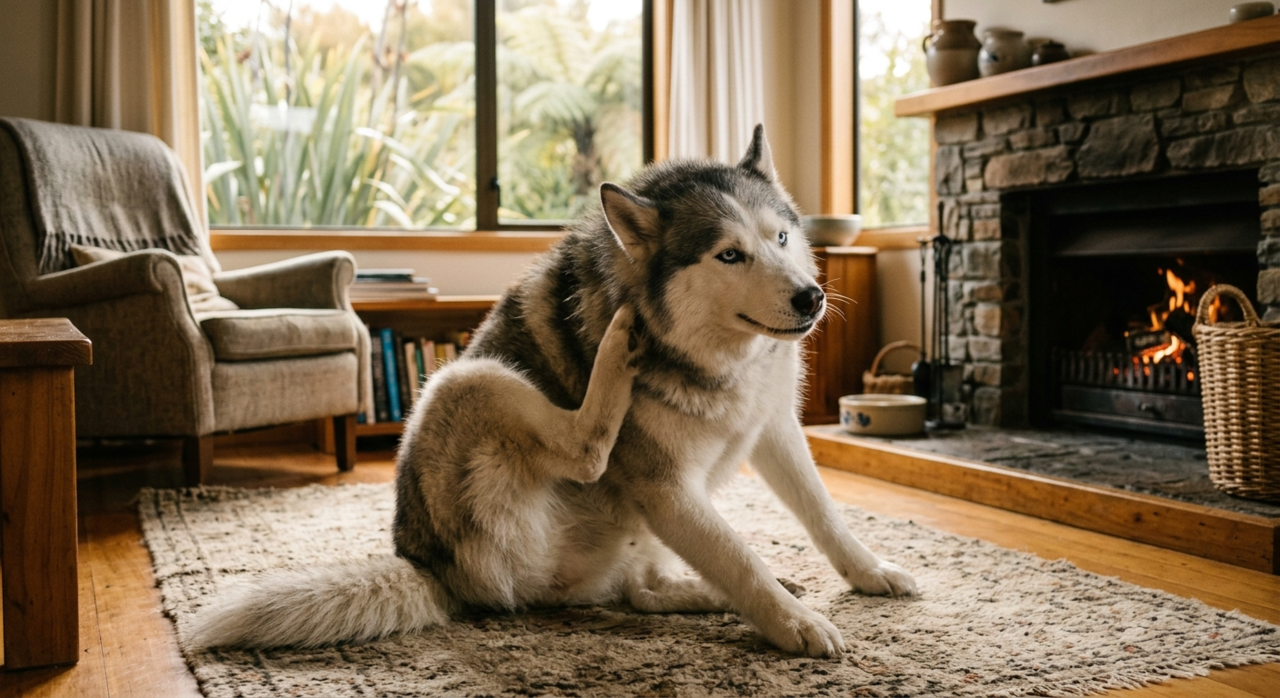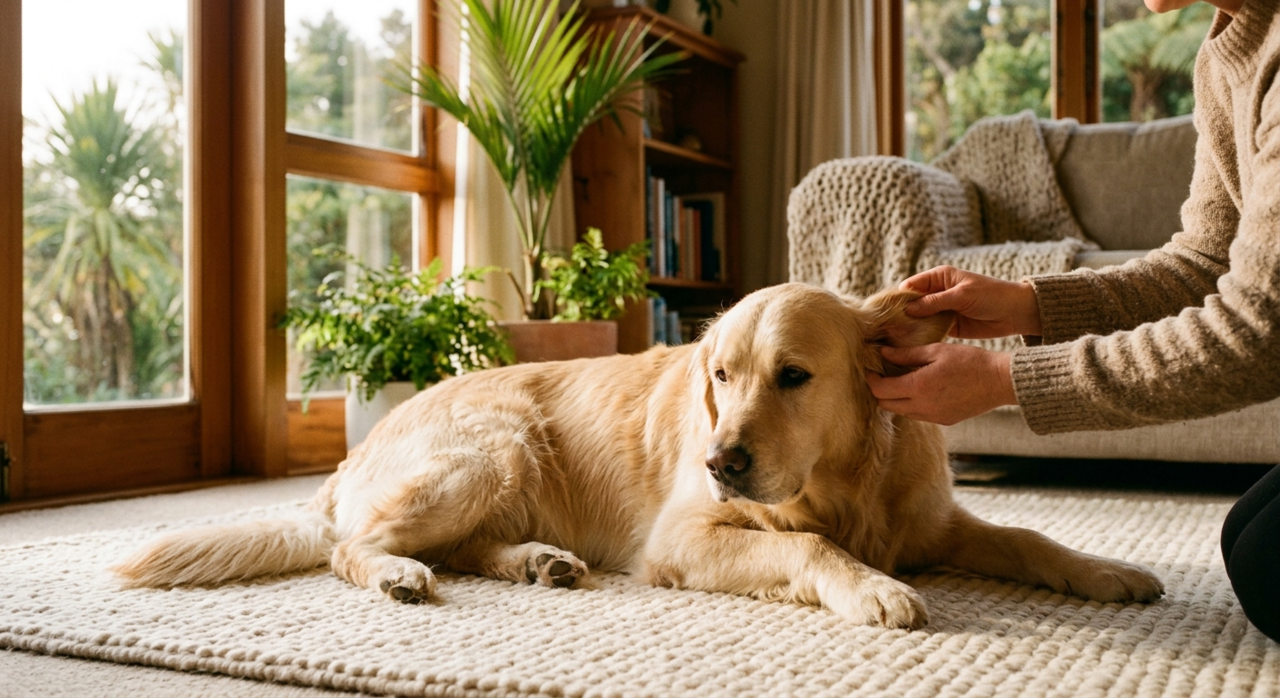
If you've cuddled up to your dog and found yourself thinking "what is that smell?", you're not the only one. Smelly ears are one of the most common reasons people end up googling at 9pm on a Sunday. The good news is that the smell itself is a really useful clue. Different smells often point at different causes, and a quick look-listen-sniff at home can tell you whether it's a routine clean-up or something worth getting checked.
Here's a friendly NZ guide to why dog ears can get smelly, what the different smells usually mean, and how to handle it. We're not a clinic, so anything sudden, painful, getting worse or coming with discharge is worth a chat with your local clinic. The earlier you catch an ear infection, the easier it is to sort.
Quick answer
Smelly dog ears are almost always a sign of either a yeast or bacterial infection, allergies, trapped moisture, or a build-up of wax that's gone past the "manageable" point. The smell itself is the clue: a sweet, musty, popcorn-y or "corn chip" smell usually means yeast; a sour, foul or fishy smell usually means bacteria; a strong wax-and-skin smell often means build-up. Floppy-eared breeds, water-loving breeds and allergy-prone breeds are most at risk. Most mild cases respond well to a gentle ear cleaner used 1 to 2 times a week. Anything painful, weeping, very red, or coming with head shaking and scratching needs the clinic.
What the Smell Is Telling You
Dog ears do have a slight natural smell, especially right after a bath or a swim. It's the strong, distinctive smells that mean something is going on. Sniff carefully (we know, we know) and try to match what you're getting against the most common four below.
Sweet, musty or "corn chip"
A bit like stale popcorn or cheesy corn chips. Often paired with brown waxy discharge that looks a bit like coffee grounds. Some dogs get a similar smell on their paws.
Usually means: yeast overgrowth. Common in floppy-eared and allergy-prone dogs. The single most common cause of smelly ears.
Sour, foul or fishy
Stronger and more unpleasant than the corn-chip smell. Often paired with yellow, green or sticky discharge, and the ear may feel warm or look red.
Usually means: bacterial ear infection. Often follows on from a yeast issue that wasn't sorted in time, or an underlying allergy.
Strong wax and skin smell
Less "rotten" and more "very strong dog". You might see a thick build-up of brown or yellow-brown wax. The dog isn't usually in pain, but they might shake their head a bit more often.
Usually means: wax build-up. Common in hairy-eared breeds (Poodles, Shih Tzus) and dogs who don't get a regular ear clean.
Sudden, sharp, "off" smell
A smell that wasn't there yesterday and is stronger than expected. Often paired with sudden head tilting, scratching at one ear, or your dog crying when the ear is touched.
Usually means: a foreign object (commonly a grass seed in NZ summers and autumns), an injury, or an acute infection. Worth getting checked sooner rather than later.
The pattern matters as much as the smell. Both ears slightly smelly + brown waxy gunk = often yeast. One ear suddenly very smelly + your dog crying = often something acute. If you can describe both the smell and what changed, your clinic visit is much more useful.
The Most Common Causes Behind Smelly Dog Ears
1. Yeast overgrowth
By far the most common reason for that distinctive sweet, musty smell. Yeast lives naturally on the skin and in the ears, but warm, moist, low-airflow conditions let it grow out of control. Once it does, the wax goes brown and the smell goes very recognisable.
What helps: a gentle ear cleaner used once or twice a week. If the smell isn't easing within 1 to 2 weeks of cleaning, get it checked. Recurring yeast issues are often a sign of an underlying allergy.
2. Bacterial ear infection
Bacteria can take hold on top of a yeast issue, or after water sits in the canal too long, or as a result of allergies. The smell is sourer and the discharge often changes colour (yellow, green, sticky). Bacterial infections usually need more than a clean to resolve.
What helps: get it checked. Bacterial infections respond well to treatment when caught early but can become very stubborn if left.
3. Floppy ears trapping moisture
Labradors, Cocker Spaniels, Bassets, Beagles, Cavaliers and similar floppy-eared breeds get smelly ears far more often than upright-eared breeds. The flap covers the canal, blocks airflow, and traps moisture and warmth. That's a perfect environment for yeast and bacteria.
What helps: a regular cleaning routine, drying ears gently after every bath or swim, and a wipe through the ear flap area weekly.
4. Allergies (food and environmental)
Allergic dogs often show their allergies first and most strongly through their ears. Recurring smelly ears, especially in younger dogs, is one of the most common early signs. The skin in the ear canal becomes inflamed, wax production goes up, and yeast or bacteria step in.
What helps: if your dog has had ear issues 2 or more times in 6 months, allergies are worth investigating. A sensitive-skin food trial, an omega-3 supplement, and your clinic working through possible triggers usually settles things long-term.
5. Water from swimming or bathing
Water sitting in the canal after a swim, a bath or a wet day at the beach is one of the easiest ways to set up a yeast or bacterial issue. Water-loving breeds (Labradors, Goldens, Spaniels) are over-represented in smelly-ear cases for this reason.
What helps: after every swim or bath, gently dry the ear flap with a soft cloth and wipe the inside of the flap with an ear wipe. Use a drying ear cleaner if your dog swims often.
6. Wax build-up
Some dogs just produce a lot of wax. Hairy-eared breeds (Poodles, Shih Tzus, Maltese, Yorkies) trap more wax than their short-haired counterparts because the ear hair holds onto it. The smell is more "strong dog" than "rotten", and the dog often isn't in any obvious pain.
What helps: regular cleaning every 1 to 2 weeks, plus tidying ear hair as part of grooming if your dog's breed has a lot of it. A waxy build-up that's gone hard or dark may need a professional clean.
7. Foreign object (often a grass seed in NZ)
Grass seeds are an underrated NZ summer-and-autumn problem. They can lodge in the ear canal and cause a sudden, intense reaction (head shaking, scratching at one ear, crying when the ear is touched). The smell follows shortly after as the area becomes irritated.
What helps: if you suspect a foreign object, do not poke around. Get it checked. Trying to remove it at home can push it deeper.
8. Ear mites (less common in adult dogs)
Ear mites are more common in puppies and dogs that mix with strays. The classic sign is dark, crumbly, "coffee grounds" discharge with a strong smell, plus persistent scratching. A current flea/parasite treatment usually rules them out.
What helps: get it checked if you suspect mites. Most modern combination flea-and-worm products treat mites too.
How to Clean Smelly Dog Ears at Home
For mild cases (slight smell, a bit of brown wax, no pain), a regular gentle clean is often all that's needed. Here's the routine that works:
1. Pick the right cleaner
A gentle, dog-specific ear cleaner. Avoid water, baby wipes, vinegar, or anything DIY. The pH is wrong and most household options can make things worse.
2. Settle your dog first
Have a treat ready. Cuddle them on the floor or sofa, not on a slippery bench. The first clean of a routine is the trickiest, after that most dogs settle into it.
3. Drop in, don't dig
A few drops of cleaner into the ear canal, then gently massage the base of the ear. You should hear a soft squelchy sound. Never push a cotton bud or your finger deep into the canal.
4. Let them shake
Step back and let your dog shake their head. This is what brings the loosened wax up to the ear flap where you can wipe it. Treats afterwards.
5. Wipe the flap and entry
A soft cloth or ear wipe to clean the inside of the ear flap and the very entrance of the canal. Don't go in any deeper than your fingertip can comfortably reach.
6. Repeat regularly
For most floppy-eared dogs, once or twice a week is the sweet spot. Daily cleaning can dry the canal and cause its own irritation. After every swim, do a quick flap wipe and a drop of drying cleaner.
Ear Cleaners and Wipes Worth Keeping in the Cupboard
A small kit of dog-specific ear products goes a long way. The three below are the ones we recommend most often: gentle, well-tolerated, and good for routine maintenance plus the odd "eww what's that smell" deeper clean.
Tackling the Underlying Cause
If the smell keeps coming back, cleaning isn't the whole answer. Recurring smelly ears almost always trace back to one of three things: an undiagnosed allergy, a parasite issue, or a coat-and-skin nutrition gap. The products below help with each.
Sensitive-skin foods need 6 to 8 weeks of consistent feeding before you'd judge whether they're helping. Omega supplements work best given daily for a similar window. Both pair well with Autodeliver for that reason.
When to Get It Checked
Most mild smelly-ear cases settle within a couple of weeks of a regular cleaning routine. If any of these apply, it's worth a clinic visit:
- Your dog is in obvious pain when the ear is touched, or cries when shaking their head
- The ear canal is bright red, swollen, or weeping fluid
- The discharge has changed colour to yellow, green, sticky or bloody
- Your dog's head is tilted to one side and not straightening up
- You suspect a grass seed or foreign object
- You've cleaned regularly for 2 weeks and the smell is the same or worse
- Smelly ears keep coming back every few months despite a routine
- Your dog is shaking their head constantly or scratching at the ear non-stop
Frequently Asked Questions
Why do my dog's ears smell like corn chips or popcorn?
That distinctive sweet, musty, "corn chip" smell is almost always yeast. Yeast lives naturally on dog skin but overgrows in warm, moist, low-airflow ears. Common in floppy-eared breeds, allergy-prone dogs, and dogs who swim a lot. A regular gentle ear clean usually settles mild cases. If it keeps coming back, the underlying cause (often allergies) is what needs sorting.
Why does my dog's ear smell so bad all of a sudden?
Sudden severe smell, especially in one ear only, is more likely to be acute: a foreign object (grass seed is a common NZ culprit), an injury, or a fast-developing infection. If your dog is also shaking their head, tilting it to one side, or crying when the ear is touched, get it checked rather than waiting it out.
Should I clean my dog's ears every day?
For most dogs, no. Once or twice a week is the sweet spot, and only if there's something to clean. Over-cleaning dries the canal out, removes the protective wax that's there for a reason, and can actually trigger irritation. Quick after-swim and after-bath wipes don't count, do those any time water might have got in.
Can I use baby wipes or human ear products on my dog?
No. Baby wipes are pH-balanced for human skin and often have ingredients that don't suit dog ears. Human ear products are also wrong for dogs. Use a dog-specific ear cleaner, ear wipe, or a soft damp cloth with plain water for the outer flap only.
Why do my Labrador's (or Spaniel's, or Bassett's) ears always smell?
Floppy-eared breeds get smelly ears more often than upright-eared breeds because the flap covers the canal, blocks airflow, and traps moisture and warmth. Add a love of water, like Labradors and Spaniels typically have, and the risk goes up further. A weekly cleaning routine is essentially preventive maintenance for these breeds.
Is it ear mites or yeast?
Mites and yeast can both produce dark "coffee grounds" discharge, so it can be hard to tell at home. Mites are more common in puppies and dogs that mix with strays, and they're usually paired with intense scratching. Yeast is more common in adults and often paired with allergies. A current flea-and-worm treatment usually rules mites out, but if you're unsure, get it checked.
Can food cause smelly dog ears?
Indirectly, yes. Food allergies often show up first as recurring ear inflammation. If your dog has had 2 or more smelly-ear episodes in 6 months, a sensitive-skin food trial (run strictly for 6 to 8 weeks) is one of the most useful things you can try. Pair it with an omega-3 supplement for skin and coat support.
How do I stop my dog's ears smelling after swimming?
Quick after-swim routine: dry the ear flap with a soft cloth or towel, wipe the inside of the flap with an ear wipe, and add a few drops of a gentle ear cleaner if your dog swims often. The goal is no water sitting in the canal. Some swimmers benefit from a drying-style ear cleaner once or twice a week through summer.
How long should I try home cleaning before going to the clinic?
For mild cases (slight smell, brown wax, no pain), a regular routine for 2 weeks is fair. If the smell is the same or worse after that, get it checked. For anything painful, weeping, very red, or sudden, skip the home try and go straight to the clinic. Ear infections caught early are much easier to treat.
Dog Ear Care Essentials
Find dog-specific ear cleaners, ear wipes, sensitive-skin food and skin-and-coat supplements in one place. Save with Autodeliver on food and supplements, and enjoy everyday member pricing as part of Pet Perks.
SHOP DOG EAR CARE