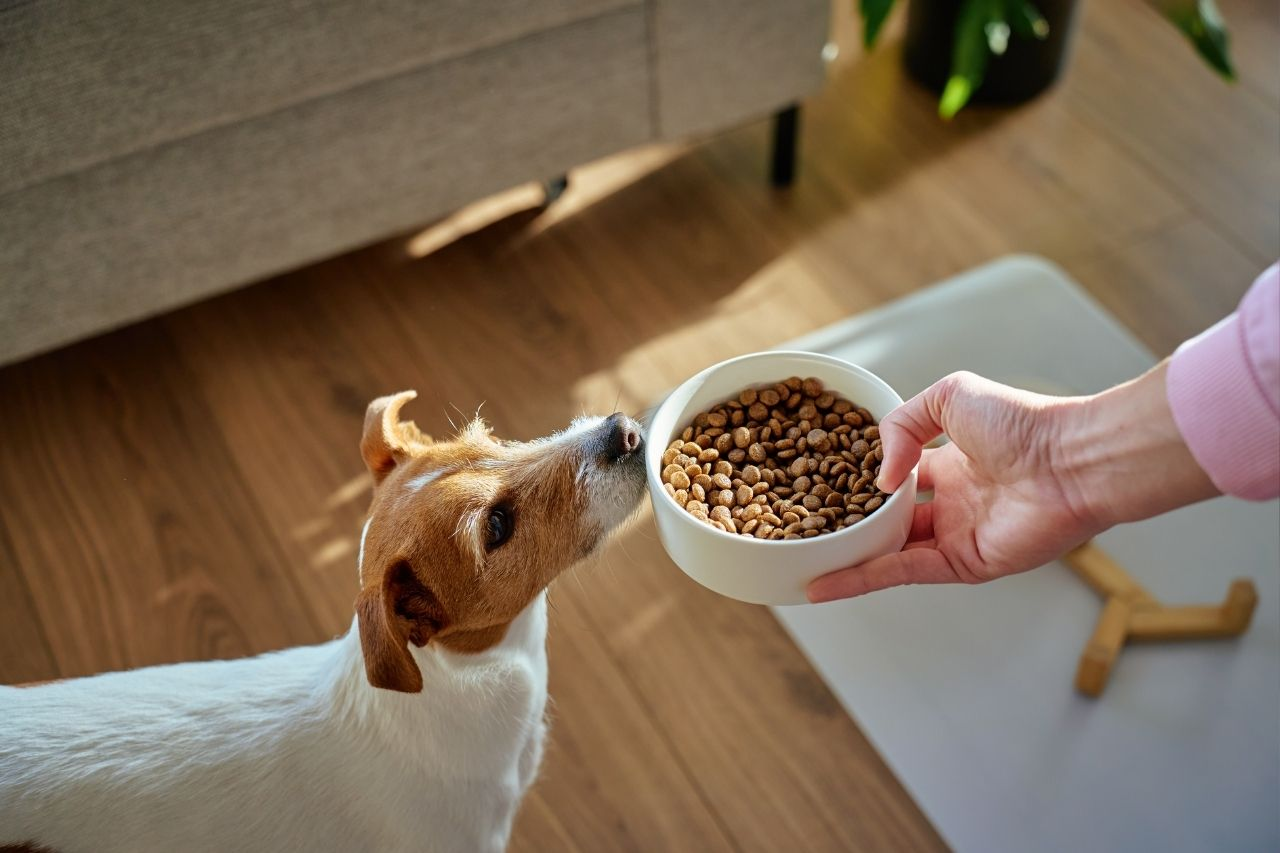
Switching your dog to a senior diet is one of the best things you can do for them as they get older. Senior foods are designed to support ageing joints, maintain a healthy weight, and provide the right balance of nutrients for a body that is working a little differently than it used to.
But if you have ever changed your dog's food too quickly, you know what can happen. Loose stools, an upset tummy, or a dog that simply refuses to eat the new food. The good news is that with a gradual approach and a few simple tips, you can make the switch smoothly and comfortably. This guide walks you through how to do it, step by step.
When to Start Thinking About Senior Food
There is no single age that applies to every dog. When your dog is considered "senior" depends largely on their size.
Small breeds (under 10kg)
Small dogs tend to live longer and are generally considered senior around 10 to 12 years of age. They may not need a diet change as early as larger breeds.
Medium breeds (10 to 25kg)
Medium dogs typically reach their senior years around 8 to 10 years of age. This is a good time to start thinking about whether their current food is still meeting their needs.
Large and giant breeds (25kg+)
Larger dogs age faster and may benefit from a senior diet as early as 6 to 8 years of age. Breeds like German Shepherds, Golden Retrievers, and Labradors often do well on a senior formula from around age 7.
These are general guidelines. Every dog is different, and your vet can help you decide when the time is right based on your dog's health, weight, and activity level. For more on choosing the right food, see our guide to the best senior dog food in NZ.
Why a Gradual Transition Matters
Your dog's digestive system needs time to adjust to a new food. Even if the new food is better for them, switching too quickly can cause digestive upset. Here is why going slowly is important.
Gut bacteria need time to adapt
Your dog's gut contains billions of bacteria that help break down food. Different foods encourage different types of bacteria. A sudden change does not give these bacteria time to adjust, which can lead to loose stools, gas, or an upset stomach.
Senior stomachs can be more sensitive
Older dogs often have more sensitive digestive systems than younger dogs. Their gut may not handle sudden changes as well as it used to, making a gradual transition even more important.
It helps with fussy eaters
Some dogs are suspicious of new food. Mixing it in gradually lets them get used to the new taste and texture without feeling like their meal has been completely changed overnight.
The 7 to 10 Day Transition Plan
This is the approach most commonly used and it works well for the majority of dogs. If your dog has a particularly sensitive stomach, you can stretch it out to 14 days.
Days 1 to 2: 25% new, 75% old
Start by mixing a small amount of the new senior food in with their current food. Most dogs will not even notice the difference at this stage. Keep an eye on their stools and appetite.
Days 3 to 4: 50% new, 50% old
Increase the new food to half the bowl. If your dog is eating well and their stools are normal, you are on track. If things are a bit loose, hold at this ratio for an extra day or two before moving on.
Days 5 to 7: 75% new, 25% old
By now your dog's gut should be adjusting well. Most of the bowl is the new food with just a small amount of the old food mixed in. Continue monitoring their stools.
Days 8 to 10: 100% new food
Your dog is now fully on their new senior diet. Their digestive system has had time to adjust, and they should be eating comfortably. If everything looks good, you are done.
For more detail on switching foods safely, see our guides to how to safely switch dog food and signs your pet is not adjusting well.
Tips for a Smooth Transition
Stick to the same brand family if possible
If your dog is already on a brand like Hill's Science Diet, Royal Canin, or Black Hawk, switching to the senior version of the same brand can make the transition easier because the ingredients and flavour profile are often similar.
Add a little warm water
Mixing a splash of warm water into the new food can release the aroma and make it more appealing, especially for fussy eaters or dogs with a reduced sense of smell.
Try adding wet food
If your dog is reluctant to eat the new dry food, mixing in a small amount of wet food can make it more enticing. Wet food also helps with hydration, which is a bonus for older dogs.
Keep meal times consistent
Feed at the same times each day and in the same spot. Routine helps older dogs feel settled and reduces the chance of them being put off by too many changes at once.
Consider a probiotic
A probiotic supplement can help support your dog's gut during the transition. Products like Fourflax Probiotics are easy to sprinkle onto food and can help keep digestion on track.
Do not panic over a soft stool
A slightly softer stool for a day or two during the transition is normal and usually settles on its own. If it persists beyond a few days or your dog seems unwell, slow the transition down or chat with your vet.
Popular Senior Dog Foods to Transition To
Here are some of the most popular senior dog foods available in New Zealand, covering a range of breed sizes and budgets.
Hill's Science Diet offers senior formulas for standard, small bite, and large breed dogs. Royal Canin has size-specific options including Maxi Ageing 8+, Medium Ageing 10+, and Mini Ageing 12+. ACANA Senior and Orijen Senior are premium options with high protein levels. Eukanuba Senior is a solid everyday choice. For a full comparison, see our guide to the best senior dog food in NZ.
What If Your Dog Will Not Eat the New Food?
Some dogs are more resistant to change than others. If your dog is turning their nose up at the new senior food, here are a few things to try.
- Go back a step in the transition and hold at a lower ratio for a few extra days
- Try a different flavour or protein within the same brand (chicken to lamb, for example)
- Warm the food slightly to release more aroma
- Mix in a spoonful of wet food or a small amount of low-sodium bone broth
- Make sure the food is fresh and stored properly (see our guide to storing pet food)
- If your dog consistently refuses the new food, try a different senior formula altogether
If your dog is refusing all food (not just the new food), or if they seem unwell, it is worth checking in with your vet to rule out any underlying issues.
Frequently Asked Questions
How long should it take to switch my dog to senior food?
A gradual transition over 7 to 10 days works well for most dogs. If your dog has a sensitive stomach, stretching it to 14 days can help. The key is to increase the new food slowly and watch how your dog responds.
Can I switch my dog to senior food overnight?
It is not recommended. A sudden change can cause digestive upset including loose stools, vomiting, or refusal to eat. A gradual transition gives your dog's gut time to adjust and makes the switch much smoother.
My dog has a sensitive stomach. How should I transition?
Take it slower. Extend the transition to 14 days and increase the new food in smaller increments (10 to 15% at a time rather than 25%). A probiotic supplement can also help support digestion during the changeover. If your dog has ongoing digestive issues, your vet can advise on the best food and approach. See our guide to the best dog food for sensitive stomachs.
What if my dog gets diarrhoea during the transition?
A slightly softer stool for a day or two is normal. If it becomes watery or lasts more than a couple of days, go back to the previous ratio and hold there for a few extra days before trying to increase again. If it does not improve, have a chat with your vet.
Does my dog definitely need senior food?
Not every older dog needs to switch to a senior-specific formula, but most will benefit from it. Senior foods are designed with adjusted calorie levels, added joint support, and nutrients tailored to ageing bodies. Your vet can help you decide whether a switch is right for your dog based on their health and condition.
Can I mix wet and dry senior food?
Absolutely. Mixing wet and dry food is a great way to add variety, boost hydration, and make meals more appealing. Many owners use dry food as the base and add a spoonful of wet food on top. Just make sure the total portion size is appropriate for your dog's weight and activity level.
Find the Right Senior Food for Your Dog
From Hill's and Royal Canin to ACANA and Orijen, find the perfect senior formula for your dog's size and needs.
SHOP SENIOR DOG FOODRelated Reading
How to Transition Your Dog to Senior Food
How to Safely Switch Dog Food Without Causing Tummy Upset
Switching Pet Food: Signs Your Dog Is Not Adjusting Well
Best Dog Food for Sensitive Stomachs in NZ
The Best Senior Dog Food in New Zealand: A Complete Comparison
Senior Dog Care in New Zealand: The Ultimate Guide