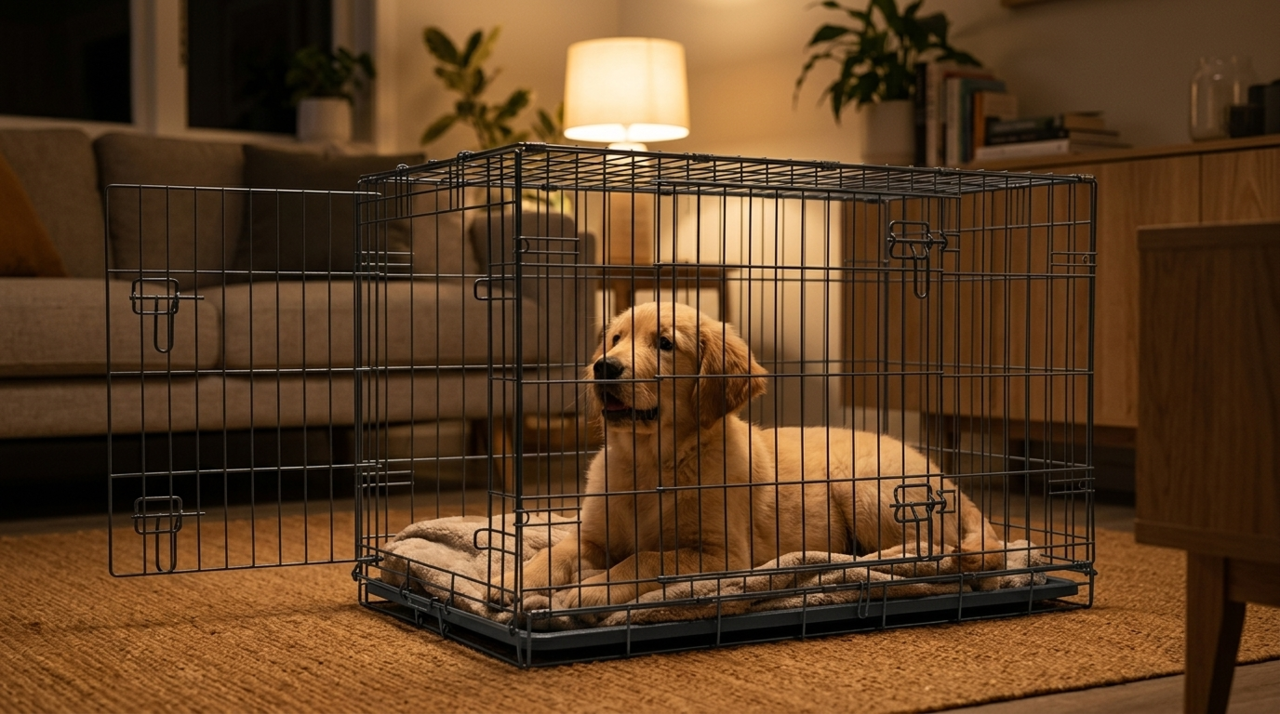
The first night with a new puppy is the moment most new owners suddenly remember they signed up for a creature who, until 24 hours ago, lived in a warm pile with their littermates and a mum who knew exactly what to do. Now they're in a strange house with strange smells and a strange person, and they would very much like to express their feelings about it. At 2am. Loudly.
Here's a practical guide to surviving the first night with a new puppy, what to set up before they arrive, what to expect once the lights go out, and how to keep both of you sane until everyone wakes up in the morning.
Quick answer
For the first night, set up the puppy's bed (or pen) in your bedroom so they can hear and smell you. Use a soft warmed blanket, a heartbeat toy, and an item with their littermates' scent if the breeder sent one. Expect crying for the first hour or two, set a 2-3am alarm for one toilet trip, and try not to make a big fuss when you reassure them. They'll settle within a night or two, and within the first week they're usually sleeping through. Most "first night" panic comes from expecting them to act like an adult dog , they can't, yet.
What's Actually Happening For Your Puppy Tonight
They've lost their pack
Until today, your puppy slept in a warm pile with three to seven brothers and sisters and a mum who fed and licked them. That's the only normal they've ever known. Suddenly being alone, even with a kind new family, is genuinely confusing for them.
They're not cold, but they feel cold
A 7-9 week old puppy regulates their own temperature less well than a grown dog. Without littermates pressed against them, they often feel chilly even in a warm room. Heat is comfort.
Crying isn't naughty
The crying, whining and yelping isn't bad behaviour. It's a young animal calling out for connection. Knowing this helps you respond calmly rather than getting frustrated.
Their bladder is tiny
A 8-week-old puppy can hold a wee for about 2 hours. Expect at least one overnight toilet trip. That's not them being demanding, that's basic physiology.
Everything smells different
Your house has none of the smells they grew up with. No mum, no siblings, no breeder's lounge. Even with everything else right, this alone takes a couple of nights to adjust to.
They will settle
Almost every puppy is sleeping through the night by the end of the first week. Hour one of night one is the worst, and it gets easier from there. Knowing that helps you ride out the rough patch.
Before Bedtime: The Set-Up
Your "before lights out" checklist
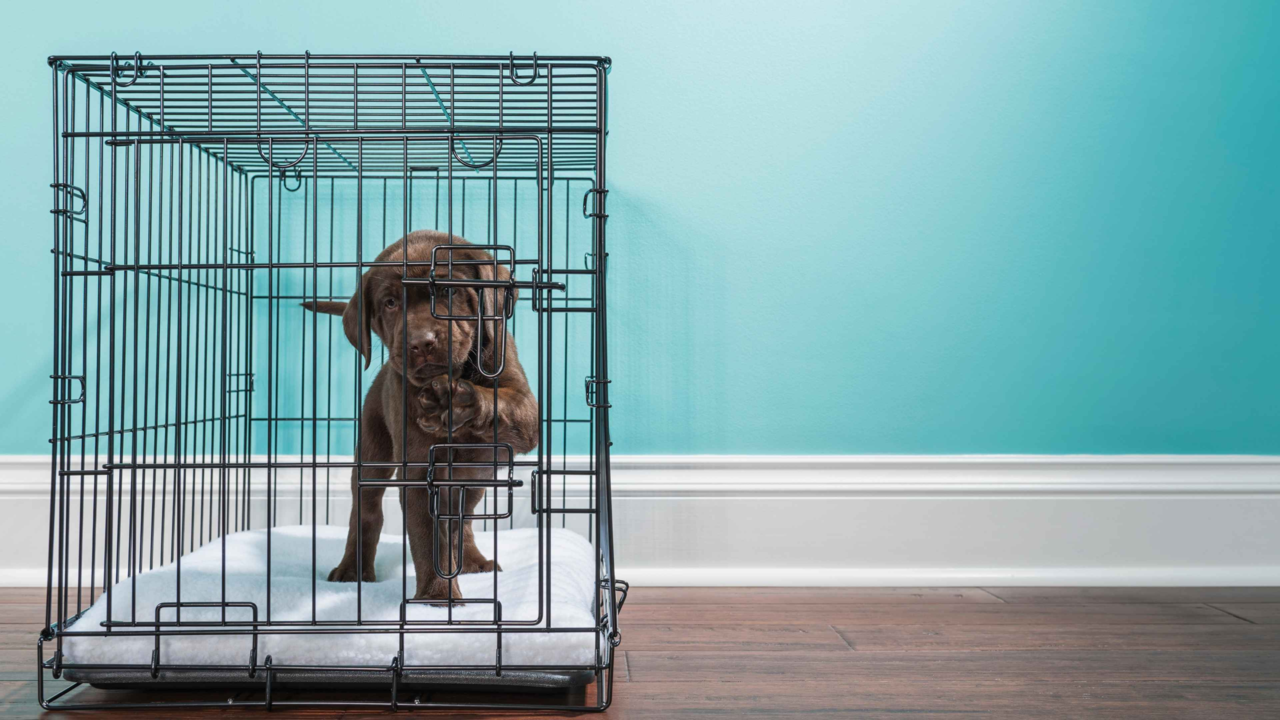
- Pick the location. Pen or crate in your bedroom is the recommended approach for the first few weeks. You can move them further away once they're confident.
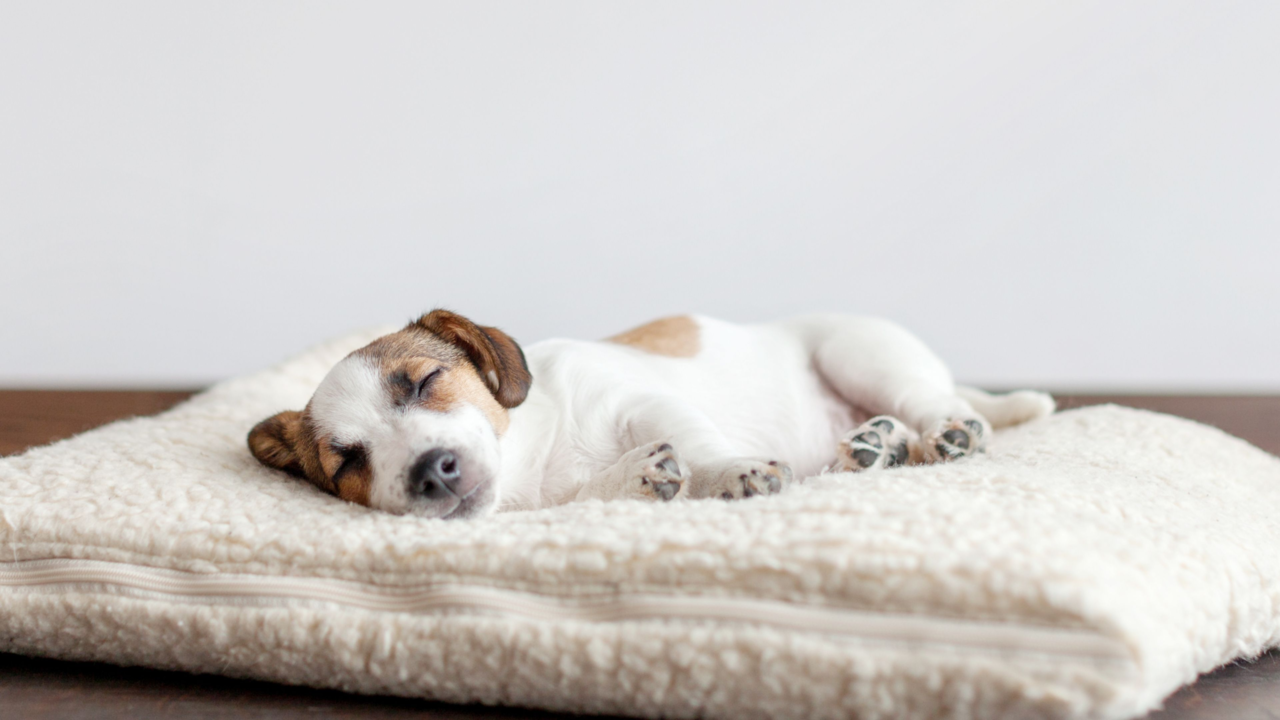
- Make the bed cosy. Soft, washable, big enough to curl up in. Layer with a warmed (not hot) blanket.
- Add a comfort item. A heartbeat toy mimics the rhythm of their litter pile. A blanket from the breeder is gold if you've got one.
- Adaptil collar or diffuser. Optional but genuinely useful. The pheromone signal says "you're safe here" in cat-and-dog language.
- Last toilet trip. Take them out 15-20 minutes before lights out. Don't skip this step.
- Dim the room. Soft light only. Bright overheads in a strange room don't help anyone settle.
- Phone on charge near you. You'll want it for a quiet alarm in 3-4 hours, and maybe to capture a moment of them in their first night sleep.
The First Night, Hour by Hour
Hour 0: Lights out
Pop them in their bed or pen, close the door (the pen door, not the bedroom door), say a calm goodnight, settle into bed yourself. Don't make a big production of it. The less drama you bring, the less drama they bring.
Hour 0-1: Expected crying
The first hour is usually the worst. Crying, scratching, whining. Resist the urge to lift them out, which teaches them that crying gets them held. Instead:
- A soft "shh, you're alright" from your bed is fine.
- A hand dangling near the pen so they can smell you can help.
- If they're inconsolable, a short check that they're warm enough, then leave them.
- Try not to talk too much. Silence and proximity is what they actually need.
Hour 1-3: They settle
Most puppies are asleep by hour two. The crying tapers off into snuffles, then sighs, then quiet. If they're still upset after an hour, check the basics: warmth, dryness, any obvious discomfort. Then back to the same calm reassurance approach.
Hour 3-4: Toilet trip
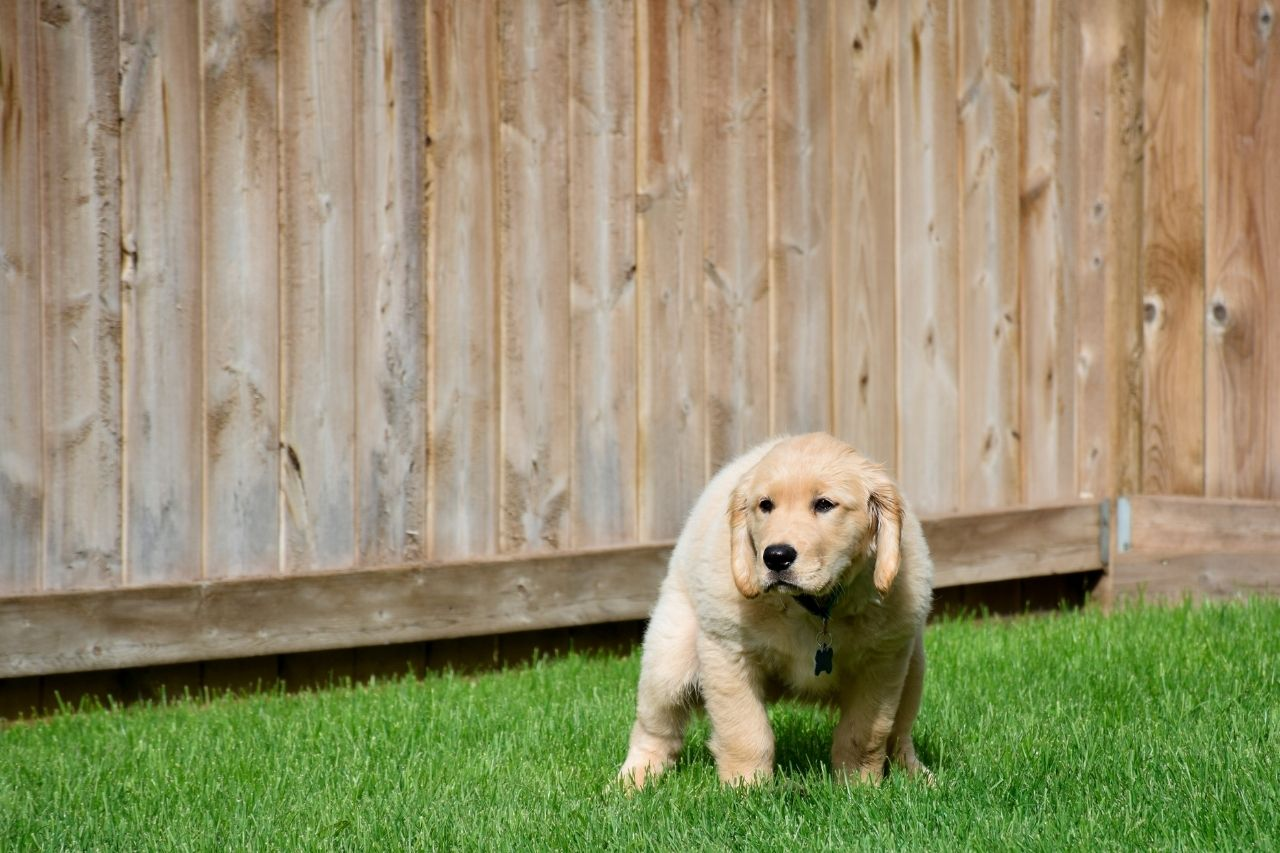
Set a quiet alarm. Carry them outside (don't make them walk down the hall , accidents happen). Put them on the toilet spot, say your cue word, wait. The moment they go, calm praise and a tiny treat. Then straight back to bed. No play, no chat, no fuss.
Hour 4-7: Most of the night
Once they've had their middle-of-the-night wee, most puppies sleep through until morning. If they cry again, repeat the calm reassurance. Resist taking them into your bed even if you're tempted, since it sets up patterns that are hard to undo later.
Hour 7-8: Morning toilet
When they wake up, straight outside for the morning wee. Praise, breakfast, calm cuddle. You both made it through night one. The next one will be easier.
What to Do (and What Not to Do)
Do: keep them close
Bedroom proximity for the first few weeks is the single biggest thing you can do for an easy first night. Your presence is genuine comfort to them.
Do: stay calm
Your energy sets theirs. A calm "you're okay" beats a frustrated "settle down" every time. Take a breath. They pick up on your tone.
Do: a single quiet toilet trip
Plan for one wake-up. Set an alarm rather than waiting for them to cry, so they don't learn that crying summons you.
Don't: take them into your bed
It's tempting at 3am. The trouble is they'll expect it every night, plus there's a real risk of squashing a tiny puppy if you roll over. Best to keep the rhythm of "you sleep here, I sleep here" from night one.
Don't: punish or shout
Crying isn't naughty, it's communication. Shouting raises everyone's stress and teaches them you're scary in the dark. Keep your voice low and warm.
Don't: leave them in a back room
A puppy in a back room or laundry on night one will cry for hours and you'll get no sleep. Keep them with you for the first few weeks, then transition gradually.
If They're Really Struggling
Troubleshooting checklist for a hard first night
If your puppy has been crying for more than an hour and isn't settling, work through these in order:
- Warmth. Are they warm enough? A 7-9 week old puppy without littermates often feels cold. Add a layer or warm the room slightly.
- Toileting. Have they been out recently? Take them out briefly, no play, straight back to bed.
- Comfort items. Heartbeat toy, breeder blanket, a worn t-shirt of yours in the pen. Familiar smells matter.
- Pen position. Is the pen too far from your bed? Move it closer. Some puppies want to see you to settle.
- Pheromones. If you've got an Adaptil diffuser, plug it in near the pen. Worth the small spend.
- Hunger. A hungry puppy is hard to settle. If they haven't eaten well in the evening, a few small bits of their food can help.
- Discomfort. If they seem genuinely distressed (panting, hot ears, very restless), a clinic check the next morning is reasonable.
The Days After Night One
Night 2: usually easier
Most puppies cry less on night two. They've started to recognise the bed, the room, your smell. The pattern of "lights out = sleep" is forming.
Night 3-7: settling in
By the end of the first week, most puppies are sleeping through the night with one mid-night toilet trip. Pen-to-room moves can begin if you want them.
Week 2: routine takes over
The bedtime routine (last toilet trip, cosy bed, dim light, calm goodnight) becomes a comfort signal. Lean into it.
Moving them later
Once they're confidently sleeping through (usually 4-8 weeks in), you can gradually move the pen out of your room if you want to. Inch by inch, never overnight.
For the full puppy guide, read the Petdirect Puppy Guide
This blog covers the first night. The full Petdirect Puppy Guide goes deeper on settling in, training, nutrition, vaccinations and the first year of life, written specifically for NZ owners.
READ THE PUPPY GUIDEFrequently Asked Questions
How long will my puppy cry on the first night?
Most puppies cry on and off for the first hour, then settle. By night two or three the crying usually drops to a few minutes at lights-out. By the end of the first week, most are sleeping through with one mid-night toilet trip.
Should my puppy sleep in my bedroom?
For the first few weeks, yes. Being in your room (in a pen or crate, not on your bed) gives them the closeness they need to settle, helps you respond quickly to night-time wees, and lets the bond form. You can move them further away once they're confident.
Can I let my puppy sleep on my bed?
Most trainers recommend against it for the first few weeks. There's a real squashing risk with a tiny puppy, you can't easily respond to a 3am toilet need, and it sets up a pattern that's hard to undo later. Keep the bed for you and the pen for them.
What do I do if my puppy cries for hours?
Work through the troubleshooting list (warmth, toilet, comfort items, pen position, pheromones, hunger). Most settle within 30 minutes once you've checked the basics. If they're genuinely distressed for an extended period and nothing helps, book a clinic check the next morning to rule out anything physical.
How many toilet trips will my puppy need overnight?
Usually one or two for a 7-9 week old. By 12 weeks most can hold it for 5-6 hours. By 16 weeks most can sleep through. Set a quiet alarm rather than waiting for them to cry, so they don't learn that crying summons you.
Are pheromone diffusers worth it for the first night?
Many owners find them helpful. Adaptil mimics the pheromone a mother dog releases to calm her puppies, and a diffuser or collar can take the edge off the first few nights. Not a magic fix, but a useful addition to the rest of your set-up.
What if I have to work in the morning after a sleepless first night?
If you can, plan to take the puppy home on a Friday or before a quiet day off. Two days of grace after their arrival makes a huge difference. If that's not possible, lean on a partner, family member or friend to do the first-day morning routine while you have a coffee.
First-Night Essentials at Petdirect
Browse puppy pens, soft beds, heartbeat toys, pheromone diffusers and the rest of the new-puppy essentials. Save with Autodeliver on puppy food, and enjoy everyday member pricing as part of Pet Perks. For the complete first-year guide, read the Petdirect Puppy Guide.
SHOP PUPPY ESSENTIALS