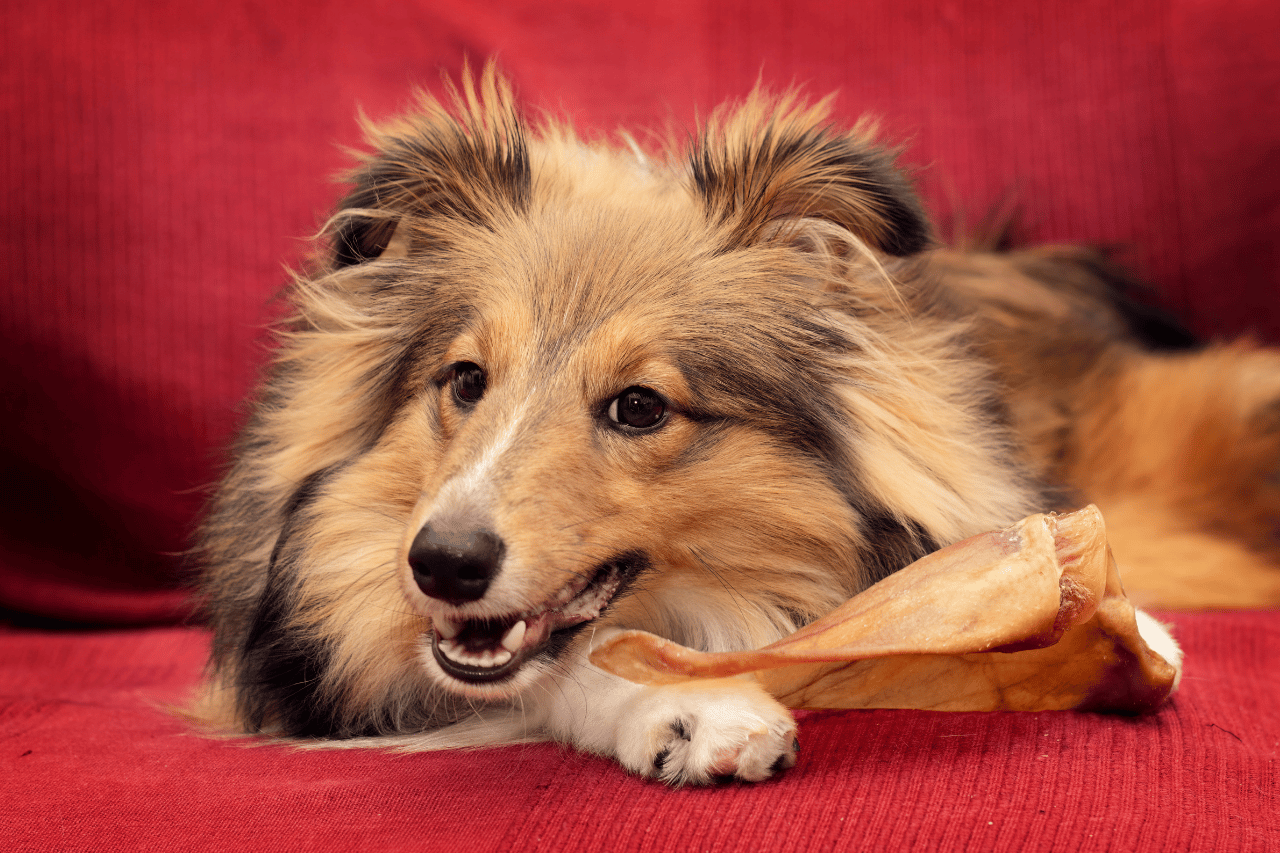
Pigs ears are one of the natural chew treats Kiwi dog owners ask about most. Long-lasting, single-ingredient, and a satisfying chew for dogs who like a treat that takes a while to work through. If you're thinking about giving them to your dog for the first time, or wondering whether they're the right fit, here's a clear guide to what they offer, how often to feed them, and what to look for.
Quick answer
Pigs ears are a natural, single-ingredient dog chew made from dried pig ears. They're loved for being long-lasting, high in protein and free from added fillers. Most dogs can enjoy them as an occasional treat (around once or twice a week, depending on size). Plant-based versions are also available for owners who want the same chew experience without the meat.
What Are Pigs Ears?
Pigs ears are exactly what they sound like: dried, dehydrated or roasted pig ears, sold whole as a long-lasting natural chew. They're a single-ingredient treat with no added fillers, flavours or preservatives in their most basic form. The chewy, slightly cartilaginous texture is what makes them last so much longer than a soft training treat.
You'll also find plant-based "veggie pig ears" on shelves in NZ, which mimic the shape and chew experience without using any animal protein. Both work as occasional chew treats, just for slightly different reasons.
Benefits of Pigs Ears for Dogs
Long-lasting chew
Pigs ears take time to work through, which makes them a satisfying occupier when you need quiet time, want to keep your dog busy on a rainy day, or are looking for a slow-burn reward.
Single-ingredient simplicity
Most pigs ears are just one thing: dried pig ear. No added grains, preservatives or artificial flavours, which suits owners who prefer minimal-ingredient treats.
High in protein
Pigs ears are naturally protein-rich, making them an enjoyable treat that fits into a wider balanced diet rather than just empty calories.
Supports natural chewing
Chewing is one of the most settling activities for dogs. A natural chew like a pig ear taps straight into that instinct without needing to be a toy.
Mental enrichment
Working through a chew exercises the jaw and gives the brain something to focus on. A 10 to 20 minute pig ear session can be as settling as a short walk for some dogs.
A treat dogs genuinely love
The smell and taste are appealing to most dogs. They're a popular reward, training milestone treat, or special occasion chew.
How Often to Give Your Dog a Pig Ear
Pigs ears are a treat, not an everyday food. Like all chews, they're best given in moderation as part of a balanced diet. As a general guide:
| Dog size | Typical weight | How often | Tips |
|---|---|---|---|
| Small | Under 10kg | Half a pig ear, once a week | Break in half to make it last longer and reduce calorie load. |
| Medium | 10 to 25kg | One pig ear, once or twice a week | A great rainy day or quiet time chew. |
| Large | 25 to 40kg | One pig ear, once or twice a week | Always supervise to avoid swallowing large pieces. |
| Giant | Over 40kg | One to two pig ears, once or twice a week | Pair with a tougher long-lasting chew for variety. |
Always factor treats into your dog's daily calorie intake. A good rule of thumb is to keep all treats (including chews) to under 10 percent of their daily food. Adjust their main meal slightly on chew days if needed.
Feeding Tips
Always supervise
Like any chew, supervise your dog while they're working through a pig ear. Take it away if it's been chewed down to a small piece they could swallow whole.
Match the size to your dog
Smaller breeds do better with half a pig ear or a smaller cut. Larger dogs can handle a full ear, but always match the chew to the chewer.
Best on a wipeable surface
Pigs ears can leave a small residue. Hand them out on tile, lino or an outdoor area rather than a light carpet or sofa.
Fresh water nearby
Chews can make dogs thirsty. Keep their water bowl topped up while they're working through one.
Store somewhere cool and dry
Once opened, store pigs ears in a cool, dry place or sealed container to keep them fresh and prevent them from softening.
Introduce slowly
If your dog hasn't had a pig ear before, give them a small piece first and watch how they handle it. Chew style varies a lot from dog to dog.
What to Look for in a Quality Pig Ear
- Single-ingredient: dried or dehydrated pig ear with no added preservatives, flavours or artificial colours
- Properly dried so they have a satisfying snap or crunch, not a soft or oily feel
- Sourced from reputable suppliers with clear country-of-origin information
- Sold whole or in clearly cut pieces, so you can match size to your dog
- Stored and packaged in a way that keeps them fresh between uses
Pigs Ears We Stock at Petdirect
If you're after the classic chew experience, our most popular real pigs ears are the natural single-ingredient option below. They're a long-lasting treat your dog can work through during quiet time, on a rainy day, or as a special reward.
Other Real Pork-Based Chews
If your dog loves pork-based chews, The Bone Thief range is a popular NZ-made option using single-ingredient cuts. They give a similar chew experience to a classic pig ear, just in different shapes and textures.
Looking for a Plant-Based Alternative?
Not every dog or owner suits a meat-based chew. Plant-based "veggie pig ears" are a clever option for owners who'd prefer a meat-free treat, dogs with sensitivities to certain animal proteins, or anyone looking for a lighter alternative with a similar chew experience.
The Mak's Patch Pig Ear is a popular plant-based chew alternative in NZ. It's shaped like a classic pig ear and made entirely from plant-based ingredients (sweet potato flour, pea flour, vegetable glycerin and real peanut butter), so it delivers the long-lasting chew without the meat.
Why owners choose the Mak's Patch Veggie Pig Ear
Plant-based and grain-free
Made from sweet potato flour, pea flour and real peanut butter. A great option if you'd prefer to feed your dog a meat-free chew.
Lower-fat than traditional pig ears
Plant-based recipes tend to be lighter, which suits dogs who do better on lower-fat treats or who are watching their weight.
Suits sensitive tummies
For dogs with sensitivities to certain animal proteins, a plant-based chew can be an easier option to introduce.
Less mess
Plant-based veggie pig ears tend to leave less residue than traditional pig ears, which is handy on lighter floors or if your dog likes to chew on the couch.
Long shelf life
The Mak's Patch range has a 24-month shelf life, so you can stock up without worrying about freshness.
Same satisfying chew
Shaped and textured to give that classic long-lasting pig ear chew experience, just made differently.
Other Natural Chews to Consider
If you're building a treat rotation, mixing in different natural chews keeps things interesting and gives your dog variety. A few popular options stocked alongside pig ears at Petdirect:
Frequently Asked Questions
Are pigs ears safe for dogs?
Yes, when fed in moderation and supervised. Pigs ears are a natural single-ingredient chew. Like all chews, they should be given as a treat, not a daily food, and you should always supervise your dog while they work through one.
How often can my dog have a pig ear?
For most adult dogs, once or twice a week is a good rule of thumb. Smaller dogs do better with half a pig ear or a small piece. Always factor chews into your dog's overall daily calorie intake.
Can puppies have pigs ears?
Pigs ears are best introduced once your puppy has all their adult teeth (usually around 6 months) and can chew safely under supervision. Start with a small piece to see how they handle it, and chat to your clinic if you're unsure.
Do pigs ears clean dogs' teeth?
The chewing action helps support natural dental wear, but pigs ears aren't a substitute for proper dental care. Pair them with regular tooth brushing, dental chews and check-ups for the best dental routine.
Are pigs ears high in fat?
Traditional pigs ears are higher in fat than many other treats, which is why they're best given in moderation. If you're looking for a lighter alternative with a similar chew experience, plant-based veggie pig ears like the Mak's Patch range are a good option.
How long does a pig ear last?
It depends on your dog's chew style. Most dogs work through a pig ear in 10 to 30 minutes. Power chewers might finish faster, gentler chewers can make one last longer.
What's the difference between pigs ears and bully sticks?
Both are natural single-ingredient dog chews. Pigs ears are made from dried pig ear and tend to be flatter and chewier. Bully sticks are made from dried beef and are denser and more sinewy. They suit different chew styles, so trying both is often the easiest way to see which your dog prefers.
How should I store pigs ears?
Keep them in a cool, dry place. Once opened, transferring them to a sealed container helps maintain freshness. Avoid storing in direct sunlight or in a humid spot.
Shop Dog Treats and Natural Chews
Whether you're after the classic chew experience or a plant-based alternative, find the right treat for your dog at Petdirect. Save with Autodeliver on regular treat orders and enjoy everyday member pricing with Pet Perks.
SHOP DOG TREATSRelated Reading
Benebone Dog Chews NZ: Which Flavour and Size Is Right?
Best Affordable Dog Toys in NZ: Top Picks Under $20
Vegetarian vs Meat Dog Treats: How to Choose the Best for Your Pup
How to Stop Your Dog Chewing Furniture
Heavy Chewer Toy Guide: Strength, Size and Shape
Dog Toy Buying Guide NZ: How to Choose the Right Toy