If you've recently brought home a kitten and noticed a tiny tooth in the carpet, a chewed-up shoelace, or a sudden urge to nibble your fingers, congratulations, you've hit teething. Just like babies, kittens go through a teething phase as their tiny milk teeth give way to a full set of adult teeth. It's normal, it's manageable, and with the right care it passes without much drama.
Here's a Kiwi owner's guide to kitten teething: what to expect at each stage, how to help your kitten feel comfortable, the kinds of toys and food that suit a teething mouth, and how to set up dental habits that'll serve them for life.
Quick answer
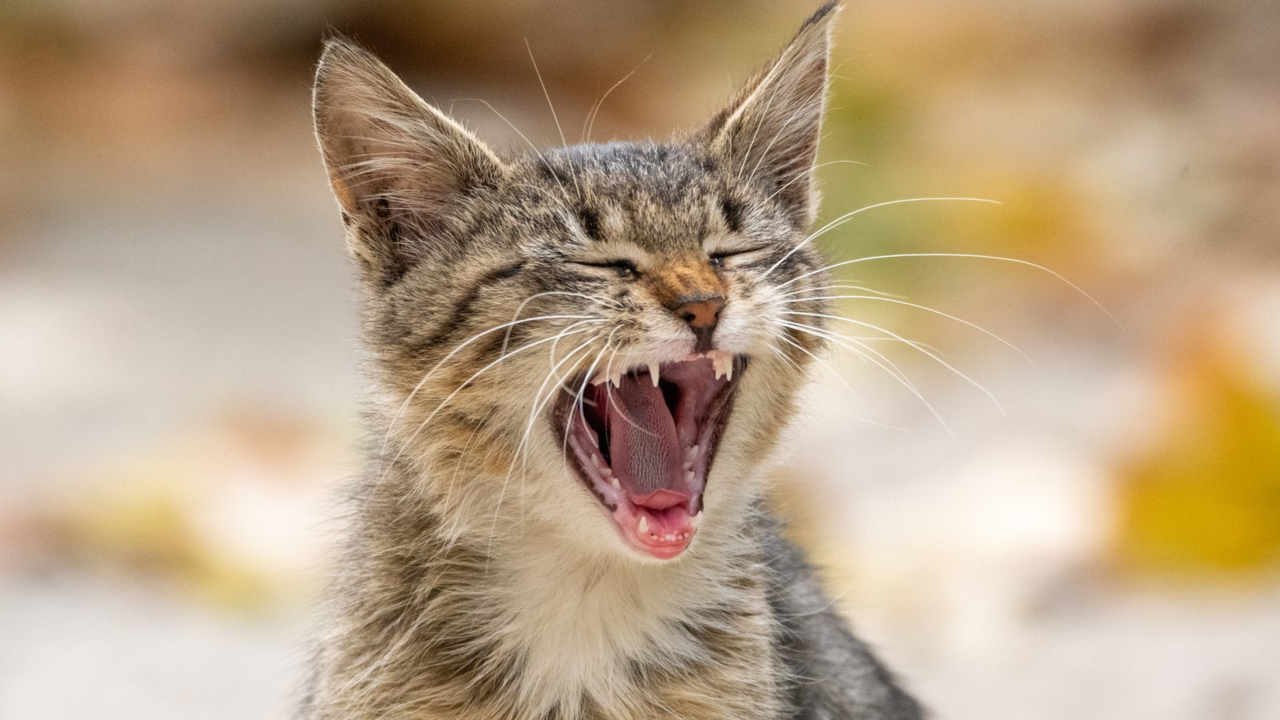
Kittens get two sets of teeth, just like us. The milk teeth come in around 3 to 6 weeks, and the adult teeth replace them between roughly 3 and 6 months of age. During teething you can expect extra chewing, mild drooling, the occasional pawing at the mouth, and a few grumpy days. Help by offering kitten-safe chew toys (some can be chilled in the fridge), softening dry kibble with warm water, and starting gentle toothbrushing as soon as they'll tolerate it. Most kittens sail through teething with just a bit of extra attention.
The Kitten Teething Timeline
2-4 weeks: milk teeth start appearing
The very first milk teeth (deciduous teeth) start coming through around 2-3 weeks of age. At this stage your kitten is still with their mum, nursing and learning to walk. The first to show are usually the tiny incisors at the front, followed by canines.
4-7 weeks: full set of milk teeth
By around 6-7 weeks, your kitten has all 26 milk teeth in place. They're starting to explore firm foods at this stage, and the tiny needle-sharp teeth do a great job. This is also when most kittens are being weaned.
8-12 weeks: welcome home, settled mouth
This is the age most NZ kittens come home with their new families. Their milk teeth are all in, the gums are settled, and they're enjoying food and play. Enjoy this short window of calm: the second wave of teething is just around the corner.
3-4 months: adult teeth start pushing through
The real teething phase begins. Adult teeth start pushing up from underneath, and the milk teeth start to loosen. You might find tiny shed teeth around the house (often in the food bowl or on a favourite blanket). Most are swallowed and pass safely. Extra chewing and a bit of grumpiness are completely normal at this stage.
4-6 months: the busy teething window
This is peak teething. Most adult teeth come through during this period. Expect your kitten to want to chew on everything: cables, shoelaces, plant leaves, the corner of the couch, your fingers. Offering safe alternatives is the easiest way to redirect.
6-7 months: full adult set, calm again
By around 6 months, most kittens have all 30 adult teeth in place and the teething phase is over. They settle back into their normal happy selves, the chewing eases, and you can lean fully into the daily dental routine that'll serve them for life.
Normal Signs of Teething
Extra chewing
The biggest giveaway. Your kitten suddenly wants to gnaw on everything: cables, shoes, plant leaves, your fingers. It's not naughty, it's relief-seeking. Sore gums feel better with gentle pressure.
Mild drooling
A bit more saliva than usual is normal. You might notice a damp patch on their favourite sleeping spot or see a small wet streak on their chin. Mild and occasional is fine.
Gentle gum bleeding
A tiny smear of pink on a chew toy is normal as milk teeth come loose. It doesn't mean anything is wrong. Ongoing bleeding or large amounts of blood is worth a clinic check.
Pawing at their mouth
Kittens sometimes rub at their face or paw at their mouth when a tooth is feeling sensitive. Occasional pawing is normal. Constant pawing, distress, or refusing to eat is worth checking.
A bit of grumpiness
Teething isn't comfortable. Your usually-bouncy kitten might be quieter, less interested in food, or want more sleep. Give them space, soft food, and a cosy spot. They'll bounce back.
Less interest in dry food
Crunchy kibble can be uncomfortable for a teething mouth. Softening it with warm water or temporarily increasing wet food helps. Their appetite often picks back up between teething waves.
How to Help a Teething Kitten
Offer kitten-safe chew toys
The single most useful thing you can do. A small soft toy designed for cats gives them something appropriate to gnaw on instead of your shoelaces. Catnip-filled toys, plush mice, and dental-mesh toys are all popular for teething kittens.
Chill toys in the fridge for extra relief
A small soft toy popped in a sealed bag in the fridge for 15-20 minutes becomes a lovely cool chew, which soothes sore gums beautifully. Don't freeze them, just chill. Bring back to room temperature before offering if they seem hesitant.
Soften hard food with warm water
Mix a small amount of warm (not hot) water into their dry kibble and let it sit for 5-10 minutes until softened. The texture is much easier on a sore mouth, and the warm food smell makes it extra appetising for a kitten who's gone off their dinner.
Lean into wet food during teething waves
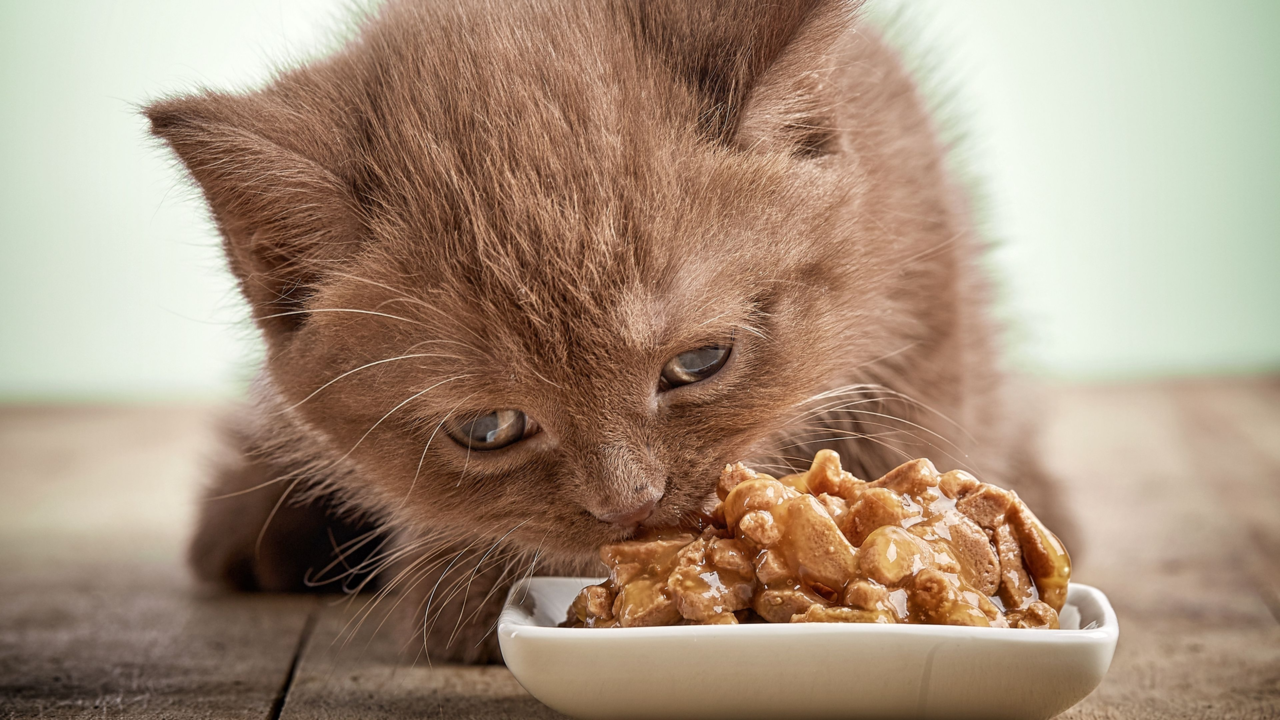
If your kitten is finding kibble hard work, temporarily upping their wet food is fine. Royal Canin and Pro Plan kitten wet food, or Trilogy bone broth ranges are popular options. You can mix wet food into their kibble or offer it as a soft meal of its own.
Lick mats for soothing meals
A LickiMat with a smear of wet kitten food gives them a calm, slow, gum-friendly mealtime. The licking action soothes too. Great for the days when they're feeling a bit off and need something gentle.
Redirect inappropriate chewing
When you catch your kitten chewing on cables, plant leaves or shoelaces, calmly move them to a chew toy and reward the swap. Cable covers and plant relocation can save you a lot of correcting. Some kittens grow out of chewing furniture within a few weeks, others need a few months of patient redirection.
Play sessions that don't involve hands
It's tempting to let a teething kitten play-bite your fingers, but the habit doesn't fade with age. Use a wand toy or a kicker toy as the bite target instead, so by the time they're an adult cat they're not biting you out of habit.
Starting Dental Habits Now
Teething is the perfect window to start a daily dental routine. Your kitten is already focused on their mouth, they're more open to gentle handling, and the habits you build now will stick for life. Cats don't grow out of needing dental care, so the earlier this routine starts, the easier it gets.
The kitten dental routine (from the Petdirect Kitten Guide)
- Brush every day with cat-safe toothpaste only. Never use human toothpaste, since it's toxic to cats.
- Let your kitten taste the toothpaste first so they know what's coming. Most kitten toothpastes are flavoured to be appealing.
- Gently brush a few teeth at a time. Don't try to do the whole mouth in one go. Build up slowly over weeks.
- Keep sessions short and positive, with a treat at the end. Aim for 30-60 seconds at first.
- Dental treats, water additives and chew toys help with long-term oral health, but daily brushing is still the gold standard.
- Textured chew toys and dental mesh toys reduce plaque as a bonus to brushing.
When to Visit Your Vet
Worth booking a check if you see:
Most kittens sail through teething without any issues at all. The Petdirect Kitten Guide flags a few signs worth checking with your vet:
- Double rows of teeth. Sometimes a milk tooth doesn't fall out before the adult tooth has come in. It usually resolves on its own, but if both are still there at 6-7 months a vet check is the right call.
- Red, swollen or visibly inflamed gums. Some pink-to-red along the gumline is normal during teething, but bright red, swollen or sore-looking gums warrant a check.
- Ongoing pain or trouble eating. A grumpy day or a softer-than-usual appetite is normal during teething waves. If your kitten is genuinely off their food for more than a day or two, or showing signs of pain, get it checked.
- Heavy or constant drooling. Mild drooling is normal. Constant, heavy drooling can point to gum or tooth issues that need attention.
- Bleeding gums beyond a tiny smear. A small amount of pink on a chew toy is fine. Active or repeated bleeding is worth checking.
For the full kitten journey, read the Petdirect Kitten Guide
This blog covers teething. The Petdirect Kitten Guide goes deeper on settling in, nutrition, training, vaccinations and the first year of life, written specifically for NZ kitten owners.
READ THE KITTEN GUIDEFrequently Asked Questions
At what age do kittens start teething?
The first milk teeth appear around 2-3 weeks of age. The bigger teething wave (when adult teeth replace the milk teeth) starts at around 3-4 months and finishes by 6-7 months. So by the time most kittens come home with their new families, they're usually a few weeks away from the adult-tooth phase.
How long does kitten teething last?
The active teething phase lasts roughly 3 to 4 months, from about 3 months of age to 6-7 months. There are usually peaks and quieter days within that window. By 7 months most kittens have all 30 adult teeth in place and the chewing settles back to normal cat curiosity.
Do kittens lose their teeth like babies?
Yes. Kittens have 26 milk teeth that fall out and are replaced by 30 adult teeth. You might find tiny shed teeth around the house, but most kittens swallow them, which is completely safe.
Is my kitten in pain when they're teething?
Most kittens have mild discomfort rather than real pain, similar to a teething baby. A few days of being a bit grumpy or quieter than usual is normal. If they seem genuinely distressed, refuse to eat for more than a day, or are pawing at their mouth constantly, a clinic check is the right next step.
Should I let my kitten chew on my fingers?
Best not to. It's cute when they're tiny, but the habit doesn't fade and you'll be dealing with an adult cat who bites hands at three years old. Always redirect to a chew toy or wand toy. Hands aren't for biting, even gently.
Can I brush my teething kitten's teeth?
Yes, and it's a great time to start. Use cat-safe toothpaste only (human toothpaste is toxic), let them taste it first, and just do a few teeth at a time. Short, calm, positive sessions with a treat at the end build a habit that lasts for life.
What if my kitten chews everything in sight?
Completely normal during teething. Provide plenty of appropriate chew toys, redirect calmly when you catch them on cables or shoelaces, and use cable covers and plant relocation to protect things you can't easily move. By 7 months most of the chewing has settled.
Do kitten teething toys exist?
Cat teething toys aren't really a separate product category the way puppy teething toys are. Most small, soft cat toys (catnip teabags, plush mice, dental mesh toys, kicker toys) suit a teething kitten beautifully. The trick is offering something safe to chew on rather than buying anything specifically labelled "teething".