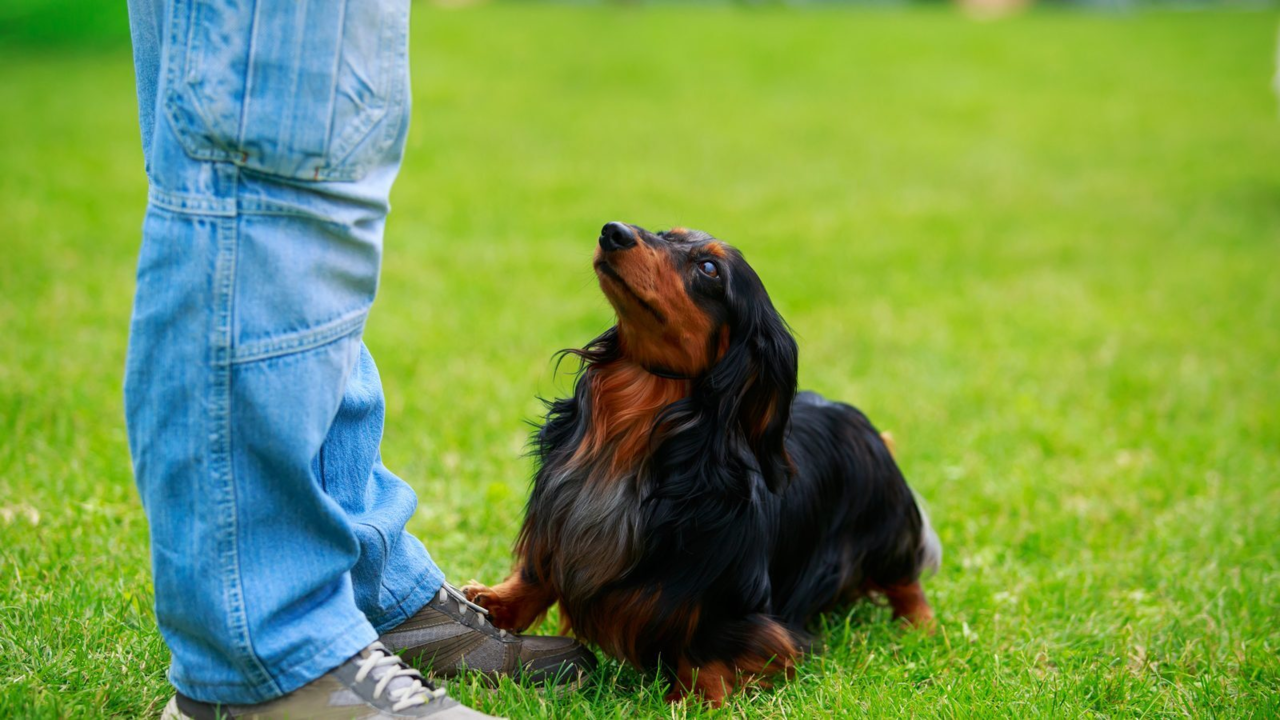
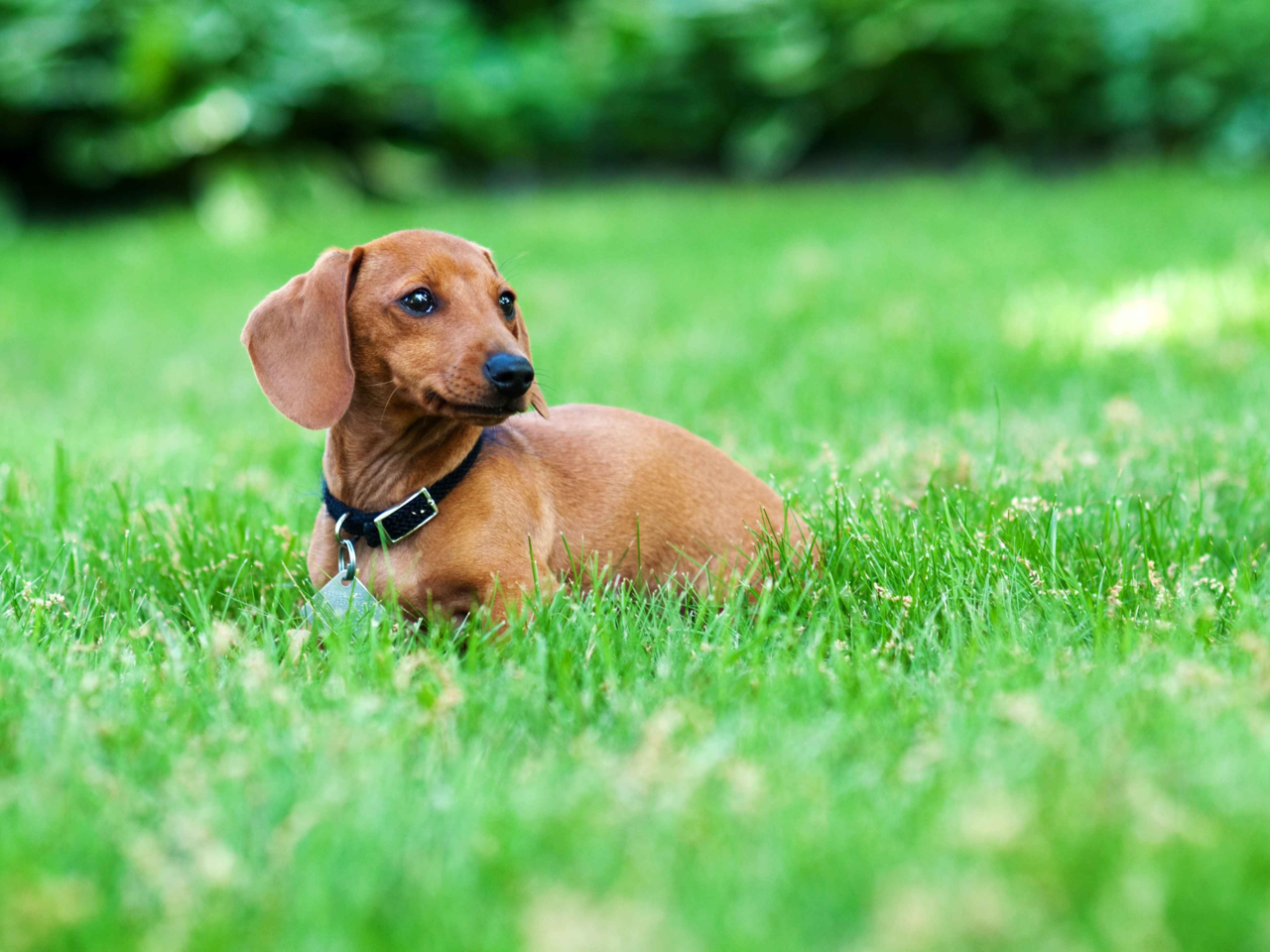
The Dachshund is one of New Zealand's most loved little dogs, full of personality and far braver than their size suggests. Bred to hunt badgers underground, the sausage dog is a true scent hound: independent, determined and happy to follow their own nose. That clever, self-reliant streak is exactly what makes them such fun, and exactly why they have a reputation for being a little stubborn to train.
The good news is that Dachshunds learn beautifully when you make training short, rewarding and worth their while. This guide walks through how to train a Dachshund from the ground up: the gear that suits their long frame, a six-week foundation plan, how to protect that famous back through good habits, the nose work that keeps a hound happy, and the common mistakes that catch new owners out. It is built around gentle, reward-based training, not a replacement for a hands-on trainer if you hit a wall.
Quick answer
Start training your Dachshund the day they come home with short, upbeat reward-based sessions of five to ten minutes. Prioritise name recognition, toilet training, recall on a long line and calm settling, and use their strong nose with snuffle mats and scent games. Dachshunds are clever, food-motivated and independent, so patient consistency, high-value treats and habits that protect their long back matter far more than firm corrections.
Understanding the Dachshund temperament
A Dachshund was bred to work alone, underground, making its own decisions away from its handler. That history still shapes how they learn. They are bright and quick, but they were never built to wait for instructions, so training works best when you give them a clear reason to choose you over their own ideas.
Clever and independent
Dachshunds learn fast, but they also think for themselves. Keep sessions short, varied and rewarding so working with you is always the most interesting option on offer.
Ruled by their nose
As a scent hound, a Dachshund will follow an interesting smell over your recall every time in the early days. Build recall on a long line and make coming back more rewarding than the trail.
Bold and brave
This is a big dog in a small body. That confidence is wonderful, but it means teaching calm, polite manners around bigger dogs and visitors so bravery never tips into trouble.
Strongly bonded
Dachshunds love being close to their people and can struggle when left alone. Teaching settled alone-time from week one keeps that devotion from turning into distress.
Alert and vocal
A Dachshund likes to announce visitors, birds and the postie. Reward quiet, calm behaviour early and avoid giving attention to barking, or it can become a hard habit to undo.
Long back, short legs
That distinctive shape means repeated jumping on and off high furniture puts strain on their spine. Good training habits and a ramp keep your Dachshund moving safely for years.
Setting up: the gear that makes training easier
You do not need much to train a Dachshund, but a few well-chosen basics make every session smoother. A well-fitted harness spreads pressure across the chest instead of a long, delicate neck and back, a light training line lets you build a reliable recall safely, and a clear marker tells your dog the exact moment they got it right.
Harnesses and a training line
For a long-bodied dog, a supportive harness is a better everyday choice than a collar-only setup, taking pressure off the neck and giving you gentle control. A light training line then gives your Dachshund freedom to sniff and explore while you keep recall under control in open spaces.
Markers and high-value treats
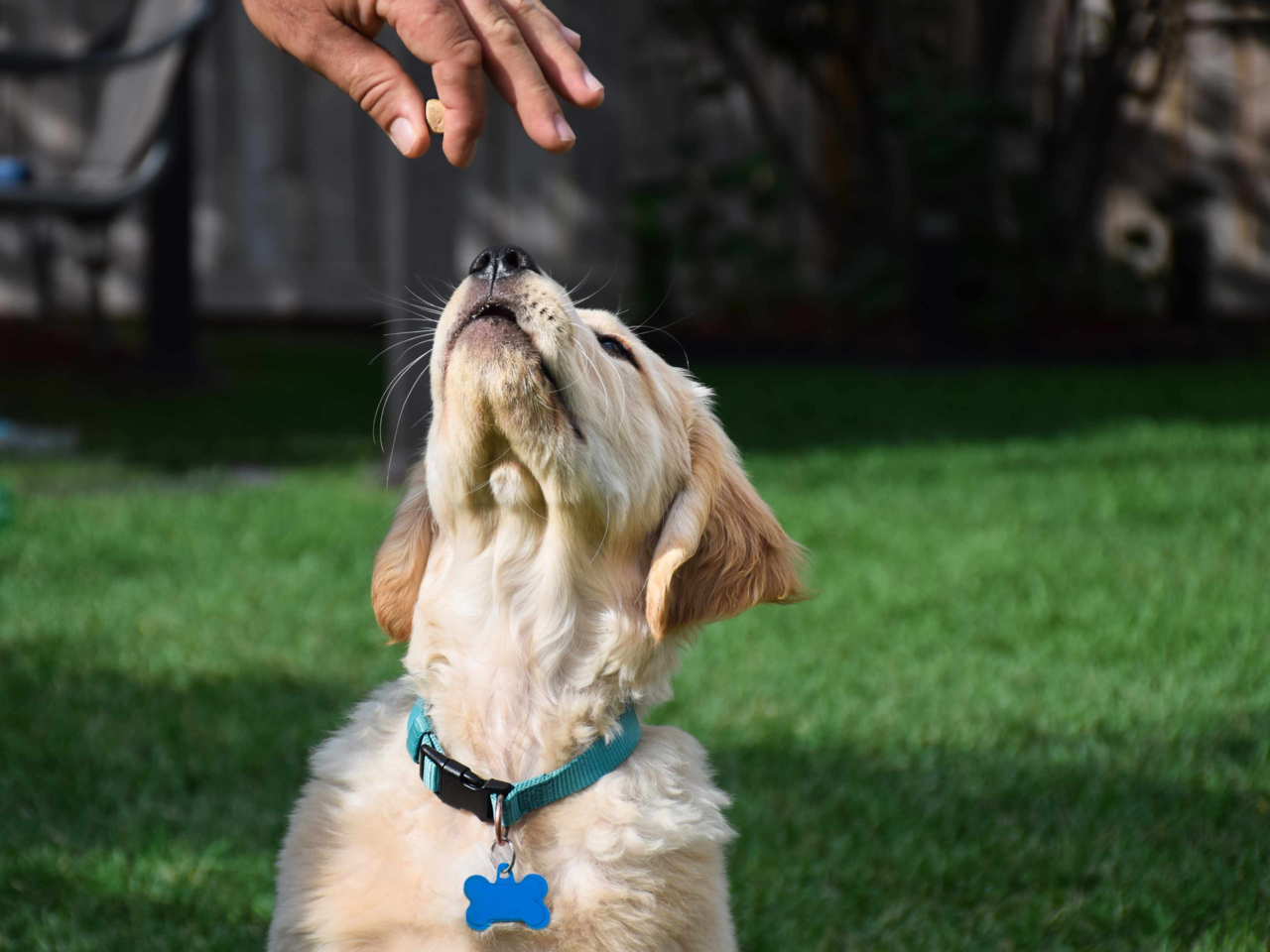
A clicker or marker word captures the precise instant of a correct behaviour, which speeds up learning for a quick hound brain. Pair it with small, soft, high-value treats you can deliver fast and often so the rate of reward stays high and your Dachshund stays keen.
A six-week foundation plan
This is a flexible framework, not a deadline. Move at your dog's pace, keep sessions to five or ten minutes a few times a day, and always end on a win. Reward generously early on, then gradually ask for a little more before the treat comes. A determined Dachshund will test whether the rules really apply, so stay calm, patient and consistent.
Week 1: Name, focus and toilet training
Teach your Dachshund that their name means good things are coming, and that the marker always predicts a treat. At the same time, start a consistent toilet routine: out after every sleep, meal and play, with a calm reward the instant they go in the right spot. Dachshunds are famously slow to house train, so patience and frequency are everything. Our guide on whether Dachshunds are hard to toilet train has a full routine to follow.
Week 2: Sit, down and gentle handling
Lure sit and down, then mark and reward. Keep the down brief and on a soft surface so there is no strain on a long back. Pair this with gentle handling of paws, ears and mouth so grooming and check-ups feel normal later, which makes caring for your Dachshund far easier as they grow.
Week 3: Recall
Coming back when called is the cue that keeps a nose-driven dog safe. Start indoors, then move to a training line in the garden or park. Make returning to you the best thing that happens, with a jackpot of treats or a quick game every single time, so your recall can compete with an interesting scent.
Week 4: Loose-lead walking
Reward your Dachshund for walking beside you on a slack lead. Stop or change direction when they pull so pulling never gets them where they want to go. Let them have plenty of sniffing breaks too, as nose time is a reward in itself for a hound.
Week 5: Settle and alone-time
Teach a settle on a mat, and practise short, calm departures so being alone feels normal. This is the most important step for a closely bonded breed, so build it slowly, keep comings and goings low-key, and leave something good to chew so alone-time predicts a treat.
Week 6: Socialising and proofing
Practise known cues in new places with gentle distractions, and keep introducing people, friendly dogs, surfaces and everyday sounds in a positive way. Confident early experiences help a bold Dachshund grow into a relaxed, sociable adult who takes the world in their stride.
Protecting that long back through good habits
A Dachshund's long spine and short legs are part of their charm, but they also mean some everyday movements are worth managing. Repeated leaping on and off the couch or bed, or charging up and down stairs, adds up over time. Training a few simple habits early keeps your dog comfortable and active well into their senior years.
Teach a calm "wait" before furniture and doorways, encourage four paws on the floor rather than jumping up, and pop a ramp against the sofa or bed so your Dachshund can walk up and down instead of jumping. Reward them every time they use it, and keep them lean, since extra weight only adds to the load their back carries.
Give that nose a job
A Dachshund was bred to follow a scent, and that instinct does not switch off at home. Channelling it into games is one of the best ways to keep a hound settled and happy. Snuffle mats, puzzle feeders and food-dispensing toys turn mealtimes into a hunt and take the edge off that busy, curious mind. Ten or fifteen minutes of nose work can tire a Dachshund as much as a walk, which is a lifesaver on wet days when outdoor time is cut short.
Barking, digging and calm independence
Two instincts come built in with a Dachshund: a voice that likes to be heard and a strong urge to dig. Neither is a problem you can train away completely, but both settle a lot with the right outlet. Reward quiet, give a digging dog a sandpit or a snuffle mat to satisfy the urge, and build alone-time gently so your closely bonded dog learns that being by themselves is safe and boring rather than frightening. A calming pheromone aid can take the edge off while new habits are forming.
Common mistakes to avoid
Letting them jump on and off furniture
Big jumps strain a long back over time. Teach four paws on the floor and use a ramp for the couch and bed so your Dachshund stays comfortable as they age.
Relying on a collar alone
A collar puts pressure on a slender neck and back, especially with a dog that likes to pull towards a scent. A well-fitted harness is a kinder, safer everyday choice.
Giving up on recall
It is easy to decide a nose-led dog will never come back. They can, with a long line and rewards that beat the trail. Keep practising and never punish a slow return.
Inconsistent toilet routines
Dachshunds take longer to house train than many breeds. A steady routine and a reward for every success outdoors gets you there far faster than frustration does.
Rewarding barking by accident
Giving attention the moment a Dachshund barks teaches them barking works. Reward quiet instead, and only give attention once they have settled.
Overdoing the treats
A food-motivated little dog gains weight fast, and extra weight is hard on the back. Use tiny, soft training treats, or count some of their daily food as rewards.
Frequently asked questions
When should I start training my Dachshund?
From the day they come home. Puppies can learn their name, simple cues and good habits from eight weeks, and Dachshunds are clever enough to pick things up quickly. Gentle early socialising and toilet training matter just as much as cues at this age.
Are Dachshunds hard to train?
They are clever but independent, so they have a reputation for being stubborn. In reality they train well when you keep sessions short, rewarding and consistent. The two parts most owners need patience with are toilet training and recall.
Why won't my Dachshund come back when I call?
As a scent hound, your Dachshund is hardwired to follow interesting smells, so an off-lead recall is genuinely hard for them early on. Build it on a long line, reward heavily every time they return, and keep them on lead near roads and livestock until recall is rock solid.
How do I toilet train a Dachshund?
Stick to a frequent, predictable routine: outside after every sleep, meal and play, and a calm reward the instant they go in the right place. Dachshunds take longer than many breeds, so expect it to take time and avoid telling them off for accidents. Our Dachshund toilet training guide walks through the full routine.
Should I let my Dachshund jump on the couch?
It is better to teach them to use a ramp or steps instead. Their long back and short legs mean repeated jumping on and off high furniture adds strain over time, so encouraging four paws on the floor and a ramp for the sofa and bed is a kind habit to build early.
How do I stop my Dachshund barking and digging?
Both are natural Dachshund instincts, so aim to redirect rather than eliminate them. Reward calm and quiet, give a digging dog a sandpit or snuffle mat as a legal outlet, and make sure plenty of nose work and exercise keep boredom barking from starting.
How much exercise does a Dachshund need?
An adult Dachshund is happy with around half an hour to an hour of activity a day, split between a walk, some training and play. Keep it gentler and shorter while a puppy is still growing, avoid big jumps and stairs, and balance physical exercise with plenty of nose work.
Set your Dachshund up to succeed
Stock up on training tools, treats and enrichment toys to keep that clever nose busy, and save on the essentials you reorder with Autodeliver and Pet Perks.
SHOP TRAINING GEARRelated reading
Are Dachshunds Hard to Toilet Train? Tips for Successful House Training
How Often Should You Feed a Dachshund? Puppy, Adult and Senior Schedule Guide
How to Groom a Long-Haired Dachshund
Best Dog Food for Dachshunds in New Zealand

Common Puppy Training Mistakes
Top 5 Puppy Training Tools Every Dog Owner in NZ Needs