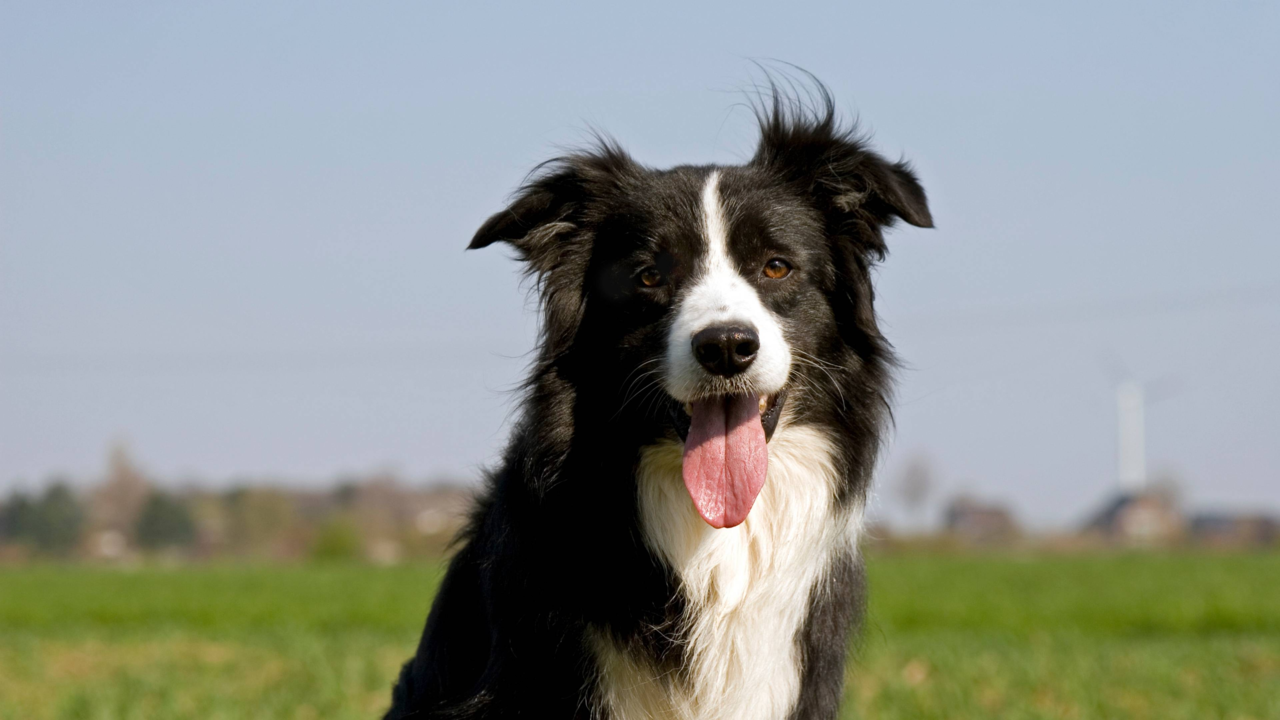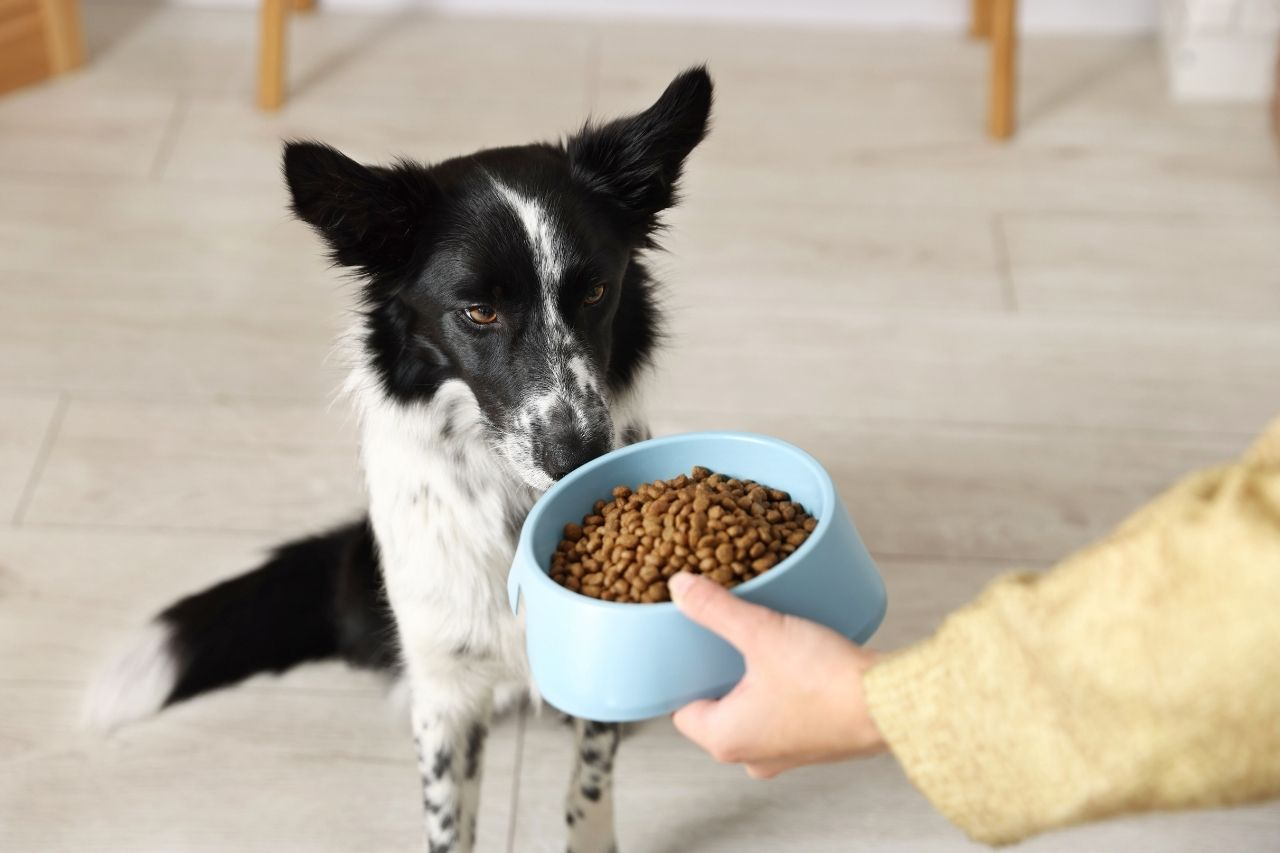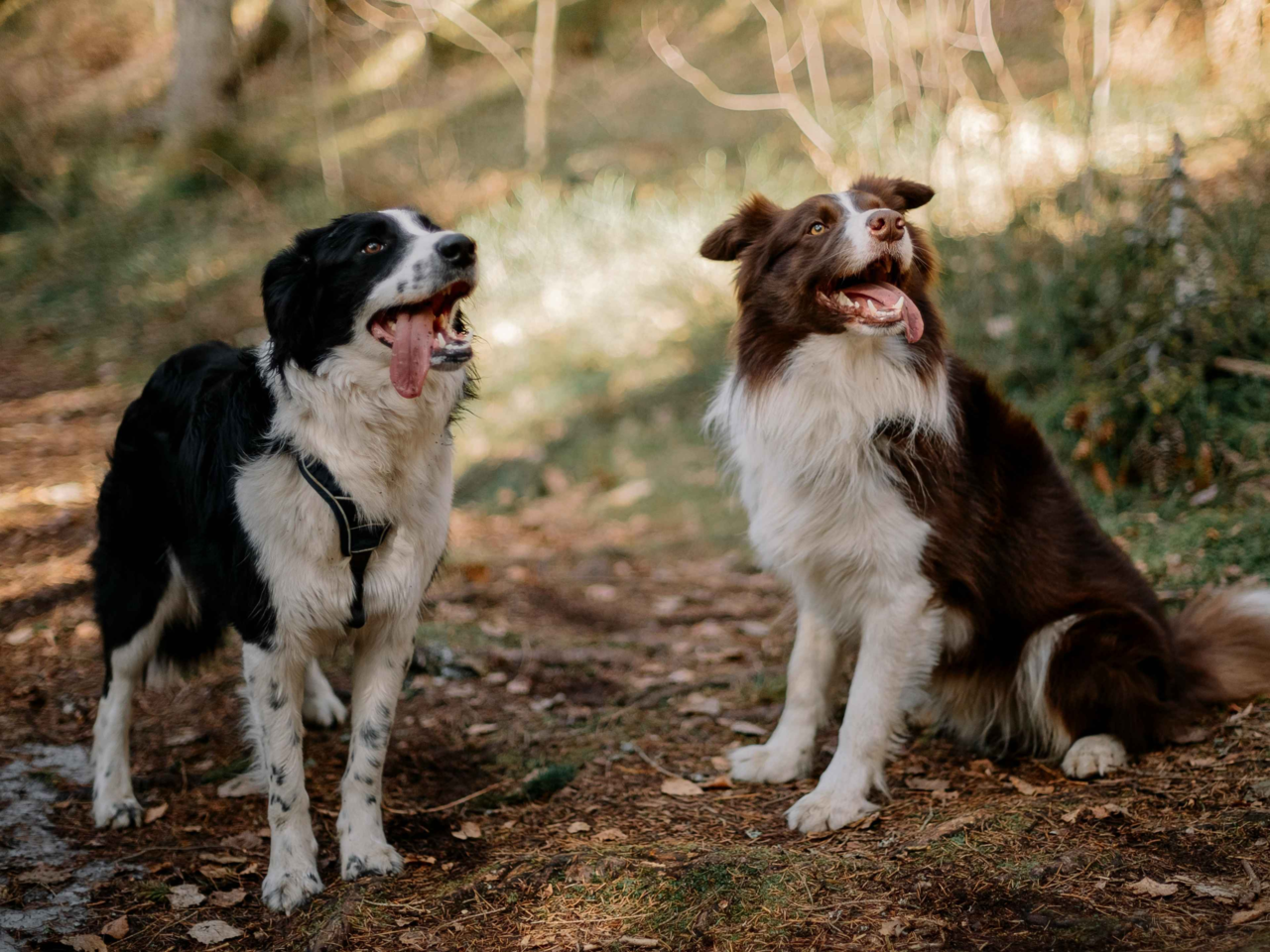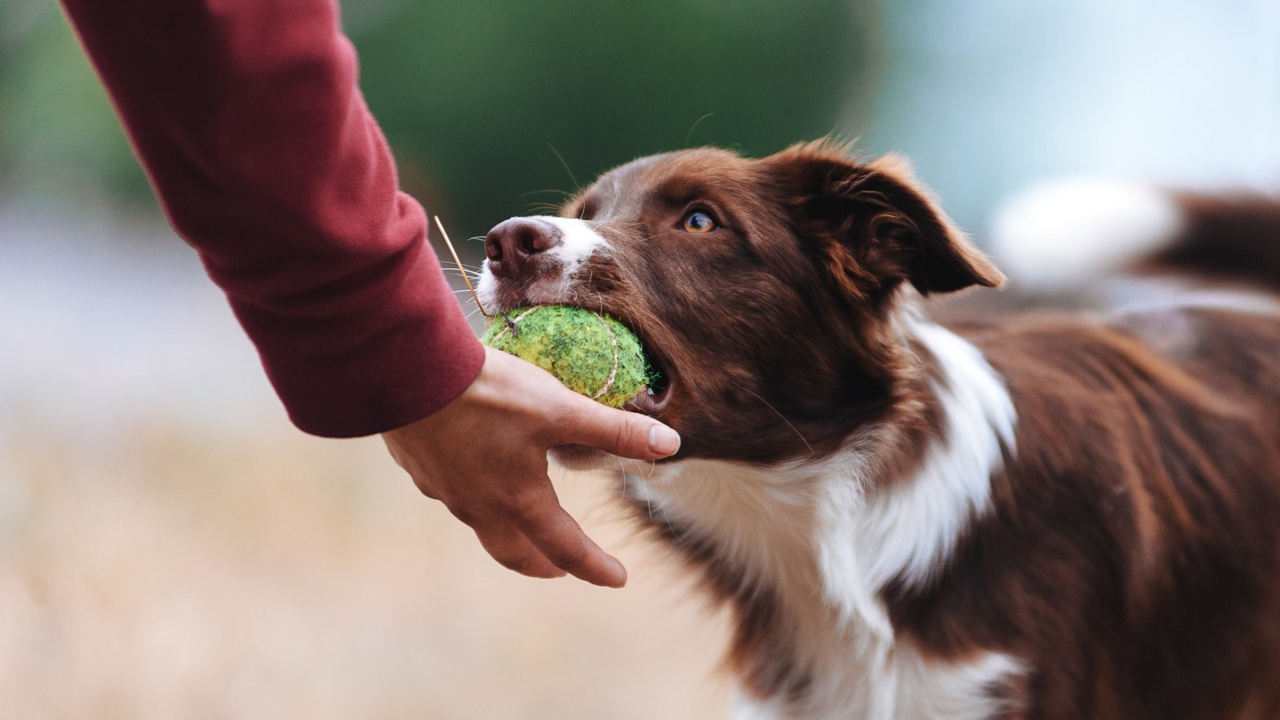
The Border Collie is widely regarded as the most intelligent dog breed in the world, and that brain is the whole story when it comes to training. These are working dogs bred to read a flock, take direction from a distance and stay switched on for hours. Give that mind a clear job and you get a dog that learns faster than almost any other breed. Leave it idle and the same intelligence turns into pacing, barking, chasing shadows and inventing its own work, usually at your expense.
This guide walks through how to train a Border Collie from the ground up: the gear that makes it easier, a six-week foundation plan, how to channel that famous herding drive, the mental enrichment these dogs genuinely need, and the mistakes that catch out most new owners. It is built around positive reinforcement and a Collie's love of learning, not a replacement for a hands-on trainer if you hit a wall.
Quick answer
Start training a Border Collie the day they come home, using short, upbeat reward-based sessions of five to ten minutes. Prioritise name recognition, recall, loose-lead walking and impulse control, and pair every session with daily mental enrichment like puzzle feeders, scent games and structured fetch. Border Collies learn in just a few reps and bore quickly, so consistency, variety and a clear job matter far more than long drills.
Understanding the Border Collie brain
Border Collies are a herding breed first and a pet second, and that shapes almost everything about how they learn. They watch you intently, work for the joy of working, and need an outlet for their instinct to gather and control movement. That focus is a gift in training, but it comes with traits you need to plan for.
Exceptionally clever
Collies pick up new cues in a handful of reps and love to learn. Keep sessions short and varied so you finish while they still want more, and teach new tricks often to keep that mind satisfied.
The herding eye
The crouch, stare and chase are hardwired. A Collie may try to round up children, cyclists, joggers or cars, so you need a safe, deliberate outlet for that drive from day one.
Huge stamina
A young Collie needs real physical and mental work every day. Under-exercised dogs become restless and noisy, and they will find their own job if you do not give them one.
Motion and noise sensitive
Quick movement and sharp sounds switch a Collie on instantly. Early, calm exposure to everyday life teaches them what to ignore so they do not fixate or startle easily.
Deeply bonded
Collies want to work with their people and read your body language closely. That makes them easy to motivate, but it means teaching calm alone-time early so they can switch off without you.
Prone to fixation
Lights, shadows, reflections and repetitive ball play can become obsessive for this breed. Build variety into play and step in early if a habit starts to look compulsive.
Setting up: the gear that makes training easier
You do not need much, but the right basics turn training from a battle into a routine. A well-fitted harness gives you control without pressure on the neck, a long line lets you build a reliable recall safely, and a clear marker tells your dog the exact moment they got it right, which suits a brain as quick as a Collie's.
Harnesses and a long line
A front-clip or convertible harness reduces pulling without straining a growing dog's throat. A long training line gives your Collie freedom to move while you keep recall under control in open spaces, which is exactly where their chase instinct is strongest.
Markers and high-value treats
A clicker or marker word captures the precise instant of a correct behaviour, which speeds learning for a dog that thinks this fast. Pair it with small, soft, high-value treats you can deliver quickly and repeatedly so the rate of reward stays high.
A six-week foundation plan
This is a flexible framework, not a deadline. Move at your dog's pace, keep sessions to five or ten minutes a few times a day, and always end on a win. Reward generously early on, then gradually ask for a little more before the treat comes. A Collie will often master a step in days, so feel free to add tricks and new challenges as you go.
Week 1: Name, focus and marker
Teach your Collie that their name means good things are coming and that the marker (click or word) always predicts a treat. Reward eye contact freely. For a breed that already loves to watch you, this attention becomes a powerful base for everything else.
Week 2: Sit, down and impulse control
Lure sit and down, then mark and reward. Start short "wait" moments before a meal, a door or a thrown toy. Collies thrive on structure, so a dog that can pause and wait for permission settles far more easily everywhere else.
Week 3: Recall
This is the most important cue for a fast, chase-driven breed. Start indoors, then move to a long line in the garden or park. Make coming back the best thing that ever happens, with a jackpot of treats or a quick game of fetch every single time.
Week 4: Loose-lead walking
Reward your dog for walking beside you with a slack lead. Stop or change direction when they pull so pulling never gets them where they want to go. A Collie picks this up quickly once they realise calm walking is what earns progress.
Week 5: Settle and alone-time
Teach a "place" or settle on a mat, and practise short, calm departures so being alone feels normal. A Collie that can genuinely switch off is far easier to live with than one that is always scanning for the next job.
Week 6: Proofing and an "off switch" for the chase
Practise known cues in new places with gentle distractions, and start interrupting the chase with a recall or a "leave it" around moving bikes, balls and other dogs. Teaching your Collie to disengage on cue is what keeps that drive safe in the real world.
Channel the herding drive into a game
You cannot switch off a Collie's instinct to chase and control movement, but you can give it a clear, rewarding outlet. Structured fetch, frisbee and tug let your dog satisfy that drive on your terms, with rules attached. Always build in start and stop cues so play has an off switch, keep sessions varied to avoid obsessive ball fixation, and warm up before fast turns to protect young joints.
Mental enrichment is not optional
For a Border Collie, a tired body is only half the job. These dogs need to think, sniff, problem-solve and work for some of their food. Puzzle feeders, snuffle mats and food-dispensing toys turn mealtimes into a task and take the edge off that restless working drive. Fifteen minutes of brain work can settle a Collie as much as a long walk, and it is a lifesaver on wet days when outdoor exercise is cut short.
Common mistakes to avoid
Only exercising the body
Endless ball throwing builds a fitter, more frustrated dog. Mix physical activity with brain work, training and scent games so the mind gets tired too.
Letting the chase run loose
Allowing a Collie to chase bikes, cars or livestock unchecked hardwires a dangerous habit. Redirect onto a toy and teach a solid recall and "leave it" early.
Feeding obsessive habits
Laser pointers and non-stop ball play can tip into fixation for this breed. Keep play varied, give it a clear end, and step in if a behaviour starts to look compulsive.
Too much exercise, too young
Forced running and repetitive jumping can stress growing joints. Favour short, varied activity and brain games over long, high-impact sessions until they mature.
Long, repetitive drills
Collies switch off when bored and may start offering frantic behaviours instead. Keep sessions short and upbeat, and stop while they are still keen to keep going.
Skipping early socialisation
A motion-sensitive breed that never learns what is normal can become reactive. Introduce people, dogs, traffic, surfaces and sounds positively while they are young.
Frequently asked questions
When should I start training my Border Collie?
From the day they come home. Puppies can learn their name, simple cues and good habits from eight weeks, and Collies often pick things up remarkably fast. Early gentle socialisation is just as important as cues at this age.
Are Border Collies easy to train?
They are one of the most trainable breeds thanks to their intelligence and focus. The challenge is not teaching them, it is keeping them mentally satisfied and consistent, because they learn unwanted habits just as quickly as good ones.
How much exercise does a Border Collie need?
An active adult typically needs a couple of hours of activity a day, split between walks, training, fetch and brain work. Keep activity gentler and shorter while a puppy's joints are still developing, and never rely on physical exercise alone.
How do I stop my Border Collie herding people or chasing bikes?
Give the drive a legal outlet with structured fetch and tug, teach a reliable recall and "leave it", and reward your dog for disengaging from movement. Manage the environment with a long line while the cue is still being built so the habit cannot keep rehearsing.
Why is my Border Collie chasing shadows or lights?
Shadow and light chasing can become an obsessive outlet for an under-stimulated Collie. Increase varied enrichment and structured exercise, avoid laser pointers entirely, and redirect onto an appropriate toy. If it continues or intensifies despite more enrichment, it is worth getting help from a qualified trainer or behaviourist.
How long should training sessions be?
Five to ten minutes, a few times a day, works better than one long session. Short bursts keep a Collie keen, and teaching new tricks regularly gives that clever brain the novelty it craves.
Are Border Collies good for first-time owners?
They can be, but only for owners ready to commit real time every day to exercise, training and enrichment. A Collie that gets a proper job is a joy. One that is left under-stimulated can develop noise, chasing and anxiety habits that are hard to undo.
Set your Collie up to succeed
Stock up on training tools, treats and enrichment toys to keep that clever brain busy, and save on the essentials you reorder with Autodeliver and Pet Perks.
SHOP TRAINING GEAR