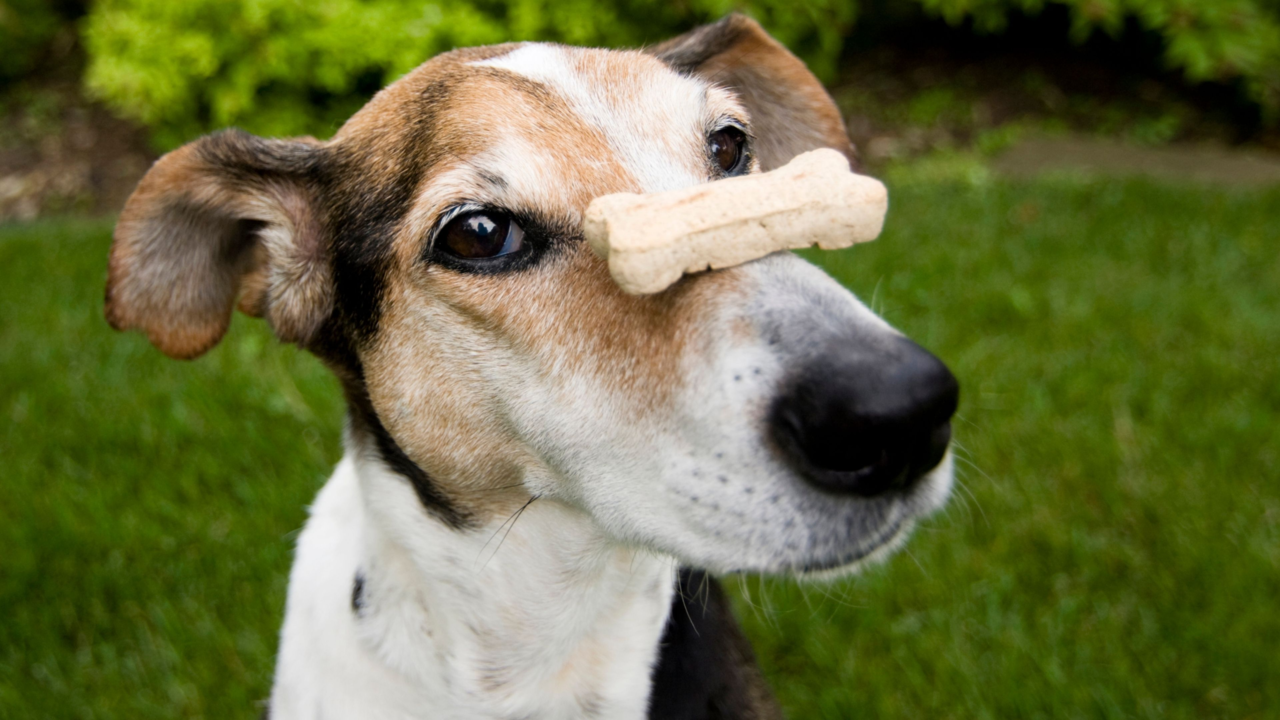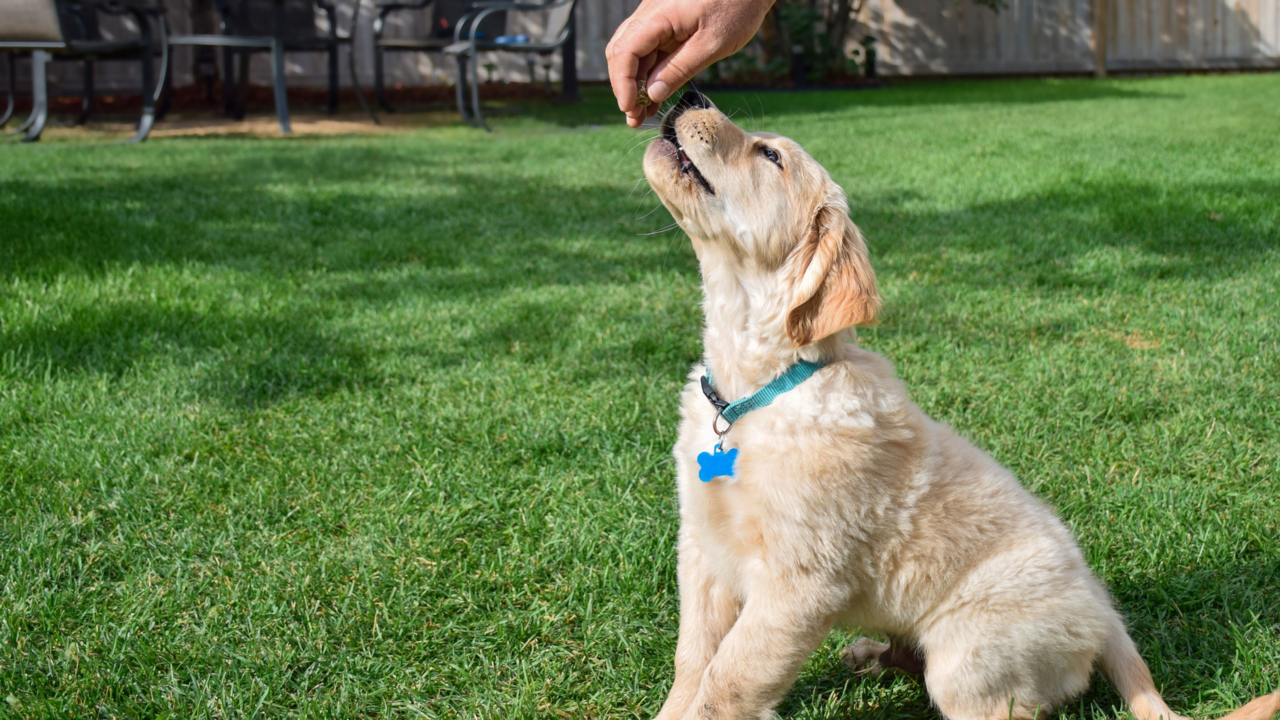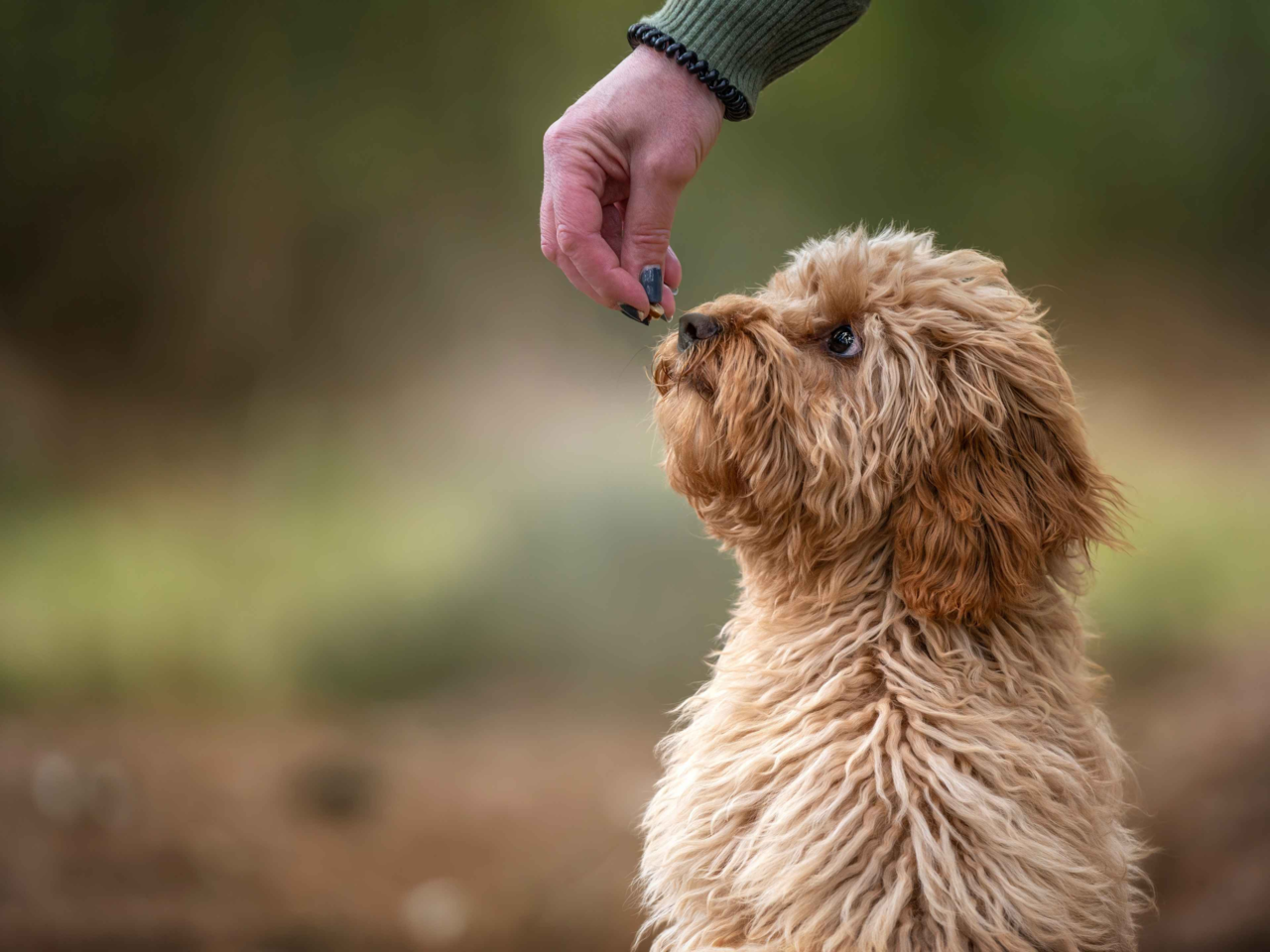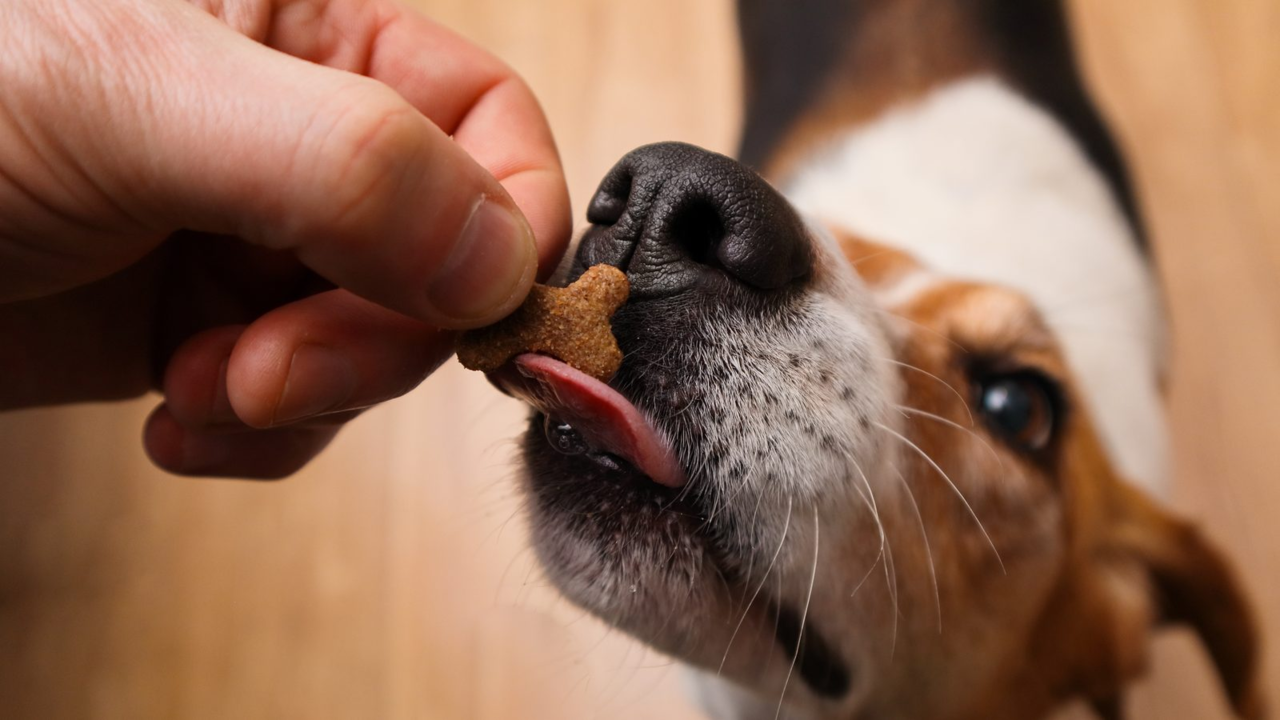
A good biscuit is more than a snack. It's the satisfying crunch at the end of a walk, the quiet reward for sitting nicely, the brisk crackle that helps scrape teeth between brushes. Biscuits are the original dog treat, and in 2026 the NZ shelves are stacked with options that go well beyond the old beef bone shape.
This guide looks at the biscuits worth keeping in the jar this year, split by job: training, treating and dental. We've stuck to options that are widely stocked, dog-safe and easy to portion. If your dog has a sensitive stomach, a known allergy or a weight goal, your clinic is the best place to sense-check anything new.
Quick answer
The right dog biscuit depends on the job. For training, pick small, low-calorie, high-value bites you can dispense fast. For everyday treating, look for short ingredient lists and biscuits sized to your dog. For dental work, choose biscuits with a VOHC-style chewy or abrasive texture, used daily alongside brushing. Treats should make up no more than 10% of your dog's daily calories.
How biscuits earn their place in the jar
Not every biscuit needs to do every job. The trick is matching the biscuit to what you're actually using it for, so the calories work hard.
Training
Tiny, fast-to-eat and high-value. The reward has to land in under two seconds or you lose the moment. Aim for 2-5 calories per bite so you can repeat them often.
Treating
The everyday biscuit that goes with a walk, a quiet sit, or a bedtime routine. Slightly larger, satisfying to chew, made with ingredients you can pronounce.
Dental
Bigger, longer-lasting, designed to scrape plaque while your dog chews. Used daily, they work alongside brushing rather than replacing it.
Biscuits that suit training
Training biscuits live in your pocket, your treat pouch and your sleeve. They need to be small enough to disappear in one swallow, smelly enough to grab attention, and low enough in calories that 30 reps doesn't tip your dog over the daily allowance.
Biscuits that suit everyday treating
These are the biscuits your dog learns to recognise the sound of. A satisfying crunch, a flavour they look forward to, and a size that feels like a real treat without blowing the daily count. Crunchy oven-baked biscuits are easy to break in half for smaller dogs.
Biscuits that suit dental work
Dental biscuits and chews are shaped and textured to scrape plaque off teeth while your dog crunches. They're a useful sidekick to brushing, not a replacement. One dental biscuit a day, sized to your dog, is the rough rule of thumb. For full plaque control, pair them with brushing two or three times a week.
Reading a biscuit ingredient panel
Front-of-pack claims sell the biscuit. The ingredient panel tells you what's actually in it. A quick scan is all it takes.
What to look for
A named meat or meat meal in the first two ingredients (chicken, beef, lamb, salmon). Short total ingredient list. Recognisable whole foods like oats, sweet potato or pumpkin. Calorie count per biscuit, ideally on the pack.
What to be cautious about
Unspecified "meat by-products". Added sugar, salt or artificial colours. Long lists of preservatives. Anything labelled "human-grade chocolate", which is never safe for dogs.
How many biscuits is too many?
The 10% rule is the simplest guideline. Treats and biscuits combined should sit under 10% of your dog's daily calorie intake. The rest comes from a complete and balanced food.
Small dog (5kg)
Roughly 25-35 calories a day in biscuits. That's around 5-8 training-sized bites, or one to two everyday biscuits.
Medium dog (15kg)
Roughly 70-90 calories a day. Comfortable territory for a training session plus an after-walk biscuit.
Large dog (30kg)
Roughly 130-160 calories a day. Two to three larger biscuits, or a dental chew plus a handful of training bites.
Heads up on weight
If your dog is on a weight management plan, reduce their meal portion to make room for biscuits, or stick with the lowest-calorie training bites. Your vet can pin down the exact daily allowance for their body condition.
Biscuit storage that keeps them fresh
Crunchy biscuits go soft fast in NZ humidity, and soft treats can dry out if the bag's left open. A few small habits keep the jar working.
- Reseal the original bag and clip it shut, or decant into an airtight jar.
- Keep biscuits in the pantry, away from direct sun and the oven.
- Freeze opened bags of soft training treats if you bought a big pack.
- Smell before you offer. Rancid or off biscuits go in the bin.
Frequently Asked Questions
Can puppies have dog biscuits?
Yes, but choose biscuits sized and formulated for puppies. Training-size soft bites are ideal because they're easy to chew with new teeth. Save harder dental biscuits until adult teeth have come through, usually around six months.
Are grain-free biscuits better?
Not automatically. Grain-free suits dogs with a confirmed grain sensitivity, but most dogs digest whole grains like oats and brown rice happily. Pick the recipe that suits your dog rather than the trend.
Do dental biscuits really work?
Daily dental biscuits paired with brushing have been shown to reduce plaque and tartar. They work because the texture scrapes the tooth surface as the dog chews. Used on their own without brushing, they help but won't catch everything.
What's the difference between a biscuit and a chew?
A biscuit is oven-baked and crunchy, eaten in a few bites. A chew is denser and longer-lasting, designed to be worked on for minutes. Both have a place, but they answer different needs.
Can I bake my own dog biscuits?
Absolutely, and plenty of NZ owners do. Stick to dog-safe ingredients (no chocolate, grapes, raisins, onion, garlic, xylitol or macadamias). Homemade biscuits don't have a calorie count printed on them, so keep portions small.
How long do dog biscuits last?
Most commercial biscuits stay good for 12-18 months sealed, and around 4-6 weeks once opened if stored well. Always check the best-before date and the smell test.
My dog gulps biscuits whole. Is that a problem?
For training-size bites, swallowing whole is fine. For larger crunchy or dental biscuits, gulping defeats the chewing benefit and can be a choking risk. Hand-feed pieces, or use a slow-feed treat ball to make them work for it.
Are dental biscuits enough on their own?
They're a strong daily habit but not a complete plan. Pair them with brushing two or three times a week and a yearly dental check from your clinic for the best long-term outcome.
Keep the jar topped up
Set your top biscuits on Autodeliver. Up to 20% off Autodeliver orders, then earn back on every box with Pet Perks.
SHOP DOG TREATS