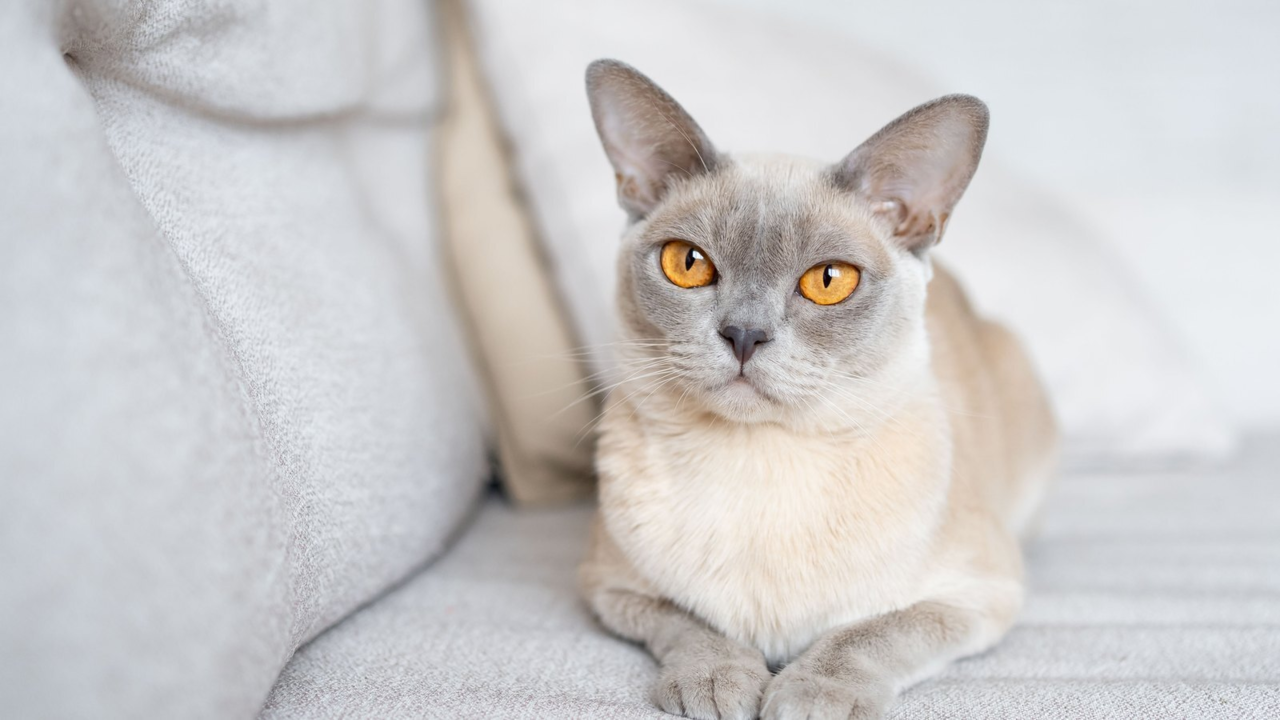
Burmese cats have a way of becoming part of whatever is happening at home. They are known for seeking out company, joining in with everyday routines and turning ordinary moments into a chance for conversation or play. Their close-fitting coat is simple to maintain, but their social and active nature means they need more than a comfy bed and a full bowl.
This guide covers the essentials of Burmese cat care, from personality and home setup to grooming, feeding and enrichment. You can also visit our Burmese breed profile for a quick overview of the breed.
Quick answer
Burmese cats are affectionate, playful and people-focused. Keep their short coat tidy with a gentle weekly brush, feed a complete and balanced diet for their life stage, and provide daily interactive play, climbing space and puzzle activities. They suit homes where companionship and involvement are part of the routine.
What is a Burmese cat's personality like?
Burmese cats are often confident and curious once they feel settled. Many prefer to be near their people rather than watching from another room, and they can stay playful well beyond kittenhood. Each cat is an individual, but there are a few common traits worth planning for.
Social and involved
A Burmese may follow you between rooms, supervise household jobs and choose a resting place close to the action. Include them without forcing contact, and give them the choice to step away.
Playful and clever
Chasing, climbing, searching and learning simple cues can all hold their attention. Repeating the same activity every day may lose its appeal, so rotate toys and change the challenge.
Communicative
Many Burmese use soft calls, eye contact and body language to ask for attention or announce what they want. Responding to calm communication helps build a predictable routine.
Company matters
A Burmese can learn to relax alone for reasonable periods, but they are not usually a hands-off companion. Build independence gradually with comfortable resting spots, food puzzles and solo toys, and make time for focused interaction when you are home.
Creating a Burmese-friendly home
A good setup gives your cat several ways to meet the same need. For example, offer more than one elevated resting place, several scratching positions and both social and quiet play options. This prevents one area from becoming overcrowded and lets your cat choose what feels right.
Add vertical routes
Use a sturdy cat tower, window perch or secure shelving so your cat can climb and observe. Arrange the route so they can come down without needing to jump across people or other pets.
Offer warm, quiet rest
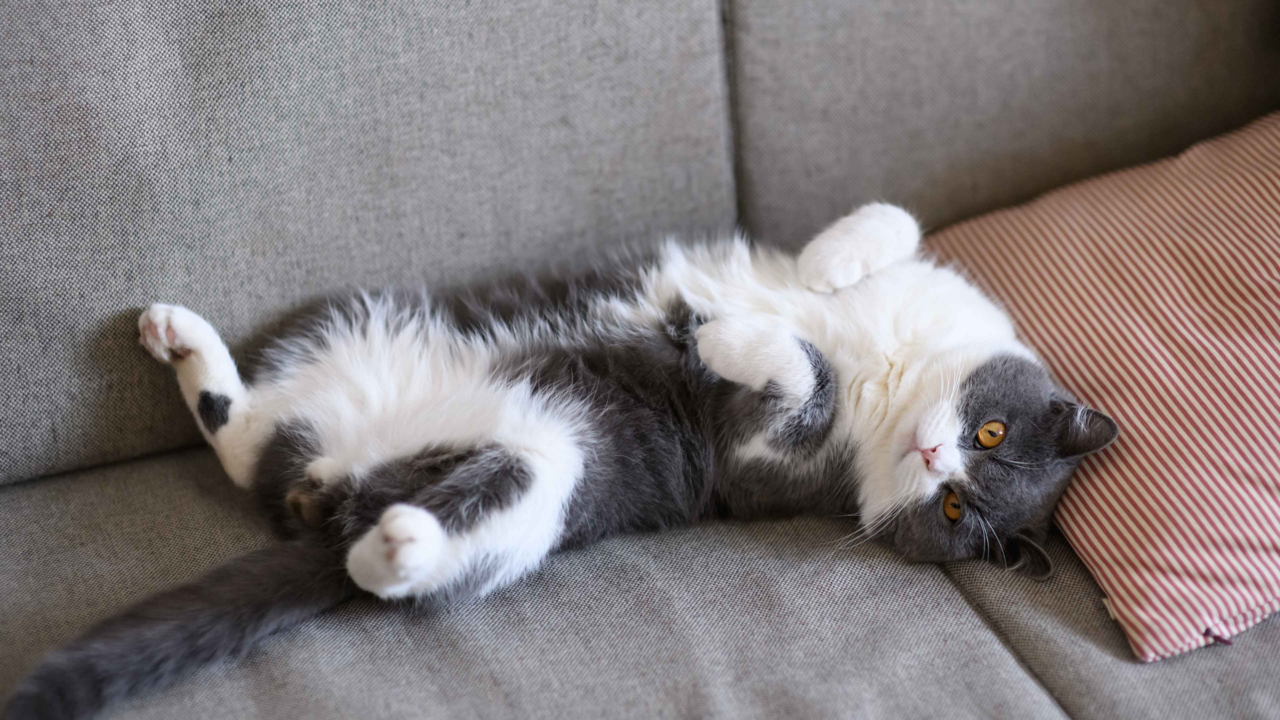
Short-coated cats often appreciate cosy beds away from draughts. Place one near family activity and another in a quieter room so your cat can switch between company and privacy.
Spread out resources
Keep food, water, litter trays, beds and scratching areas in sensible locations rather than clustering everything together. In multi-cat homes, separate resources help reduce competition.
Protect escape choices
Children and other pets should not block access to a bed, perch or doorway. A cat who can leave an interaction is more likely to stay relaxed and return on their own terms.
How to groom a Burmese cat
The Burmese coat is short, smooth and close to the body. It does not usually need complicated upkeep, but a regular grooming routine removes loose hair and gives you a calm way to check the coat, paws and claws.
Brush gently once a week
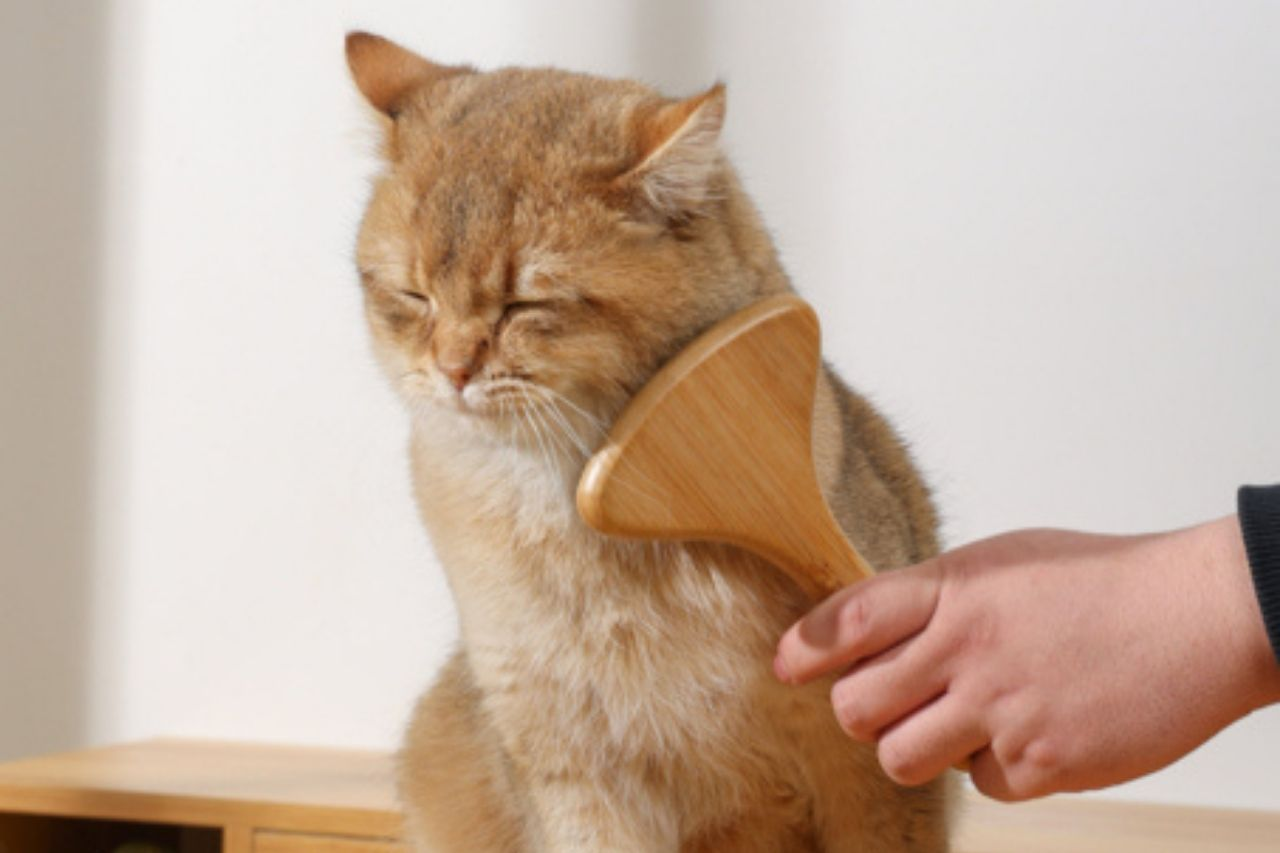
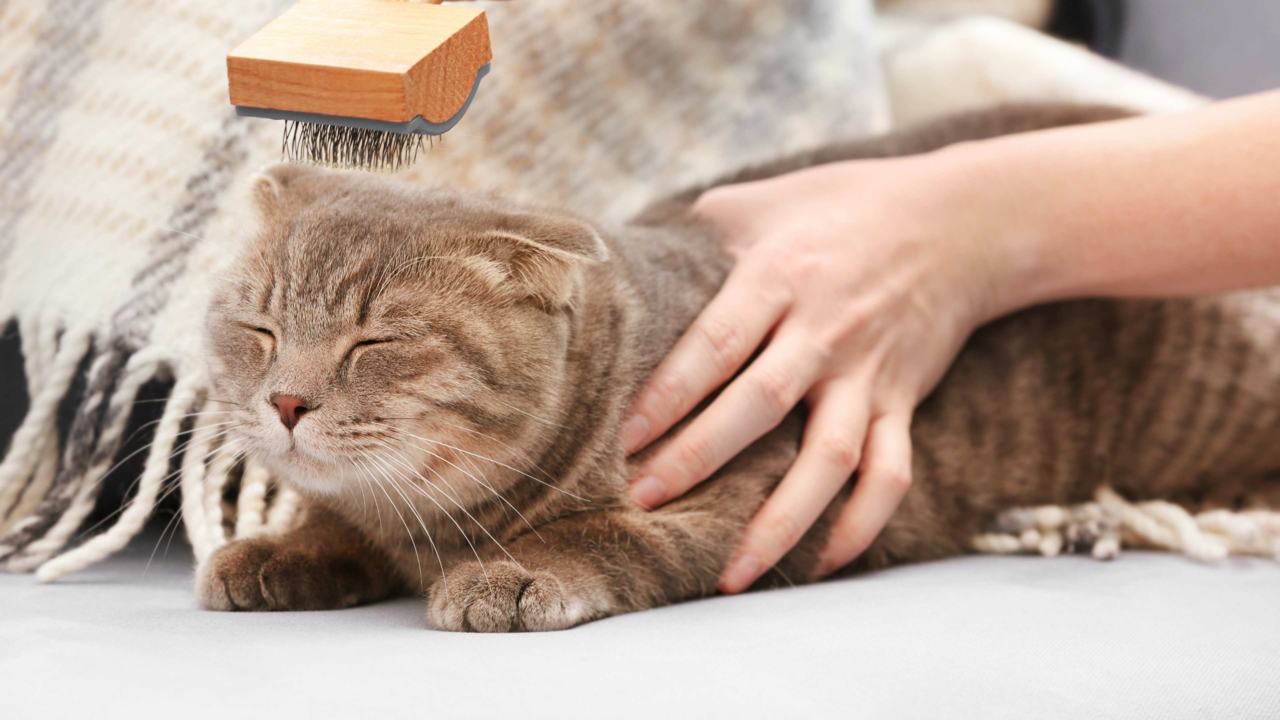
Use a soft rubber brush or a gentle slicker, following the direction of the coat. Keep the session brief at first and stop before your cat becomes restless.
Build positive handling
Touch one paw, lift one lip or look at one ear for a second, then reward calm behaviour. Short practice sessions make routine care easier than trying to do everything at once.
Keep tools comfortable
Check that pins and edges do not scratch the skin. Remove trapped hair from the brush after each use and store grooming tools somewhere dry and clean.
Let coat condition guide you
Brushing may be useful more often during seasonal shedding. Most Burmese cats do not need routine baths, so focus on gentle brushing and spot cleaning when needed.
Grooming tools for a short Burmese coat
Feeding a Burmese cat through each life stage
Start with a complete and balanced cat food made for your cat's life stage. Use the feeding guide as a starting point, then adjust portions to suit activity, body condition and any treats offered. Measured meals make it easier to notice changing eating patterns than keeping the bowl topped up without a routine.
Kitten: 0 to 12 months
Choose kitten food designed for growth and divide the daily amount into several small meals. Make any food change gradually so the new routine feels familiar.
Adult: 1 to 7 years
Use measured portions and keep treats as a small part of the overall diet. Food puzzles can turn part of the daily allowance into a rewarding activity.
Senior: 7 years and over
Keep bowls easy to reach and review the amount offered as activity changes. A consistent routine helps you recognise when appetite or preferences shift.
Make food and water easy to use
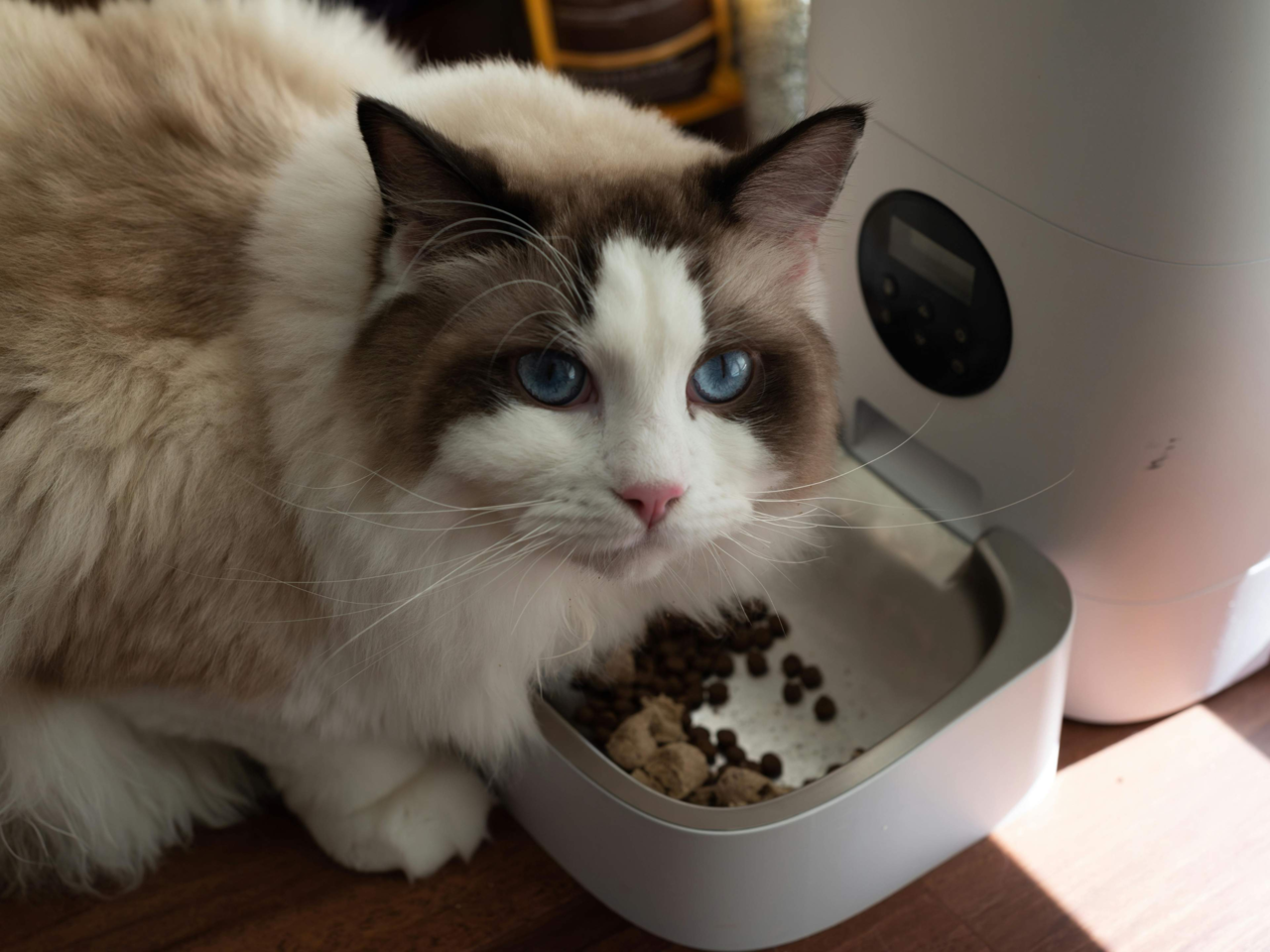
- Choose a stable bowl that does not slide across the floor.
- Try a wide, shallow dish if your cat dislikes pushing their face into a deep bowl.
- Place fresh water away from the litter tray and offer more than one drinking spot.
- Wash bowls regularly and refresh water each day.
- Introduce a fountain gradually and keep a familiar bowl available while your cat adjusts.
Bowls and fountains for everyday routines
Enrichment for an active, social cat
Burmese cats often enjoy activities that combine movement, problem-solving and interaction. Enrichment does not need to be elaborate. The aim is to offer regular chances to stalk, chase, climb, investigate, scratch and rest.
Interactive play
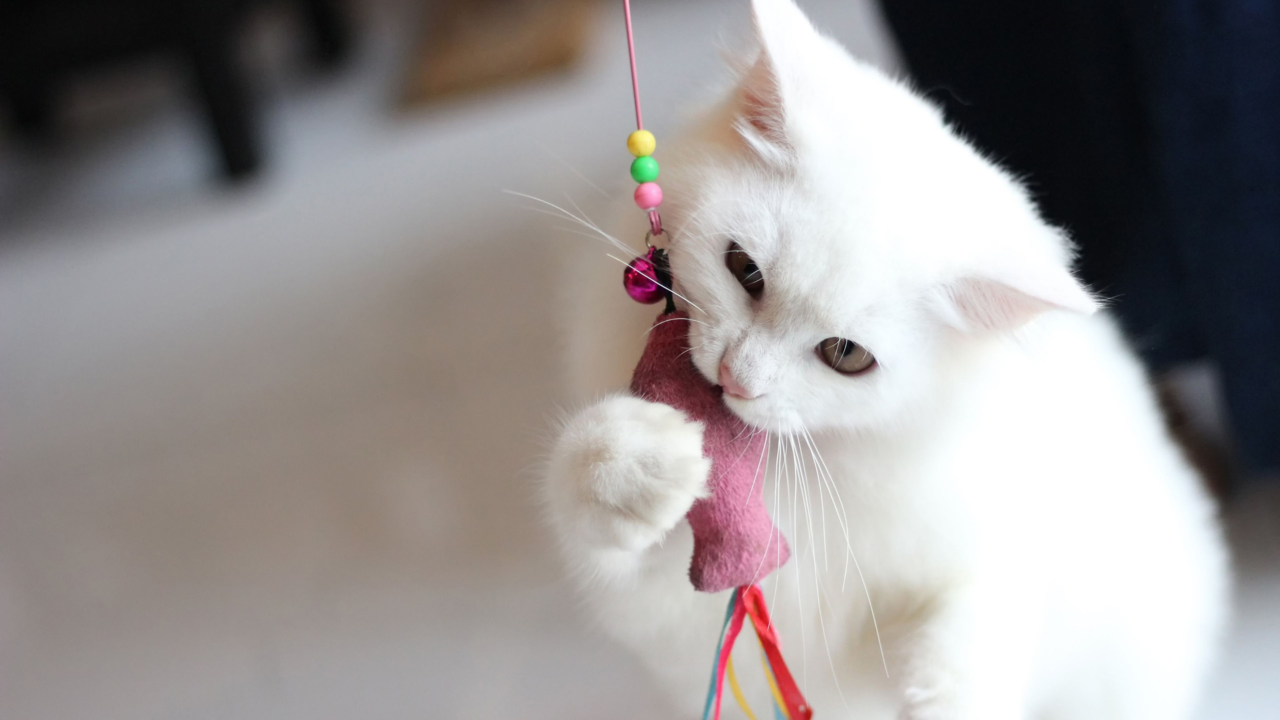
Move a wand toy like prey, with pauses, changes of direction and a final catch. Several short sessions are usually more engaging than one long session after your cat has lost interest.
Independent play
Rolling balls, tracks and sturdy toss toys give your cat something to investigate between social sessions. Put some away and rotate them back in to restore novelty.
Food-based challenges
Use part of the normal meal in a puzzle feeder, scatter a few biscuits in safe hiding places or place food at different stations. Begin with an easy win before increasing difficulty.
Simple training
Teach a nose target, mat settle or carrier entry using tiny rewards and short sessions. Training provides mental work while helping your cat take part in everyday routines.
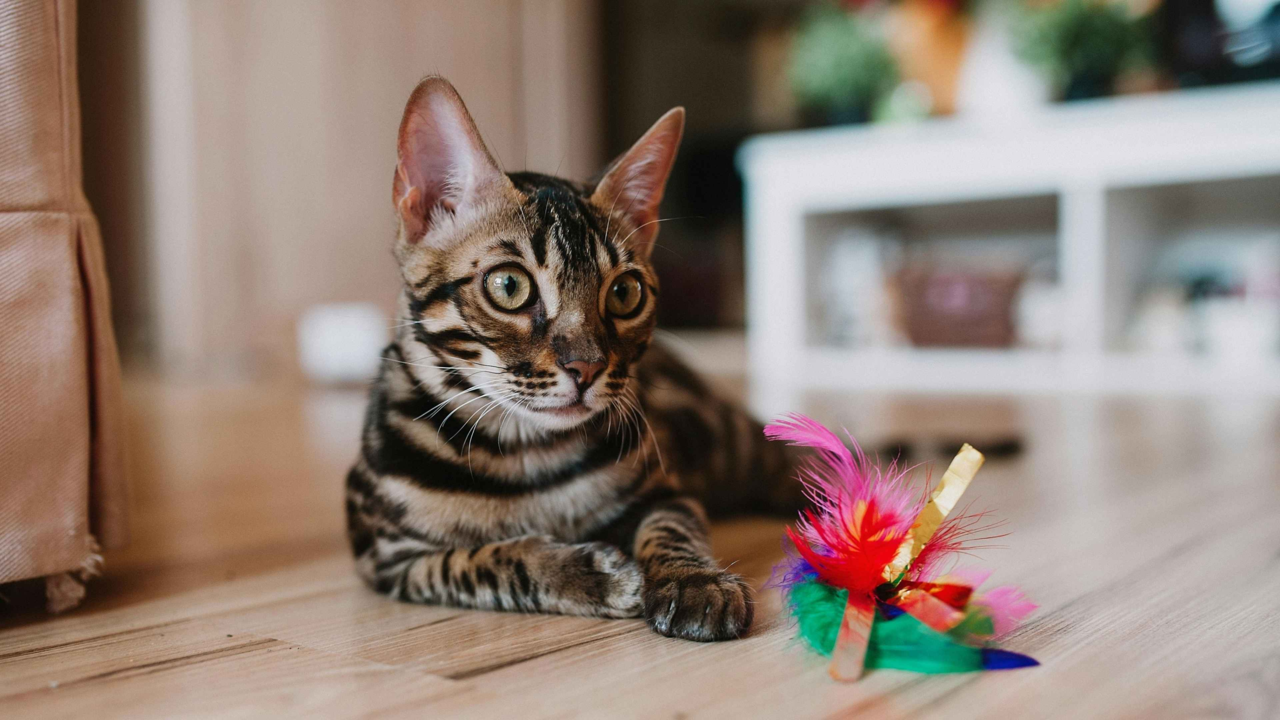
Toys for chasing, batting and thinking
Keep play safe
Supervise toys with strings, feathers or small parts, and put them away after the session. Check toys regularly for damage. Hands and feet should never be used as moving targets, especially with kittens learning how hard is too hard.
A simple daily routine for a Burmese cat
Predictable touchpoints can help a social cat settle because they learn when food, play and quiet time are likely to happen. The exact timing can change to suit your household.
Morning
Offer a measured meal, refresh water and fit in a short chase-and-catch play session before the household gets busy.
During the day
Leave access to a window view, climbing route, scratcher and one or two safe solo activities. A simple food puzzle can add interest to part of the meal.
Evening
Use interactive play to channel energy, then follow with food and a quieter activity. This sequence can help the household wind down together.
Frequently asked questions
Are Burmese cats good indoor cats?
Yes, they can thrive indoors when they have climbing opportunities, scratching areas, window views, daily play and regular company. Secure outdoor access can add variety, but it is not essential when the indoor environment is well planned.
Can a Burmese cat be left alone?
They can learn to spend time alone, but many Burmese prefer a home where companionship is available for a good part of the day. Build independence gradually and leave safe activities rather than relying on attention only when you return.
Are Burmese cats vocal?
Many are communicative and use a range of soft calls, chirps and body language. Their voice is only one part of the message, so notice posture, tail movement and whether your cat is approaching or creating distance.
How often should I brush a Burmese cat?
A gentle weekly brush is a useful starting point. You may brush more often when loose hair increases, but short sessions are usually enough for the close-fitting coat.
Do Burmese cats need baths?
Most do not need routine baths. Brushing and occasional spot cleaning are usually more comfortable. If a bath is needed, use a cat-specific product and keep the experience calm and brief.
What should I feed a Burmese cat?
Choose a complete and balanced cat food made for kitten, adult or senior needs, depending on age. Measure the daily amount and include treats within the overall routine rather than adding them without adjusting anything else.
How much play does a Burmese cat need?
Plan several short opportunities across the day and let your cat's engagement guide the length. Include interactive chasing, solo batting, climbing and food-based problem-solving rather than relying on one type of toy.
Are Burmese cats suitable for families and other pets?
Many enjoy a sociable household, provided introductions are gradual and interactions are respectful. Supervise children, protect resting areas and make sure every pet has separate access to food, water, litter and quiet space.
Build a routine your Burmese can join
From gentle grooming tools and easy-to-use bowls to toys that turn everyday play into a satisfying hunt, a few well-chosen essentials can support your cat's whole routine.
SHOP CAT SUPPLIES