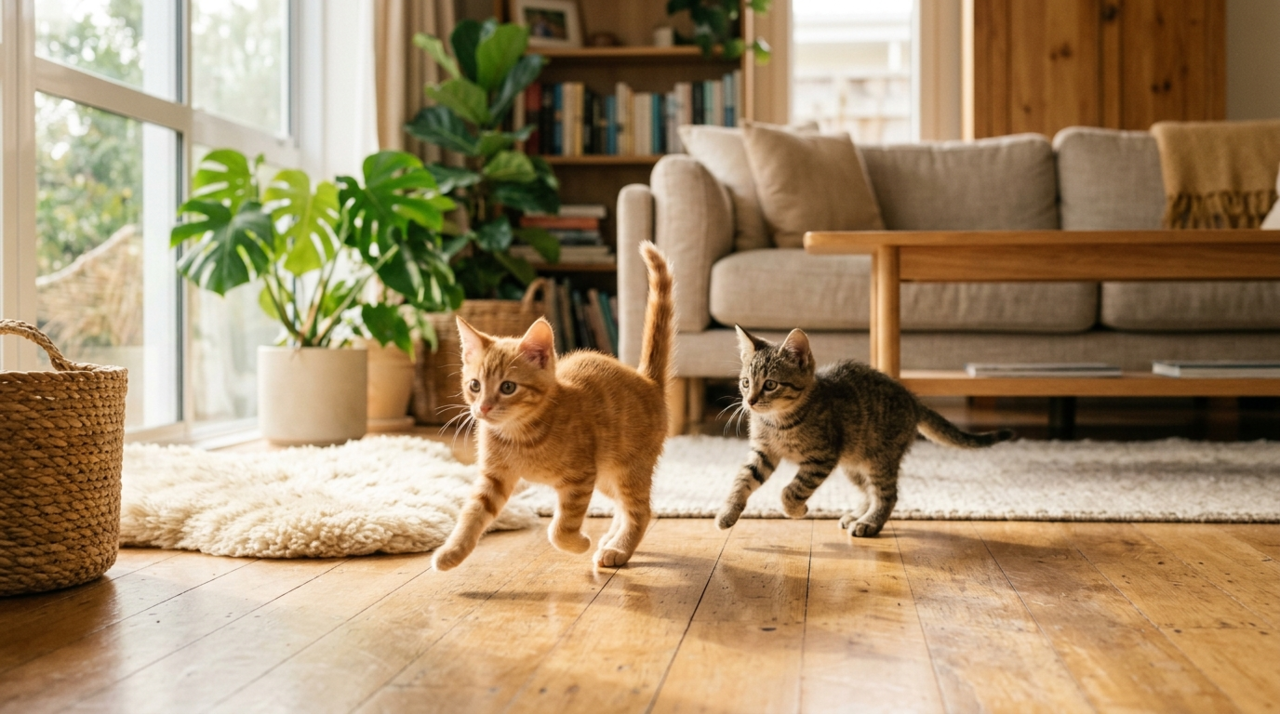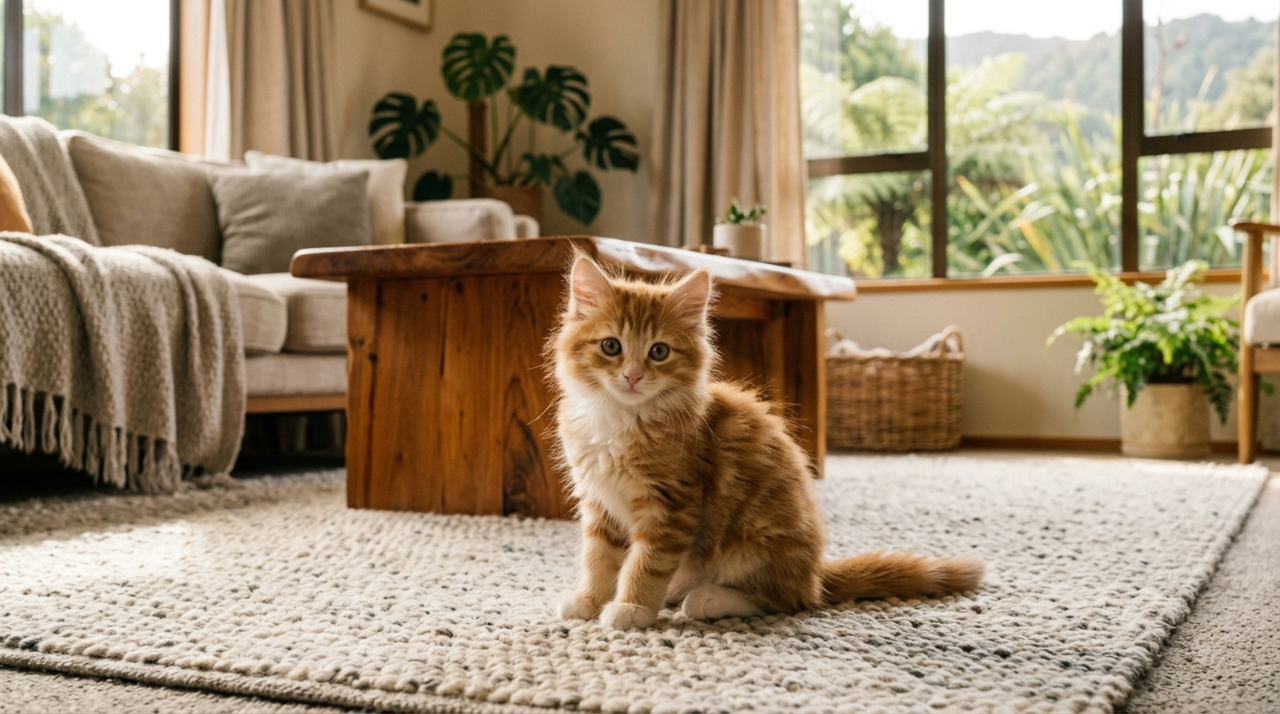
Bringing a kitten home for the first time is one of the best feelings going. It's also slightly overwhelming. There's a tiny new creature in your house, you've got bags of food and litter and a brand-new bed, and you're suddenly second-guessing whether the bathroom is genuinely a safe room or whether your kitten will somehow squeeze behind the toilet and disappear forever.
Here is a friendly day-by-day NZ guide to your kitten's first week at home. The aim isn't to do everything at once, it's to keep things calm, quiet and predictable so your kitten can settle in their own time. For the full reference (vaccinations, desexing, longer-term care), download our free Petdirect Kitten Guide.
Quick answer
Most kittens settle best when you keep the first week small, quiet and consistent. Set up one room as a safe base with a litter tray, bed, food, water and a scratcher. Let them come to you, not the other way around. Stick to whatever food they were eating at their previous home for the first few days, then transition slowly. Expect quiet, hiding, or wobbly toileting in the first 48 hours; expect more confidence and play by day 4 or 5; and only start opening the rest of the house from about day 5 or 6 onwards. The first vet visit should be in the first week or two if your kitten hasn't had their initial check.
Before Your Kitten Arrives: The Setup
The work of the first week starts before your kitten arrives. A bit of preparation now means a much calmer kitten when they walk through the door.
Your starter kit
Have these ready and set up in your kitten's safe room before pickup day:
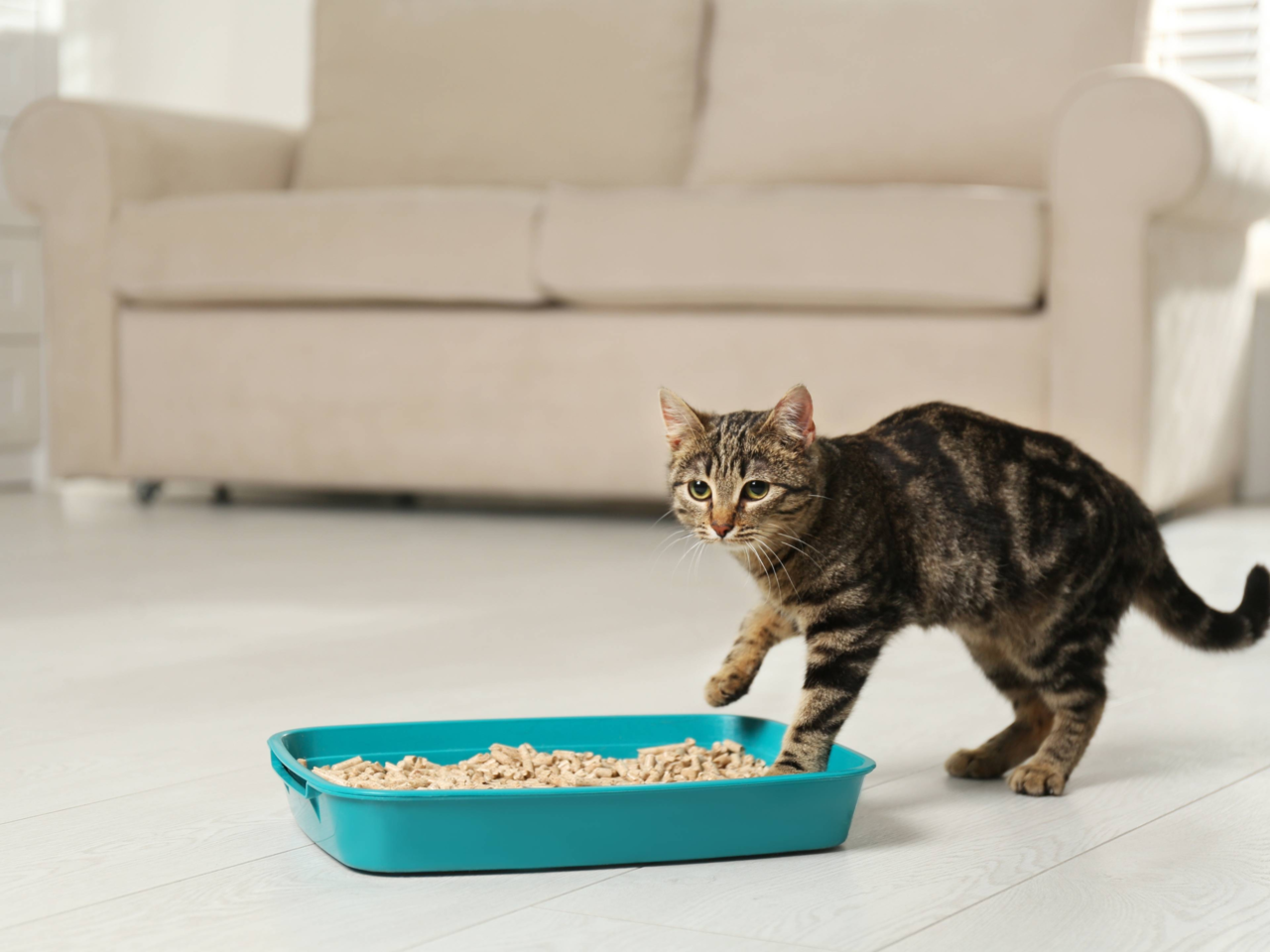
- A small litter tray and litter (the same type they've been using at their previous home if you can)
- A scoop and a small bin for waste
- Food and water bowls, placed away from the litter tray
- The food they're currently eating, enough for at least a week
- A soft, cosy bed or blanket in a quiet corner
- A scratching post or pad, set up where they can see it
- A few small toys (a fishing-pole wand toy is brilliant for kittens)
- A pet carrier for pickup day and future trips
- A calming diffuser plugged in 24 hours before arrival, if you can
Place the litter tray well away from the food and water bowls. Kittens don't like to eat near where they toilet, and it can put them off using either.
Choosing the Right Safe Room
Your kitten doesn't need the whole house on day one. In fact, the whole house is far too much. A small, calm starter room helps them feel safe enough to eat, drink and toilet without being overwhelmed.
A bathroom, laundry, spare bedroom or quiet study works well. Kitten-proof the room first: close the toilet seat, move breakables out of reach, block off any gaps behind furniture or appliances where a kitten could get stuck, and make sure there's nothing dangerous on the floor (rubber bands, hair ties, string, plastic bags, electrical cables). For more detail on home hazards, the Petdirect Kitten Guide has a full room-by-room walk-through.
Your Kitten's First Week, Day by Day
Day 1: Arrival
Bring your kitten home in their carrier, and take them straight to the safe room you've set up. Place the carrier on the floor and open the door, but don't tip them out. Let them come out in their own time. Some kittens stride out and start sniffing within minutes; some hide for a couple of hours. Both are normal.
Show them where the litter tray, food and water are. Sit on the floor with them quietly, but don't keep picking them up. Let them approach you. Keep the door closed, the noise down, and other pets away. Some kittens won't eat or drink much on day one, that's also normal as long as they're not panting, drooling or seeming distressed.
Days 2 to 3: Settling in
Your kitten is still finding their feet. They may sleep a lot (kittens need up to 16 hours a day), hide in odd spots, and only come out when the house is quiet. They'll start eating more reliably by the end of day 2.
Stick to the food they were eating before they came to you. A change of food on top of a change of home is too much at once, and stress-related tummy upsets are common. Keep the diffuser plugged in. Keep visitors away. Sit with them for short, calm sessions during the day so they associate you with quiet company.
Days 4 to 5: First signs of play
By the end of day 4 most kittens are starting to show their personality. Watch for the tell-tale signs they're feeling braver: scratching at the door of the safe room, meowing to come out, exploring the corners of the room, or asking to play with a wand toy.
This is when you can start short, controlled introductions to the rest of the house, one room at a time. Pick the next-quietest space, kitten-proof it, and let them explore for 20 or 30 minutes with you nearby. Then back into the safe room for a rest. Don't rush this. A confident-seeming kitten can still be overwhelmed by too much too soon.
Days 6 to 7: Widening the world
By the end of the week most kittens are happily exploring more of the house, asking for play sessions, and starting to follow you around. They should be eating well, using the litter tray reliably, and sleeping in increasingly silly positions.
If you have other pets, this is usually the point to begin gentle scent-swapping (swap a blanket or toy between rooms for a few days before any face-to-face meeting). Don't rush an introduction. The Petdirect Kitten Guide has a full guide to introducing your kitten to other family members, children and pets.
Towards the end of the week is also a good time to book your kitten's first vet visit if they haven't had their initial check yet. Vaccinations and parasite treatment usually start in the first 6 to 12 weeks, and your local clinic will work out the right schedule for your kitten's age.
What to Feed Your New Kitten
For the first few days, stick to whatever food your kitten was eating before they came home with you. Most breeders, foster homes and rescues will send a little of the food with the kitten. If you want to switch to a different food, wait until day 4 or 5 and transition gradually over 7 to 10 days, mixing more of the new food in each day.
Royal Canin's Instinctive Kitten range (gravy or jelly) is one of the most popular options at Petdirect, with their Kitten dry food often picked alongside for free-feeding through the day. Pro Plan Kitten is a strong alternative in both wet and dry, and Dine Tender Chicken is a good budget-friendly option.
Kittens have small stomachs and need to eat little and often. Most kittens up to 4 months do well on four small meals a day. From 4 to 6 months, three meals. From 6 months onwards, two meals tends to be enough. Fresh water should always be available, and many kittens love a fountain.
Litter, Scratching and Toys for the First Week
Most kittens come pre-trained on the litter tray from their previous home, so as long as they can find it easily and the litter is similar to what they've been using, accidents are rare. Keep the tray clean (scoop daily, refresh weekly), and don't move it around in the first week. If you do need to relocate it eventually, move it a metre or two at a time over several days so your kitten can find it.
Scratching is natural and necessary for a kitten. Set up a scratching post or scratcher within their safe room from day one, so they learn where to scratch before they figure out the sofa. Most kittens prefer either a tall vertical post (for stretching up) or a flat cardboard scratcher (for digging in with their front paws). Offering both gives them a choice.
For toys, keep things simple in the first week. A fishing-pole wand toy is the gold standard for kitten play. It lets you keep your hands away from your kitten's teeth (an important habit from day one), gives them something to chase, and tires them out before bedtime. Catnip toys, dental mesh toys, and a battery-powered chaser toy can all come in once your kitten is settled and confident.
The First Few Nights
Most kittens cry a bit at night for the first few nights. They're missing their littermates and the warmth of being curled up with siblings. There are a few things that help.
For a calmer first few nights
- Make sure the safe room is warm and draught-free
- Provide a soft, cosy bed in a quiet corner (some kittens prefer a covered bed they can hide inside)
- Leave a small night light on so the room isn't pitch black
- If your kitten really won't settle, a wrapped warm heat pad or a soft toy can help
- Leave the carrier in the room with the door open, since many kittens feel safer inside the familiar space
- Give them a quiet, gentle voice if they cry, but don't take them into your bed
Kittens are tiny, and the safest place for them to sleep is their own bed, not yours. There's a real risk of squashing a small kitten if they end up under blankets or pillows. Most kittens settle into their own sleeping space within a week.
The Things That Catch New Kitten Owners Out
Common first-week worries
- They're not eating much on day one. Normal. Most kittens get going by day 2. If they haven't eaten at all by 24 hours, call your clinic.
- They keep hiding. Also normal. Hiding is a coping mechanism, not a sign you've done something wrong. Sit nearby, talk gently, and let them come out in their own time.
- They're sleeping a lot. Up to 16 hours a day is typical for a kitten. They need it to grow.
- Soft poo or runny tummy. Stress and the change of home can cause this in the first few days. Stick to their existing food and it usually settles within 48 to 72 hours. If it doesn't, or if there's blood, vomiting or lethargy, call your clinic.
- Crying at night. Normal for the first 3 to 5 nights. Reassure gently but don't break the "kitten sleeps in their own bed" rule.
- They keep biting hands during play. Redirect onto a wand toy every time. Hands are never toys, even when they're tiny.
The First Vet Visit
Most kittens benefit from a clinic visit within the first week or two of coming home, especially if they haven't already had their initial check, first vaccinations or parasite treatment. Your local clinic will work out the right schedule based on your kitten's age and what's already been done.
What to ask at the first vet visit
Our free Petdirect Kitten Guide has a full breakdown of vaccination, desexing and parasite timelines. Download it before your visit and use it as a checklist of what to discuss with your clinic.
Frequently Asked Questions
How long should I keep my kitten in one room?
Most kittens are ready to start exploring beyond the safe room from about day 4 or 5. Start with one extra room at a time, with you nearby, for 20 to 30 minutes. By the end of the week most kittens are happily moving between rooms.
My kitten won't eat. Should I worry?
Day-one nerves are common and most kittens get going by day 2. If your kitten hasn't eaten anything in 24 hours, isn't drinking, or seems lethargic, give your clinic a call. Sticking to their existing food (the brand they had at their previous home) makes a real difference here.
When can my kitten meet my other pets?
Not in the first few days. Most kittens are ready for gentle scent-swapping (swap a blanket between rooms) from about day 4 or 5, and supervised face-to-face introductions from day 6 or 7 onwards. Take it at the slower pet's pace, and never force an interaction. The Kitten Guide has a full introduction guide.
When should I let my kitten outside?
Not for at least 6 weeks after they come home, even if they're already used to outside. They need to bond with your house first so they know where home is. They also need to be fully vaccinated and desexed before going outside. Your local clinic will confirm the right timing.
My kitten cries at night. What do I do?
Reassure them gently, make sure the safe room is warm, and offer a wrapped warm heat pad or a soft toy. Leave the carrier in the room with the door open so they have a familiar space to retreat to. Most kittens settle within 3 to 5 nights. Don't take a tiny kitten into your bed, since the squash risk is real.
Can my kitten have treats in the first week?
Best to keep things simple in the first week. Stick to their normal food, and once they're settled (from week 2 onwards) you can introduce small amounts of kitten-safe treats. Use them sparingly, and never as a meal replacement.
How much sleep is normal for a kitten?
Up to 16 hours a day is typical, and most of it is spent in deep sleep so they can grow. If your kitten is sleeping that much, eating well, and playful when awake, all is well. Lethargy that comes with no appetite, no interest in play, or unusual breathing is different and worth a clinic call.
Where can I learn more about caring for my kitten long-term?
Our free Petdirect Kitten Guide covers everything from your kitten's first year through to adulthood: vaccinations, desexing, nutrition, grooming, dental, training and parasite prevention. Download it here.
New Kitten Essentials at Petdirect
From kitten-formulated food and litter trays to scratchers, wand toys, beds, carriers and calming diffusers, find everything you need to set your new kitten up well. Save with Autodeliver on food and litter, and enjoy everyday member pricing as part of Pet Perks.
SHOP CAT ESSENTIALS