"Socialisation" is a word that gets thrown around mostly in the puppy world, but kittens benefit from it just as much, even if it looks quite different. A confident, well-adjusted adult cat is shaped by the experiences they have in their first few months. Get the early weeks right and you end up with a cat who handles the vacuum cleaner, the courier, the trip to the clinic and the visiting cousins without spiralling. Get it wrong and you've got a cat who hides at the slightest knock for the rest of their life.
The good news: socialising a kitten doesn't mean putting them through a six-week obedience course. It mostly means letting them have positive, calm, low-pressure experiences with the things they'll meet for the rest of their lives. Here's the realistic NZ version, including what works, what doesn't, and what to skip.
Quick Answer
Kitten socialisation is about gently exposing your kitten to the people, pets, sounds, and routines they'll live with, while they're still young enough to take it in their stride. The peak window for cats is around 2 to 7 weeks, well before most kittens come home, but the next-best window (7 to 14 weeks) is also when they're still highly adaptable. Start with one quiet room, scent-swap before face-to-face introductions, let your kitten set the pace, keep early experiences short and positive, and use calming pheromones if anyone's getting stressed. Most importantly: never force interactions, and end every session before your kitten gets overwhelmed.
Why Cats Need Socialisation Too
Cats are often described as "low maintenance" compared to dogs, which leads to a quiet assumption that they don't need socialising. They do. A cat who's grown up only knowing one quiet adult and a quiet house will struggle with visitors, with vacuum cleaners, with the carrier, with the clinic, with babies, with other pets. None of those situations are unusual in normal NZ life.
A well-socialised kitten grows into a cat who:
- Tolerates being handled, picked up, and having their paws and mouth gently checked
- Travels in a carrier without panic
- Visits the clinic without becoming a danger to themselves or the staff
- Lives comfortably with other pets and household members
- Recovers quickly from sudden noises, visitors, or routine changes
- Approaches new people and situations with curiosity rather than fear
An under-socialised cat lives a smaller life. They hide more. They get more stressed. They're harder to take to the vet. They're harder to pet-sit while you're away. None of that is a moral failure, cats vary enormously by personality, but most cats can be helped along.
The Socialisation Window for Cats
Cats have a critical socialisation window that opens early. The earlier they get good experiences in, the more those experiences become part of their normal worldview. The window doesn't slam shut at a hard age, but it does narrow.
The peak window
This is when the foundational temperament is laid down, and it happens with the breeder or rescue. Kittens raised with gentle handling, varied sounds and household routine in these weeks become noticeably easier-going as adults.
The "you" window
Most kittens come home around 8 to 10 weeks, so this is your active window. Focus on positive exposure to people, household sounds, the carrier, handling, and any other pets. Short sessions, daily.
The shaping window
Adaptability is still good. Your kitten can learn to enjoy new situations, but they may need more repetitions to lock things in. The carrier-and-clinic relationship in particular benefits from this stage.
Worth knowing
Until your kitten has completed their vaccinations, keep them at home and don't let them mix with unvaccinated cats. Socialisation in this period happens with your household and your immediate circle, not at the park.
Where to Start: The One-Room Approach
This is the same set-up the Petdirect Kitten Guide recommends, and it works because it gives your kitten control over how fast they explore. A kitten dropped into a whole new house at once can get overwhelmed, hide for days, and refuse food. A kitten given one safe room and time to settle usually emerges within hours, not days.
Pick a quiet room (a bathroom, laundry, or spare bedroom works well). Make sure it has:
- A litter tray, placed away from food and water
- A soft, cosy bed or blanket
- Fresh water and food
- A few toys and a small scratcher
- A hiding spot they can retreat to (under a chair, behind a sofa cushion, the carrier left open)
Let them settle in this room for the first day or two. When they start showing they want more, scratching at the door, meowing to come out, exploring confidently, you can open the rest of the house to them one room at a time. This isn't a delay, it's the foundation.
What to Socialise Them To
The list of things a cat needs to feel okay about is shorter than for a puppy, but it's important. Aim for short, calm, positive exposures to each of the following in the first few months.
Being handled
Daily gentle handling: stroke them, lift them briefly, touch their paws, ears, around their mouth. Treats while you do it. This is the single best thing you can do for future grooming, nail trims and clinic visits.
Different people
Have friends and family over in small numbers, one at a time. Calm voices, low-key behaviour, treats offered from a flat hand at floor level. Let the kitten choose to approach.
Household sounds
Vacuum cleaner, washing machine, dishwasher, hairdryer, doorbell, knocks on the door, the TV at normal volume. Run them while your kitten is doing something positive (eating, playing). Don't wait until the kitten is asleep to switch the vacuum on.
The carrier
Leave the carrier out as part of the furniture. Feed treats inside it. Carry the kitten around the house in it for a minute or two now and then. Make the carrier an everyday thing, not a once-a-year terror.
Car trips
Short, low-stakes trips around the block once they're settled and the carrier feels normal. Calming spray on the bedding, towel over the carrier to reduce stimulation. Build up from 5 minutes to longer.
Children, calmly
Supervised, quiet voices, gentle hands. Children sitting on the floor and letting the kitten come to them works better than chasing. End the session before the kitten gets tense.
Other pets
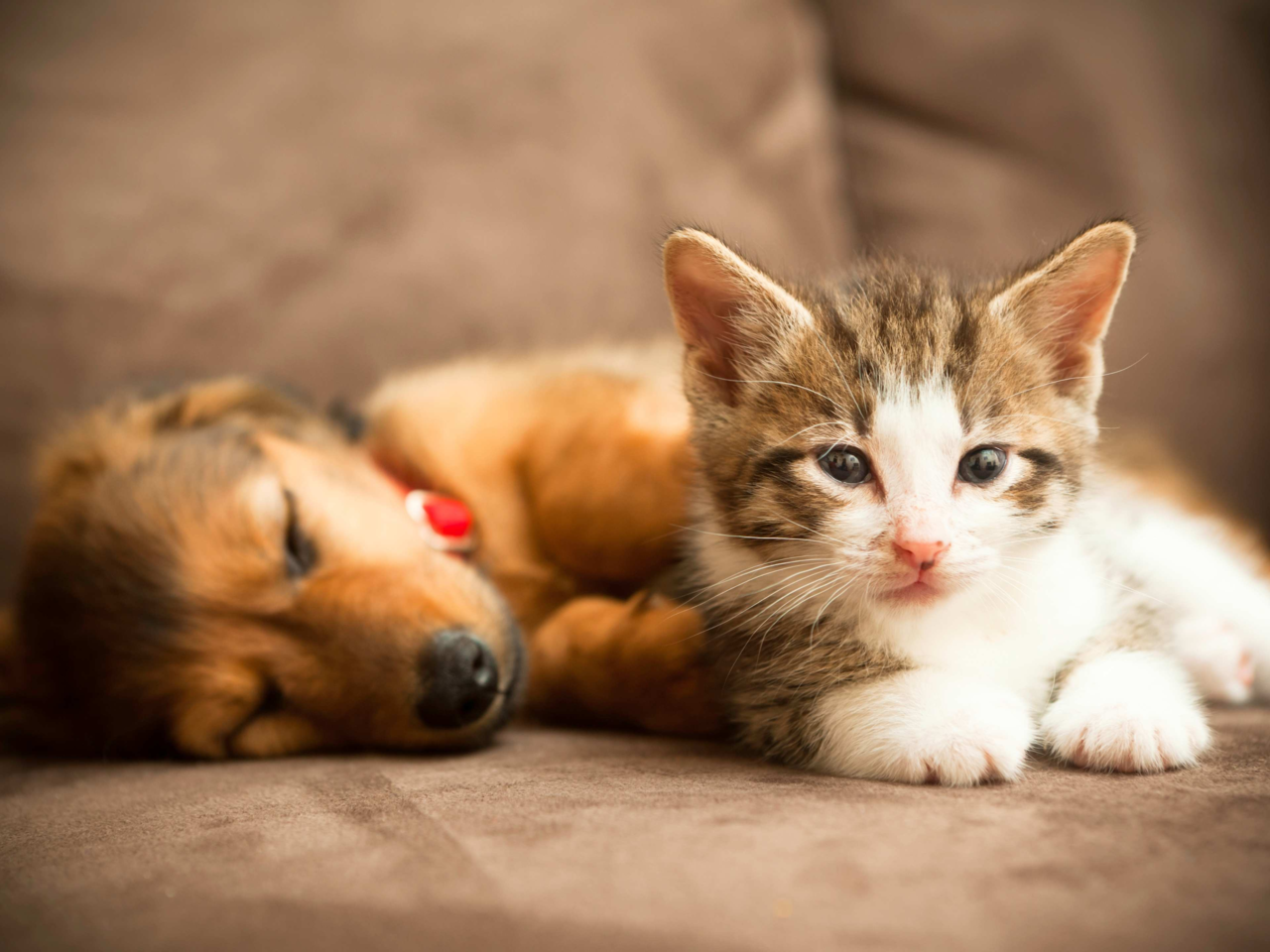
Start with scent-swapping (exchange toys, blankets, or rub a cloth on each pet and let the other smell it). Then short, supervised, positive face-to-face meetings with both animals able to retreat. Multiple short sessions beat one long one.
Being alone
Cats need to learn that being briefly alone is fine. Leave them for short stretches in their settled environment, even if you're just popping next door. Builds confidence and prevents over-attachment.
Tools That Help
You don't need much. The right tools just take the edge off the harder moments and give your kitten more positive exposures per week.
Calming pheromones
Synthetic feline pheromone diffusers and sprays can take the stress out of new situations, especially in the first weeks home, around visitors, before car trips, or when introducing other pets. Most owners notice a real difference.
Interactive and confidence-building toys
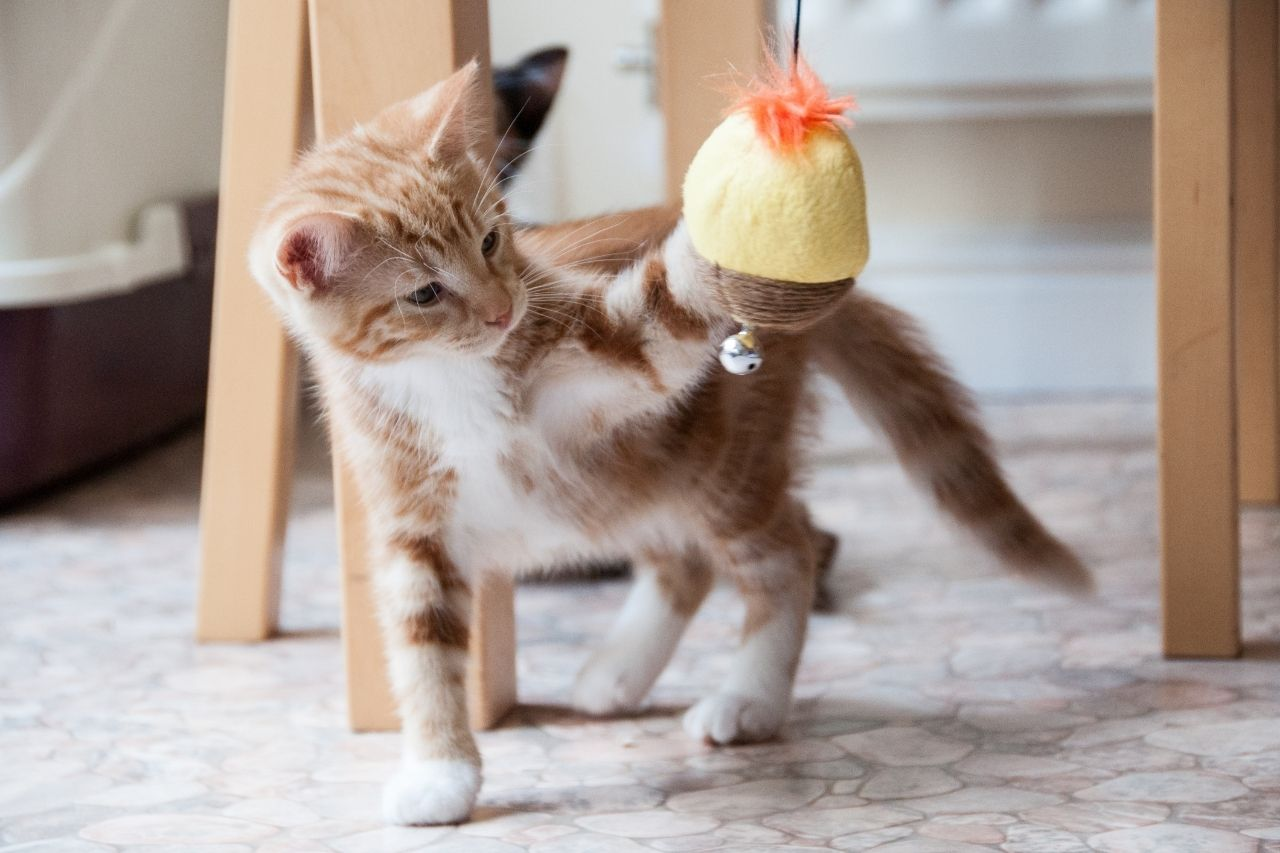
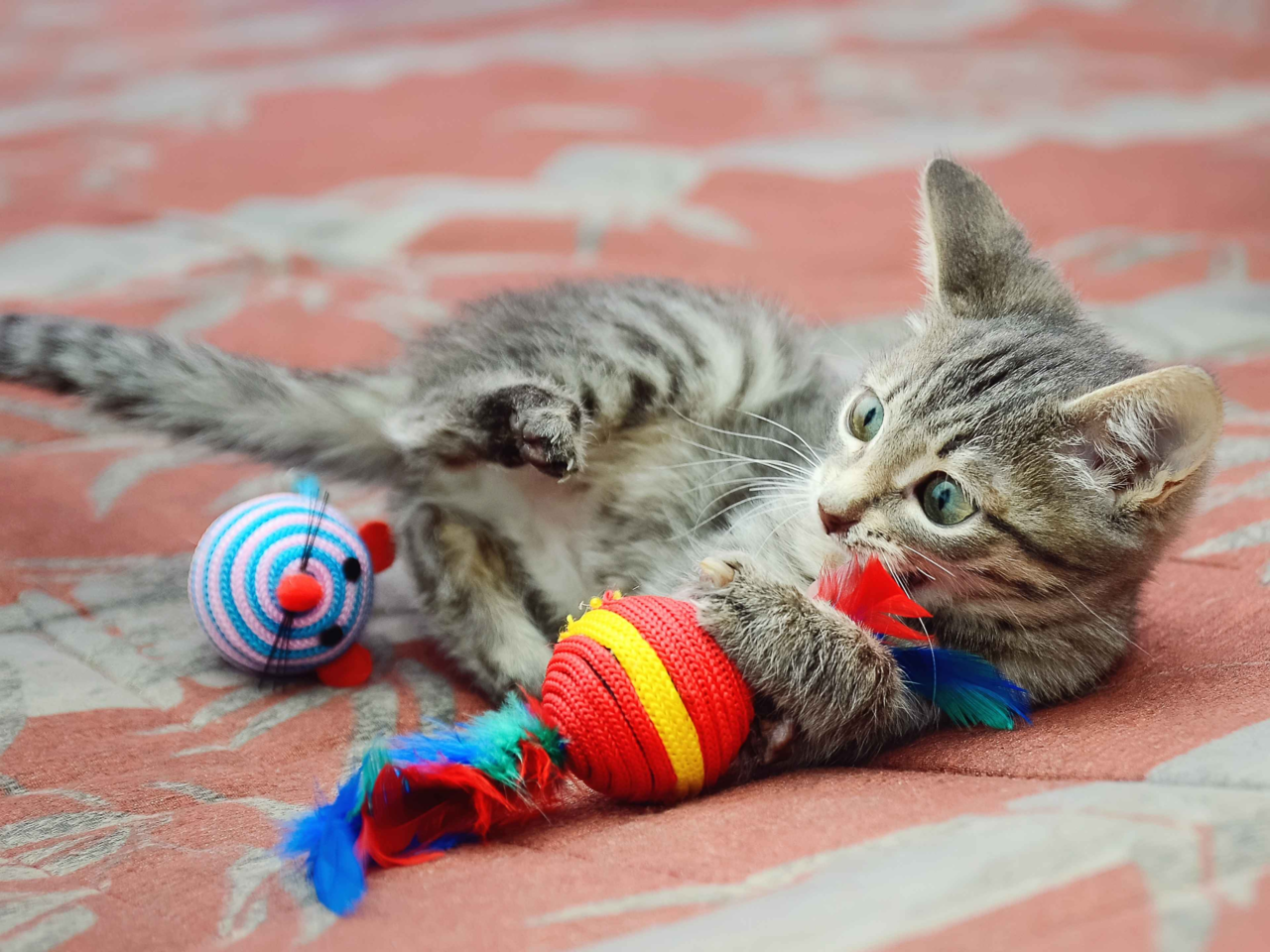
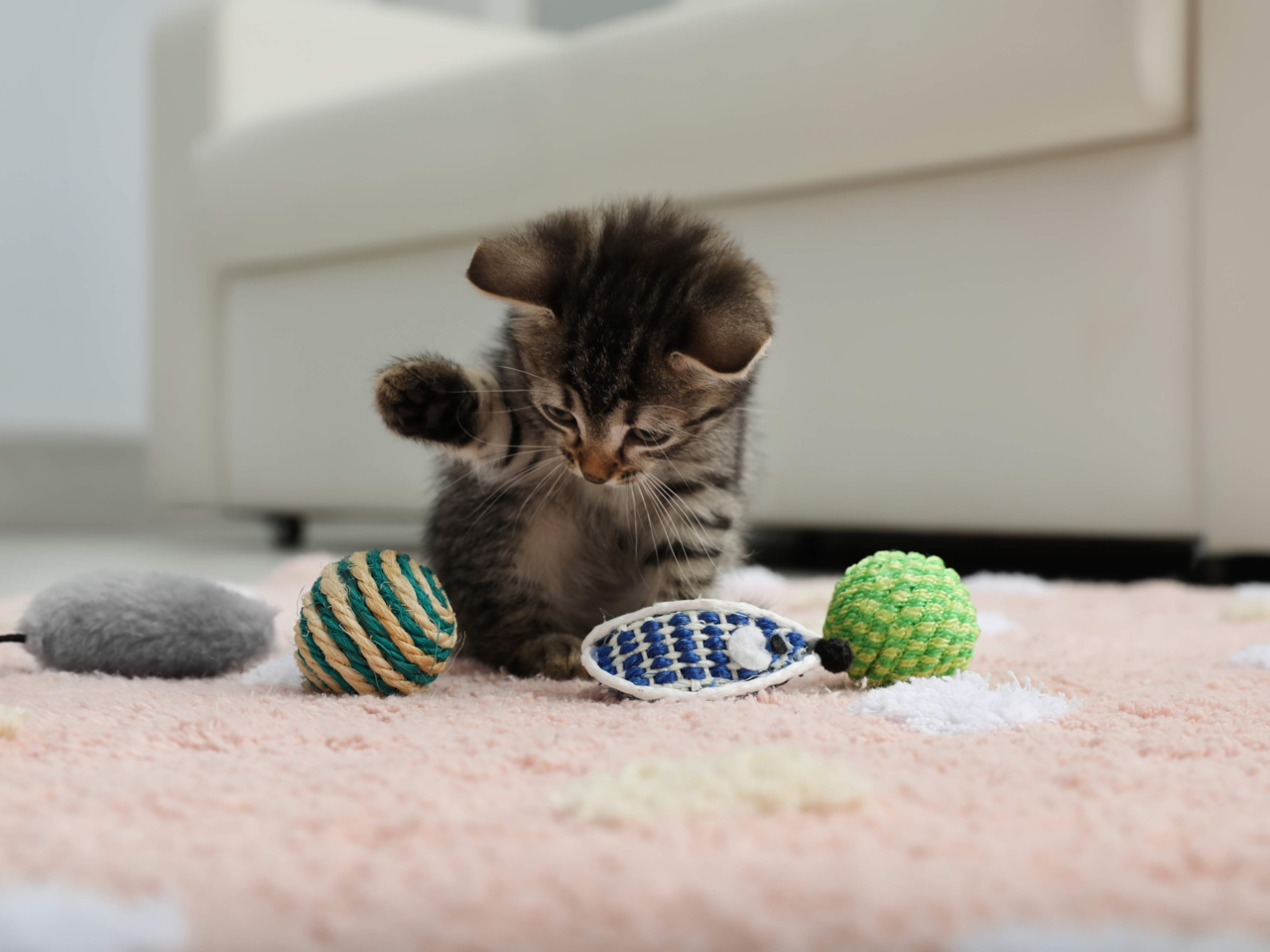
Play is socialisation. A kitten who learns to chase, pounce and catch on toys is building confidence and bleeding off the energy that would otherwise come out as biting your ankles. Two short play sessions a day is the sweet spot.
Lick mats and slow-feeders
Useful for the more stressful moments. A lick mat with a thin layer of wet food keeps a kitten occupied and calm during a vacuuming session, a tradies visit, or while you're introducing a new piece of household equipment.
Scratchers, hiding spots and a place to retreat
Every well-socialised kitten still needs an "I'm done" option. A scratcher in a busy room, a tunnel or cat cave they can disappear into, a quiet bed somewhere out of the way. The ability to retreat is what stops a curious kitten becoming an overwhelmed kitten.
Want the full picture on raising your kitten?
Our Petdirect Kitten Guide covers every life stage from welcome-home to adulthood, including travel, vaccinations, nutrition and behaviour. It's free to read online.
How to Read Your Kitten's Body Language
The single most useful socialisation skill is knowing when your kitten has had enough. Push past it and you teach them that new things are scary. Stop before it and you teach them that new things end well.
Confident, happy signs
Tail held upright (often with a slight curl), ears forward, slow blinking, sniffing and exploring with interest, gentle purring, rolling onto their back. They're in.
"I need a break" signs
Tail low or twitching, ears flat or rotating backward, dilated pupils, freezing in place, walking away with their body low, slinking back. Time to give them a breather.
"Stop now" signs
Hissing, swatting, fur standing up, arching their back, hiding under furniture and not coming out. End the session, give them space, try again tomorrow.
The post-play crash
Most kittens want a deep sleep after socialisation or play. That's a good sign, they engaged, then needed to recover. Don't disturb them until they're up again on their own.
What Doesn't Work
- Flooding. Throwing your kitten into a big noisy gathering "to get them used to it" usually creates a lasting fear of strangers, not the opposite. Build up slowly.
- Forcing interactions. Picking up a kitten who's trying to walk away, or making them be held by every visitor, undermines their trust. Let them choose.
- Skipping handling because they don't seem to like it. The cats who hate being handled as adults are usually the ones who weren't handled as kittens. Short, gentle, treat-paired handling beats no handling.
- Leaving the carrier in the garage until clinic day. Guarantees the carrier becomes a stress trigger. Leave it out, feed in it, use it for short non-clinic trips first.
- Punishing fear-driven behaviour. Hissing, swatting and hiding are fear responses. Scolding makes the fear worse. Step back, give them space, try smaller exposures.
- Comparing to a more confident sibling or previous cat. Every kitten has their own pace. A shy kitten can still grow into a confident adult, it just takes more time and patience.
Frequently Asked Questions
Is it too late to socialise a kitten that's already 6 months old?
Not too late, but the work is slower. Cats remain adaptable into their first year and beyond, just less so as time passes. Start where you are, use calming aids, keep sessions very short and positive, and accept that an older kitten or adult may always need a bit more notice before new situations.
My kitten hides whenever someone visits. How do I help?
Don't drag them out, that confirms their fears. Let them stay hidden, but make the room they're hiding in a positive place: a treat trail, their favourite toy, their food bowl, all where the visitor sits quietly without engaging. Over multiple visits the kitten typically starts to peek out. Pheromone diffusers help during this build-up.
How do I introduce my kitten to a resident cat?
Start with full separation and scent-swapping (swap blankets, toys, or rub a cloth on each cat and let the other smell it). After a few days, let them see each other through a baby gate or cracked door. After that, short supervised meetings in a neutral space, with both cats able to retreat. Take it slow, this often takes weeks rather than days.
How about introducing a kitten to a resident dog?
Same scent-swapping first. Then short, supervised meetings with the dog on lead and the kitten free to retreat to a high shelf or hidden spot. Reward the dog for calm behaviour and the kitten for confident exploration. Don't leave them alone together until you're sure both are relaxed, which can take weeks.
How do I get my kitten comfortable with the carrier?
Leave the carrier out as part of the furniture, ideally with a soft blanket inside. Feed your kitten near it, then in the doorway, then inside. Use the carrier for short non-clinic trips (around the house, in the car for a few minutes). By the time you need it for a real trip to your vet, the carrier is familiar rather than alarming. A pheromone spray on the bedding before any trip also helps.
Do indoor-only cats still need socialisation?
Yes, possibly more than outdoor cats do. Indoor cats meet less of the world by default, which means anything new (visitors, builders, a friend's dog, a baby) is a bigger event. The exposure work in the first few months pays back over the cat's whole life.
My kitten bites and scratches a lot during play. Is that normal?
Play-biting and scratching are normal kitten behaviours, but they need to be redirected onto toys rather than your hands. The general rule: never use your hands as toys. When biting starts, redirect onto a wand toy or a soft kicker. If they bite skin, end the play session for 30 seconds, then resume with the toy. Most kittens grow out of it by 6 months with consistent redirection.
Are some breeds easier to socialise than others?
Yes, broadly. Ragdolls, Maine Coons, Burmese and many domestic shorthairs tend to be easygoing socialisers. Bengals and other higher-energy breeds need more enrichment and more deliberate handling work. Persians and some longhaired breeds need more grooming exposure early. Use your kitten's breed as a starting point, but every individual is their own personality.
Kitten Essentials at Petdirect
From calming pheromones and interactive toys to scratchers, beds, lick mats and tunnels, find what you need to give your kitten a positive, confident start. Save with Autodeliver on the everyday items and enjoy member pricing as part of Pet Perks.
SHOP KITTEN ESSENTIALS