A bit of dog breath is normal. But if your older dog's breath has become noticeably worse, or has a strong, persistent smell that was not there before, it is worth paying attention. Bad breath in senior dogs is not just unpleasant. It can be a sign that something is going on with their teeth, gums, or even their overall health.
The good news is that in many cases, the cause is something you can manage at home with the right dental care routine. And when it is something that needs a closer look, catching it early makes all the difference. This guide walks you through the most common reasons older dogs develop bad breath, when to be concerned, and what you can do to help.
Common Causes of Bad Breath in Older Dogs
Bad breath (sometimes called halitosis) in senior dogs usually has a specific cause. Here are the most common ones.
Plaque and tartar build-up
This is the most common cause of bad breath in dogs of any age, but it gets worse over time. Plaque hardens into tartar, which traps bacteria along the gum line. The bacteria produce that distinctive sour or rotten smell. Regular dental care at home can help slow this down. See our guide to dental health for senior dogs.
Gum disease
Over time, plaque and tartar build-up can irritate the gums (a condition called gingivitis) and may progress to periodontal disease if left unchecked. Gum disease is one of the most common reasons for persistent bad breath in older dogs, and it can be uncomfortable for your dog even if they do not show obvious signs of pain.
Tooth decay or infection
Cracked, broken, or decaying teeth can trap bacteria and produce a particularly strong smell. If there is an infection at the root of a tooth (sometimes called an abscess), the odour may be especially noticeable. If you suspect a damaged or infected tooth, your vet is the best person to take a look.
Something they ate
Dogs are not always fussy about what they put in their mouths. If the bad breath appeared suddenly, it could be from something they found in the garden, on a walk, or in the rubbish. This type of bad breath usually passes within a day or two.
Digestive issues
Sometimes bad breath comes from the gut rather than the mouth. If your dog also has a reduced appetite, is vomiting, or has changes in their stools, it could point to a digestive issue. Your vet can help work out whether the stomach is the source.
Kidney or liver concerns
Occasionally, a noticeable change in breath odour can be connected to how the kidneys or liver are functioning. If your dog's breath smells unusually sweet, metallic, or like ammonia, it is worth mentioning to your vet, especially in an older dog. Many age-related conditions are very manageable when picked up early, so it is always better to check than to wait.
When to See Your Vet
Mild bad breath that improves with dental care at home is usually nothing to worry about. But there are some situations where a vet visit is a good idea.
The smell is sudden or severe
If your dog's breath has changed dramatically or has a particularly strong, unusual odour (sweet, metallic, or ammonia-like), it is worth getting checked out sooner rather than later.
Other symptoms are present
Bad breath alongside increased thirst, weight loss, vomiting, reduced appetite, or changes in energy levels could point to something beyond dental disease. Your vet can run tests to check for underlying issues.
You can see dental problems
Red or bleeding gums, loose teeth, visible tartar build-up, or swelling around the mouth all warrant a vet visit. Your vet can assess the extent of the problem and recommend the best course of action.
If you are ever unsure, it is always better to check. Your vet can quickly tell you whether the bad breath is a dental issue you can manage at home or something that needs further investigation.
What You Can Do at Home
For bad breath caused by plaque and tartar build-up (which is the most common cause), a good dental care routine at home can make a real difference. Here are the most effective options.
Dental treats
Dental treats are designed to help reduce plaque as your dog chews. They are one of the easiest things to add to your dog's routine, and most dogs love them. For senior dogs, choose softer options that are gentle on ageing teeth. Greenies and Whimzees are two of the most popular brands in New Zealand. For more options, see our guide to dental treats that fight plaque and freshen breath.
Water additives and dental powders
If your dog is not a fan of having their teeth brushed, water additives and dental powders are a hands-off alternative. You simply add them to your dog's water bowl or food each day. They help reduce plaque and freshen breath without any fuss. Oxyfresh water additive is tasteless and odourless, making it a good choice for fussy dogs. Troy ProDen PlaqueOff powder is sprinkled onto food and works from the inside out.
Brushing
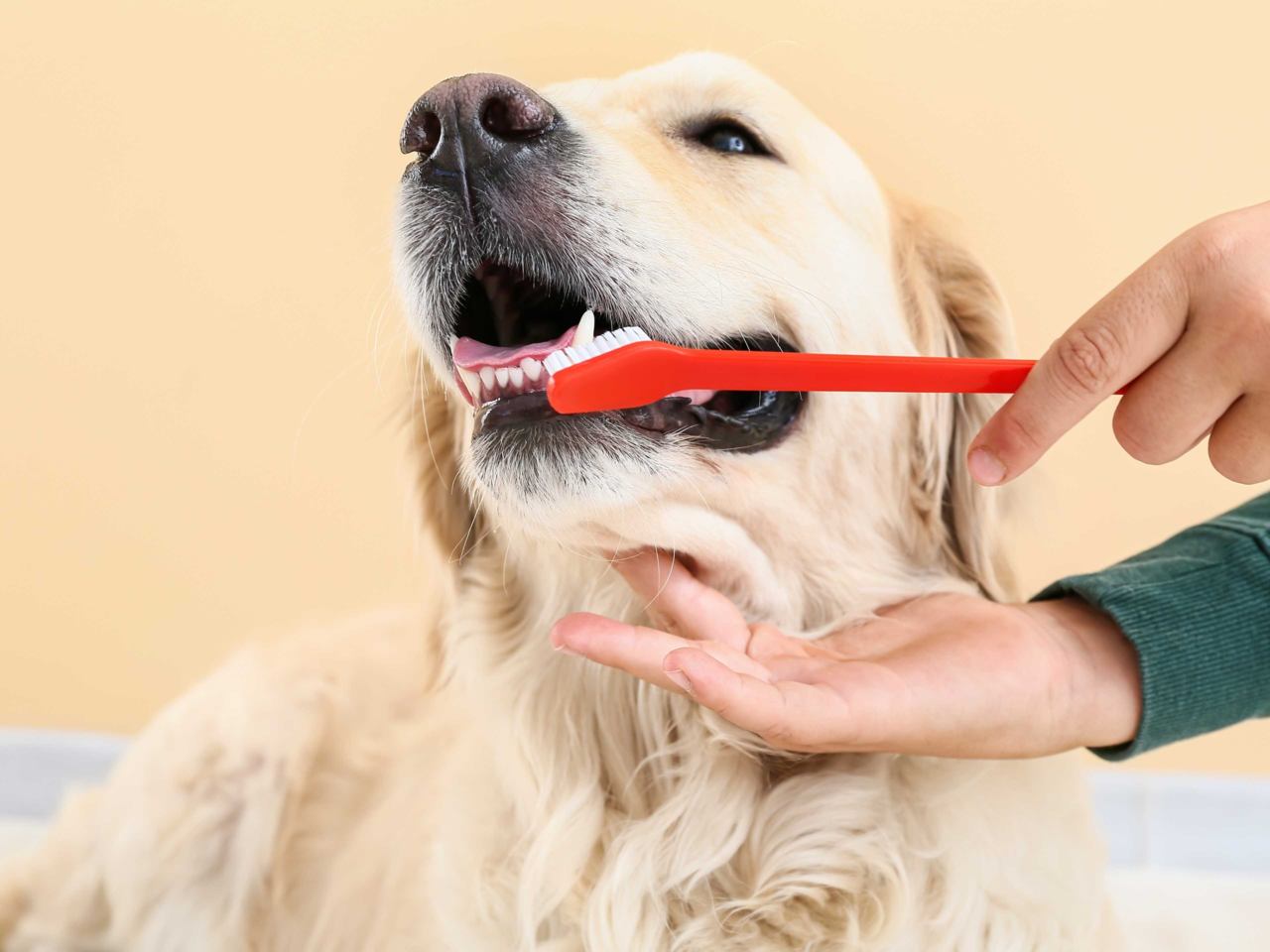
Brushing your dog's teeth is one of the most effective ways to keep plaque under control. Even two to three times a week can help. Use a toothpaste made for dogs (human toothpaste is not safe for pets) and a soft brush or finger brush. For a step-by-step guide, see our blog on how to brush your dog's teeth. If your dog will not tolerate a brush, dental wipes and finger brushes are a gentler alternative. See our tips for dogs that hate brushing.
Diet
What your dog eats can also affect their breath. A good quality senior dog food supports overall health, including dental health. Some kibble shapes are designed to help clean teeth as your dog chews. Wet food is great for hydration but does not provide the same mechanical cleaning action, so pairing it with dental treats or brushing is a good idea. For help choosing the right food, see our guide to the best senior dog food in NZ.
A Quick Guide: What the Smell Might Mean
The type of smell can sometimes give you a clue about what is going on. This is not a substitute for a vet check, but it can help you know when to act.
Sour or rotten smell
Usually points to plaque, tartar, or gum disease. This is the most common type of bad breath in older dogs and is often manageable with a good dental care routine at home.
Sweet or fruity smell
An unusually sweet smell on your dog's breath is worth mentioning to your vet. It can sometimes be associated with metabolic changes that need investigation.
Ammonia or urine-like smell
A breath that smells like ammonia may be linked to kidney function. This is more common in older dogs and is something your vet can check with a simple blood test.
If you notice any unusual change in your dog's breath, especially alongside other symptoms, a vet visit is always a good idea. Early detection makes a real difference with many age-related conditions.
Frequently Asked Questions
Is bad breath normal in older dogs?
A mild smell is not unusual, especially if dental care has not been a regular part of their routine. But a strong, persistent, or worsening smell is not just "old age" and is worth looking into. In most cases, it is a dental issue that can be managed at home or with your vet's help.
Can dental treats really help with bad breath?
Yes, dental treats can help reduce plaque build-up, which is the most common cause of bad breath. They work best as part of a broader routine that includes brushing or water additives. On their own, they are a good starting point but may not be enough for dogs with significant tartar build-up.
How often should I brush my senior dog's teeth?
Two to three times a week is a good target for most dogs. Daily is ideal if your dog tolerates it. Even a quick 30-second session focusing on the outer surfaces of the teeth can help. If brushing is not an option, dental wipes, water additives, and dental treats are helpful alternatives.
Could my dog's bad breath be a sign of kidney disease?
It is possible, though it is not the most common cause. A breath that smells like ammonia or has an unusual chemical odour can sometimes be connected to how the kidneys are working. If you notice this alongside increased thirst, changes in urination, or weight loss, it is worth booking a check-up. Your vet can run a straightforward blood test to see how things are looking.
My dog will not let me brush their teeth. What else can I do?
Plenty. Water additives like Oxyfresh are tasteless and go straight into the water bowl. Dental powders like PlaqueOff are sprinkled onto food. Dental treats provide mechanical cleaning through chewing. Dental wipes and finger brushes are also gentler alternatives to a traditional toothbrush.
Should I change my dog's food if they have bad breath?
If your dog is on a good quality senior food, the bad breath is more likely coming from their teeth and gums than their diet. That said, a food with added dental benefits or a kibble designed to help clean teeth can be a useful addition. Your vet can advise on whether a diet change would help.
Freshen Up Your Senior Dog's Dental Routine
From dental treats and water additives to toothbrushes and senior food, find everything you need to tackle bad breath and support your older dog's dental health. Save with Autodeliver and enjoy everyday member pricing with Pet Perks.
SHOP DOG DENTAL CARERelated Reading
Dental Health for Senior Dogs: Why It Matters More Than Ever
Dog Bad Breath: Causes, Prevention Tips and Best Products
Signs of Dental Disease in Dogs and Cats: What Every Pet Owner Should Know
Senior Dog Dental Care: How to Protect Your Dog's Teeth After Age 7
Senior Dog Care in New Zealand: The Ultimate Guide
My Dog Has Bad Breath, What Do I Do?