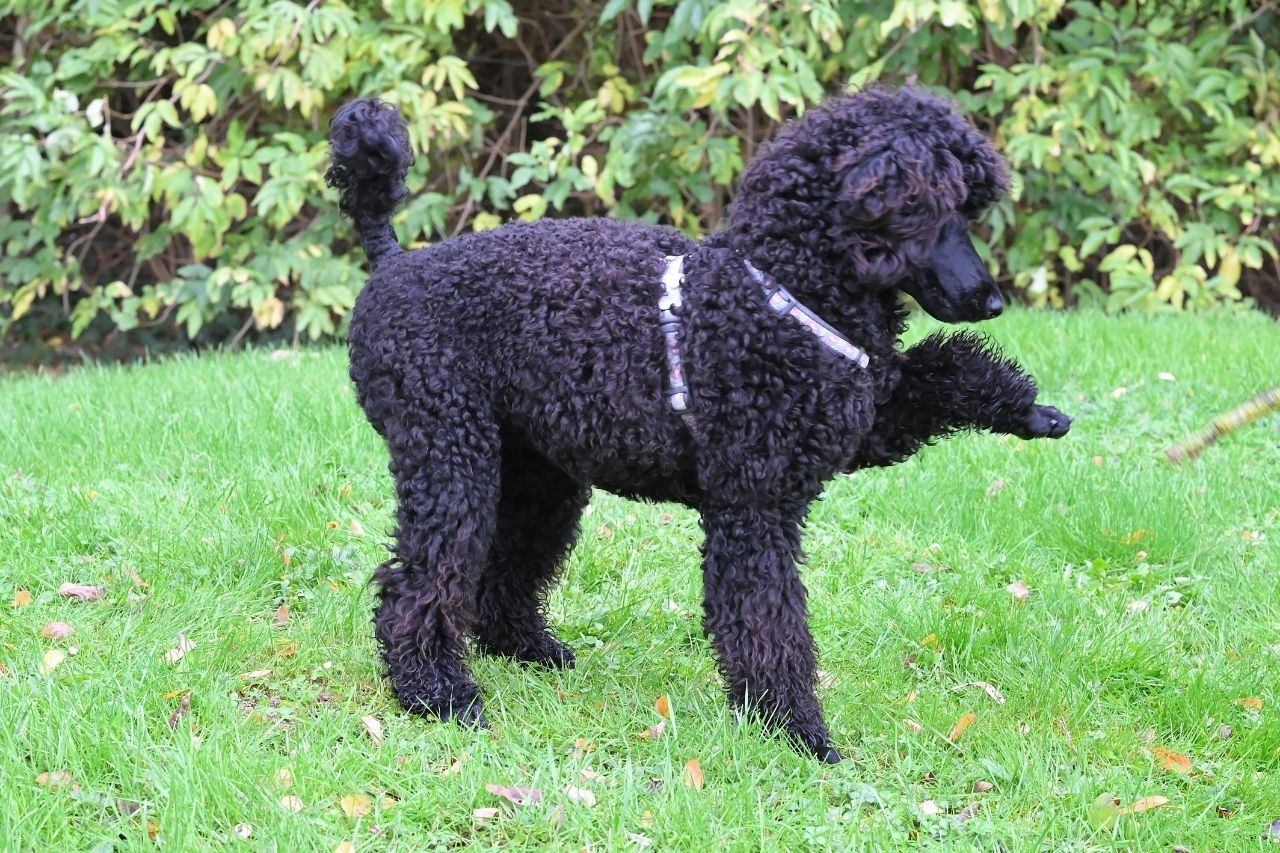
Poodles are smart, sociable and famously easy on people with allergies, but anyone who owns one knows they can be surprisingly itchy themselves. If your Poodle is scratching more than you'd expect, chewing at their paws, or rubbing their face along the carpet, you're not imagining it. That signature curly, low-shedding coat actually comes with a few skin quirks of its own.
This guide walks through the most common reasons Poodles (Toy, Miniature and Standard) scratch, how to work out what's triggering it, and the products that can help bring some relief. If the scratching is ongoing, getting worse, or affecting their quality of life, it's always worth checking in with a professional.
Why Poodles Are Prone to Itchy Skin
Tight curly coat traps moisture
A Poodle's dense, curly coat holds water and debris close to the skin. After walks, swims or baths, that trapped damp can irritate sensitive skin if it isn't properly dried.
Allergies run in the breed
Poodles are known for being prone to environmental and food sensitivities. Pollens, dust mites, grasses, and certain protein sources can all show up as itchy skin rather than sneezing.
Ears can get inflamed easily
Poodles' hair grows inside the ear canal, which traps moisture and wax. That makes ear irritation and scratching around the head a common issue that gets mistaken for a general itch.
Grooming choices affect skin
Poodles need regular grooming. Harsh shampoos, skipped brushings (which create mats close to the skin), or too-frequent bathing can all leave skin irritated.
Fleas affect all coat types
Even the densest curly coat can hide fleas. One flea bite can set off days of itching in a sensitive Poodle, so regular prevention is important year-round.
Diet plays a role
Food sensitivities often show up on the skin long before the stomach. A food change or a move to a sensitive-skin formula can make a noticeable difference for some Poodles.
Common Causes of Poodle Scratching
Environmental allergies
Pollen, dust mites, mould spores and grass are the usual suspects. You'll often notice more scratching in spring and summer, after walks through long grass, or when seasons change.
Food sensitivities
Some Poodles react to specific proteins (chicken, beef) or grains. The result is often itchy paws, ears or bellies, sometimes with loose stools, rather than an obvious tummy upset.
Fleas and parasites
Fleas, mites and lice can all cause persistent scratching. Even if you haven't spotted any fleas, their eggs and flea dirt in the coat can still trigger itching.
Dry skin
Winter air, over-bathing, and some harsh shampoos can strip the natural oils from a Poodle's skin, leaving it dry, flaky and itchy.
Contact irritation
Laundry detergents, cleaning products, freshly cut grass, or scented bedding sprays can all irritate sensitive skin. Paw-licking after walks is a common sign.
Matting and grooming issues
When curly coats mat, they pull on the skin, trap moisture and block airflow. Regular brushing and professional grooming keeps this in check and makes a real difference to skin comfort.
Ear infections
If the scratching is mostly around the head, ears, or face, often with head shakes or a bit of smell from the ears, the cause might be in the ear canal rather than on the skin.
Yeast or bacterial overgrowth
Poodles can be prone to yeast overgrowth, often in warm, moist areas like paws, armpits or skin folds. It tends to come with a musty smell, red skin, and constant licking or chewing.
Best Foods for Poodles with Sensitive Skin
If the scratching looks food-related, switching to a sensitive-skin formula can make a big difference. Poodles come in three sizes (Toy, Miniature and Standard), so match the food to your dog's build.
When changing food, transition gradually over 7 to 10 days to avoid tummy upset. If food sensitivities are suspected, it can take 6 to 8 weeks on a new diet before you see the full benefit, so stay patient.
Best Shampoos and Topical Products for Itchy Poodles
The right shampoo can calm skin and wash away allergens without stripping a Poodle's natural oils. These are the go-to choices for sensitive and itchy skin.
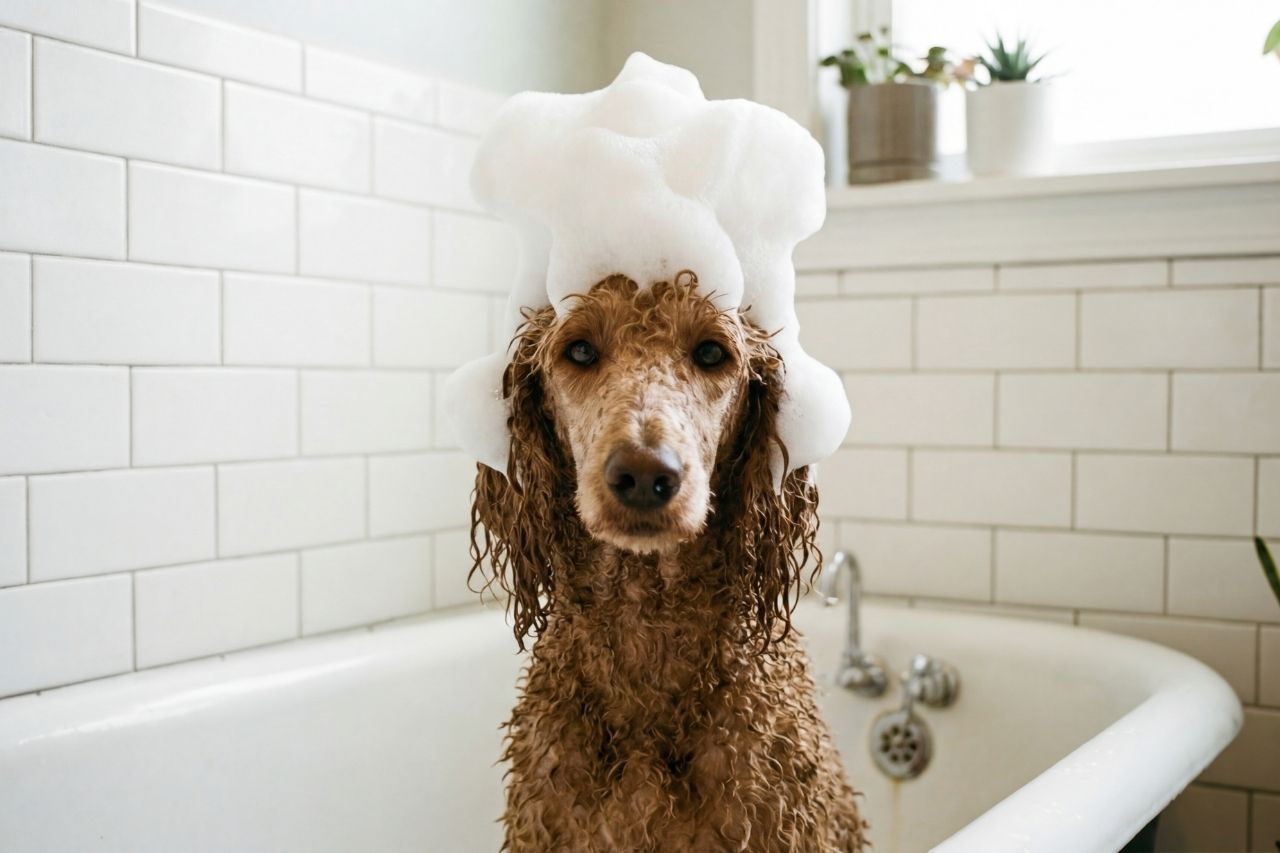
Tip: always rinse thoroughly. Leftover shampoo trapped in a curly coat is a frequent cause of irritation. Dry completely after bathing or swimming, especially around the ears, belly and paws.
Best Skin Supplements and Spot Treatments
Omega-3s from fish oil or green-lipped mussel are popular for skin and coat support, while balm-style treatments can take the edge off irritated spots between baths.
Simple Daily Habits That Help
Brush 3 to 4 times a week
Regular brushing prevents mats, keeps air flowing to the skin, and lets you spot any redness, hotspots or critters early.
Dry thoroughly after water
Whether after a bath, a swim or a rainy walk, towel and (if tolerated) blow-dry on cool until the coat is dry right to the skin. Damp Poodle coats cause a lot of itch.
Rinse paws after walks
If your Poodle tends to lick their paws after walks, a quick rinse with lukewarm water (no soap needed) can wash away grass, pollen and allergens before they irritate.
Keep flea treatment consistent
Year-round flea prevention stops a single flea from setting off a week of scratching. NZ's mild climate means fleas don't just stop in winter.
Stick to a groomer schedule
Most Poodles need a professional groom every 4 to 6 weeks. A good groomer will also spot skin issues before they become a big deal.
Keep the home allergen-friendly
Wash their bedding weekly in a fragrance-free detergent, vacuum often, and avoid heavy scented sprays, candles or essential oil diffusers near their sleep area.
When to get professional advice
If your Poodle is scratching constantly, losing hair, has red or raw patches, a strong smell, scabs, or is noticeably uncomfortable, it's time to get them checked. Ongoing itch that doesn't improve within a week or two of changing products or routines is always worth looking into. Skin issues rarely get better on their own, and the earlier they're addressed, the simpler they usually are to sort out.
Frequently Asked Questions
Why is my Poodle scratching but there are no fleas?
Environmental allergies (pollen, dust mites, grass) and food sensitivities are the most common causes of itching in flea-free Poodles. Dry skin from bathing too often or the wrong shampoo can also be the culprit. A sensitive-skin food or an oatmeal shampoo is often a good first step.
Do Poodles have sensitive skin?
Yes, Poodles are considered one of the breeds more prone to sensitive and allergic skin. Their tight curly coat can also trap moisture, which makes careful grooming and thorough drying really important.
How often should I bathe my itchy Poodle?
For most Poodles, every 3 to 4 weeks is plenty, unless there's a medical reason to bathe more often. Over-bathing can strip natural oils and actually make itching worse. Always use a gentle, pH-balanced dog shampoo.
Can food cause my Poodle to scratch?
Yes, food sensitivities often show up as itchy paws, ears, bellies or rear ends. Switching to a sensitive-skin formula (often with fish as the protein) and avoiding treats outside the new diet for 6 to 8 weeks is a common way to see if food is contributing.
Should I trim my Poodle shorter if they're itchy?
A shorter trim can help in warm weather or when managing hotspots, making it easier to keep the skin clean, dry and airy. Chat with your groomer about a style that suits your Poodle's situation.
Are there Poodle-specific skin conditions I should know about?
Poodles can be prone to conditions like sebaceous adenitis and allergic skin reactions. If you notice ongoing itching, flaky skin, hair loss, or redness, it's worth getting a professional opinion rather than guessing.
Shop Skin and Coat Care for Poodles
Find skin-friendly food, gentle shampoos, supplements and soothing balms for your Poodle's next step. Save with Autodeliver and enjoy everyday member pricing with Pet Perks.
SHOP SKIN CARE