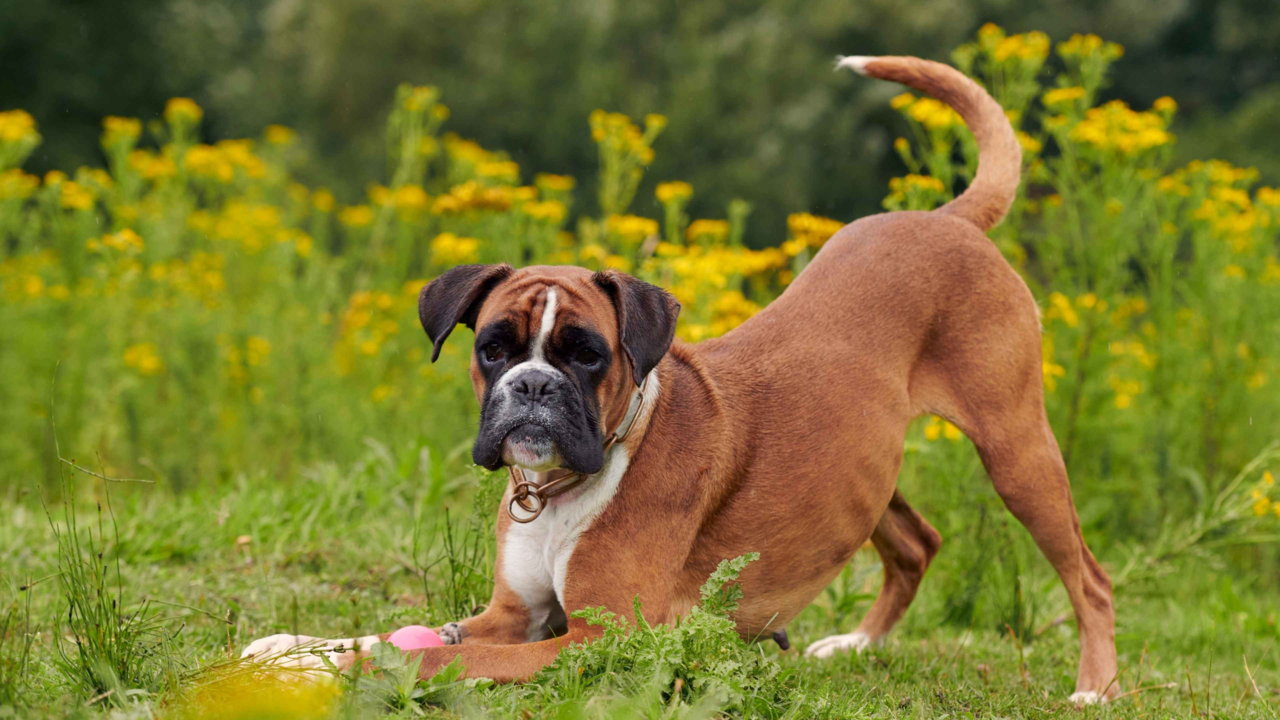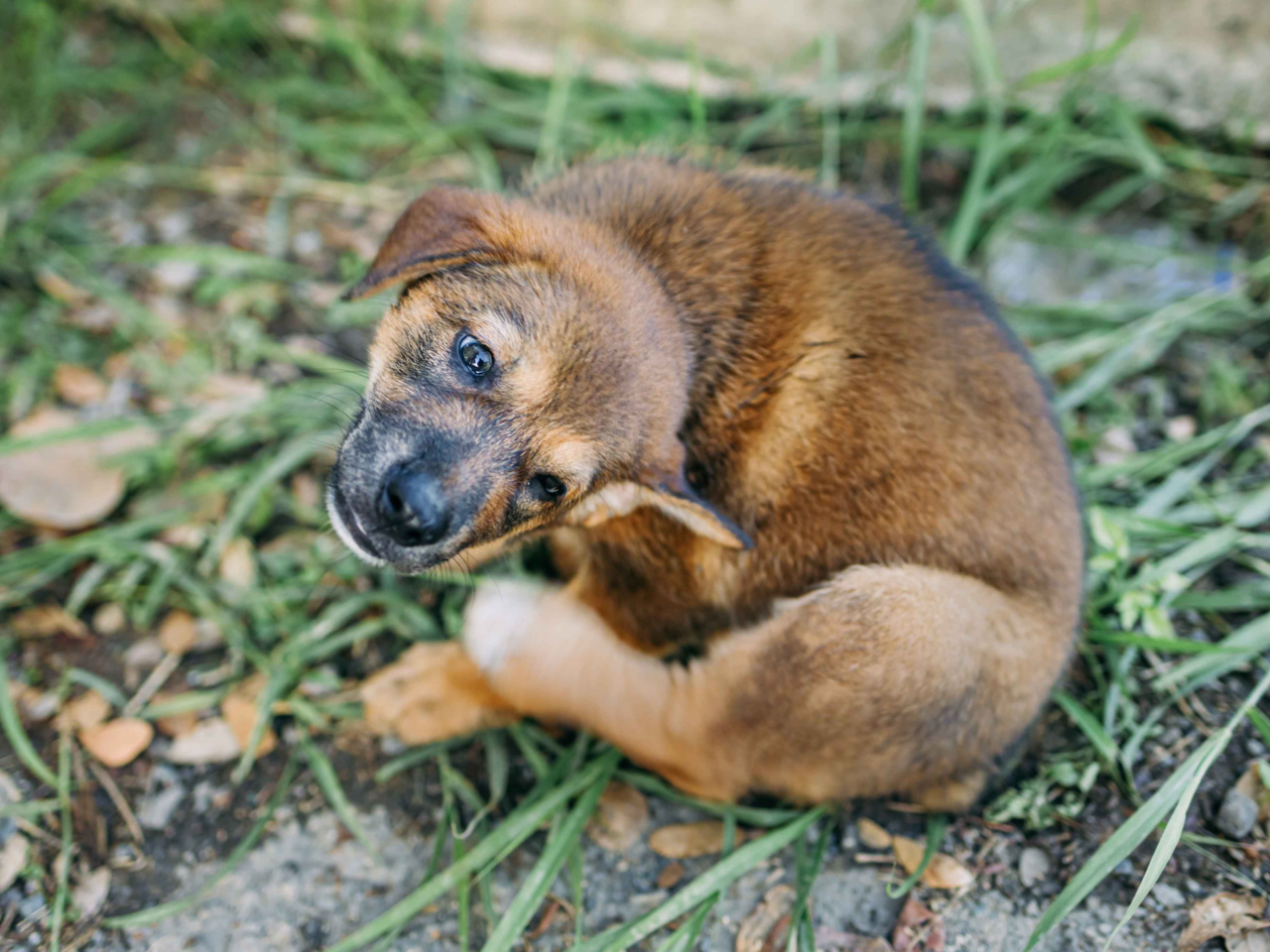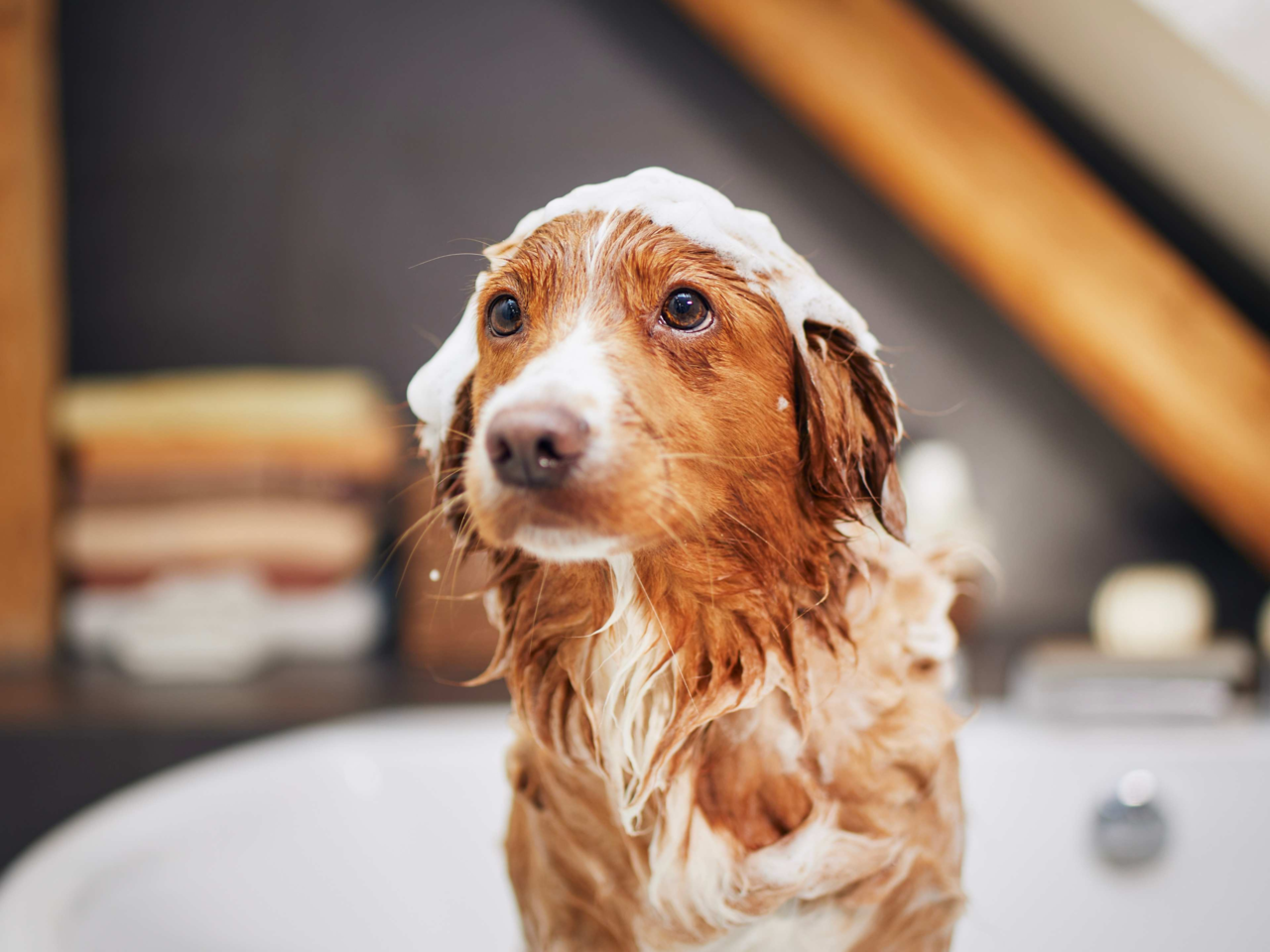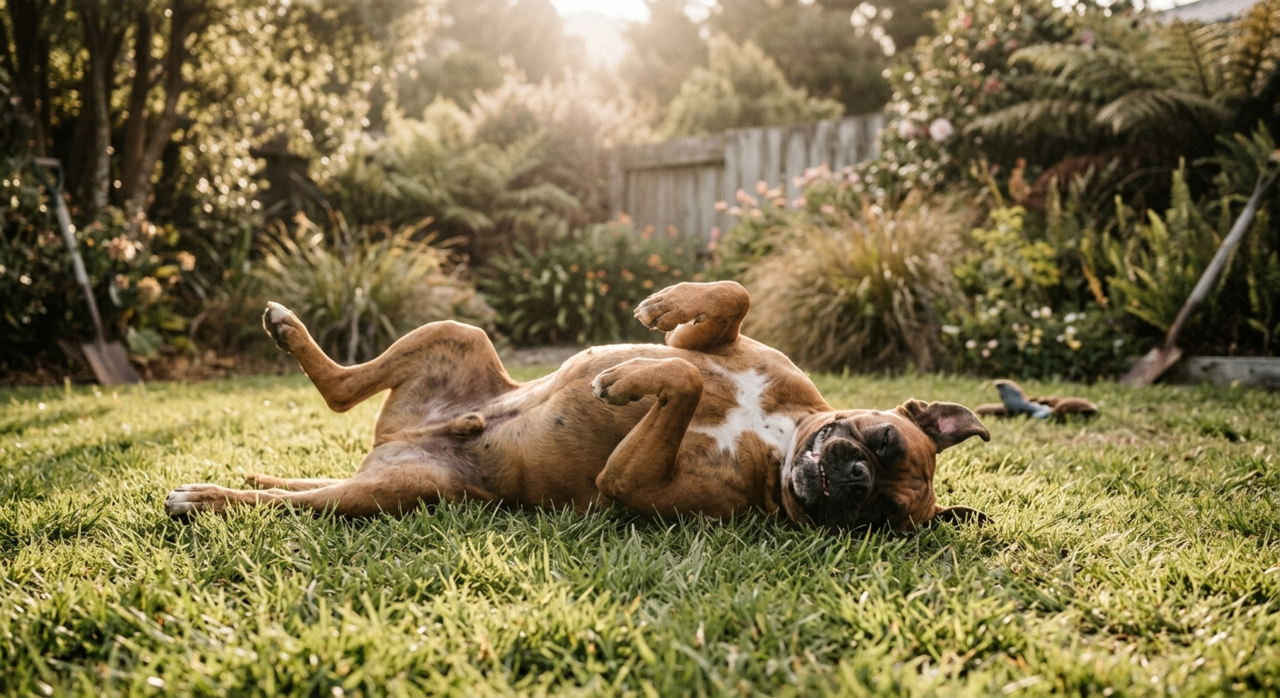
Boxers are one of the most allergy-prone breeds out there, so if your Boxer seems to spend half their day scratching, chewing or rubbing themselves on the carpet, you're not imagining it. Their short, smooth coat means owners notice every red patch and scratch episode, and the fact is they're more likely than most breeds to develop sensitive or itchy skin.
This guide walks through why Boxers are prone to scratching, what's usually behind it, and the foods, shampoos and supplements that may help. We're not a clinic, so this is a starting point. If your dog seems uncomfortable or things aren't improving, your clinic is the best next stop.
Quick answer
Boxers scratch a lot most often because of allergies (environmental or food), atopic dermatitis or sensitive skin. Their short coat shows everything, so even mild irritation can look dramatic. The most useful starting points are a sensitive-skin-friendly diet, a soothing oatmeal or manuka shampoo, omega-rich supplements, year-round flea protection, and a chat with your clinic if scratching is constant or you're seeing red, raw or broken skin.
Why Boxers Are More Prone to Itchy Skin
A few things stack up to make Boxers one of the itchier breeds:
- They're genetically prone to atopic dermatitis (an inflammatory skin response to environmental triggers like pollen, dust mites or grass)
- Food sensitivities and allergies are commonly seen in the breed
- Their short, single-layer coat doesn't shield the skin from irritants the way a thicker double coat does
- Floppy ears trap moisture and warmth, making ear irritation common alongside skin issues
- Their tendency to slobber and lick can spread irritation across paws and belly
None of this means a Boxer is destined to be itchy all the time. With the right food, skin care routine and flea protection, plenty of Boxers live very comfortably in their own skin.
Common Causes of Scratching in Boxers
Environmental allergies
Pollen, grass, dust mites and mould are common triggers. Often shows up as itchy paws, belly, armpits or face, especially in spring and summer.
Food sensitivities
Common protein triggers include chicken, beef and dairy. A switch to a sensitive-skin diet or a single-protein novel food often helps when food is the cause.
Atopic dermatitis
An inflammatory skin condition Boxers are known to be prone to. It can flare up seasonally or year-round and usually needs a combination of diet, topical care and clinic guidance.
Fleas and parasites
Even one flea bite can set off a severe reaction in a sensitive Boxer. Year-round flea protection is non-negotiable for this breed.
Dry skin
Dry winter air, over-bathing or low-quality shampoo can leave Boxer skin dry and itchy. Soothing shampoos and omega oils help restore skin barrier.
Ear irritation
Floppy ears trap moisture and yeast can build up. Head shaking, scratching at ears, or redness inside the ear is worth getting checked.
Hot spots
A small irritation can turn into a raw, weepy patch quickly when a Boxer keeps licking or chewing it. Hot spots often need clinic-level care to settle.
Contact irritation
New cleaning products, lawn fertilisers, garden mulch or even a new bed fabric can sometimes trigger itchy paws or belly in sensitive Boxers.
Stress or boredom
Boxers are an active breed and can lick or chew themselves out of boredom or anxiety. Worth ruling out alongside the physical causes.
Foods That Suit Boxers With Itchy Skin
Diet is one of the most useful levers for itchy Boxers, especially when food sensitivities are part of the picture. Look for sensitive-skin formulations, novel proteins, or skin-and-coat-focused diets. Always transition slowly over 7 to 10 days.
Soothing Shampoos for Itchy Boxers
Boxer skin tends to do best with gentle, oatmeal-based or natural plant-based shampoos. Avoid harsh detergent shampoos and don't bath too often (every 4 to 6 weeks is plenty for most).
Skin Supplements That May Help
Omega-rich oils and skin-focused supplements support the skin barrier and coat from the inside out. Often a useful piece of an itchy-Boxer plan, alongside diet and topical care.
Year-Round Flea Protection
Allergy-prone Boxers can react dramatically to even a single flea bite. Stay on top of monthly or quarterly flea protection year-round, not just in summer.
A Simple Daily Skin Care Routine
You don't need to do everything every day. A loose routine that mostly looks like this works for most itchy Boxers:
- Wipe paws and belly with a damp cloth or pet wipe after walks (especially in spring and summer)
- Brush gently 2 to 3 times a week to spread skin oils and pick up debris
- Bath with a soothing shampoo every 4 to 6 weeks (or as advised by your clinic)
- Add an omega-rich supplement to their daily food
- Stay year-round with flea protection
- Vacuum and wash their bedding regularly to reduce dust mites and pollen build-up
- Note when scratching is worst (after walks, certain rooms, certain seasons) so you can spot patterns
When to Get a Clinic Check
Worth contacting your clinic if you notice:
- Constant scratching that's affecting sleep or daily life
- Red, raw, broken or weepy skin
- Hot spots developing or spreading
- Hair loss in patches
- Crusting, scaling or unusual odour
- Head shaking, ear scratching or smelly ears
- Self-trauma from chewing or licking the same spot
- Scratching that hasn't improved after 4 to 6 weeks of diet and skincare changes
The earlier you get a check, the less likely an itchy patch is to spiral into something bigger.
Frequently Asked Questions
Why is my Boxer so itchy?
Boxers are genetically prone to allergies and sensitive skin. Common reasons include environmental allergies (pollen, grass, dust mites), food sensitivities, atopic dermatitis, flea reactions or dry skin. The right combination of diet, topical care and flea protection helps most.
What is the best food for a Boxer with itchy skin?
Sensitive-skin formulas designed for medium and large breeds work well, like Pro Plan Sensitive Skin & Stomach Medium & Large or Hill's Sensitive Stomach & Skin. If food allergies are involved, a novel-protein diet (kangaroo, fish) like Addiction Wild Kangaroo or GO! Solutions Skin + Coat Salmon can help. Always transition slowly over 7 to 10 days.
How often should I bath my Boxer?
Every 4 to 6 weeks is plenty for most Boxers. Over-bathing can dry out their already-sensitive skin. Use a soothing oatmeal or manuka-based shampoo and rinse thoroughly.
Are Boxers prone to allergies?
Yes, Boxers are one of the breeds most commonly affected by environmental and food allergies. Atopic dermatitis is also a recognised concern in the breed. Year-round flea protection and a sensitive-skin diet are good preventative starting points.
What does atopic dermatitis look like in a Boxer?
Often shows up as itchy paws, belly, armpits, face or ears, with red or thickened skin in those areas. It can flare seasonally (spring and summer) or year-round. Atopic dermatitis usually needs clinic guidance to manage well.
Can fleas cause severe scratching even if I don't see them?
Yes, especially in allergy-prone Boxers. A flea-allergic dog can react dramatically to a single bite, and adult fleas spend most of their time off the dog (in bedding, carpet). Year-round flea protection is the safest approach.
Will fish oil help my Boxer's itchy skin?
Often yes. Omega-3 oils like flax seed, hemp or salmon oil support the skin barrier and can be a useful piece of an itchy-skin plan. Best paired with a good diet and topical care, not used on its own.
What if nothing seems to help?
If you've trialled diet, topical and supplement changes for 4 to 6 weeks without improvement, your clinic is the best next stop. Persistent itching usually has a cause that's worth identifying so the right plan can be put in place.
Skin and Coat Support for Boxers
Find sensitive-skin foods, soothing shampoos, omega supplements and year-round flea protection for your Boxer. Save with Autodeliver and enjoy everyday member pricing with Pet Perks.
SHOP DOG SKIN CARE