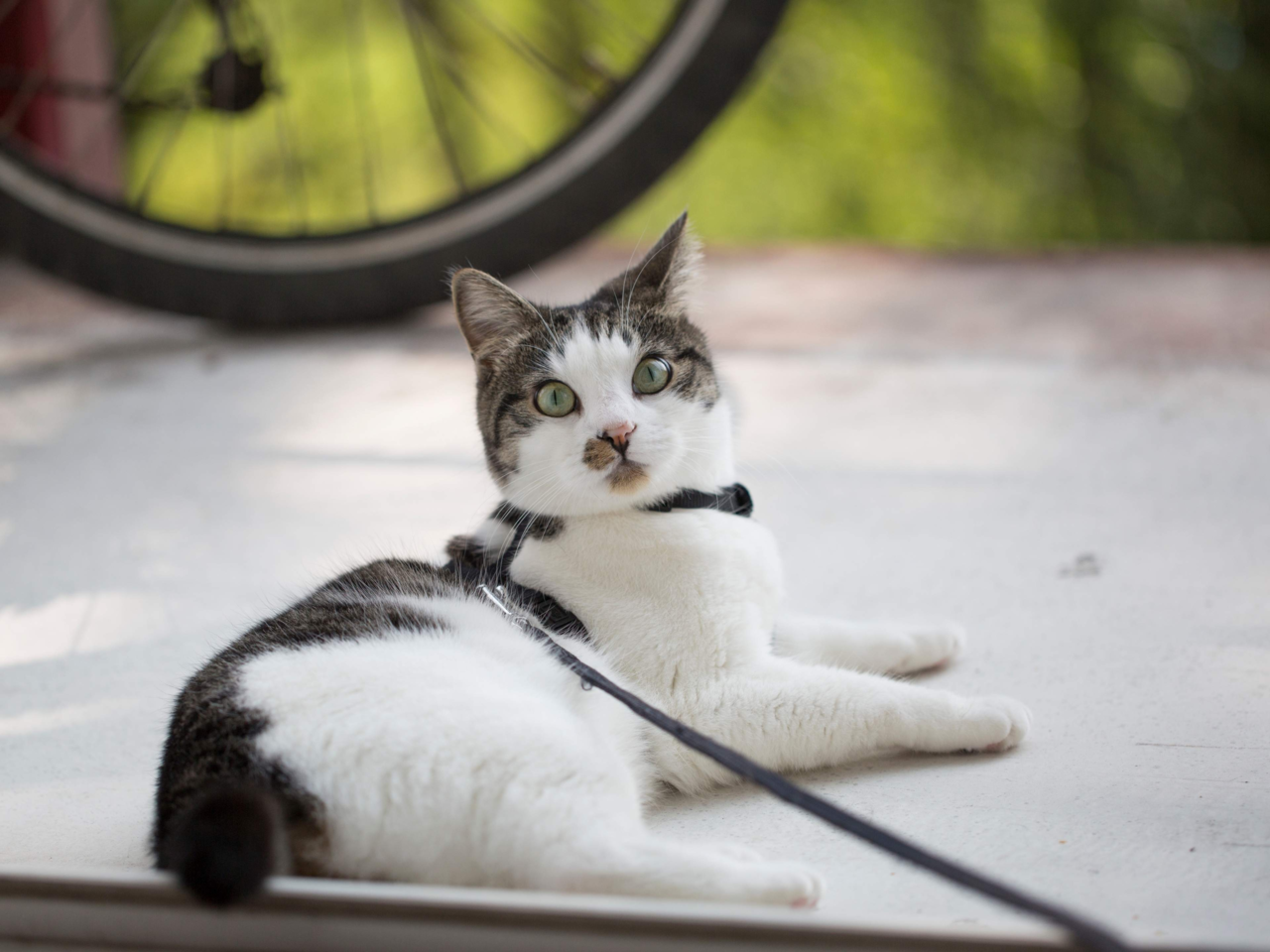
Ever wondered if cats can enjoy walks like dogs do? The answer might just surprise you. More Kiwi cat parents are discovering the joys—and benefits—of walking their cat with the help of a harness. Whether you’re in the city, suburbs, or countryside, teaching your feline friend to enjoy safe outdoor adventures can enrich their world while keeping them secure. In this blog, we explore if walking your cat is right for you, how to start harness training, and the gear you’ll need to make it fun and safe for both of you.
Why Consider Walking Your Cat?
While New Zealand cats enjoy the freedom of the backyard or windowsill sunbaths, a harness walk can add a whole new level of enrichment. There are plenty of reasons to consider leash training your cat:
- Safe outdoor exploration: Great for cats who live in apartments or near busy roads.
- Mental stimulation: New sights, smells, and sounds help keep curious cats engaged.
- Physical activity: A gentle walk outside helps support healthy weight and joint health.
- Stress relief: Burn off some of that zoomie energy in a calm and controlled way.
At Petdirect, we know every cat is unique. That’s why we're all about choice, guidance and helping pet parents make informed decisions. We Get Pet, which means we’re here to support whatever lifestyle suits your feline best—whether they’re indoor snoozers or would-be adventurers.
Is Your Cat Suited To Harness Training?
Not every cat will take to a harness, but many can with the right approach. Age is less of a factor than temperament. Confident, curious, and easygoing cats tend to adapt the quickest. Timid or older cats may need more time and patience—but it’s possible. Here are some signs your cat may enjoy harness walks:
- They sit by the door or windows, watching the outdoors
- They enjoy new experiences and are naturally adventurous
- They don’t mind being handled or wearing gear (like jumpers or collars)
Remember, harness training is not about forcing your cat—it’s about introducing a new experience that’s safe and rewarding. Treats, encouragement, and letting your kitty set the pace are the keys to success.
Steps To Start Harness Training Your Cat
Harness training a cat takes time and patience. Here's a simple step-by-step process to help you get started:
- Choose the right harness: Use a cat-specific design that’s snug but comfy. Browse our range of cat harnesses and leads to find one that suits your feline’s size and style.
- Introduce it indoors: Let your cat sniff and explore the harness. Then try short wear sessions with treats and play.
- Practice with the lead: Once the harness is on comfortably, attach the lead and let your cat lead the way inside the house.
- Move it outdoors: Begin in a quiet, enclosed area like a backyard. Always supervise closely.
- Go at their pace: Some cats are born wanderers, others need weeks of encouragement. Let them set the rhythm.
For anxious or easily spooked cats, you might find support in calming supplements or pheromone products to make the transition more comfortable.
Gear Up: What You’ll Need For Safe Cat Walks
Being well-prepared makes all the difference when exploring the great Kiwi outdoors with your cat. Here's what you’ll need:
- Harness and lead: As mentioned, opt for a secure and adjustable fit made specifically for cats.
- Portable water source: Especially important in warmer months. Check out our hydration essentials for options.
- ID tags: Always ensure your cat is microchipped and consider an ID tag with your contact details.
- Treats: High-value cat treats work wonders for encouragement and positive reinforcement.
- Carrier or backpack: A cat carrier gives you a backup place for your cat to retreat if they feel overwhelmed.
When Harness Training Might Not Be The Right Fit
As much as we’d love every cat to enjoy the great outdoors, some simply prefer the comforts of home. Cats with chronic anxiety, mobility challenges, or sensory sensitivities may not be ideal candidates. For those cats, provide plenty of enrichment indoors like interactive toys, window perches, and cat scratchers.
If your cat is displaying stressed or unusual behaviour while training (like hiding, hissing, or freezing), take a break and reassess. There’s no shame in deciding it’s not for your pet. At the end of the day, we’re here to make life more joyful for your cat—not stressful.
Final Thoughts: Should You Walk Your Cat?
The idea of walking your cat might feel a bit out there—but for many Kiwi cats, it opens up a brand-new world of smells, enrichment and bonding with their favourite human. Just like all new adventures, it requires time, patience, and the right gear. Whether your feline becomes a fearless explorer or prefers keeping their paws indoors, Petdirect is here to support your journey with expert advice and the best products to match.
Explore our full range of cat accessories or join our Pet Perks programme for savings, tips and rewards. After all, when it comes to feline fun and freedom, We Get Pet.