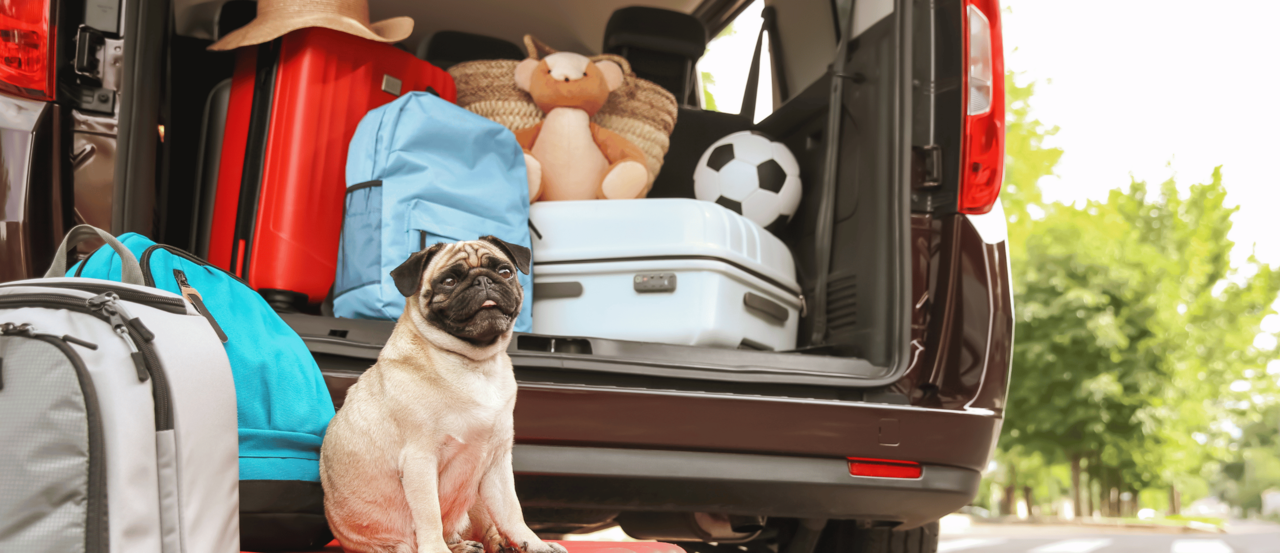
Whether it is a short trip to the vet, a weekend away, or a longer drive across the country, how you travel with your pet makes a real difference to their safety and comfort. An unrestrained pet in the car is not just at risk in a crash. They can distract the driver, escape through an open door, or injure themselves in a sudden stop.
The good news is that getting travel safety sorted is simple once you know what to look for. This guide covers the essential safety tips for travelling with dogs and cats in New Zealand, from choosing the right carrier or harness to keeping your pet calm on the road.
Why Pet Travel Safety Matters
An unrestrained dog or cat in a moving vehicle is a risk to everyone. Here is why it is worth taking the time to travel safely.
Protection in a crash
In a sudden stop or collision, an unrestrained pet becomes a projectile. Even at low speeds, the force can cause serious injury to your pet and to anyone else in the car. A proper restraint keeps them safe and secure.
Fewer distractions
A pet climbing around, jumping onto your lap, or barking at the windscreen is a real distraction. Keeping them restrained lets you focus on the road.
Escape prevention
Panicked pets can bolt from an open door, especially after an accident or at a busy rest stop. A carrier, crate, or harness makes sure they stay put until you are ready to let them out.
Under the New Zealand Road Code, drivers are expected to ensure pets do not distract them or create a hazard. While there is no specific law requiring pets to be restrained in cars, it is widely considered best practice.
Car Safety Essentials for Dogs
There are three main ways to keep your dog safe in the car. The best option depends on your dog's size, personality, and how much room you have.
Seatbelt harnesses and tethers
A seatbelt harness clips into your car's seatbelt system and keeps your dog secure on the back seat. This is one of the most common options for medium and large dogs. Brands like EzyDog and Kurgo offer quality options designed specifically for car safety.
Booster seats
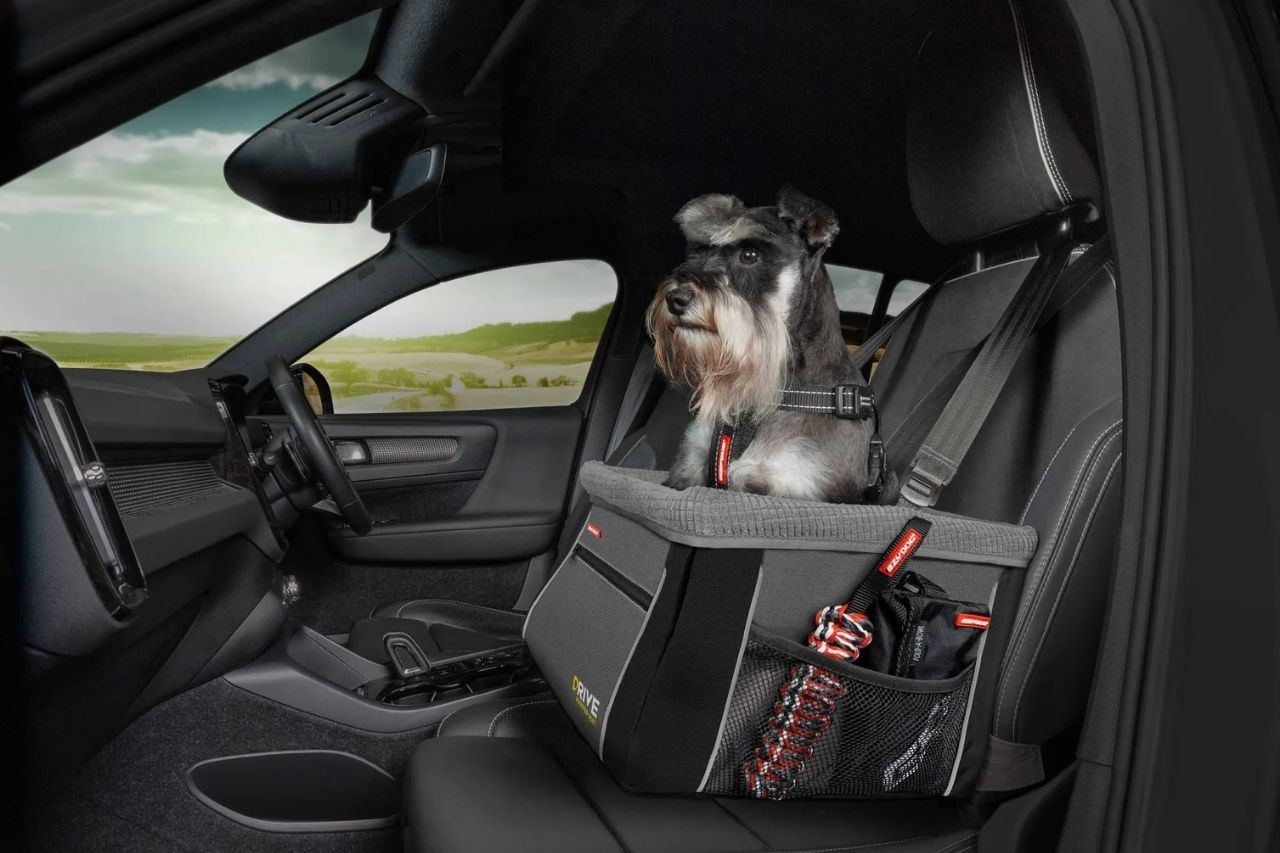
Booster seats are ideal for small dogs. They sit on the back seat and give your dog a comfortable, elevated spot to see out while keeping them safely restrained. The PetSafe Happy Ride and EzyDog Drive are both popular choices.
Crates
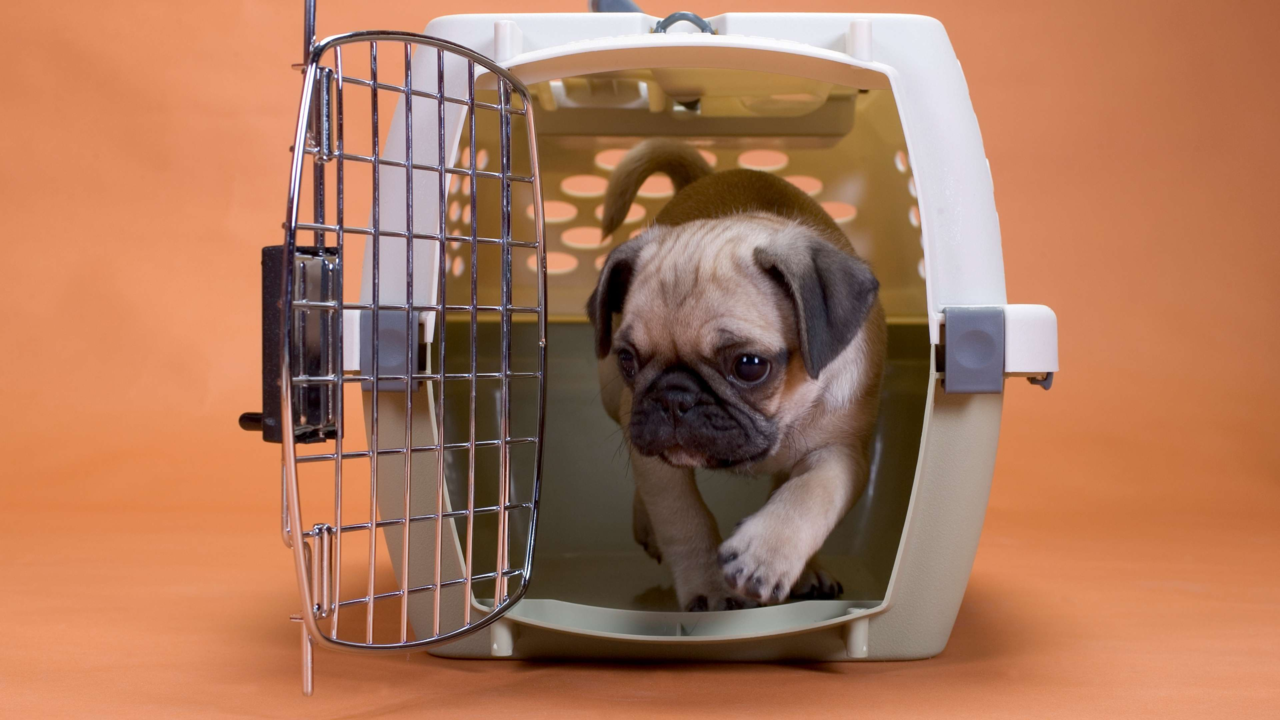
For larger dogs or longer trips, a crate in the boot or back of a station wagon or SUV is a great option. It gives your dog a familiar, contained space and keeps them safe if you need to brake sharply. Yours Droolly offer sturdy dog crates.
Seat covers and hammocks
A seat cover or hammock keeps your car clean and gives your dog a bit of grip and comfort. A hammock-style cover also helps prevent dogs from sliding off the back seat during sudden stops.
Car Safety Essentials for Cats
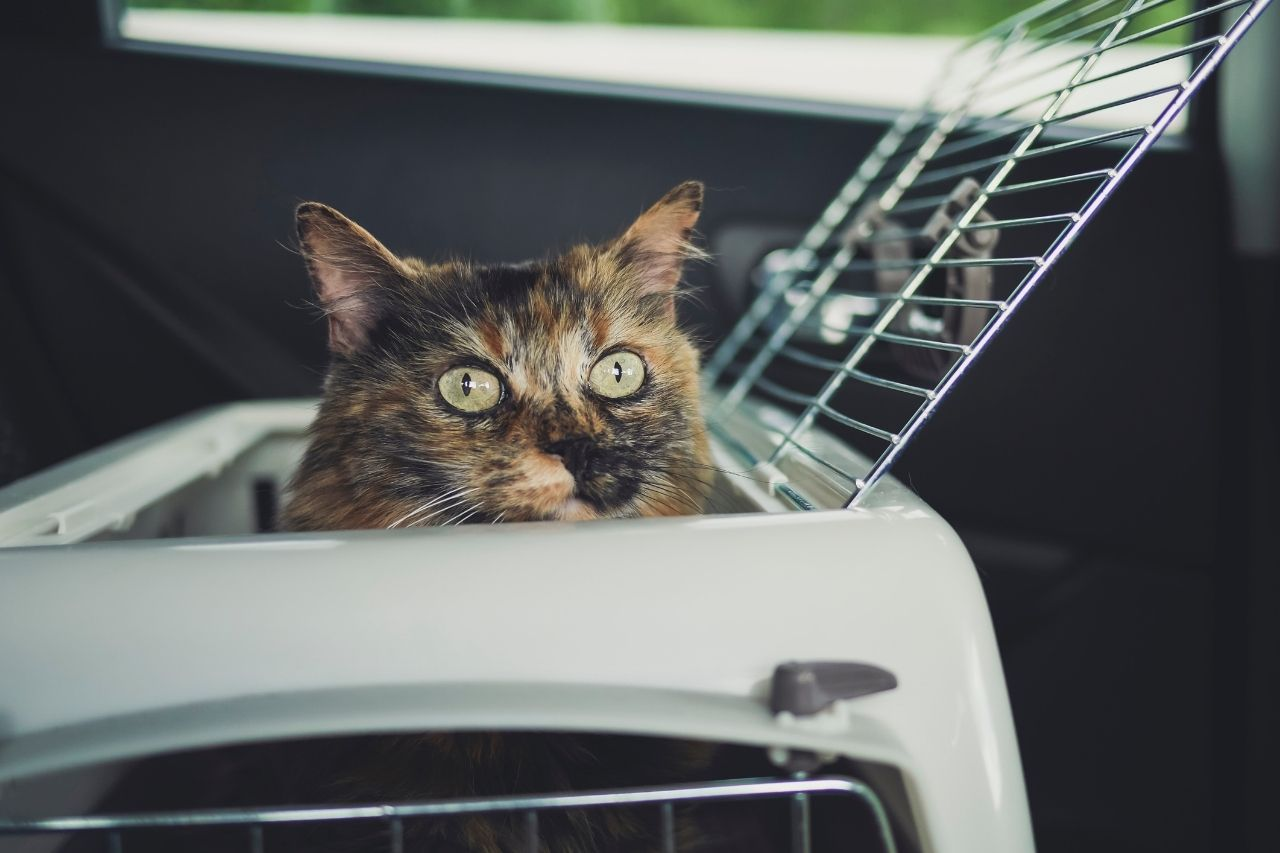
Cats almost always travel best inside a carrier. Unlike dogs, they are rarely relaxed in an open car and can easily hide under seats or dart out of open doors. A good carrier keeps them safe and contained.
Choose the right carrier
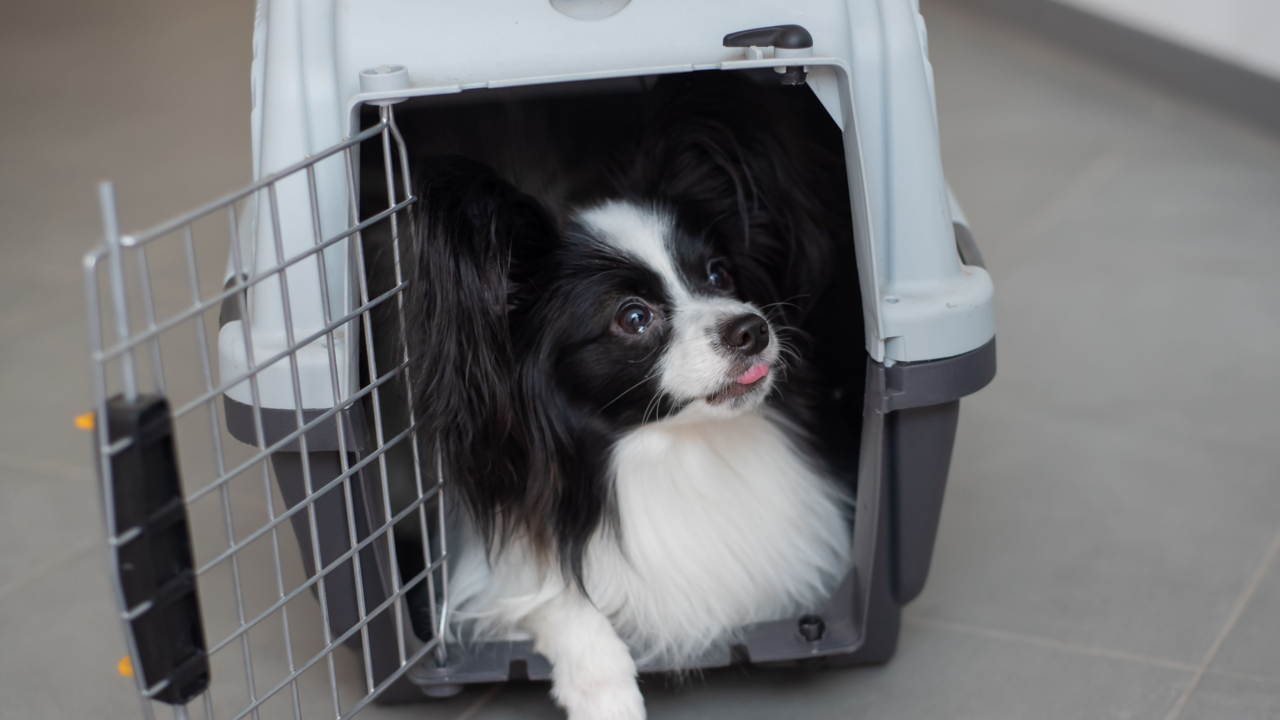
Look for a carrier that is sturdy, well-ventilated, and big enough for your cat to stand up and turn around in. Top-opening carriers are often easier for getting a reluctant cat in and out. Petmode and M-PETS both offer good options.
Secure the carrier
Place the carrier on the back seat and secure it with the seatbelt. A carrier that slides around or tips over can be very stressful for your cat and can cause injury in a sudden stop.
Familiarise your cat with the carrier
Many cats only ever see the carrier when they are going to the vet, which means it becomes associated with stress. Leaving the carrier out at home with a blanket inside lets your cat explore and relax in it on their own terms.
Keeping Your Pet Calm on the Road
Travel stress affects dogs and cats differently, but both can benefit from a bit of help staying calm. For anxious pets, a combination of preparation and calming products can make the trip much easier.
Start with short trips
If your pet is not used to the car, start with very short drives (5 to 10 minutes) to somewhere pleasant like a park. Gradually build up to longer trips. This helps break the association between the car and stressful destinations.
Pheromone sprays and diffusers
Adaptil for dogs and Feliway for cats release calming pheromones that can help reduce travel anxiety. Spray into the carrier or car about 15 minutes before the trip.
Calming coats and collars
A ThunderShirt applies gentle, consistent pressure that can help anxious dogs feel more secure. Adaptil collars provide steady pheromone release throughout the journey.
Bring familiar items
A blanket that smells like home, a favourite toy, or a recently worn t-shirt can all help your pet feel more settled. The familiar scent is reassuring in an unfamiliar environment.
If your pet gets particularly anxious in the car or shows signs of motion sickness (drooling, vomiting, or excessive panting), it is worth chatting with your vet. They can advise on options to help make travel more comfortable.
Before You Set Off: A Safety Checklist
Microchip and ID tag
Make sure your pet's microchip details are up to date and that they are wearing a collar with an ID tag including your phone number. If they get loose during a stop, this is their fastest ticket home.
Food, water, and bowls
Bring their regular food (sudden changes can upset sensitive stomachs), a water bottle, and collapsible bowls. Never leave pet food in direct sunlight in a hot car.
Waste bags and litter
For dogs, pack plenty of waste bags. For cats on longer trips, a portable litter tray and small bag of litter makes stops much easier.
First aid basics
A small pet first aid kit with bandages, antiseptic wipes, and any regular medication is worth having in the car, especially for longer trips.
Vet contact details
Save your vet's number in your phone and know where the nearest 24-hour vet is on your route. Having this information ready before you need it saves time in an emergency.
Plan your stops
Dogs typically need a break every 2 to 3 hours for a walk and toilet stop. Cats are usually fine staying in the carrier but may need water offered on longer trips.
Critical Safety Reminders
Never leave pets in a hot car
Even on a mild NZ day, the temperature inside a parked car can climb rapidly. Heatstroke in pets can happen very quickly and can be fatal. If you cannot take your pet with you, leave them at home.
Keep heads inside the car
Letting dogs hang their head out the window might look fun, but it puts them at risk from flying debris, insects, and eye injuries. It also makes ear infections more likely. Keep windows cracked only enough for airflow.
Never transport pets in an open ute tray
Unrestrained dogs on the back of utes are at serious risk of being thrown or jumping off. If a ute is your only option, a secure crate strapped down in the tray is much safer. Always double-check restraint security.
Ventilation matters
Good airflow keeps pets comfortable and reduces the chance of motion sickness. On hot days, use the air conditioning. In carriers, make sure vents are not blocked by blankets or other items.
Watch the temperature
Pets are much more sensitive to heat than people. If you are comfortable in the car, they probably are too. If you need the air con on, so do they. Watch for signs of overheating like heavy panting, drooling, or restlessness.
Feed lightly before travel
A large meal right before a trip can lead to motion sickness or discomfort. Feed your pet 2 to 3 hours before you leave, and bring small snacks or treats for the journey if needed.
Frequently Asked Questions
Do I legally need to restrain my pet in the car in New Zealand?
There is no specific law in NZ requiring pet restraints, but the Road Code requires drivers to ensure their pets are not a distraction or hazard. An unrestrained pet that causes an accident could also lead to insurance issues. Restraining your pet is considered best practice.
Can my dog travel in the front seat?
It is not recommended. Airbags deploy with significant force and can seriously injure or kill a pet. The back seat is much safer for dogs, preferably secured with a seatbelt harness, tether, or crate.
What's the safest way to travel with a cat in the car?
A secure, well-ventilated carrier placed on the back seat and strapped in with the seatbelt is the safest option. Never let a cat loose in the car. They can easily dart under the pedals or escape through an open door.
How often should I stop on a road trip with my dog?
Every 2 to 3 hours is a good rule for most dogs. Use the break for a short walk, a toilet stop, and a drink of water. On hot days, more frequent stops are a good idea.
What can I do if my pet gets motion sick?
Feed them 2 to 3 hours before the trip, keep the car well-ventilated, and avoid winding roads where possible. Starting with short trips can help your pet build up tolerance. If motion sickness is severe or persistent, chat with your vet for options.
Is it safe to leave my dog in the car for 5 minutes while I pop into a shop?
On a warm day, no. The temperature inside a parked car can rise dangerously quickly even with windows cracked. On cool days, brief stops may be okay, but it is always safer to either take your dog with you or leave them at home.
Everything You Need for Safe Pet Travel
From carriers and seatbelt harnesses to calming sprays and seat covers, Petdirect has everything you need to travel safely with your pet. Save with Autodeliver and everyday savings with Pet Perks.
SHOP PET TRAVEL