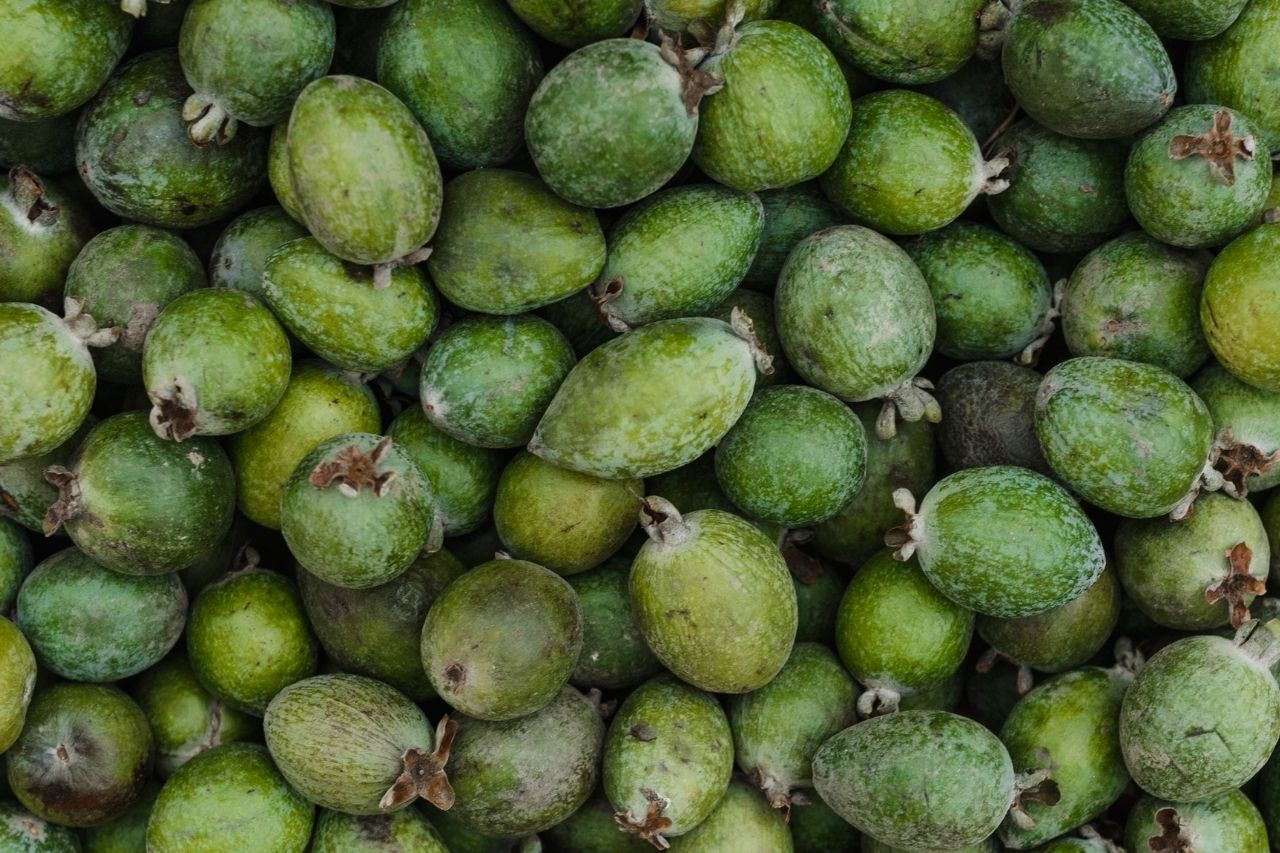
Feijoa season is here, and if you are a NZ pet owner, there is a good chance your backyard is covered in fallen fruit right now. It is a fair question: can your dog or cat safely eat feijoas? The short answer is yes, in small amounts, but there are some important things to know before you let your pet help themselves.
Dogs and Feijoas
Dogs can eat small amounts of ripe feijoa flesh. The fruit is not toxic to dogs, but too much can cause digestive upset due to the high fibre and sugar content.
Cats and Feijoas
Cats are obligate carnivores and get no nutritional benefit from fruit. While feijoa flesh is not considered toxic to cats, most cats will not be interested, and it is best avoided.
The Real Risk
The biggest danger is not the fruit itself. It is fallen, fermenting feijoas in the garden. Rotting fruit produces alcohol, which is toxic to both dogs and cats.
Can Dogs Eat Feijoas?
Yes, dogs can eat a small amount of fresh, ripe feijoa flesh as an occasional treat. Feijoas contain vitamin C, fibre, and antioxidants, which are not harmful to dogs in moderation.
However, feijoas are high in natural sugars and fibre, which means too much can cause:
- Diarrhoea or loose stools
- Vomiting
- Stomach cramps or bloating
- Excessive gas
How to safely give your dog feijoa
- Only offer fresh, ripe feijoa flesh. Cut the fruit in half and scoop out the soft centre.
- Remove the skin. While not toxic, the skin is tough and harder to digest.
- Start with a very small amount (a teaspoon or two) to see how your dog reacts.
- Do not give feijoa to dogs with sensitive stomachs, diabetes, or weight issues, as the sugar content can aggravate these conditions.
- Never let your dog eat fallen, bruised, or fermenting feijoas from the ground.
Can Cats Eat Feijoas?
Cats are obligate carnivores, which means their digestive system is designed to process meat, not fruit. While feijoa flesh is not considered toxic to cats, there is no nutritional benefit to feeding it to them.
Most cats will show no interest in feijoas, but if your cat does nibble on one, a tiny amount of fresh flesh is unlikely to cause harm. That said, it is best to keep feijoas away from cats because:
- The high fibre and sugar content can cause digestive upset
- Cats lack the taste receptors for sweetness, so there is no enjoyment factor
- Any fruit consumption can displace the meat-based nutrition cats actually need
If your cat has eaten a small amount of fresh feijoa and seems fine, there is no need to panic. If they have eaten a large amount or are showing signs of vomiting, diarrhoea, or lethargy, contact your vet.
The Real Danger: Fermenting Feijoas
The biggest risk during feijoa season is not fresh fruit. It is the fallen, rotting feijoas that accumulate under trees in backyards across New Zealand.
When feijoas fall and start to decompose, they ferment and produce ethanol (alcohol). Dogs that eat fermenting fruit can develop alcohol poisoning, which can be serious and even life-threatening.
Signs of alcohol poisoning in dogs
- Wobbling, staggering, or loss of coordination
- Vomiting or drooling
- Disorientation or confusion
- Lethargy or difficulty standing
- Tremors or seizures (in severe cases)
- Slow or laboured breathing
If your dog is showing any of these signs after being in the garden during feijoa season, contact your vet or the NZ Pet Poison Helpline immediately. Alcohol poisoning can escalate quickly and requires urgent veterinary attention.
Cats are less likely to eat fallen fruit, but the same risk applies. Keep cats away from areas with rotting fruit on the ground.
How to Keep Your Pets Safe During Feijoa Season
Backyard safety tips
- Pick up fallen feijoas daily. This is the single most effective thing you can do to protect your pets.
- Fence off the area under feijoa trees if you cannot keep up with the fallen fruit.
- Supervise your dog in the garden during peak feijoa season (March to June in NZ).
- Compost fallen feijoas in a secure bin your pets cannot access.
- If you share feijoas with neighbours, make sure they know the risks for pets too.
Other Autumn Fruits and Foods to Watch Out For
Feijoas are not the only seasonal risk. Here are other common autumn foods and garden items that NZ pet owners should be aware of:
- Grapes and raisins: highly toxic to dogs, even in small amounts. Can cause kidney failure.
- Avocado: the flesh, skin, pit, and leaves contain persin, which is toxic to dogs and cats.
- Macadamia nuts: toxic to dogs. Can cause vomiting, weakness, tremors, and hyperthermia.
- Citrus fruits: the flesh is generally safe in small amounts, but the peel, seeds, and leaves contain compounds that can cause irritation. See our guide on whether pets can eat citrus fruit.
- Mushrooms: wild mushrooms growing in autumn gardens can be highly toxic. If your dog eats an unknown mushroom, treat it as an emergency.
- Compost bins: decomposing food produces mycotoxins that are dangerous to pets. Keep compost bins securely closed.
For a full list of household and garden dangers, see our guide to common pet poisons in New Zealand.
Safer Treat Alternatives for Your Pets
Instead of sharing feijoas, treat your dog or cat to something made specifically for them. These are healthier, safer, and designed to be nutritionally appropriate.
For Dogs
For Cats
Frequently Asked Questions
Are feijoas toxic to dogs?
No, fresh feijoa flesh is not toxic to dogs. However, too much can cause digestive upset due to the high sugar and fibre content. The real danger is fermenting fallen feijoas, which produce alcohol that is toxic to dogs.
Are feijoas toxic to cats?
Feijoa flesh is not considered toxic to cats, but cats are obligate carnivores and get no nutritional benefit from fruit. It is best to avoid feeding feijoas to cats.
My dog ate a rotten feijoa. What should I do?
Watch for signs of alcohol poisoning: wobbling, vomiting, disorientation, lethargy, or tremors. If your dog shows any of these signs, contact your vet immediately. If they ate just one slightly overripe fruit and seem fine, monitor them closely for the next few hours.
How many feijoas can a dog eat?
If you want to share fresh feijoa with your dog, keep it to a teaspoon or two of the soft flesh as an occasional treat. Do not make it a regular part of their diet.
Can feijoa skin make my dog sick?
Feijoa skin is not toxic, but it is tough and fibrous, which can be difficult for dogs to digest. It is best to scoop out the soft flesh and discard the skin.
What fruits are safe for dogs in NZ?
In small amounts, dogs can safely eat apple (without seeds), banana, blueberries, watermelon (without seeds or rind), and fresh feijoa flesh. Always introduce new foods gradually and in moderation. See our full guide to safe human foods for dogs.
Treat Your Pet to Something Made for Them
Skip the feijoas and treat your dog or cat to something designed for their nutritional needs. Earn Airpoints Dollars on every purchase with Pet Perks, plus enjoy free shipping on orders over $79.
SHOP PET TREATS