Dog Breed
Papillon
Friendliness
Exercise Needs
Health Issues
Barking Tendencies
Grooming Needs
Shedding Level
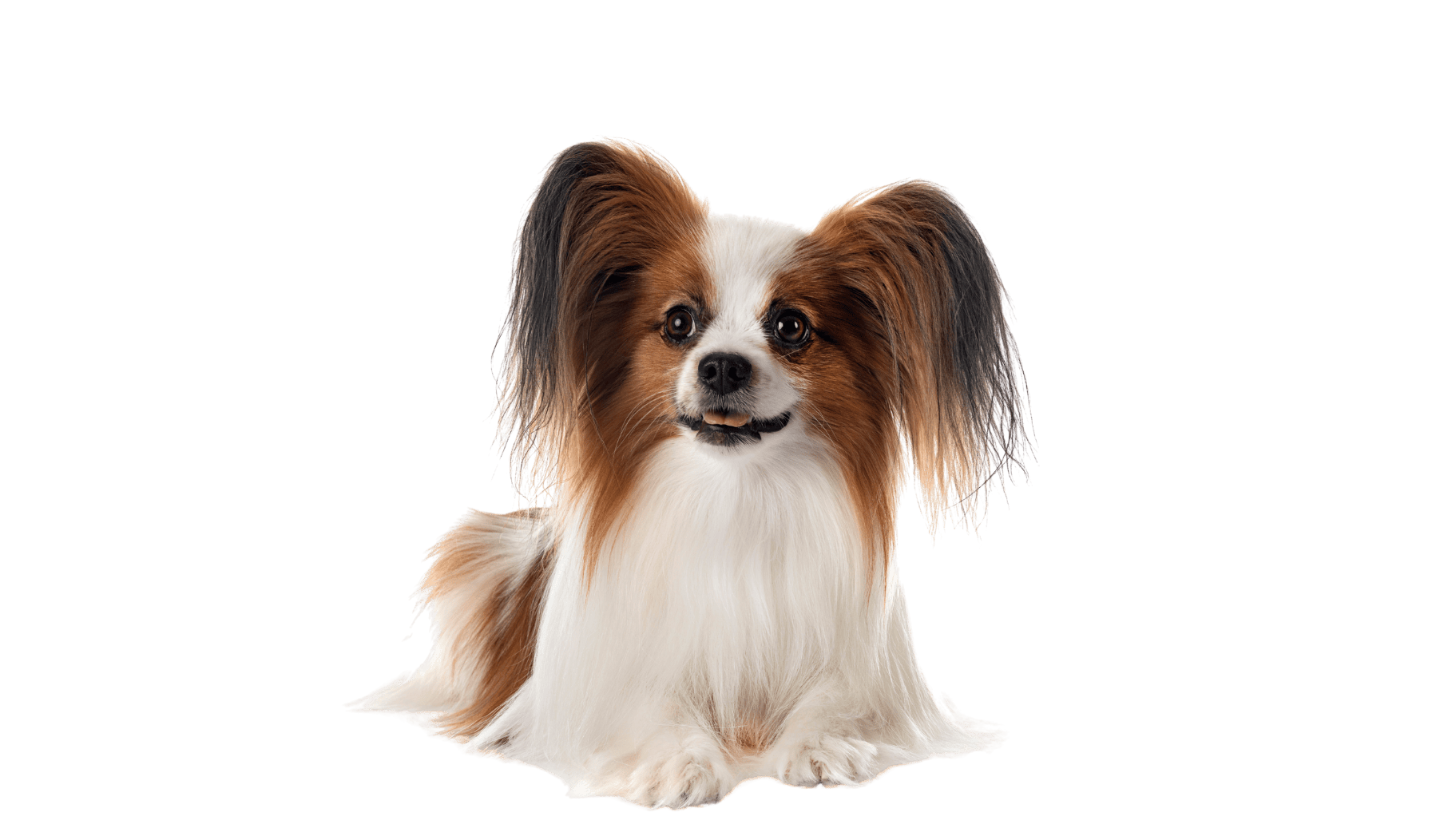
Tiny but mighty
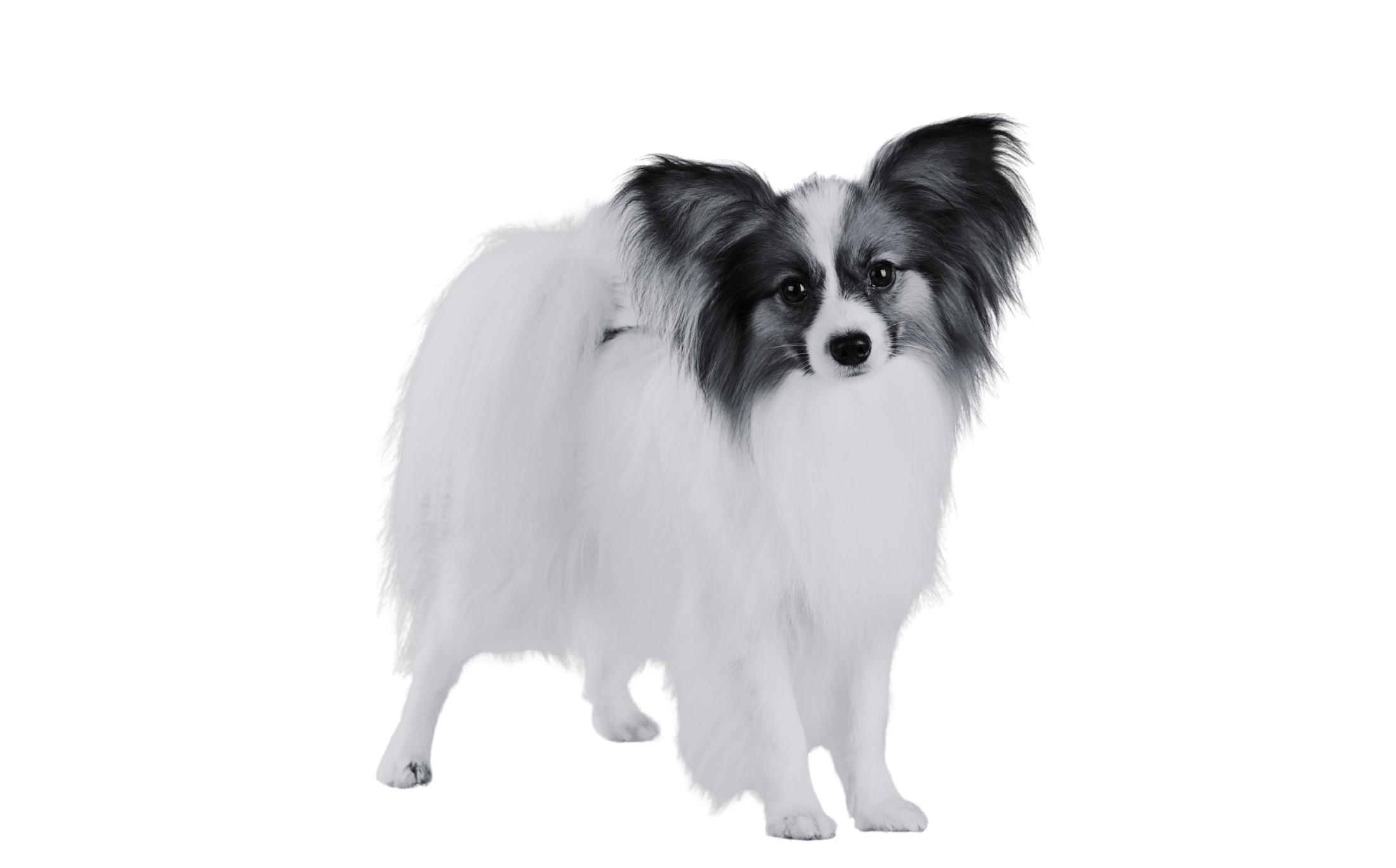
Small in size but big in personality, Papillons are lively, confident dogs with plenty of energy. Named after their distinctive butterfly-shaped ears, they’re known for their alert expression and elegant appearance.
Papillons are affectionate and social, forming strong bonds with their people. They enjoy being involved in daily life and thrive in homes where they get plenty of attention, play, and mental stimulation.
Caring for your Papillon
Nutrition
Choosing the right food
Every dog is unique. From small companions to large, active breeds with different nutritional needs. ROYAL CANIN® Size Health Nutrition is designed to support dogs based on their size and life stage, helping maintain overall health, vitality and wellbeing. These formulas use carefully selected protein sources, targeted nutrients and tailored kibble to support digestion, energy levels, and bone and joint health across small, medium and large dogs.
Exercising your dog
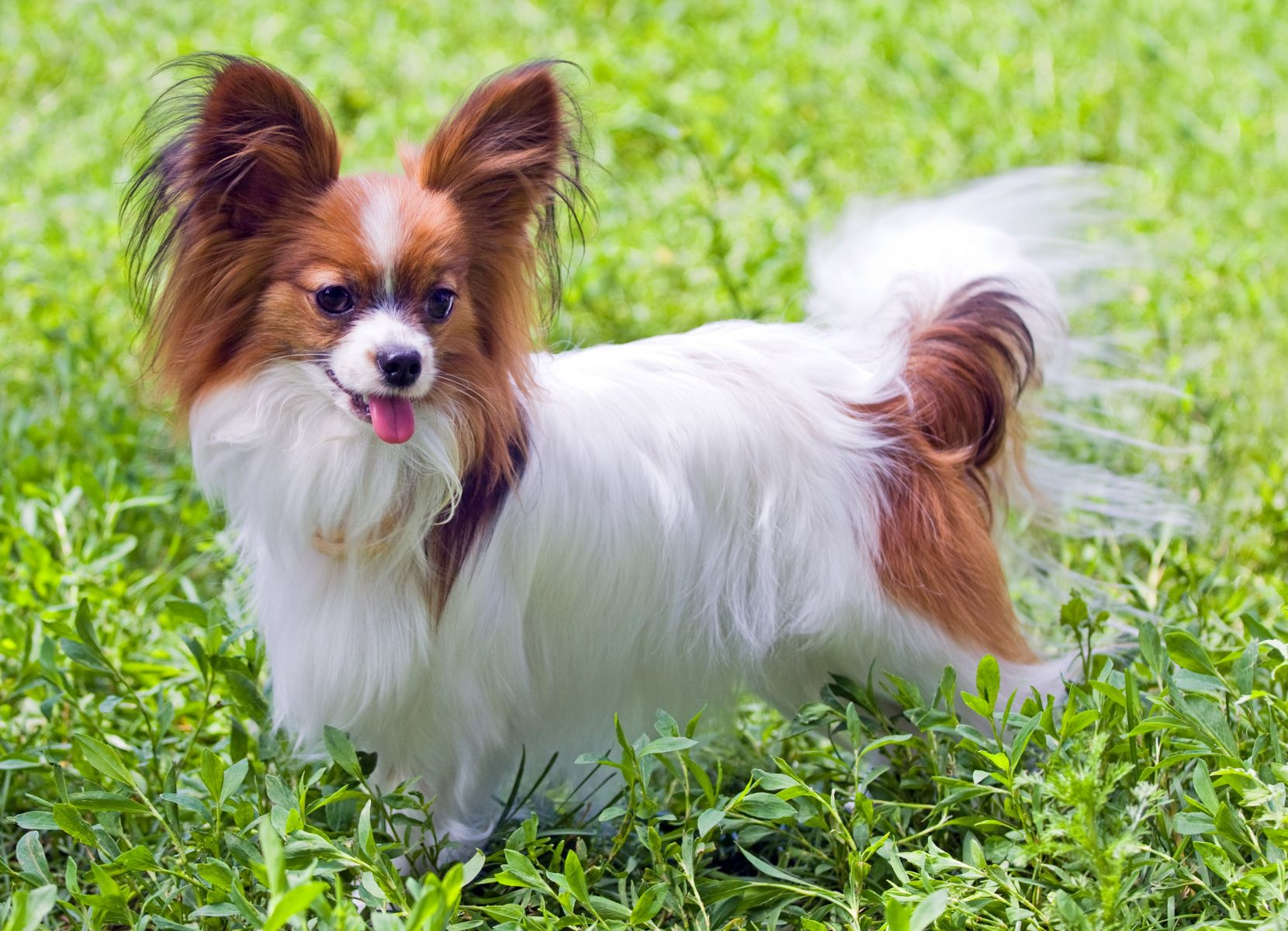
Papillons are active little dogs that need regular exercise to stay happy and healthy. Daily walks combined with playtime are usually enough to meet their needs.
They especially enjoy games like fetch and chasing toys, which give them both physical and mental stimulation. Interactive play keeps them engaged and prevents boredom.
Because of their small size, it’s important to keep them in secure areas. Papillons can easily get into trouble if they wander off chasing something interesting.
Training your Papillon
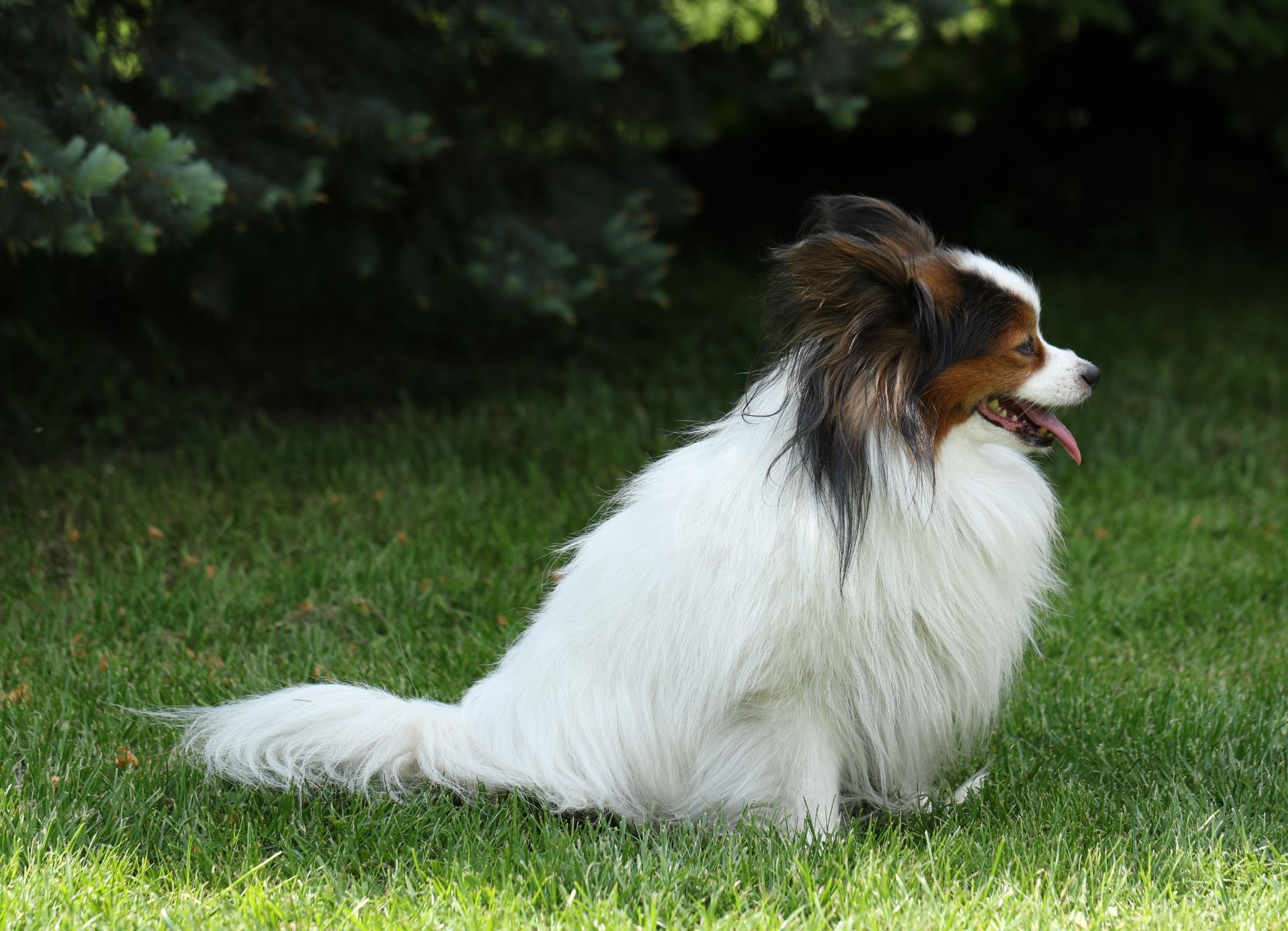
Papillons are intelligent and eager to learn, which makes them highly trainable. They often pick up commands quickly and enjoy learning new tricks.
Early socialisation and obedience training help build a confident, well-mannered dog. Exposure to different people, pets, and environments is important.
Positive reinforcement works best, using treats, praise, and consistency. Short, engaging sessions keep them focused and motivated.
Your dog's health
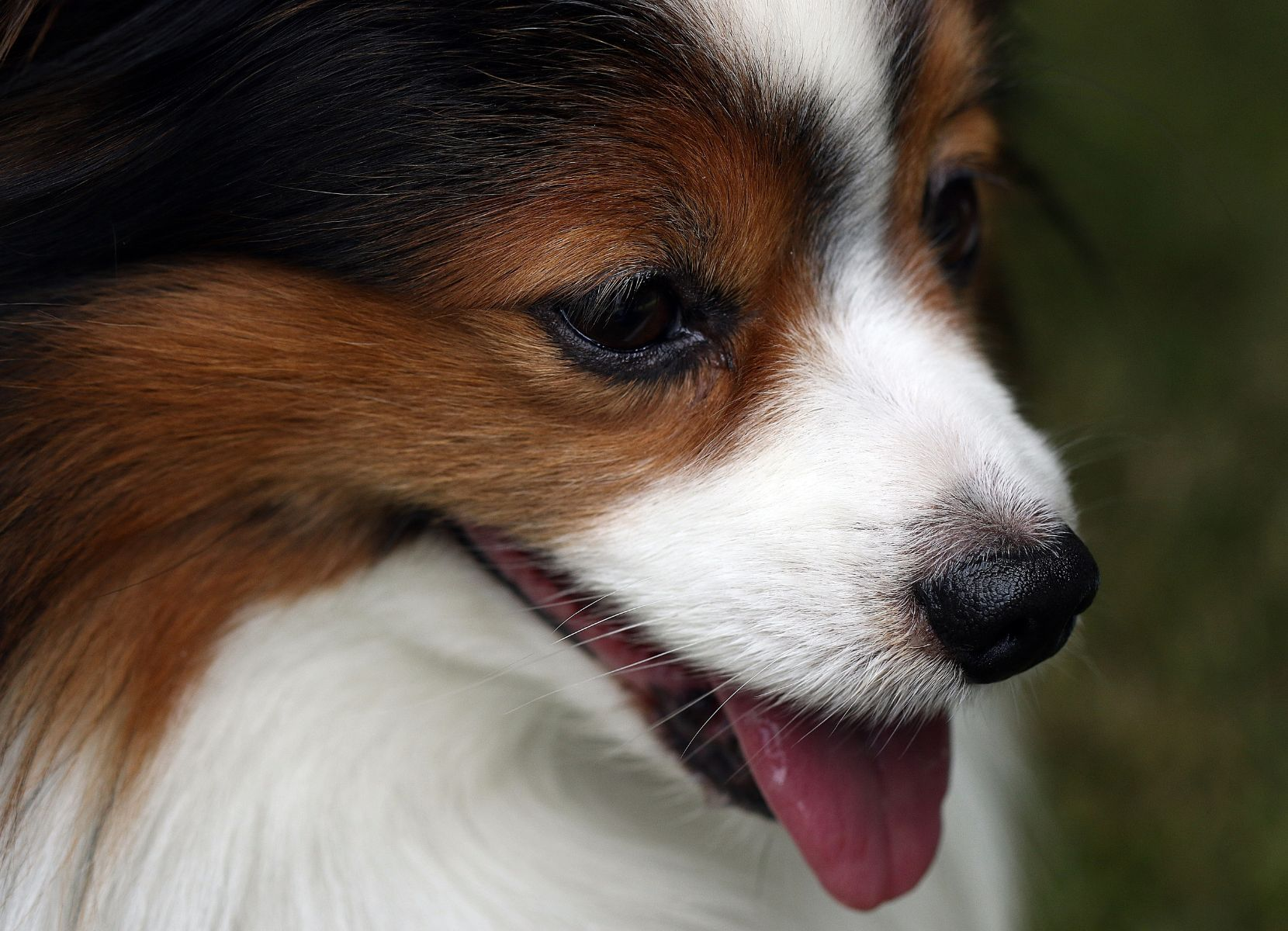
By recognising health problems in Papillons early you can seek advice and treatment from a veterinarian.
Reduce the risk of health problems by purchasing a puppy from a responsible breeder. Always inspect breeding facilities and breeding dogs, and never buy from a distant online seller.
Health Issues to watch out for:
Open Fontanel
Joint Problems
Low Blood Sugar
Eye Issues
Grooming your dog
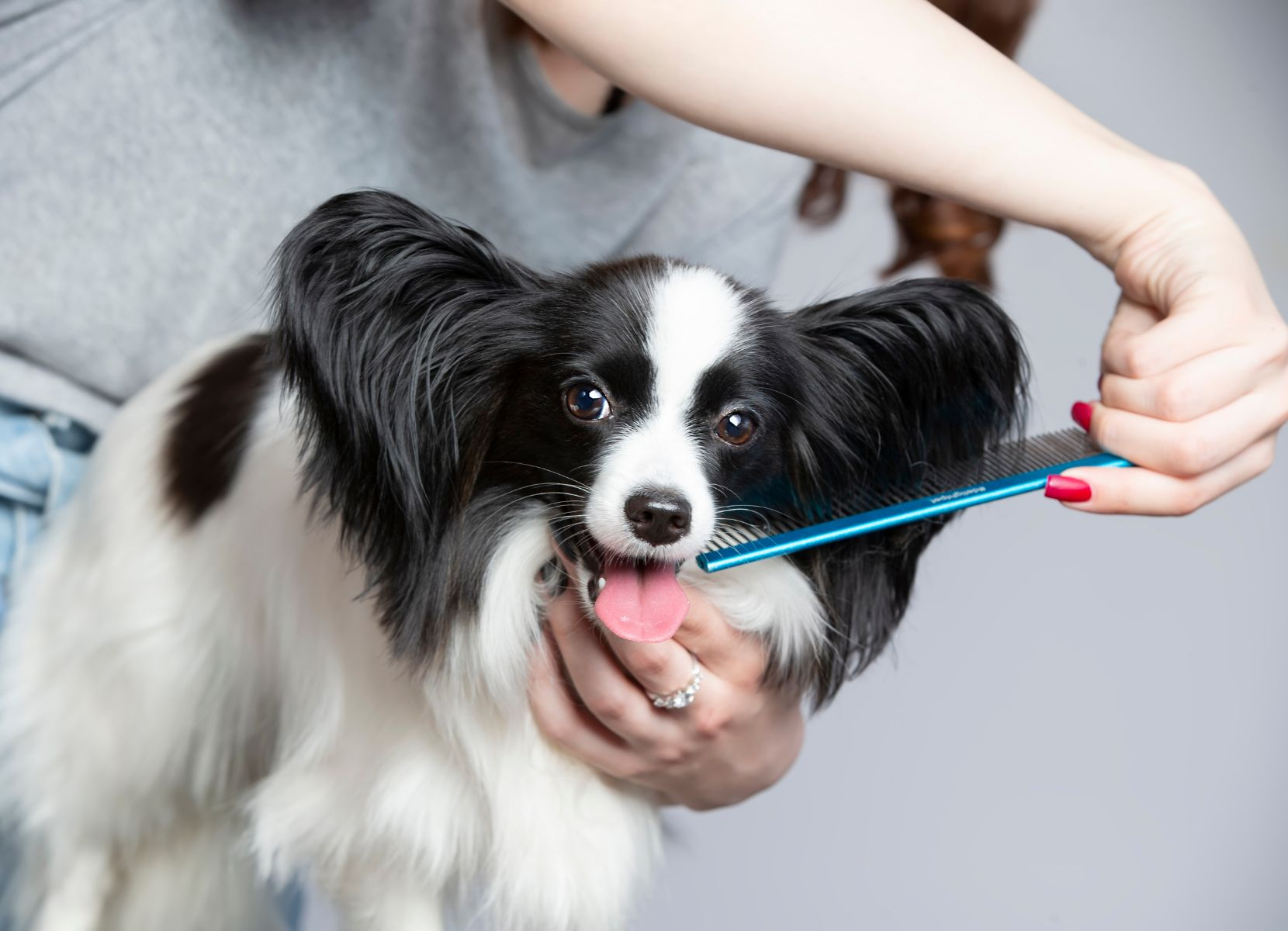
Papillons have a silky, single coat that doesn’t require heavy grooming. Despite their long hair, they’re relatively low maintenance compared to many long-coated breeds.
Brushing a few times a week helps prevent tangles and keeps their coat looking its best. Areas like behind the ears and legs may need extra attention.
They only need occasional baths, and over-bathing should be avoided. Regular nail trims, ear checks, and daily teeth brushing are important for overall health.
Key characteristics of Papillons


Papillon FAQs
Papillon FAQs answer common questions about living with a Papillon, including exercise needs, training, grooming, and family suitability. This section helps owners decide whether a Papillon is the right fit for their lifestyle.
Are Papillons good family dogs?
Papillons can be affectionate and social family dogs. They often do best in homes with older children who understand how to handle small dogs gently.
Do Papillons need a lot of exercise?
Papillons have moderate exercise needs and benefit from daily walks and playtime. Interactive games help keep them mentally stimulated.
Are Papillons easy to train?
Papillons are highly intelligent and usually easy to train. They respond well to positive reinforcement and enjoy learning new skills.
Do Papillons bark a lot?
Yes, Papillons can be vocal and often bark to alert their owners. Training can help manage excessive barking.
Are Papillons small dogs?
Yes, Papillons are considered small or toy-sized dogs. Despite their size, they are energetic and need regular activity and stimulation.
This FAQ section highlights what you need to know about living with a Papillon. With the right care, training, and attention, a Papillon can be a lively and affectionate companion for the right household.