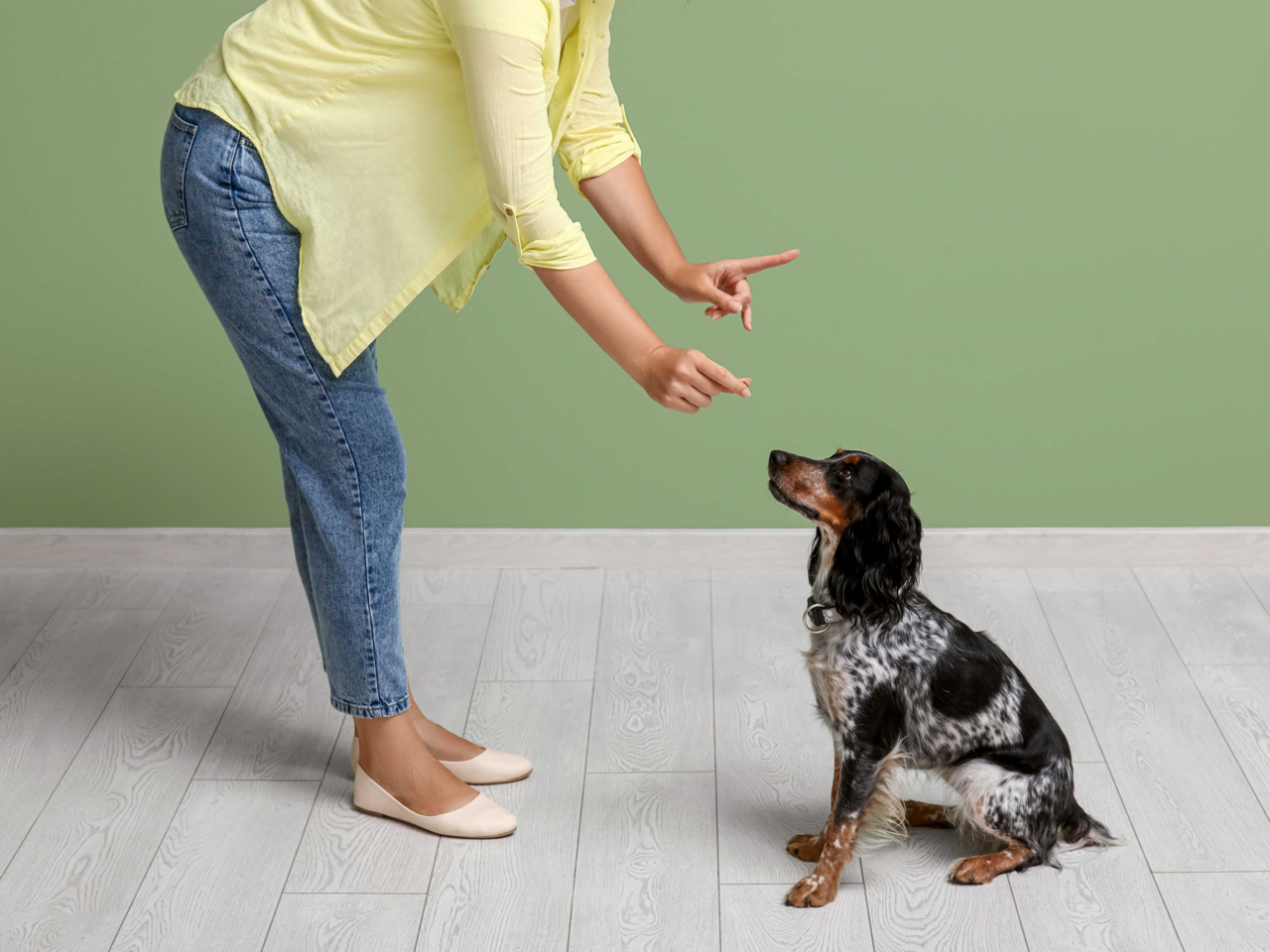
If you’ve ever caught your pup tilting their head or giving you the side-eye during training, you’ve probably wondered what’s really going on inside that furry head. Understanding your dog’s body language during training is key to building trust, improving communication and making your training sessions more effective (and way more fun). At Petdirect, we get pet — and we’re here to help you decode what your dog is really trying to tell you.
Why Dog Body Language Matters In Training
Dogs speak a silent language through their bodies, and when you’re training, they’re constantly “talking” to you — you just need to know how to listen. Recognising when your pup is feeling confident, confused, anxious or overstimulated can help you respond in a way that supports learning and builds confidence. It’s all about timing, empathy, and clear signals — from both ends of the leash.
In New Zealand, we’re fortunate to live in a dog-friendly country with wide-open spaces and training opportunities galore. Whether you're working on basic commands in the backyard or attending a puppy preschool, decoding your dog's body language can dramatically boost the results.
Common Body Language Cues And What They Mean
Here’s a quick guide to some of the most frequent body language signs you might see during training:
- Relaxed body and wagging tail: Your pup is happy, engaged and ready to learn! Reinforce this with positive rewards like soft and chewy training treats.
- Yawning or licking lips: These can be signs of stress or confusion. Time to take a break or simplify the task.
- Turning head away or avoiding eye contact: A subtle way of saying, “I need space.” Try reducing pressure and offer reassurance with calming products if needed.
- Tail tucked or body crouched: Your dog is feeling anxious or overwhelmed. Step back, take a breath, and go slower.
- Ears perked forward and still body posture: High interest or arousal. Depending on the context, this could be focus — or a sign your dog is on the edge of reactivity.
When you see signs of stress in your pup, don’t push through. Instead, give them a moment or even end the session on a positive note with play using a fun interactive toy or cuddle time.
Tail Talk: What Your Dog’s Tail Is Telling You
It’s not all about tail wagging — the speed, height and stiffness of your dog’s tail can tell you a lot about their mood:
- Neutral tail wag: Friendly and content
- High, stiff wag: Alert or aroused — not always friendly
- Low and slow wag: Submissive, unsure or cautious
- Tucked tail: Fear or anxiety, often seen in new environments or tricky training setups
Understand your dog’s unique “tail tones” and you’ll have a clearer picture of how training is landing. For some pups, movement aids like comfortable harnesses can help them feel more secure during exercise and focus time.
Signs Your Dog Is Enjoying the Training
We all want our dogs to thrive during training — not just follow commands. Signs that your pup is having a good time include:
- Loose, waggy body language
- Tail wagging at mid-height
- Play bows between exercises
- Following your cues eagerly
- Taking training treats willingly
If you’re noticing any of these, you’re on the right track — keep up the good work and reward your dog generously!
How To Support Your Dog’s Body And Mind During Learning
Training isn’t just a mental task — it can be physically and emotionally demanding too. Supporting both body and mind will help your pup stay motivated and healthy:
- Use nutritious food that supports concentration and energy
- Incorporate supplements for joint, coat and cognitive health
- Provide brain-stimulating tech toys on training breaks
- Set up a safe, chill space with their dog bedding for post-session rest
Most importantly, be patient and consistent. Trust, repetition and clear feedback go a long way. Remember, training should be a bonding experience — not a battleground.
Build Trust Through Better Understanding
Your dog may not speak your language, but they’re constantly speaking through their bodies. By learning to understand their cues, you’ll strengthen your bond, reduce frustration and make learning much smoother for both of you.
At Petdirect, we proudly support Kiwi dog parents through every step of the journey — from puppy training to advanced tricks. Because when it comes to pets, we get pet. Ready to up your training game?
Explore our full range of dog training gear and get tail-wagging results today!