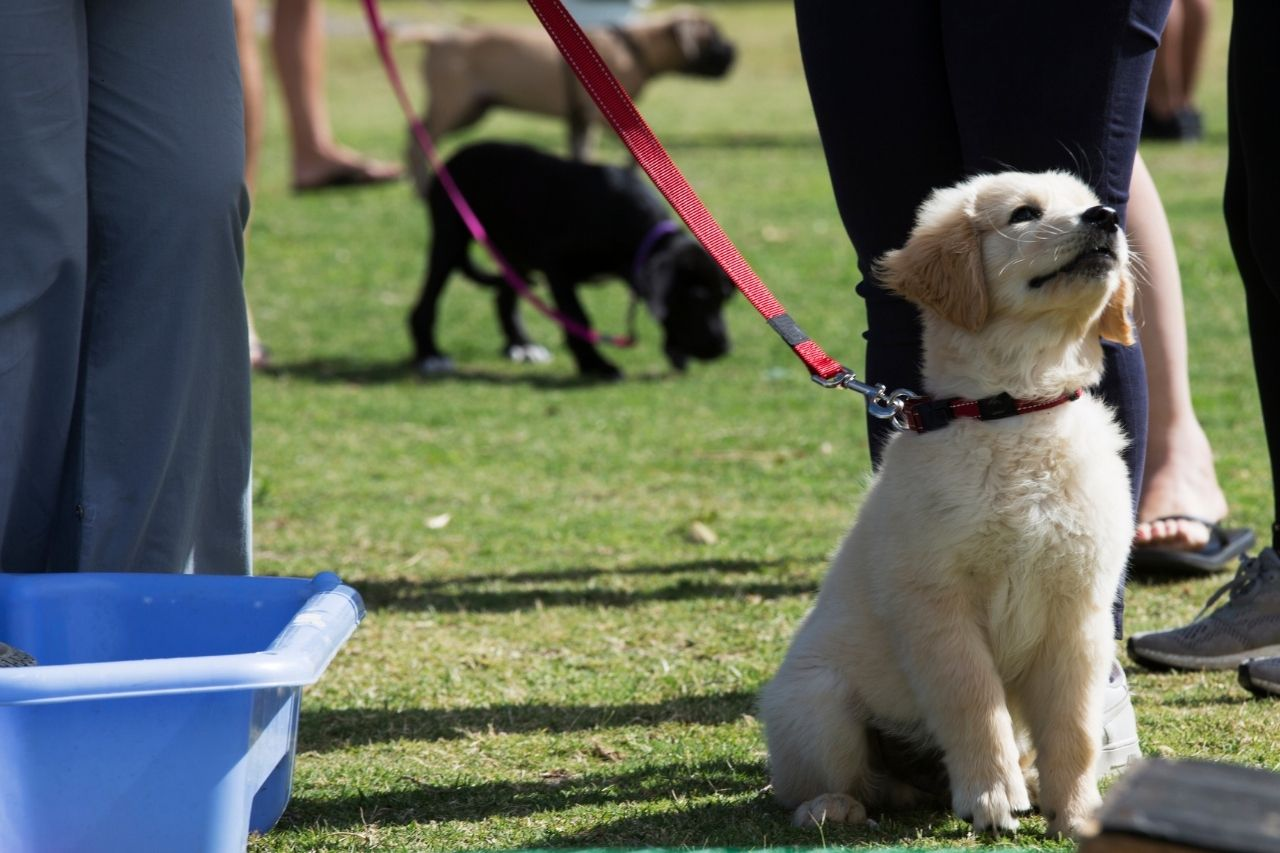
Bringing home a new puppy is an exciting time, but it’s also the start of an important journey: socialisation. In a nutshell, puppy socialisation helps your puppy learn how to confidently navigate our big, sometimes noisy, world. It’s all about gentle exposure to people, other dogs, places, and experiences — all while they’re young and impressionable. Get this stage right, and you’ll help set your pup up for a lifetime of good behaviour, calm confidence, and fewer behavioural challenges down the track.
At Petdirect, we get puppies — and we get that it can feel a little overwhelming at first. So, we’ve created this easy-to-follow guide packed with expert advice for Kiwi pet parents. Let’s take a look at what socialisation really means, what your puppy needs, common mistakes to avoid, and products that can help along the way.
What Is Puppy Socialisation?
Puppy socialisation refers to the process of gently introducing your puppy to new experiences, especially between the ages of 3 to 16 weeks — often called the critical socialisation window. During this time, puppies are more open to new things and less fearful, which makes it the ideal period to shape positive behaviours.
Social experiences might include:
- Meeting different people (various ages, genders, ethnicities)
- Encountering other vaccinated and well-socialised dogs
- Getting used to household noises like the vacuum or washing machine
- Exploring safe outdoor spaces, car rides, cafes, and groomers
- Wearing a harness or collar, and walking on lead
While your puppy won’t be fully vaccinated yet, that doesn’t mean you have to skip socialisation. You can start at home with visitors, safe pets, and noise desensitisation. Just check with your local vet about safe timing for public outings in your area.
Things To Do: Socialising Your Puppy The Right Way
Having a social puppy doesn’t happen by accident — it takes thoughtful planning, patience, and the right tools. Here are a few top tips for getting it right:
1. Start Early, But Keep It Safe
Begin at home by exposing your pup to visitors, different objects, mirrors, sounds, and textures. Gradually move on to safe settings like puppy classes, approved puppy playdates, or trips to the car and vet clinic.
2. Use Positive Reinforcement
Reward your pup with treats, praise, or a favourite toy when they calmly experience something new. This helps build positive associations. We love training treats that are small, tasty, and healthy — check out our range of training & reward treats perfect for this stage.
3. Keep Sessions Short and Sweet
Bite-sized experiences are best. Aim for frequent short sessions rather than long, overwhelming events. If your pup seems stressed or fearful, take a step back and go even slower.
4. Create a Safe Space
A puppy crate or playpen is a great place for your dog to decompress. Having a go-to safe spot helps them recharge between adventures and learn to self-settle.
5. Try Puppy Classes
Puppy preschool or socialisation classes are an excellent way to introduce structured encounters with other pups, guided by professional trainers. Just make sure the classes use reward-based, fear-free methods.
Things To Avoid: Common Socialisation Mistakes
Even with the best intentions, we can sometimes get puppy socialisation wrong. Here’s what to avoid:
1. Doing Too Much, Too Soon
Bombarding your puppy with new experiences without breaks can backfire. Watch their body language and go at their pace — curious tail wags are great, but trembling or lip licking might mean it’s time to pause.
2. Forcing Interactions
Let your pup choose if they want to engage. Forcing pats from strangers or insisting on playtime with unfamiliar dogs could lead to fearful behaviours later on.
3. Skipping Socialisation Due to Vaccination Concerns
You don’t have to wait until your puppy has all their vaccinations before starting socialisation. Just avoid high-risk areas and stick to safe, controlled environments. You can even use a puppy carrier to explore public spaces while minimising contact with unknown dogs.
4. Only Focusing on Dogs
While other dogs are important, your puppy also needs to learn about people, sounds, surfaces, places, and objects. This broad exposure helps reduce future fears and anxiety.
Helpful Products To Support Puppy Socialisation
Support your puppy’s social journey with products designed to build confidence, reduce stress, and encourage learning:
- Puppy training tools – including clickers and toilet training pads
- Calming aids – like pheromone sprays or supplements to help ease nervousness
- Interactive toys – great for confidence-building play
- New puppy starter packs – a great value way to tick off your checklist!
And of course, a healthy puppy diet gives them the energy and nutrients they need to grow and learn. Brands like Royal Canin and Black Hawk offer breed- and age-specific puppy formulas for optimal development.
We Get Puppies — And We’re Here To Help
Socialisation is one of the best gifts you can give your new puppy. It builds the foundation for a happy, confident companion who fits seamlessly into your family and local community. Whether you're stocking up on socialisation tools, booking puppy classes, or simply have questions, the team at Petdirect is here to help — because we get pet.
Ready to set your pup up for success? Explore our Puppy Shop and training essentials to find everything you need. Enjoy member benefits with Pet Perks, and keep eligible everyday essentials topped up with Autodeliver.