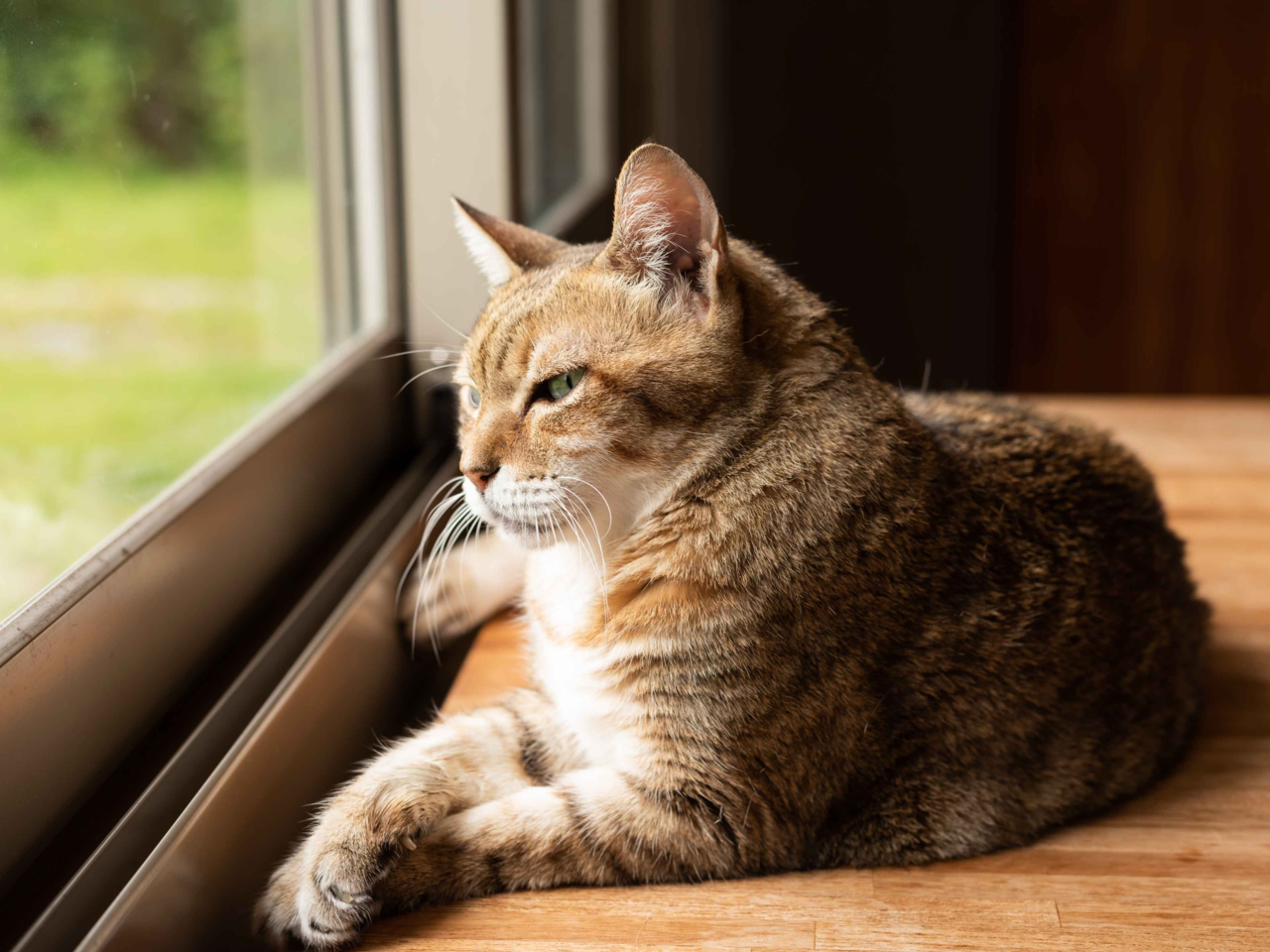
As much as we like to think of cats as fiercely independent, the truth is a little more complex. While they might not demand constant attention like some pups, cats are still social, intelligent creatures that can feel lonely without enough interaction or stimulation. So, do cats get lonely? Absolutely. And if you’re a Kiwi cat parent wondering how to tell the signs, we’ve got your paws covered.
At Petdirect, We Get Pet—and we know a bored or isolated cat can lead to mischief or even health issues. From recognising the red flags to offering solutions like toys, tech and calming care, this guide will help you support your feline friend’s wellbeing.
Understanding Feline Loneliness
Cats are known for loving their alone time, but that doesn’t mean they’re immune to loneliness. In fact, domestic cats—especially those kept indoors—rely heavily on their humans and their environment to stay emotionally balanced.
While outdoor cats may roam and engage with the world around them, indoor cats can become isolated if they’re left alone for long periods. This is especially important in New Zealand, where many cat parents keep their pets indoors to protect native wildlife or follow council regulations.
Loneliness can manifest in different ways. Your cat might be extra clingy one moment, then zoom around the house knocking things over the next. Sound familiar? Let’s dive into some classic signs.
Common Signs Your Cat May Be Lonely
- Excessive meowing or vocalisation: Cats often use their voices to get your attention, especially if they feel ignored or anxious.
- Changes in appetite: Just like humans, lonely cats might overeat or lose interest in food altogether.
- Over-grooming or poor grooming: A stressed and lonely kitty might obsessively groom or, conversely, stop grooming altogether.
- Destructive behaviour: Scratched furniture? Tugged curtains? Boredom and loneliness could be the true culprits.
- Litter box issues: Cats who are feeling neglected might start relieving themselves outside the litter box.
- Sleeping more than usual: While cats nap a lot, excessive sleep may signal a lack of mental stimulation.
If your cat is showing any of these behaviours, it’s worth considering how much one-on-one time, play, and enrichment they’re really getting.
How To Keep Your Cat Stimulated And Happy
Good news: there are plenty of easy and fun ways to keep your cat mentally and physically engaged—even if you're away during the day. Here’s where to start:
1. Set Up a Stimulating Play Environment
Interactive toys, scratching posts, and puzzle feeders are a must for curious cats. Try introducing cat toys that trigger your cat's hunting instincts, such as teasers and wands or electronic toys that move unpredictably.
Bored kitty scratching the couch? Redirect that energy with cat scratchers that double as climbers or play towers.
2. Try Smart Pet Tech for Busy Households
Can’t be home 24/7? No worries. Keep your kitty connected with cat cameras so you can check in from work, and entertain them remotely with interactive tech toys. Many pet parents also swear by water fountains to encourage hydration, which is an easy enrichment win.
3. Use Calming Aids When Needed
Feeling lonely can lead to stress and anxiety in cats. Try calming essentials like diffusers or chews—great options for when changes or absence are unavoidable. Products like Feliway use pheromones to help cats feel safe and secure at home.
4. Offer Companionship
Some cats do thrive with a feline friend—especially if they’re young, playful, or used to having company. However, introducing a new cat should always be done slowly and mindfully. If adding a second cat isn’t an option, prioritise quality time each day with you. A committed 15 minutes of playtime can do wonders.
5. Stimulate Their Senses With New Experiences
Window perches, safe access to enclosed outdoor spaces (like catios), or rotating toys and furniture placement can make a familiar space feel fresh and fun. Food-stuffed toys or treats scattered around for them to find also turn mealtime into a game.
When To Seek Professional Help
If your cat’s behaviour changes suddenly or doesn’t improve with more stimulation, it’s worth checking in with your vet. Sometimes what looks like loneliness could be an indication of a medical issue. At Petdirect, we recommend speaking with a vet who understands your cat's health holistically and can offer guidance that follows best practices in New Zealand.
Final Thoughts: You’re Not Alone In Helping Your Cat Feel Less Lonely
Yes, cats can and do get lonely—especially if they’re missing out on stimulation or companionship. But with the right tools, routines, and enrichment, your cat can thrive alone or with their chosen humans. Keeping them mentally engaged is one of the best ways to support their wellbeing and create harmony in your home.
Whether it's fun toys, clever feeders, or gentle calming care, you can find everything you need at Petdirect. Join our Pet Perks programme to earn rewards, or explore Autodeliver so your favourite cat supplies arrive on time—every time.
After all, We Get Pet—and your cat deserves the best.